A Pilgrimage to the Heart of Hanoi
Hanoi, a city where ancient traditions and modern life intertwine with a certain timeless grace, holds within its embrace a site of profound national significance: the Ho Chi Minh Mausoleum. More than just a monument, it is a destination of reverence, a focal point for national identity, and a tangible connection to Vietnam's revolutionary past. To visit is to step into a moment of quiet contemplation, to witness a nation's enduring respect for its founding father, "Uncle Ho."
Approaching the grand, granite structure of the Mausoleum, situated in the vast Ba Dinh Square, one immediately feels the shift in atmosphere. The bustling energy of the city recedes, replaced by a palpable sense of solemnity. This isn't a place for idle tourism; it's a place for reflection, for understanding the enduring legacy of Ho Chi Minh, and for appreciating the history etched into the very fabric of this nation.
Respectful Passage: Navigating the Rules
Before even joining the queue, there are unspoken but critical rules to observe. The Ho Chi Minh Mausoleum is a place of deep respect, and this is reflected in its strict dress code. Think conservative, clean, and covered. Shorts, tank tops, revealing clothing, or anything deemed disrespectful is forbidden. Shoulders and knees must be covered – think long pants or skirts and t-shirts or blouses. It’s akin to visiting a sacred temple or a revered historical site; the attire signals your acknowledgement of the solemnity of the occasion.
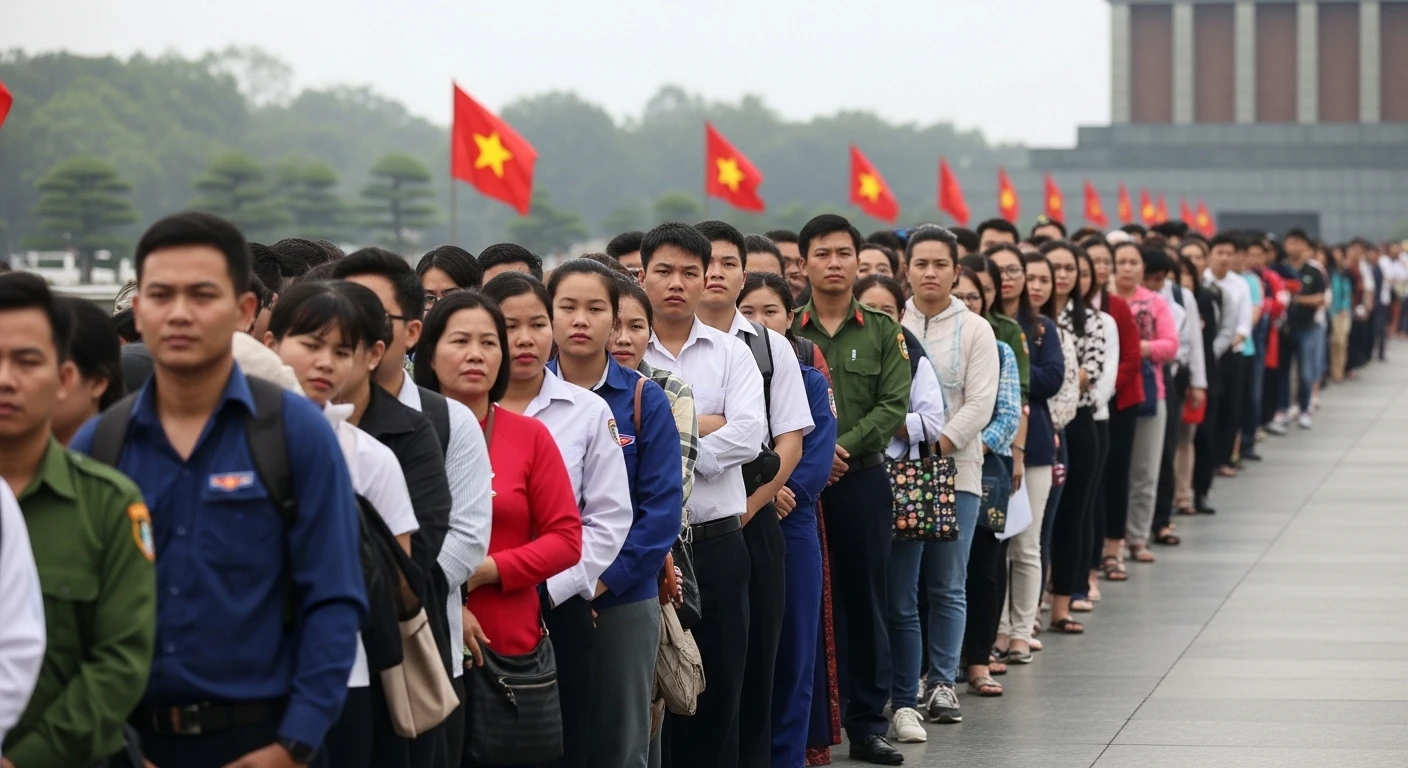
Once appropriately dressed, you’ll join the ranks of visitors – locals, students, and international travelers alike – forming a silent, orderly line. The queue moves with an almost practiced efficiency. Photography is strictly prohibited inside the Mausoleum itself, and electronic devices must be turned off or put away. The experience is designed to be personal, focused on the individual’s interaction with the space and its solemn centerpiece. Guards stand at attention, their presence a quiet reminder of the importance of decorum.
The Inner Sanctum: Paying Homage
The journey inside the Mausoleum is brief but impactful. You'll walk through austere, marble-lined halls, the air cool and hushed. At the heart of the Mausoleum lies the preserved body of Ho Chi Minh, lying in state. The viewing itself is a solemn, silent procession. Visitors walk past, heads bowed, a moment of quiet reflection on the life and legacy of the man who led Vietnam's fight for independence and reunification.
It's a powerful, almost humbling experience. The stillness, the sheer gravitas of the moment, transcends language and cultural barriers. For many Vietnamese, it's a deeply moving pilgrimage. For international visitors, it's a unique opportunity to witness this aspect of Vietnamese national identity firsthand, understanding the profound reverence held for "Uncle Ho."
Uncle Ho's Humble Abode: A Contrast in Simplicity
Emerging from the imposing structure of the Mausoleum, the surroundings offer a striking contrast. Adjacent to the Mausoleum complex is the Presidential Palace area, and within it, Ho Chi Minh's former residence – his simple, stilt house. This humble dwelling, surrounded by lush gardens, provides a profound glimpse into the austere, ascetic lifestyle of the man who led a nation.
It stands in stark opposition to the grandeur of the Mausoleum. Built in the traditional style of the northern highlands, the house is modest, functional, and devoid of luxury. You can see his modest furnishings, his simple study, and the small garden where he often relaxed. It's a powerful reminder that the revered leader lived a life of dedication, prioritizing his country's welfare above personal comfort. This juxtaposition between the grand resting place and the simple dwelling is key to understanding the complex figure of Ho Chi Minh.

The Ethereal One Pillar Pagoda
Just a short walk from Ho Chi Minh's stilt house lies another of Hanoi's iconic landmarks: the One Pillar Pagoda (Chùa Một Cột). This unique Buddhist temple, with its distinctive design, is a marvel of traditional Vietnamese architecture. Built in the 11th century, it's said to resemble a lotus flower emerging from the water, supported by a single stone pillar.
The pagoda itself is small, and while you can explore its interior and offer prayers, its true magic lies in its singular architectural form. It’s a serene space, offering a moment of spiritual calm amidst the historical significance of the surrounding complex. The juxtaposition of the imposing Mausoleum, the humble stilt house, and the delicate pagoda creates a layered experience of Vietnam's history, spirituality, and its revered leader.
Ba Dinh Square: The Epicenter of History
The Ho Chi Minh Mausoleum stands proudly in Ba Dinh Square, a vast, open expanse that has witnessed some of Vietnam's most pivotal historical moments. It was from this very square that Ho Chi Minh famously read the Declaration of Independence in 1945, proclaiming the birth of the Democratic Republic of Vietnam.
Walking through Ba Dinh Square, especially during the flag-raising or flag-lowering ceremonies that occur daily, you can almost feel the echoes of history. It serves as a constant reminder of Vietnam's struggle for freedom and sovereignty. The square itself, with its manicured lawns and imposing surrounding buildings, including the Presidential Palace and the National Assembly House, is a testament to the nation's enduring spirit and its commitment to remembering its past as it builds its future.

Delving Deeper into Hanoi's Past
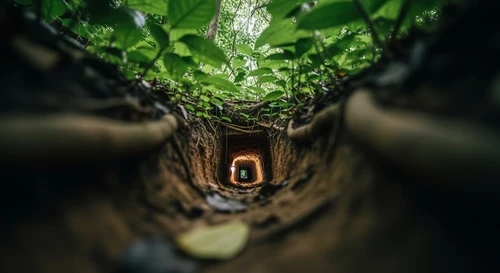
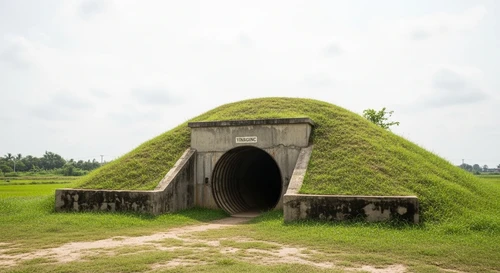
To truly grasp the turbulent 20th century in Vietnam, understanding sites like Hoa Lo Prison is essential.
Read More: Hoa Lo PrisonPlanning Your Visit: Essential Tips
A visit to the Ho Chi Minh Mausoleum is a must for anyone seeking to understand modern Vietnam. Here are some practical tips to make your experience smoother:
- Opening Hours: The Mausoleum generally opens in the morning and closes around midday or early afternoon. It is also closed for an extended period each year (typically October-November) for maintenance, and is closed on Mondays and Fridays. Always check the latest schedule before your visit.
- Best Time to Visit: Arrive early to avoid the longest queues. The flag-raising ceremony (around 6 AM) and flag-lowering ceremony (around 9 PM) at Ba Dinh Square are also significant events, though the Mausoleum interior is not accessible during these times.
- Security Checks: Expect thorough security checks. Large bags, cameras, and tripods are not permitted inside the Mausoleum. Lockers are usually available nearby for a fee.
- Photography: Remember, photography is strictly forbidden inside the Mausoleum. It is generally permitted in the surrounding grounds and Ba Dinh Square.
- Combine Your Visit: The Mausoleum complex is best explored in conjunction with Ho Chi Minh's stilt house, the Presidential Palace grounds, and the One Pillar Pagoda for a comprehensive historical and cultural experience.
Beyond Politics: A Symbol of Unity
While Ho Chi Minh is undeniably a political figure, his legacy in Vietnam extends far beyond party lines. He is revered as the father of modern Vietnam, a symbol of independence, resilience, and national unity. The respect shown at the Mausoleum reflects a deep-seated gratitude for his role in liberating the country and reunifying it after decades of conflict.
For visitors, understanding this nuanced perspective is crucial. The experience is less about political ideology and more about witnessing the profound national sentiment attached to his memory. It’s about appreciating the history of a nation and the enduring reverence for the man who guided it through its most challenging times.
Exploring Hanoi's Rich Heritage
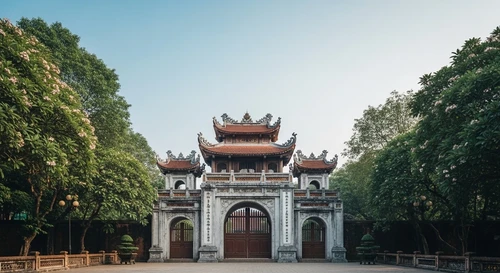
Discover other historical and cultural gems in Hanoi, reflecting Vietnam's deep roots.
Read More: Temple of LiteratureLong Bien Bridge: A Witness to History
No exploration of Hanoi's historical landscape is complete without acknowledging the enduring spirit of the Long Bien Bridge. This rusty, iron cantilever railway bridge, designed by the same architects as the Eiffel Tower, has stood resiliently through decades of war and transformation. It has witnessed the French colonial era, the struggle for independence, and the tumultuous years of conflict.
Standing near the bridge, one can imagine the historical weight it carries – the bombings it endured, the people and goods it has transported, and its continued importance to the city's rhythm. It's a tangible link to Hanoi's past, a monument to resilience that stands in stark contrast to the modern aspirations represented by Ba Dinh Square.

Hanoi's Enduring Icons
Discover other landmarks in Hanoi that embody the city's deep history and enduring spirit.
Read More: Long Bien BridgeA Lasting Impression
A visit to the Ho Chi Minh Mausoleum is more than just checking a landmark off a list. It is an immersion into the heart of Vietnamese reverence and history. It’s a quiet, contemplative experience that offers profound insight into the nation's journey and the enduring legacy of its founding father. By approaching the site with respect and an open mind, visitors gain a deeper appreciation for the historical forces that shaped modern Vietnam and the deep respect its people hold for "Uncle Ho." It's a visit that stays with you, a somber yet significant chapter in understanding this captivating country.