The Emerald Hills of Thai Nguyen: Vietnam's Tea Heartbeat
Forget the sterile perfection of factory-farmed produce. To truly understand Vietnamese green tea, you need to venture north of Hanoi, to the rolling, mist-kissed hills of Thai Nguyen province. This is not just a region that *produces* tea; it is a place where tea is woven into the very fabric of life, a tradition that has flourished for generations.
Here, in the district of Tan Cuong, the air itself seems to carry the subtle, earthy aroma of freshly plucked leaves. This is Vietnam's undisputed green tea capital, a landscape of emerald carpets stretching as far as the eye can see, tended by hands that have known the soil and the leaf for lifetimes. To spend a day here is to step back in time, to witness a way of life deeply connected to the land, and to taste the purest essence of this ancient beverage.
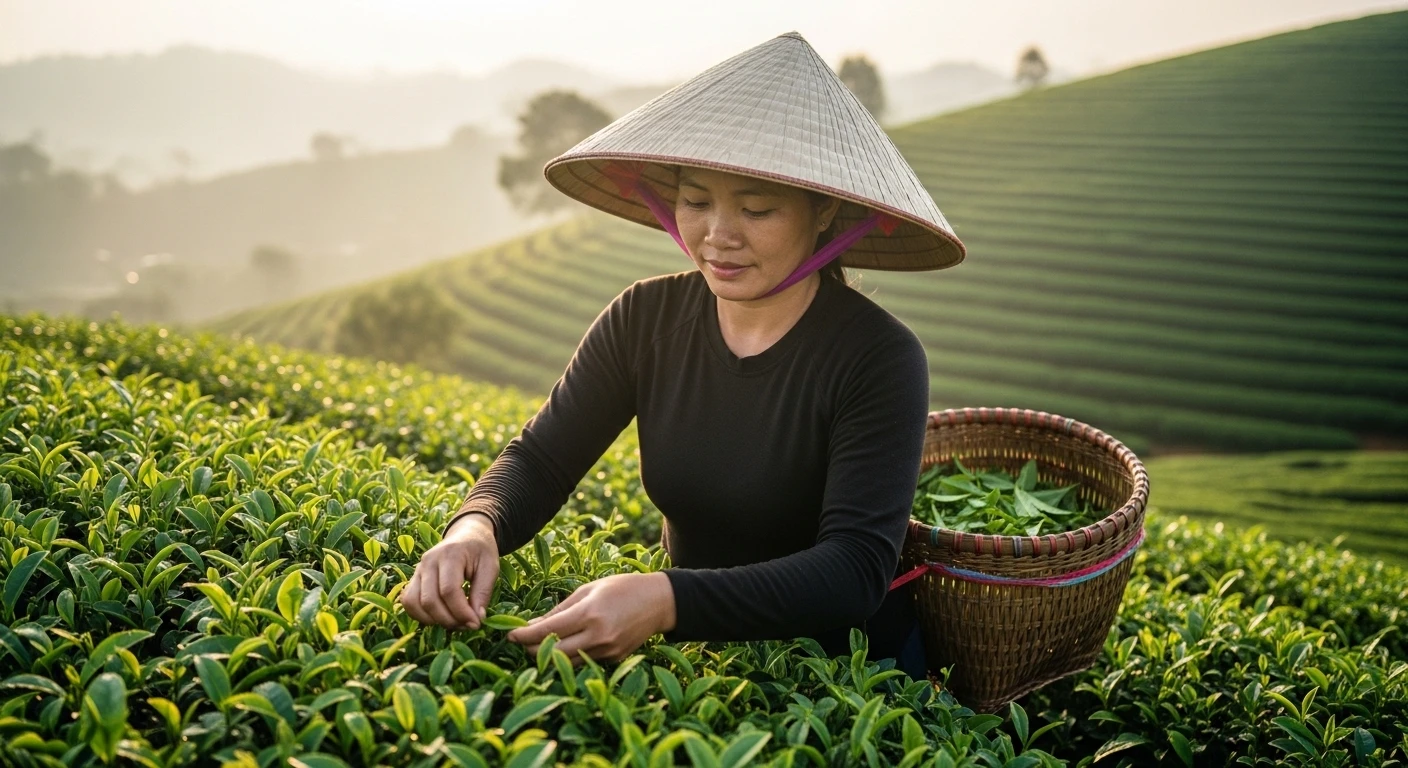
The gentle harvest: picking tea leaves in the verdant hills of Tan Cuong, Thai Nguyen.
The Road to the Green Gold: Finding Tan Cuong
Thai Nguyen province is roughly a two-hour drive north of Hanoi. The journey itself is an immersion into the evolving Vietnamese landscape – from the bustling urban sprawl of the capital to the increasingly rural, agricultural heartland. While private cars or taxis offer the most direct route, local buses are also a viable, albeit slower, option.
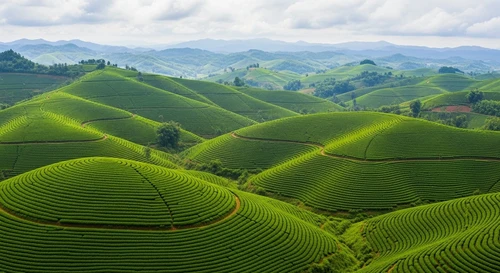
As you approach Tan Cuong, the scenery transforms. Expansive rice paddies give way to undulating hills blanketed in neat rows of vibrant green tea bushes. The air becomes fresher, carrying a distinct, clean scent. This is where the real magic begins. Most visitors opt for pre-arranged tours or hire local guides who can facilitate introductions to tea-farming families, ensuring an authentic and respectful experience.
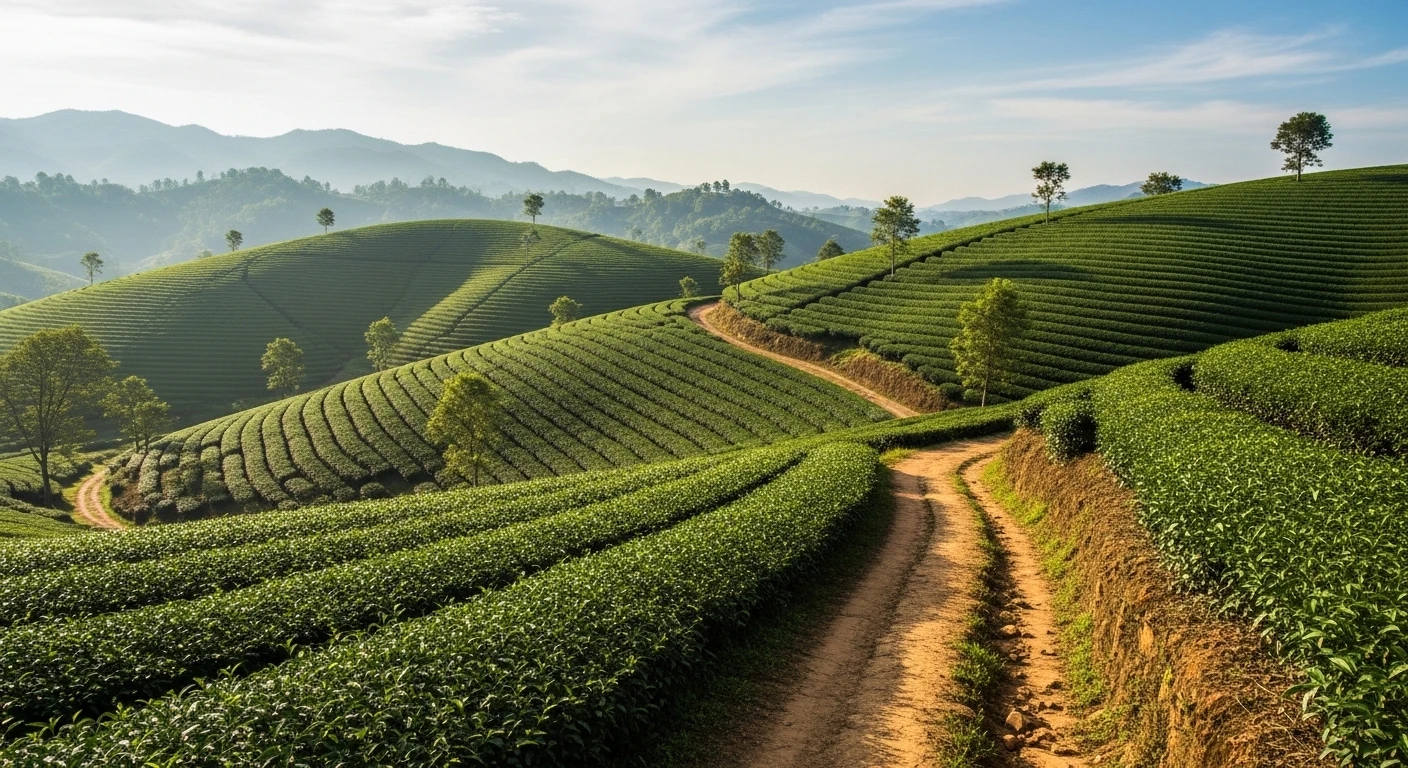
The hypnotic patterns of tea cultivation stretching across the hills of Thai Nguyen.
Hands in the Leaves: The Gentle Dance of the Harvest
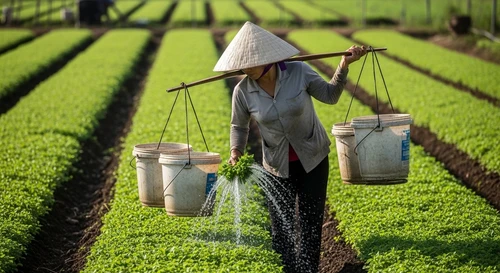
The soul of Thai Nguyen tea lies in its harvest. Typically, the most prized leaves – the young buds and the two adjacent leaves, known as the "phuong hai la" – are hand-picked. This is meticulous work, requiring a keen eye and a gentle touch, often performed by women, their conical hats (nón lá) providing shade and a touch of timeless elegance against the vibrant green backdrop.
You’ll be invited to join them, to feel the delicate, almost fuzzy texture of the leaves, and understand the skill involved in selecting only the finest. Carrying a woven basket, you’ll walk the rows, guided by the farmers’ practiced movements. It’s a humbling experience, one that connects you directly to the source of your morning cup, and fosters a profound appreciation for the labor and care that goes into every leaf.

A Kinship with Harvests
Just as the tea leaves are meticulously gathered, so too is the legendary green sticky rice in the distant Tu Le Valley. Discover another facet of Vietnam's agricultural richness.
Learn MoreThe Fiery Transformation: Mastering the Roast
Once plucked, the tea leaves embark on their next transformative journey: the roast. In Tan Cuong, this is often done using traditional methods, either over charcoal fires or in large, rotating woks. This is where the distinct character of Thai Nguyen green tea is truly born.
Witnessing this process is captivating. The leaves are tossed and turned, their moisture gently coaxed out, releasing a warm, inviting aroma that fills the air. The skill lies in achieving the perfect balance – ensuring the leaves are dried sufficiently without scorching, preserving their delicate flavors while locking in their fragrance. You’ll learn how the temperature and duration of the roast influence the final taste, from a light, floral profile to a more robust, toasty note.
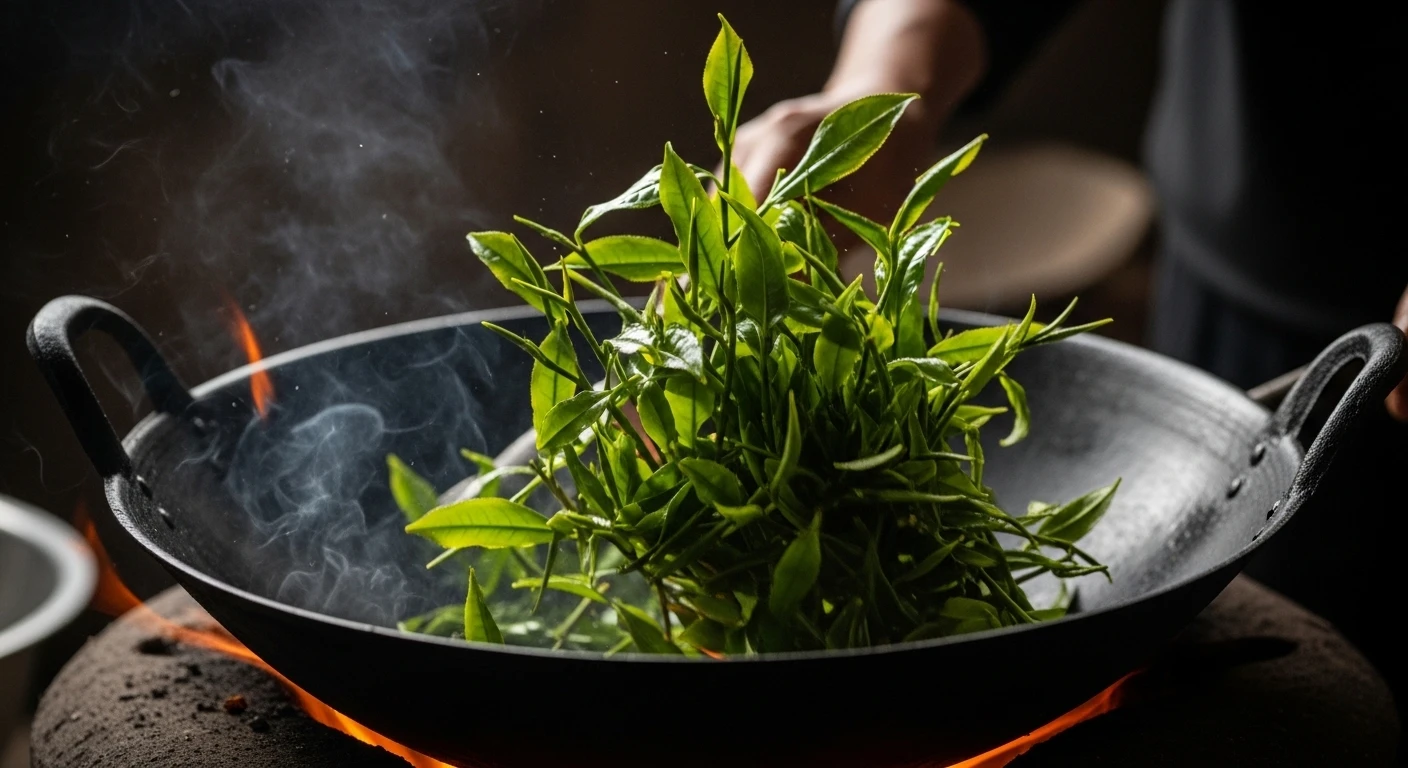
The heat of tradition: tea leaves undergoing the crucial roasting process.
A Taste of the Delta (and Beyond): Bamboo Rice Tales
While Thai Nguyen is celebrated for its tea, a truly immersive culinary experience often incorporates regional specialties. One such delight, shared across Vietnam’s diverse agricultural heartlands, is rice cooked in bamboo tubes. Though more commonly associated with the Central Highlands or parts of the Mekong Delta, its presence in agricultural communities like Thai Nguyen speaks to a shared culinary heritage.
The process is simple yet ingenious. Sticky rice, often seasoned with a pinch of salt and sometimes a touch of coconut milk, is packed tightly into hollow bamboo segments. These tubes are then sealed and roasted over an open fire until the rice is cooked through and infused with the subtle, woody essence of the bamboo. The result is a delightfully fragrant, slightly chewy rice, perfect for accompanying a meal or enjoyed on its own. It’s a taste that grounds you, a reminder of the resourcefulness and flavors born from the earth.

Echoes of Labor and Landscape
From the fragrant tea fields to the shimmering salt flats of Sa Huynh, Vietnam's landscapes are shaped by human hands and the bounty of nature. Explore another tradition of elemental production.
Discover Salt FieldsSipping the Essence: The Taste of Thai Nguyen Tea
The green tea from Thai Nguyen, particularly the variety known as "Tra Tan Cuong", possesses a character that is both delicate and profound. Unlike the often bitter, astringent notes found in lower-quality green teas, Tan Cuong tea offers a smooth, mellow flavor profile.
Expect subtle floral undertones, a hint of sweetness that lingers on the palate, and a refreshing, clean finish. Its vibrant, often greenish-yellow liquor is a visual treat, mirroring the color of the hills it comes from. It's a tea that invites contemplation, best enjoyed slowly, perhaps with a quiet moment overlooking the plantations. The bamboo rice complements it beautifully, its mild sweetness and unique texture providing a gentle counterpoint to the tea’s complexity.
More Than Just Tea: The Community and Culture
A visit to the tea estates of Tan Cuong is an anthropological journey as much as a gastronomic one. The tea farmers here are custodians of a rich heritage. Their lives are structured around the cycles of the tea plant, from pruning and harvesting to processing and selling.
Engage with them. Ask about their families, their farming practices, and their love for the land. You'll find a warmth and generosity that is emblematic of rural Vietnam. The shared meal of bamboo rice, accompanied by freshly brewed tea, is a testament to this hospitality. It’s in these moments of connection that the true essence of Thai Nguyen tea—and Vietnamese culture—is revealed.

Craftsmanship in Every Gesture
From the delicate touch needed for tea leaves to the skilled hands shaping clay in Bat Trang, Vietnam's artisanal spirit is evident in every creation.
Explore PotteryPlanning Your Pilgrimage: Tips for Visitors
Visiting Thai Nguyen's tea estates is best done with a spirit of exploration and respect. Here are a few practical pointers:
- Best Time to Visit: The most vibrant harvests occur during the spring and summer months. However, tea cultivation is a year-round activity, and the landscape is beautiful in any season.
- Getting There: As mentioned, travel from Hanoi is straightforward. Consider hiring a local guide who can arrange farm visits and potentially accommodations or homestays.
- What to Bring: Comfortable walking shoes are essential for navigating the hills. Sun protection (hat, sunscreen) and insect repellent are also advisable.
- Etiquette: Always ask permission before taking photos of people. Show respect for the land and the farming practices.
- Purchasing Tea: You'll have the opportunity to buy fresh, locally processed tea directly from the farmers. This is the best way to support the community and take home a genuine taste of Thai Nguyen.
Guardians of the Green: Sustainability in Thai Nguyen
The future of Thai Nguyen's tea culture hinges on sustainable practices. Many farms are increasingly adopting organic methods, reducing pesticide use and focusing on soil health. This not only ensures the purity of the tea but also protects the fragile ecosystem of the hills.
By choosing to visit and purchase tea directly from these local producers, you are contributing to the preservation of this unique agricultural heritage. It’s a way of ensuring that the emerald hills continue to thrive, and that the tradition of exceptional Thai Nguyen green tea is passed down to future generations.
A Taste of Authenticity
A day in the tea estates of Tan Cuong, Thai Nguyen, is more than just a tourist excursion; it's an invitation into the heart of Vietnamese agritourism and a profound appreciation for the simple, yet complex, world of tea. From the tactile experience of picking leaves to the aromatic journey of the roast, and the comforting taste of rice cooked in bamboo, you’ll leave with a deeper understanding of Vietnam’s cultural landscape and a renewed respect for the craft that goes into your daily cup. It's a journey for the senses, and a connection to the land that nourishes it.
Discover More Local Flavors
Explore other vibrant facets of Vietnam's agricultural and cultural traditions.
🌿 Explore Vietnamese Farming & Cooking