Where Vietnam Touches the Sky
There are places that whisper of boundaries, of the very edge of a nation. Lung Cu Flag Tower is one such place. Perched atop Long Son mountain in Ha Giang province, it marks Vietnam's northernmost geographical point, a monumental testament to national sovereignty that gazes directly across the border into China. This isn't just a flagpole; it's a destination that ignites a sense of discovery, a pilgrimage for those who seek to touch the extremities of a country and understand its spirit.
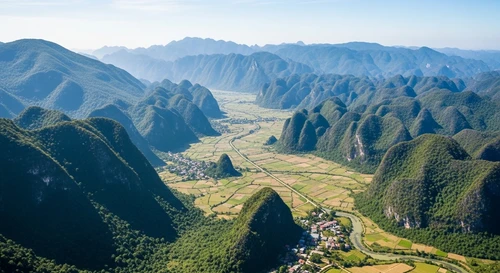
The journey to Lung Cu is as significant as the destination itself. Ha Giang province, a tapestry of dramatic limestone karst landscapes, winding mountain passes, and vibrant ethnic cultures, demands a spirit of adventure. It’s a region where the air is crisp, the views are staggering, and the pace of life slows to match the rhythm of the clouds drifting over jagged peaks. Arriving at Lung Cu feels like reaching the roof of Vietnam.

The Lung Cu Flag Tower, a symbol of Vietnam's northernmost reach.
Climbing to the Top: The Tower and the View
The Lung Cu Flag Tower itself is an imposing structure, rising majestically from the mountaintop. A significant climb, both in terms of physical effort and symbolic resonance, awaits. As you ascend the stone steps, the panorama of Ha Giang’s rugged beauty unfolds. Terraced rice paddies carve patterns into the slopes below, villages nestle in the valleys, and the distant mountain ranges stretch towards the horizon.
At the summit, the national flag of Vietnam flies proudly, a vibrant splash of red against the often-blue sky. Standing beneath it, you're not just looking at a view; you're standing at a geopolitical frontier. The sense of scale is profound, a powerful reminder of the land's vastness and the stories etched into its borders. The wind whipping around the tower carries the whispers of history, trade, and the resilience of the people who call this remote region home.
Echoes of Ancestry: The Lo Lo Chai Village
Just a stone's throw from the imposing tower lies Lo Lo Chai village, home to the ethnic Lo Lo people. This isn't a curated tourist attraction; it's a living, breathing community where ancient traditions continue to thrive. Visiting Lo Lo Chai is an immersive experience, a chance to step back in time and witness a way of life deeply connected to the land.
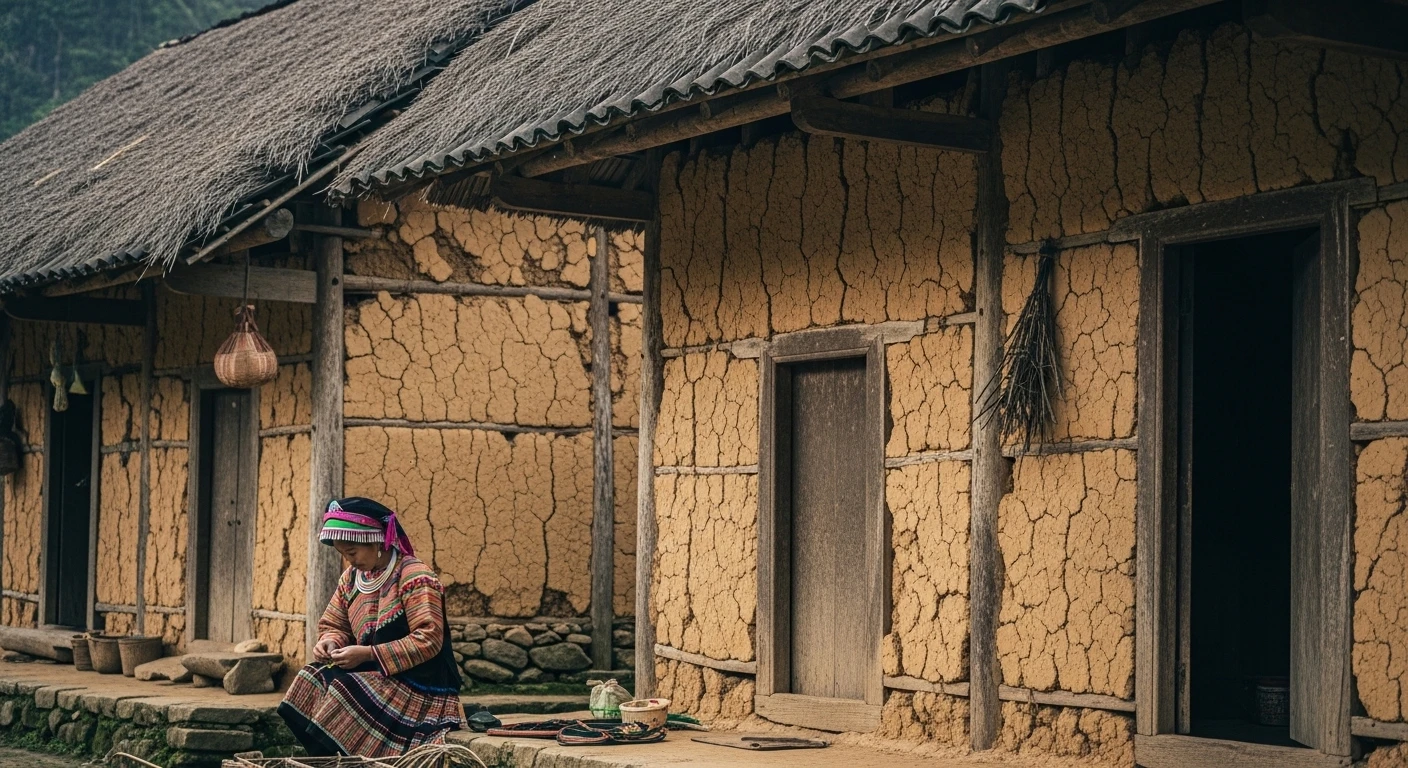
The architecture itself tells a story. Houses are traditionally built from earth and wood, with thick mud walls that provide insulation against the elements and roofs often thatched with local materials. These structures are more than just shelters; they are a testament to the Lo Lo's ingenuity and their harmonious relationship with their environment. Wander through the village paths, and you'll see the daily life of families, children playing, and women often engaged in traditional crafts.
A Taste of the Highlands: Corn Wine and Local Flavors
No visit to Lo Lo Chai would be complete without experiencing its authentic flavors. The Lo Lo are known for their distinctive corn wine, a potent spirit brewed from locally grown corn. Sharing a cup of this homemade brew is an act of hospitality, a way for the villagers to welcome outsiders and share their culture. The taste is strong, earthy, and uniquely highland.
Beyond the corn wine, the local cuisine reflects the ingredients available in this mountainous region. Expect simple, hearty dishes prepared with fresh produce, local meats, and aromatic herbs. The communal dining experience, often in a traditional home, offers a profound connection to the people and their enduring traditions. It's a taste that lingers, a memory far richer than any souvenir.
Journey to the Frontier: Getting to Lung Cu
Reaching Lung Cu Flag Tower requires a commitment to exploring Vietnam's wild north. The most common gateway to Ha Giang province is via Hà Giang City. From major cities like Hanoi, buses are readily available, typically an overnight journey of around 6-7 hours.
Once in Hà Giang City, the journey to Lung Cu is best undertaken by motorbike or by hiring a car with a driver. The roads are famously winding and scenic, part of the iconic Ha Giang Loop. This overland trip, typically taking 3-4 hours one way from Hà Giang City, is an adventure in itself, traversing dramatic mountain passes and offering constant breathtaking vistas. It’s advisable to factor in at least one full day to travel to Lung Cu and explore, or better yet, spend a night in the region to fully absorb the atmosphere.

The iconic Ha Giang Loop – the journey is as spectacular as the destination.
A Mosaic of Ethnic Cultures
Lung Cu and the surrounding Ha Giang province are a vibrant mosaic of ethnic minority groups, each with their unique traditions, languages, and attire. While the Lo Lo are a prominent community here, you'll also encounter Hmong, Tay, Dao, and Nung people, among others. Each group contributes to the rich cultural tapestry of this border region.
Observing their traditional clothing, often richly decorated with intricate embroidery, and witnessing their daily lives offers a profound insight into Vietnam's diverse heritage. This cultural richness, coupled with the stunning natural landscape, makes Ha Giang a truly unforgettable destination. It’s a place where the boundaries of geography and culture meet in a spectacular display.
Venturing Further: Other Ha Giang Gems
While Lung Cu Flag Tower is a definitive landmark, Ha Giang offers a wealth of other attractions for the intrepid traveler. The Hmong King Palace (Dinh Vua Meo), a fascinating blend of architectural styles, stands as a testament to the region's historical figures. The stunning Tu San Canyon, carved by the emerald Nho Que River, offers breathtaking boat trips with towering limestone cliffs on either side.
For those seeking more cultural immersion, exploring other villages and understanding the daily lives of communities like the Hmong is incredibly rewarding. The famous Ma Pi Leng Pass provides arguably the most dramatic views in all of Vietnam, a road carved into the sheer mountainside. Ha Giang is a region that rewards exploration, offering a profound connection to both nature and culture.

Essential Tips for Your Northernmost Adventure
- Permits: Depending on current regulations, you might need a border permit to visit Lung Cu, which can often be arranged in Hà Giang City. Check with your accommodation or local travel agencies.
- Best Time to Visit: The dry season (October to April) is generally preferred for clearer skies and more stable weather. Harvest seasons (especially September-October for rice) offer stunning green or golden landscapes.
- What to Bring: Layers of clothing are essential, as mountain weather can change rapidly. Good walking shoes are a must for the climb. Sunscreen, insect repellent, and a reusable water bottle are also recommended.
- Respect Local Customs: When visiting villages like Lo Lo Chai, dress modestly and ask permission before taking photos of people or inside their homes.
More Than Just a Flag
Lung Cu Flag Tower is more than just a geographical marker; it’s a potent symbol of Vietnam’s identity, etched against a backdrop of breathtaking natural beauty and profound cultural heritage. The climb is an ascent into history, a journey that reveals the resilience of ethnic minorities and the dramatic spirit of the northern frontier. To stand at Lung Cu is to stand at the very edge of Vietnam, a powerful experience that resonates long after you've descended from its summit. It’s a reminder of the vast, diverse, and captivating landscapes that make up this incredible nation.