The 3 AM Call to Arms: Waking the Sleeping Dragon
Forget your luxury hotel pillow. In Hanoi, the real awakening doesn't happen with the gentle chirping of birds or the soft glow of sunrise. It begins in the inky blackness of 3 AM, a time when most of the city—and certainly most tourists—are deeply asleep. But here, on the banks of the Red River, a different kind of energy surges. Long Bien Wholesale Market, a behemoth of commerce that has sustained Hanoi for generations, is about to hit its frenetic peak. This isn't just a market; it's the city's circulatory system, pulsing with the lifeblood of its food.
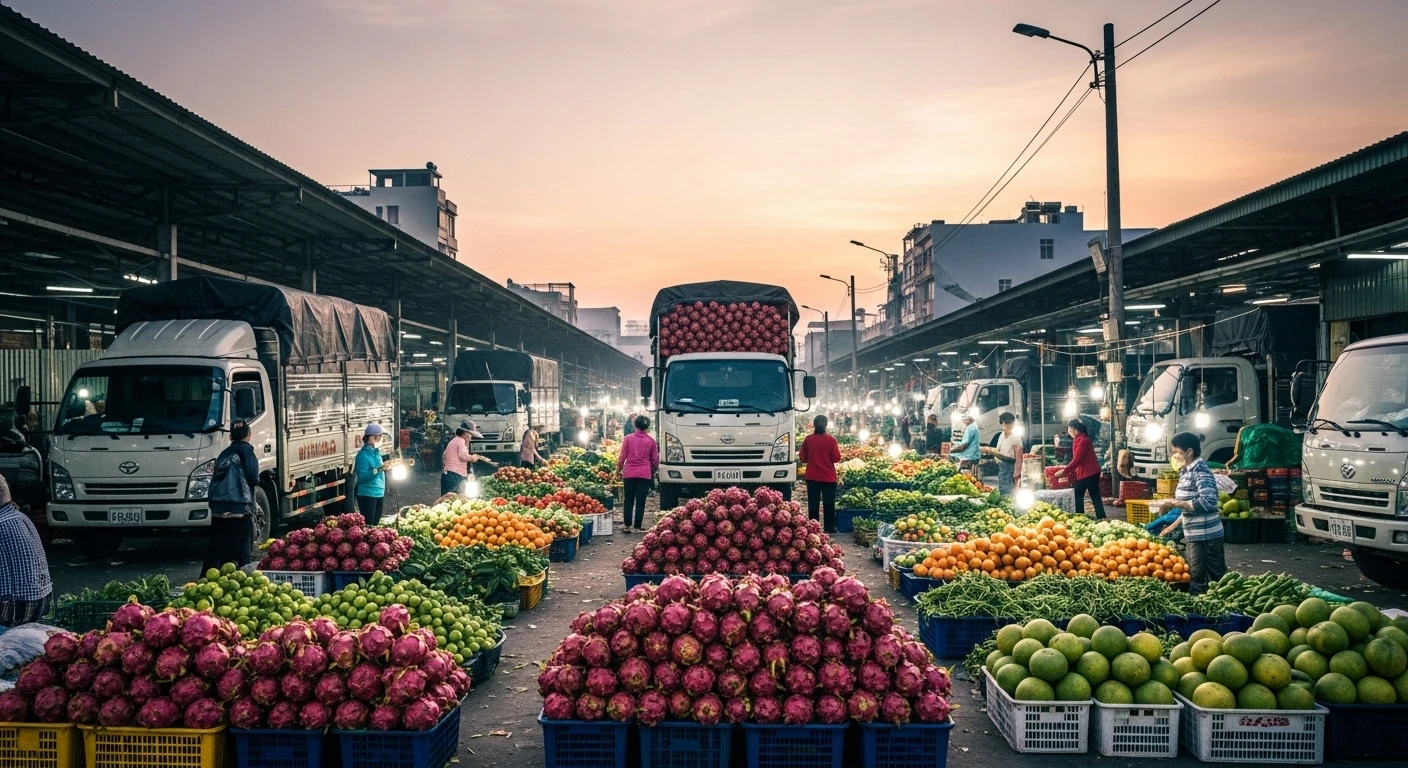
To truly grasp Hanoi, you must experience Long Bien before the sun even thinks about rising. It's a sensory overload, a symphony of organized chaos that will assault your senses and ignite your photographer's eye. This is the Vietnam you came to see: raw, authentic, and utterly unforgettable.
Navigating the Maze: A Dance of Survival (and Great Photos)
Forget personal space. The moment you step into Long Bien, you become part of the river. The air is thick with the mingled scents of ripe mangoes, pungent durian, fresh herbs, and the exhaust fumes of countless trucks. The ground is a slick mosaic of fallen leaves, discarded peels, and the occasional puddle of mysterious liquid. Your mission: to see, to photograph, and to not get run over.
You'll be weaving through mountains of dragon fruit, pyramids of fragrant pomelos, and crates overflowing with vibrant green limes. Handcarts piled high with produce are steered by wizened vendors with surprising agility. Scooters zip through impossibly narrow gaps, their riders honking a rhythmic, urgent soundtrack. Your camera becomes an extension of your will, a tool to capture the intense, fleeting moments: the focused glare of a merchant weighing produce, the shared laughter between two women haggling over a basket of chili peppers, the surreal beauty of a truck silhouetted against the burgeoning dawn sky, its cargo glowing under harsh fluorescent lights.
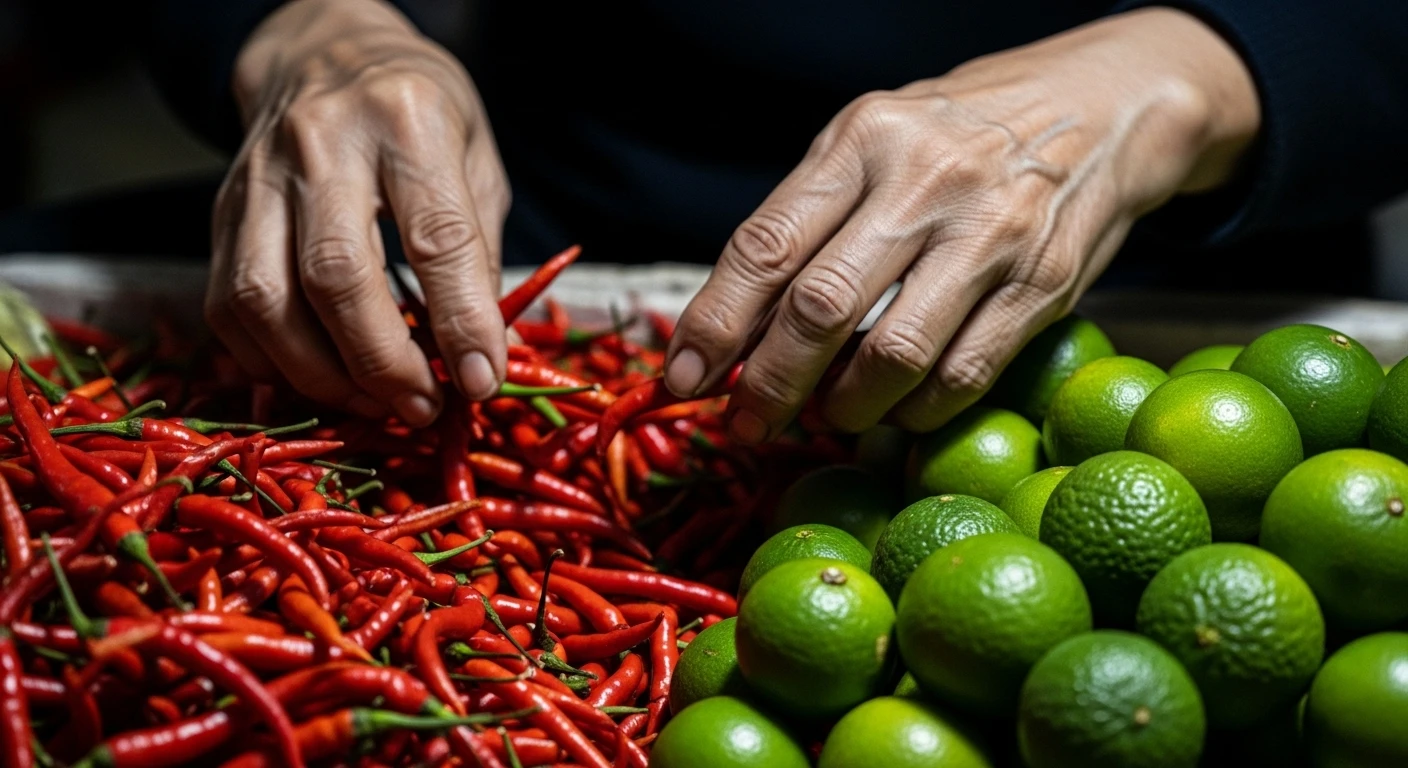
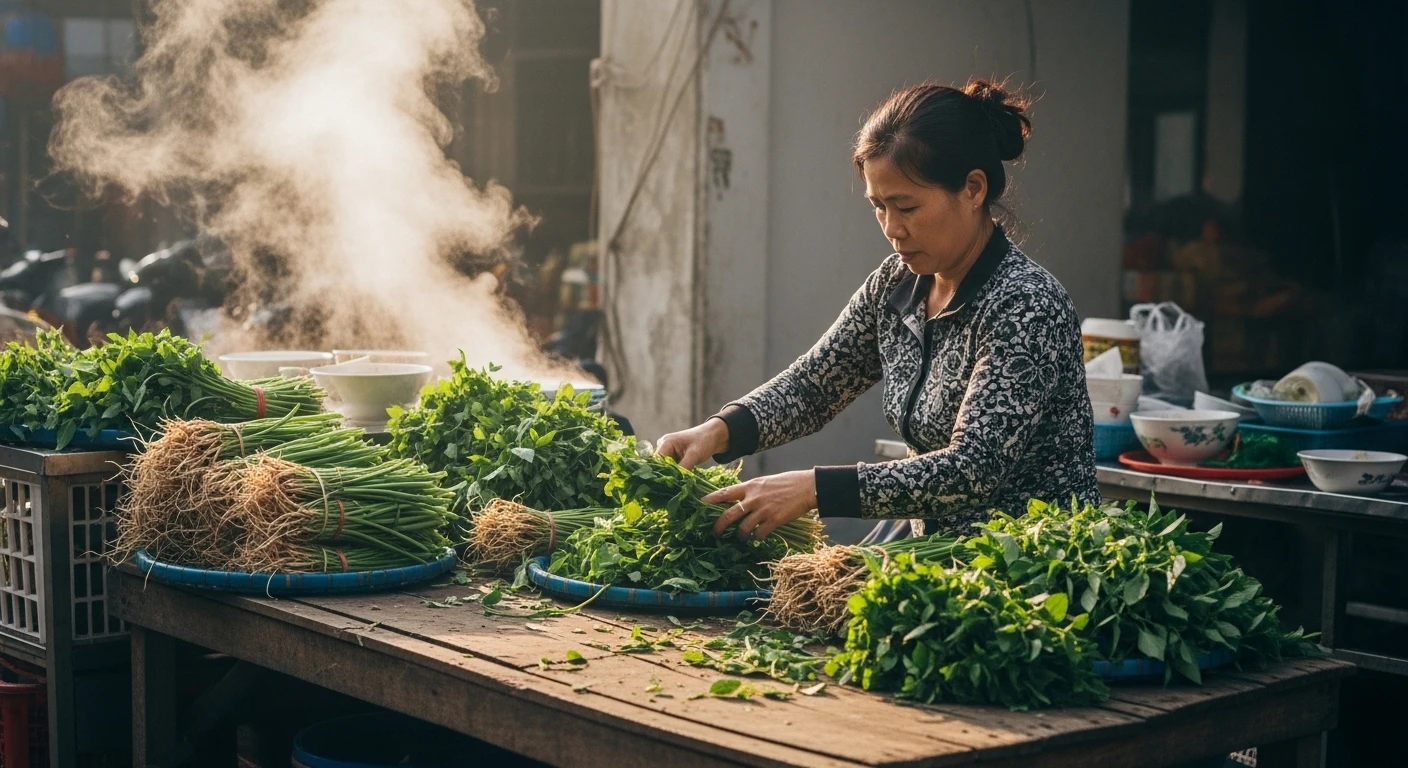
Every corner reveals a new tableau. Piles of exotic mushrooms, buckets of live seafood, mountains of fresh herbs waiting to flavor Hanoi's legendary dishes. It’s a logistical marvel, a testament to human endeavor and the sheer scale of feeding a capital city. For photographers, it's a masterclass in composition, light, and capturing genuine human emotion under pressure.
The Heartbeat of Hanoi's Cuisine: Pho and Beyond
Long Bien is where Hanoi's culinary soul is sourced. The freshest ingredients, the most vibrant flavors – they all pass through this sprawling hub. And for many, the ultimate reward for braving the pre-dawn hours is a steaming, soul-warming bowl of Phở.
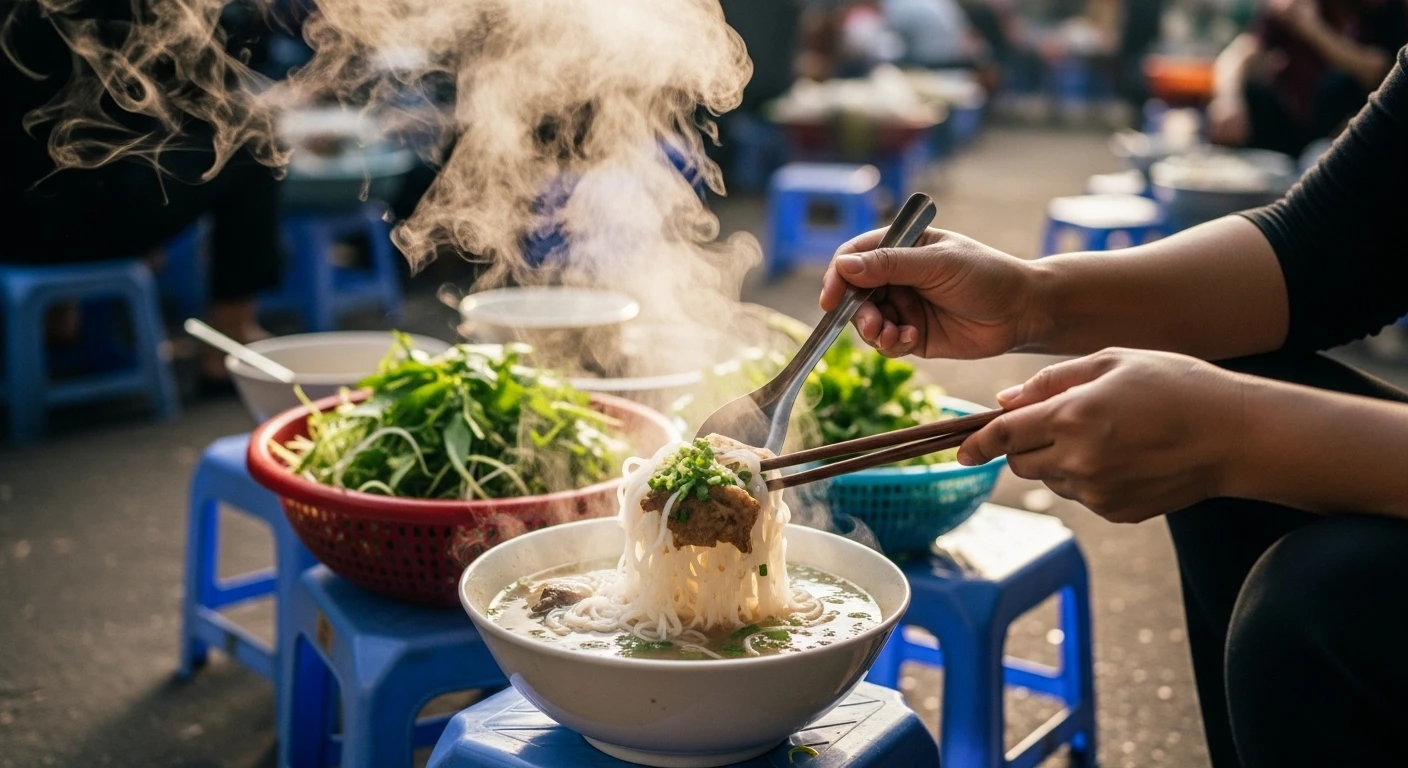
Tucked away in makeshift stalls, often lit by a single bare bulb and filled with the murmur of early risers, are the market's iconic pho vendors. Here, the broth is simmered for hours, the beef is impossibly tender, and the herbs are so fresh they practically sing. It's an experience that transcends mere breakfast; it's a ritual. Sitting on a low plastic stool, slurping noodles as the market activity swirls around you, is to taste Hanoi at its most elemental. This is the fuel that powers the city, the essence of its beloved national dish.
Beyond pho, you’ll find vendors serving up other market staples: Bún chả ingredients fresh off the truck, exotic fruits destined for local kitchens, and even the foundational elements for complex stews and stir-fries. Long Bien isn't just about selling produce; it's about providing the very ingredients that define Vietnamese cooking.
The Mekong Delta Connection: Where It All Begins
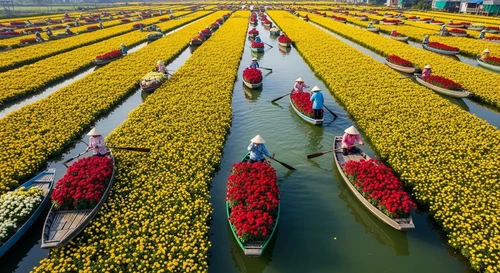
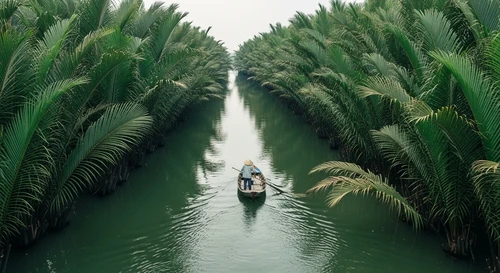
While Long Bien is the vibrant epicenter of Hanoi's daily food life, it's crucial to remember that the journey of much of this produce begins far to the south, in the fertile plains of the Mekong Delta. This vast network of rivers, canals, and mangrove forests is Vietnam's agricultural powerhouse, supplying the nation with a significant portion of its fruits, vegetables, and seafood.
Think of the succulent pineapples, the creamy durian, the fragrant mangoes, and the vast quantities of shrimp and fish that arrive in Hanoi. Much of it has traveled hundreds of kilometers from provinces like Can Tho, Soc Trang, or Ca Mau. The farmers and fishermen of the Delta, working under the tropical sun on their floating farms or coastal salt fields, are the unseen heroes whose bounty fuels markets like Long Bien.
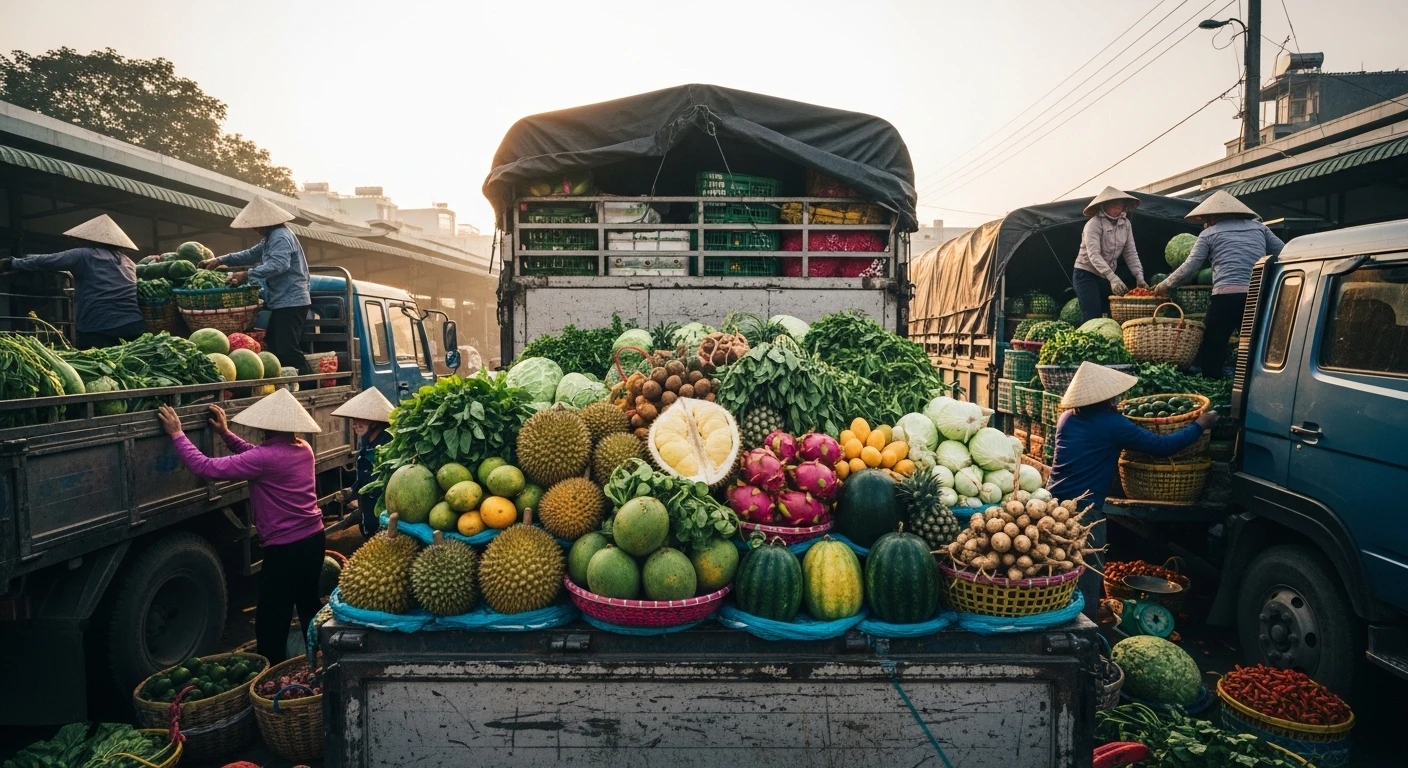
This connection highlights the incredible scale and complexity of Vietnam's food ecosystem. The freshness you taste in a bowl of pho in Hanoi is a direct result of the hard work and rich soil of the Mekong Delta. Understanding this link adds a deeper layer of appreciation for the ingredients that pass through Long Bien, connecting the bustling northern capital to the watery southern heartland.
A Photographer's Paradise: Capturing the Raw Energy
For photographers, Long Bien is a dream. The light is dramatic, constantly shifting from the deep shadows of pre-dawn to the emerging golden hues of sunrise. The human element is everywhere, in the faces of the vendors, the focused intensity of the buyers, and the sheer human effort involved in moving tons of produce.
Look for the details: the textures of the fruit, the condensation on plastic bags, the steam rising from a pho stall, the reflections in puddles, the expressive hands of a farmer arranging his wares. The sheer density of activity provides endless opportunities for compelling compositions. Whether you're a seasoned pro or an enthusiastic amateur, Long Bien offers a chance to capture truly award-winning shots that tell a story of authentic Vietnamese life. Remember to be respectful, ask permission when photographing individuals closely, and let your lens tell the story.
Practicalities: Surviving and Thriving at Long Bien
Visiting Long Bien requires a little preparation. Here’s what you need to know to make the most of your early morning adventure:
- When to Go: The market is most active between 3 AM and 6 AM. Arrive by 3:30 AM to experience the real buzz. It starts to wind down significantly after sunrise (around 7 AM).
- Getting There: Taxis or ride-sharing apps (Grab) are the easiest options from anywhere in Hanoi. Negotiate a price or ensure the meter is running for taxis.
- What to Wear: This is crucial. Wear sturdy, closed-toe shoes that you don't mind getting dirty or wet. Think sturdy sneakers or boots. Avoid sandals or open-toed shoes.
- What to Bring:
- Your camera gear (extra batteries, memory cards!).
- A small, secure bag for your essentials.
- Cash (small denominations are best for purchases).
- A sense of adventure and patience.
- Eating and Drinking: Embrace the local food stalls. Try the pho, coffee, or fresh fruit juices. It’s part of the authentic experience.
- Safety: While Long Bien is generally safe, it’s a busy place. Be aware of your surroundings, keep your valuables secure, and watch out for moving vehicles and carts.
The Southern Echo: Beyond the Northern Hustle
While Long Bien offers a spectacular glimpse into Hanoi's daily life, it's worth remembering that similar vibrant, chaotic markets thrive across Vietnam, each with its own regional flavor. The markets of the Mekong Delta, for instance, have a unique aquatic charm.
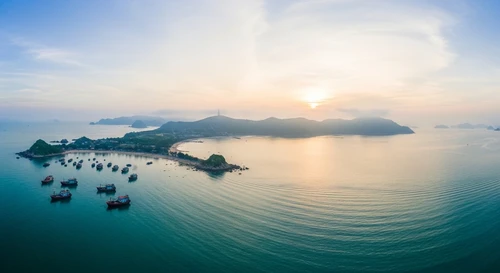
Consider the floating markets, where the commerce happens on the water, with vendors peddling their wares from small boats. Or coastal fishing villages where the night's catch is auctioned off on the beach as dawn breaks. For example, Mui Ne Fishing Village at Dawn presents a different, yet equally compelling, scene of early morning maritime trade, filled with the iconic round basket boats and the frantic energy of seafood buyers. These southern counterparts showcase how geography and local livelihoods shape the rhythm of market life, offering a distinct, yet equally authentic, perspective on Vietnam's enduring connection to its land and waters.
Culture in Every Basket: More Than Just Produce
Long Bien is more than just a place to buy and sell goods; it's a cultural institution. It's where generations have learned the art of trade, where family businesses are passed down, and where the community comes together to sustain itself. The vendors' weathered faces tell stories of resilience, their sharp bargaining skills a reflection of a life lived in close proximity to the elements and the market's demands.
The traditions here are deeply ingrained. The way produce is piled, the specific tools used for weighing and packaging, the familiar greetings exchanged between regulars – it all forms a complex, unspoken language. For the visitor, it's an immersive lesson in Vietnamese pragmatism, community spirit, and the sheer dedication required to keep a city fed. It’s a living museum of commerce and culture, operating at full throttle before the rest of the world has even had its first cup of coffee.
The Sweet Reward: A Morning Pho to Seal the Deal
After the sensory onslaught, after the photographic triumphs and the near-misses with speeding scooters, comes the ultimate payoff: breakfast. Finding a small, unassuming stall within the market's fringes, you'll be served a bowl of pho that tastes like the very essence of Hanoi. The broth, rich and fragrant with star anise and cinnamon, is unlike anything you’ve had before. The noodles are perfectly tender, the slices of beef meltingly soft.
Pair it with a strong, sweet Vietnamese iced coffee (cà phê sữa đá) or a delicate, fragrant tea. As you sit there, the market's energy a tangible force around you, you’ll understand why so many are drawn to this pre-dawn pilgrimage. It's an experience that connects you to the heart of the city, a delicious reward for venturing out when most are still dreaming. This isn't just breakfast; it's the culmination of your adventure into Hanoi's raw, vibrant soul.
Leaving the Dawn
As the sun climbs higher, casting its golden light over the Red River, Long Bien transforms. The frantic energy begins to subside, replaced by the routines of morning. But the imprint of that pre-dawn chaos, the unforgettable sights, sounds, and tastes, will stay with you. You’ve witnessed the engine room of Hanoi, a place of unvarnished reality and profound cultural significance.
If you’ve been captivated by the sheer visual spectacle of Vietnamese tradition and artistry, consider venturing beyond the markets to explore other facets of Hanoi's rich cultural tapestry. The nearby Quang Phu Cau Incense Village, for instance, offers an equally astonishing, though entirely different, visual feast with its crimson seas of incense sticks drying in the sun – a photographer's dreamscape that echoes the dedication and scale of Long Bien's daily operations.
Long Bien is not for the faint of heart, but for those seeking an authentic, unfiltered experience of Vietnam, there is no better place to start your day. It's a raw, beautiful, and utterly essential glimpse into the soul of Hanoi.