Stepping into Another Saigon: The Allure of Cho Lon
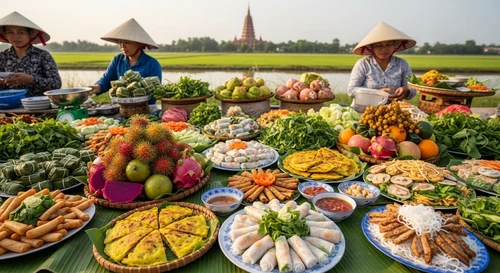
Forget the sleek skyscrapers and bustling financial districts for a moment. To truly understand Saigon, you must venture into its pulsating, ancient heart: Cho Lon, District 5. This isn't just a neighborhood; it's a city within a city, a vibrant enclave where the scents of incense, exotic spices, and roasting meats mingle with the chatter of a community that has preserved its Chinese heritage for centuries. It’s a place where tradition isn't just remembered; it’s lived, breathed, and served up on a plate.
For the uninitiated, Cho Lon (meaning "Big Market" in Vietnamese) can be an overwhelming sensory experience. Yet, it’s precisely this intensity that draws us in. It's a journey back in time, a kaleidoscope of colors, sounds, and tastes that offer a profound glimpse into Vietnam's layered history and diverse cultural tapestry. Here, the spirit of ancient China meets the dynamism of modern Saigon, creating a truly unique urban landscape.
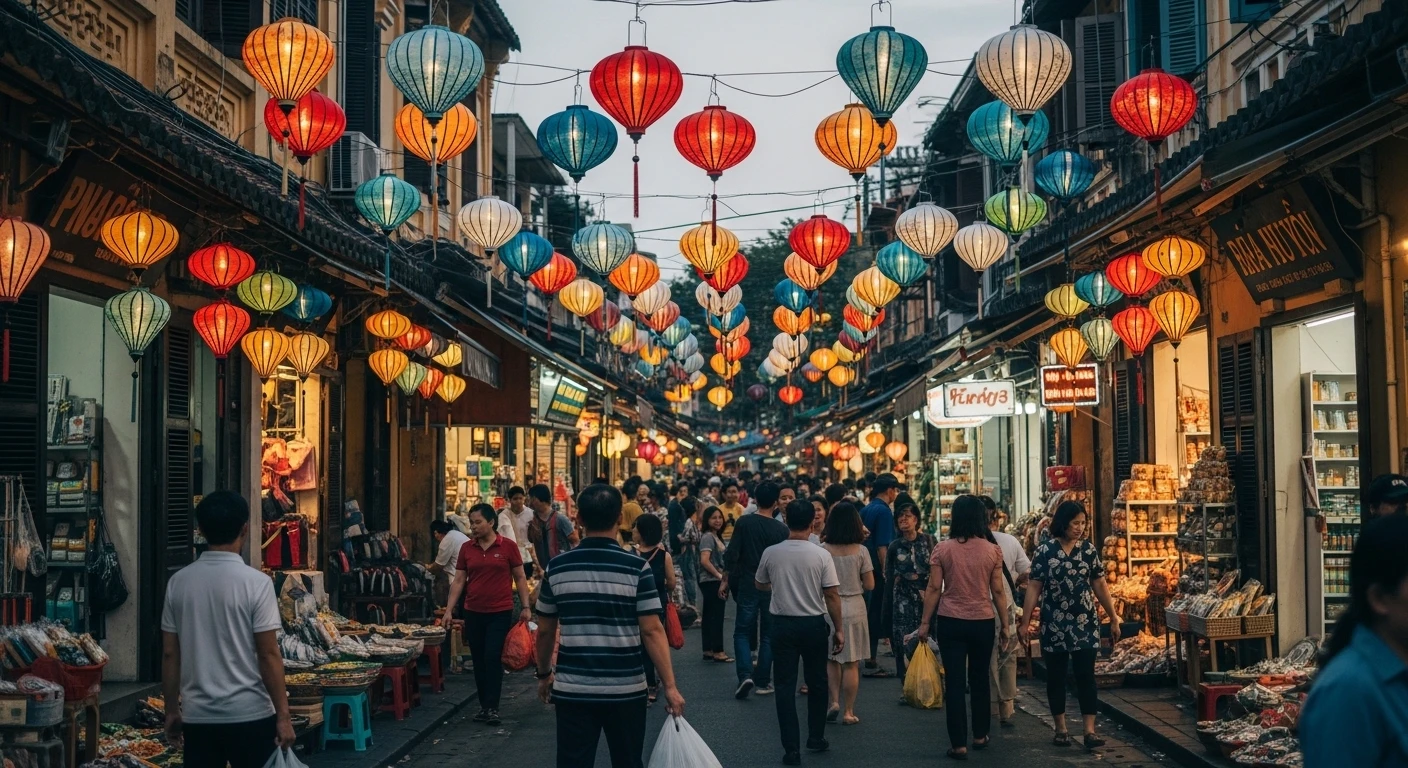
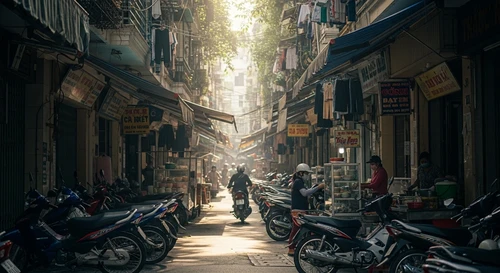
The vibrant street life of Cho Lon, alive with color and commerce.
Where Incense Meets the Sky: Temples and Sacred Spaces
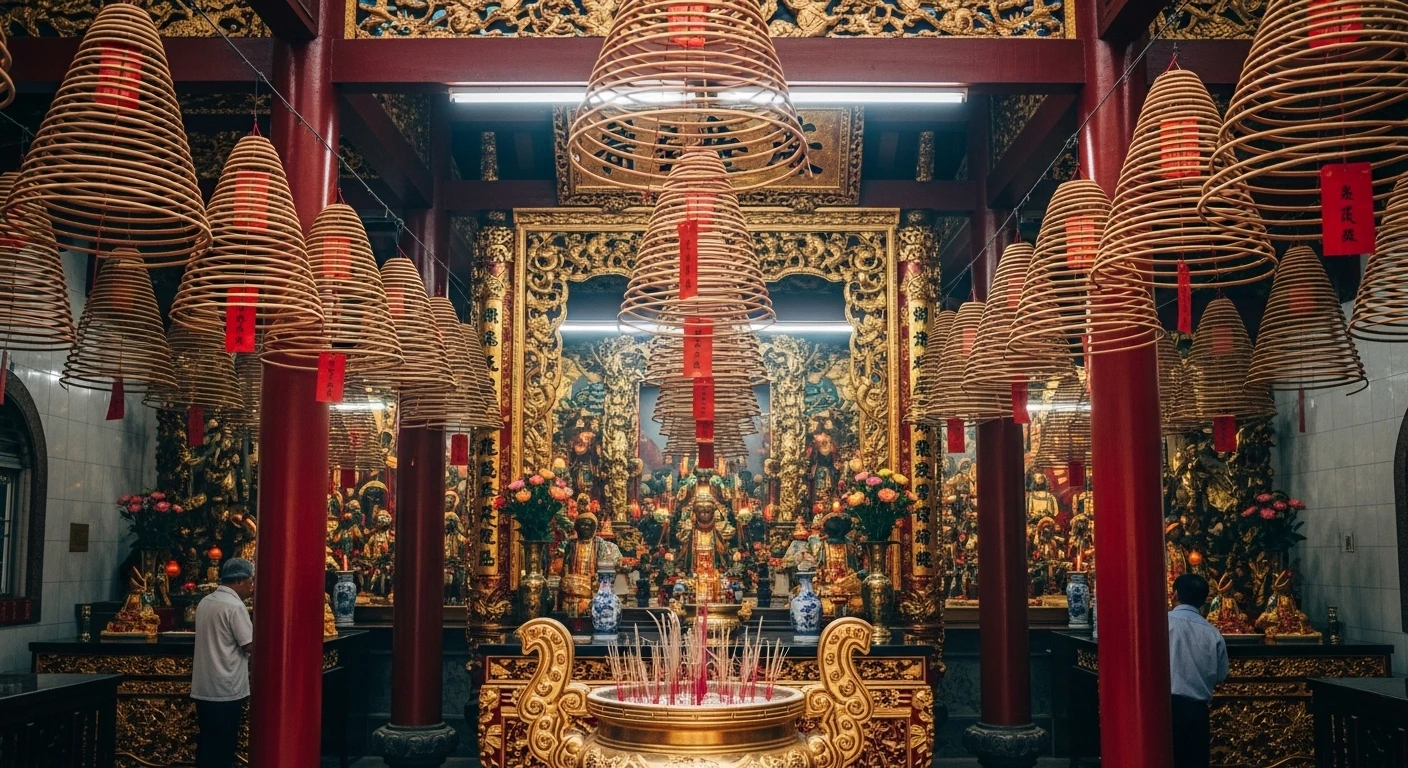
As you wander deeper into Cho Lon, the air grows thick with the sweet, woody perfume of burning incense. This is the aroma of devotion, emanating from the district's numerous atmospheric Taoist temples and pagodas. These aren't mere tourist attractions; they are active places of worship, where locals come to seek blessings, offer prayers, and connect with their ancestors.
Take, for instance, the Thien Hau Temple (or Ba Thien Hau), dedicated to the Goddess of the Sea. Its ornate roofs, adorned with intricate ceramic dragons and phoenixes, are a feast for the eyes. Inside, swirling coils of incense hang from the ceiling, casting a soft glow on crimson walls, golden altars, and statues of deities. The palpable sense of history and spirituality is profound. Similarly, the Nghia An Hoi Quan Pagoda, with its vibrant murals and intricate carvings, offers another window into the spiritual heart of the community.
These sacred spaces are sanctuaries of peace amidst the urban bustle. They invite quiet contemplation, offering a sensory experience that’s both visually stunning and deeply spiritual. The rituals, the devotion, and the sheer beauty of these temples are a cornerstone of Cho Lon's cultural identity.
A Rainbow of Light: Luong Nhu Hoc Lantern Street
If there’s one street that encapsulates the visual magic of Cho Lon, it’s Luong Nhu Hoc. By day, it’s a bustling marketplace. But as dusk approaches, and especially leading up to Lunar New Year, it transforms into a breathtaking spectacle. This is Saigon's unofficial lantern district, a place where shops overflow with a dazzling array of silk, paper, and plastic lanterns in every imaginable color and size.
Walking down Luong Nhu Hoc is like stepping into a dream. The air shimmers with light, casting vibrant hues onto the street and its shoppers. You'll find traditional spherical lanterns, intricate animal shapes, and modern designs, all waiting to be taken home to illuminate homes and businesses. It’s a photographer's paradise and a shopper's delight. Even if you're not buying, the sheer visual spectacle is unforgettable. It's a testament to the district's enduring Chinese festive spirit.
This street is more than just a shopping destination; it’s a vibrant cultural hub that comes alive with a unique energy, particularly during festival seasons. It’s a place where traditions are brightly illuminated for all to see.
The Roar of the Duck: Legendary Flavors of Cho Lon
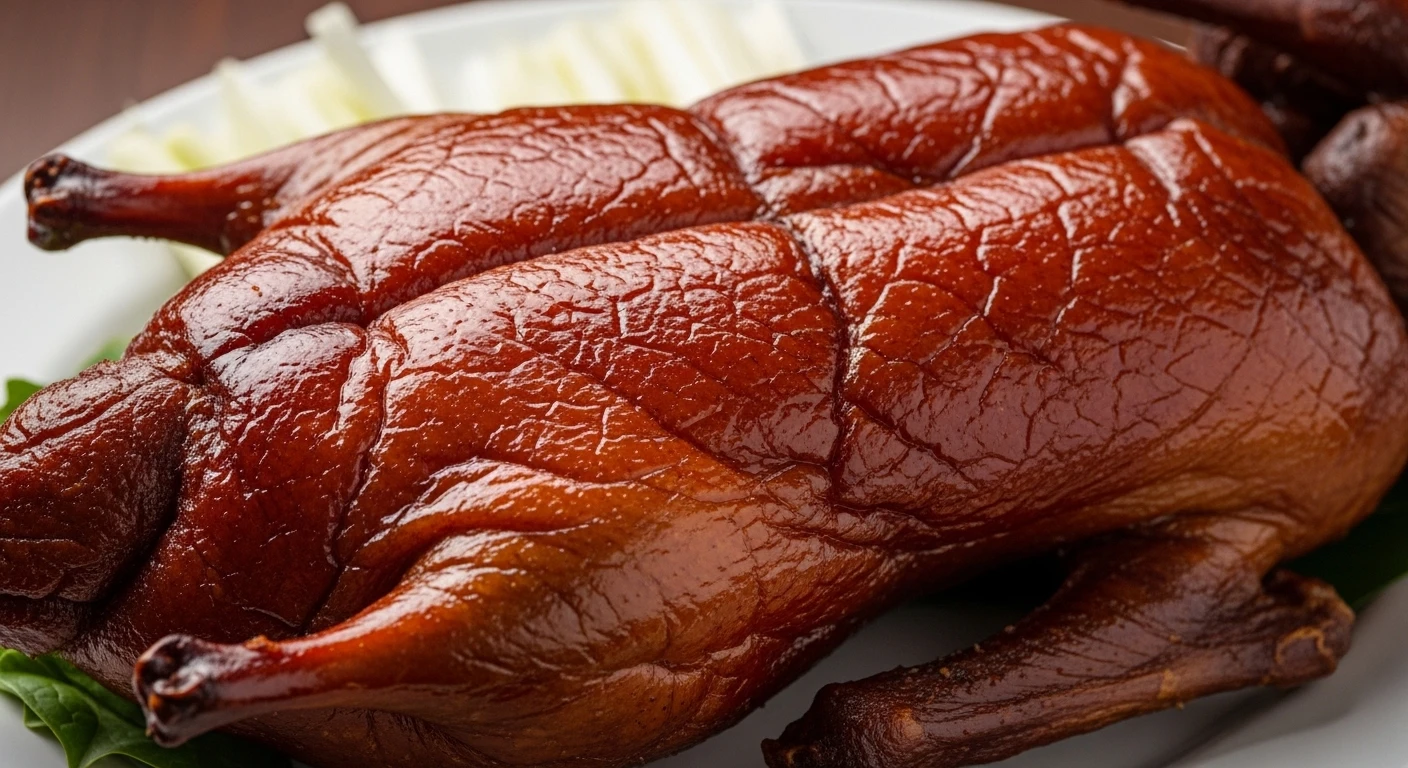
No exploration of Cho Lon would be complete without delving into its legendary culinary scene. The district is a gastronomic wonderland, a place where Chinese culinary traditions have been honed and perfected over generations. And at the pinnacle of this edible empire sits the revered Peking duck.
While you can find excellent roast duck across Vietnam, Cho Lon offers a concentration of establishments that have elevated this dish to an art form. Picture this: a duck, roasted to a mahogany perfection, its skin impossibly crisp, crackling with every touch, its flesh succulent and infused with a complex blend of spices – often a secret family recipe passed down through decades. The accompanying hoisin sauce, thin pancakes, and fresh scallions complete the sensory masterpiece.
But Cho Lon’s culinary heart beats for more than just duck. Explore its side streets and markets, and you'll discover a universe of dim sum, steaming bowls of noodle soup (like Hu Tieu, a Southern Chinese-Vietnamese staple), savory stir-fries, and delicate sweets. Each bite tells a story of migration, adaptation, and culinary mastery. Don't be afraid to venture into the smaller eateries; often, the most authentic flavors are found away from the main thoroughfares.
A Deeper Dive: Markets and Medicinal Roots
Cho Lon's culinary richness extends into its vibrant markets. The **Binh Tay Market** is a behemoth, a sprawling complex where you can find everything from fresh produce and exotic fruits to dried seafood, spices, and medicinal herbs. It’s a place where the pulse of the district is most palpable.
One of the most fascinating aspects of Cho Lon is its strong connection to traditional Chinese medicine. Many streets and market stalls are dedicated to pharmacists who dispense potent concoctions derived from herbs, roots, and animal parts. While this might seem exotic, it’s a deeply ingrained part of the community’s health and wellness practices, offering a unique insight into a holistic approach to well-being. Even if you don't purchase anything, observing these practices is a cultural education in itself.
The sensory overload of the markets, the aromas of medicinal herbs, and the sheer abundance of ingredients offer a fascinating counterpoint to the prepared dishes. It highlights the origin of the flavors that make Cho Lon so renowned.
Navigating the Maze: Tips for the Urban Explorer
Cho Lon can be a labyrinth, but with a little preparation, you can unlock its treasures.
- Best Time to Visit: Mornings and evenings are when the district is most alive. Weekends are vibrant but can be crowded.
- Getting Around: Taxis and ride-hailing apps (like Grab) are plentiful and relatively inexpensive. Walking is essential for soaking in the atmosphere, but the district is vast, so use transport to cover larger distances.
- Food Etiquette: Embrace the local style. Sharing dishes is common. Don't be afraid to try street food from busy vendors – it's usually a sign of quality and freshness.
- Language: While many vendors in tourist areas speak some English, learning a few basic Vietnamese or Cantonese phrases can go a long way in fostering connection.
- Be Prepared to Explore: The best finds are often down narrow alleys. Be curious and don't be afraid to wander.
Echoes of History: Cho Lon's Enduring Legacy
Cho Lon's history is deeply intertwined with the story of Saigon itself. Established in the late 18th century by Chinese migrants fleeing internal conflict, it quickly grew into a prosperous trading hub, earning its nickname "Big Market." This rich history is evident in its architecture, its community structures, and its enduring cultural practices.
The French colonial era saw further development, with grander buildings interspersed among the traditional Chinese architecture, creating a unique architectural blend that still defines parts of the district. Understanding this historical context enriches the experience; it’s not just about sights and tastes, but about appreciating the layers of influence that have shaped this dynamic community.

Cho Lon: Getting Lost in Saigon's Historic Chinatown
Smells of roasted duck, clouds of temple incense, and streets dedicated entirely to traditional Chinese medicine. Step back in time in the bustling heart of District 5.
Beyond the Big Market: Other Saigon Gems
While Cho Lon is a must-visit, Saigon offers a spectrum of experiences that reveal its multifaceted character. From the echoes of conflict to the elegance of colonial architecture, each district tells a part of the city's grand narrative.

War Remnants Museum: A Brutal, Necessary Saigon Visit
From captured tanks and fighter jets to harrowing photo exhibitions of Agent Orange victims. A deeply emotional, unapologetic look at the Vietnam War from the Vietnamese perspective.
Understanding the city's past, whether through the sobering exhibits of the War Remnants Museum or the architectural grandeur of the Central Post Office, provides crucial context for the vibrant present-day metropolis. These sites, while different in tone from Cho Lon, are integral to the Saigon experience.
More Than a Market, It's a Feeling
Cho Lon is more than just a collection of temples, lanterns, and food stalls. It's an immersion into a community's living heritage, a place where tradition and modernity dance in a vibrant, ongoing spectacle. It’s the scent of incense drifting from ancient temples, the dazzling glow of silk lanterns on a moonlit night, and the unforgettable taste of roast duck that has been perfected over generations.
For the traveler seeking authenticity, Cho Lon offers an unparalleled experience. It's a reminder that the true soul of a city often lies not in its grand monuments, but in its bustling marketplaces, its quiet sacred spaces, and the enduring spirit of its people. Come, wander, taste, and let the magic of Saigon's Chinatown captivate you.