Beneath the Surface: A Village Forged in War
Vietnam is a land scarred by conflict, yet brimming with an indomitable spirit of resilience. Nowhere is this paradox more palpable than along the historic Demilitarized Zone (DMZ) in Quang Tri province. Here, carved into the very earth, lies a testament to human ingenuity and survival: the Vinh Moc tunnels. This isn't just a military relic; it was a functioning village, a subterranean world where an entire community lived, worked, and even gave birth, all while enduring relentless American bombings during the Vietnam War.
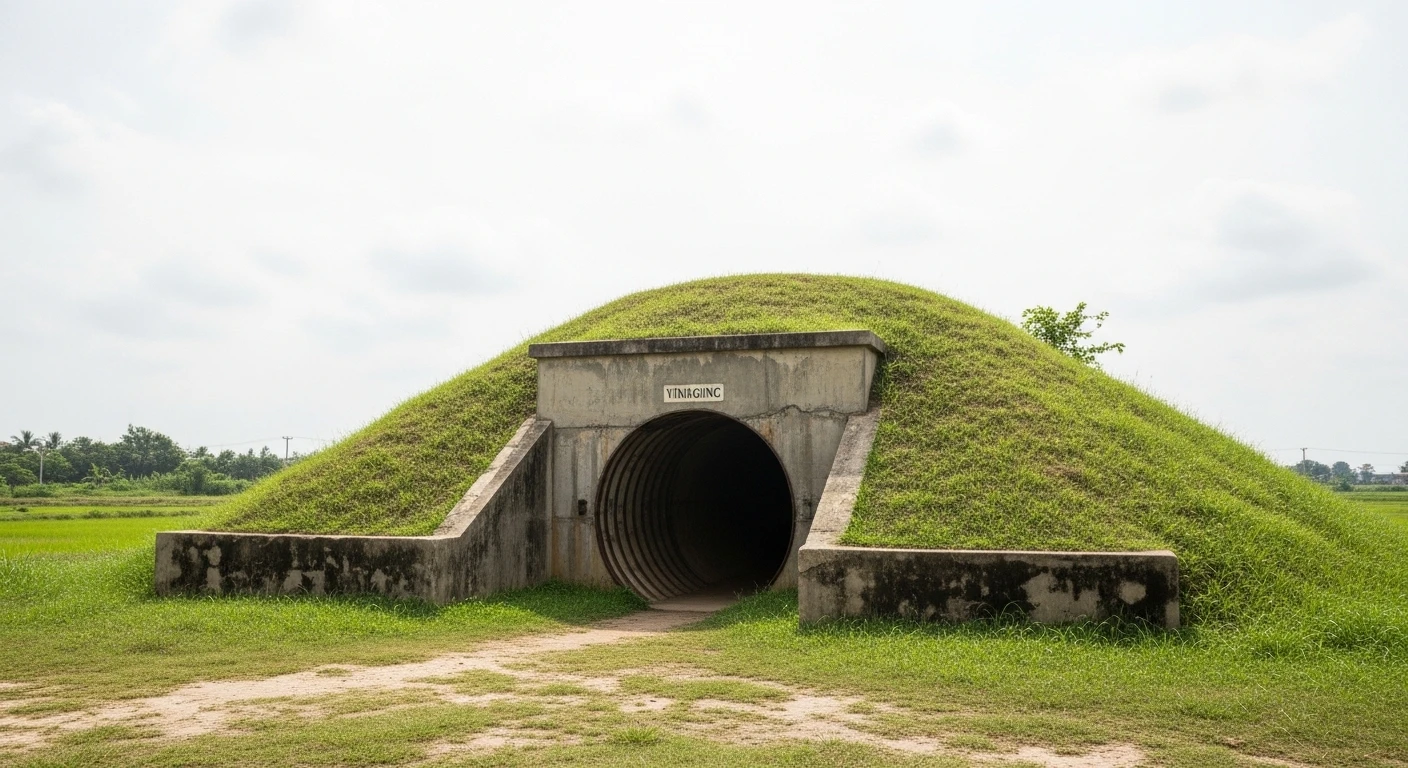
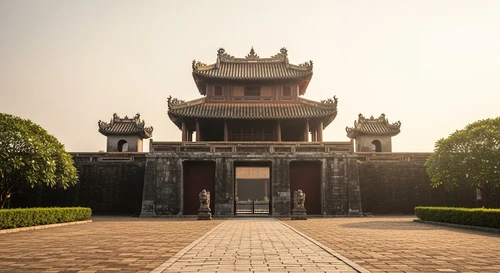
The humble, fortified entrance to the Vinh Moc tunnels, a gateway to a hidden world.
Venturing into these tunnels is not for the faint of heart. It’s a journey into the cramped, dark reality of a people determined to survive against impossible odds. But it is, without question, one of the most profoundly educational and moving experiences you can have in Central Vietnam.
The 17th Parallel: A Line Drawn in the Sand
Vinh Moc lies near the coast of Quang Tri province, a region that bore the brunt of the war. Historically, Quang Tri was a strategically vital area, often a buffer zone or contested territory. During the Vietnam War, it became the epicenter of the conflict when the 17th parallel was designated as the dividing line between North and South Vietnam. This small strip of land became a highly militarized zone, a front line where fierce battles raged.
The village of Vinh Moc itself was situated directly on the North Vietnamese side of the DMZ. This proximity made it a target for U.S. bombing campaigns aimed at disrupting supply lines and eliminating enemy strongholds. The sheer intensity of the bombing meant that surface life was virtually impossible. It was this brutal reality that forced the villagers to seek refuge not just in temporary shelters, but in a permanent, subterranean existence.
A Subterranean Village: Ingenuity Beneath the Bombs
The construction of the Vinh Moc tunnels is a feat of remarkable engineering and sheer willpower. Beginning in 1966 and completed in 1971, the tunnels were dug by the villagers themselves, working in shifts under constant threat. They weren't just simple tunnels; they evolved into a complex, multi-level network designed to sustain a community.
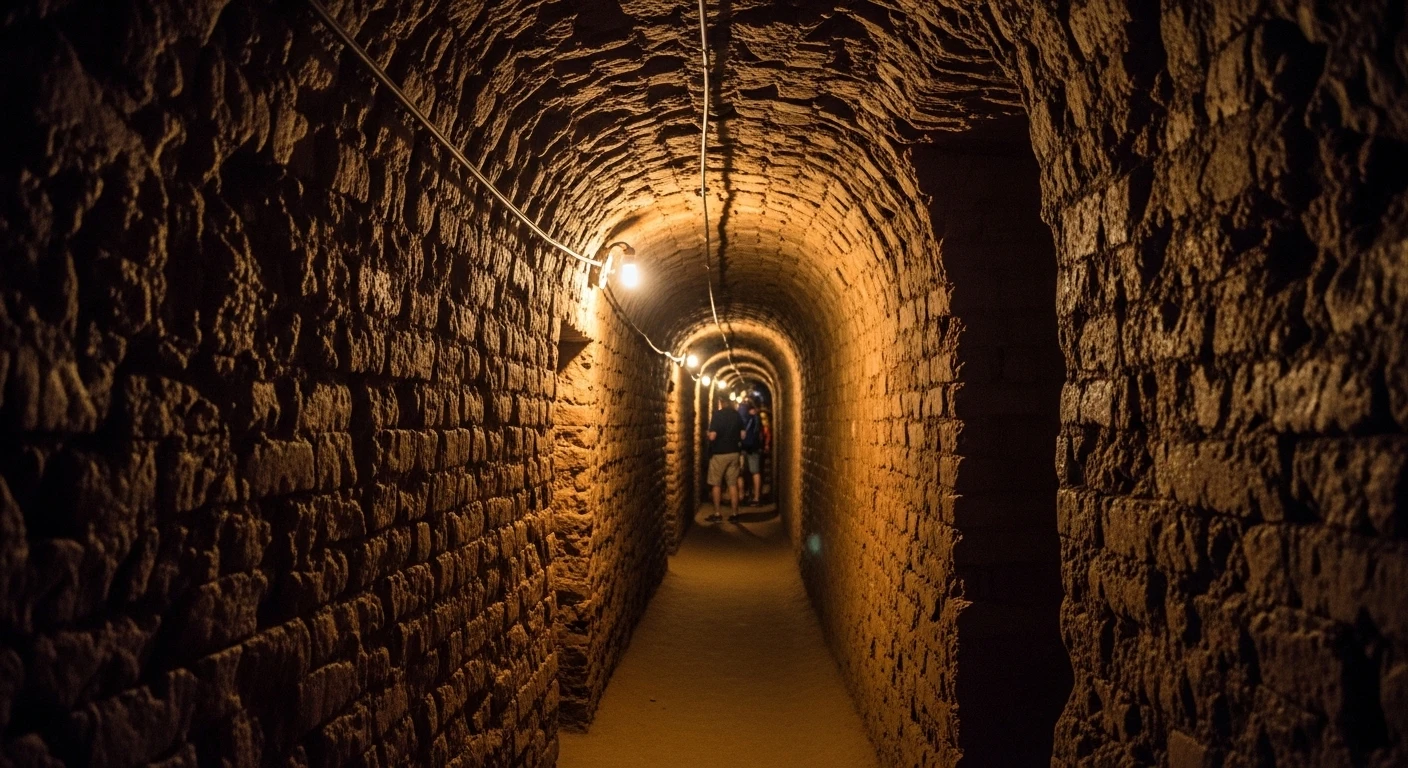
The main tunnel reached a depth of approximately 23 meters (75 feet). It featured multiple interconnected shafts, each serving a specific purpose. There were wells for water, living quarters, storage areas, a meeting hall, and even a clinic. The earth excavated was used to camouflage the entrances and to reinforce the tunnel walls, turning ordinary soil into a protective shield. The entrances were strategically designed to be small and discreet, often hidden within mounds or under foliage, making them difficult for aerial reconnaissance to spot.
This underground network allowed life to continue almost as normal. Children went to school, food was prepared, and families slept, all while bombs rained down above. It’s estimated that the tunnels could accommodate up to 60 families at a time, or over 250 people. The sheer scale of this subterranean village is staggering.
Daily Life in the Earth: Births, Deaths, and Daily Bread
The stories emerging from Vinh Moc are incredibly poignant. Over 17 months of intense bombing, the village endured an estimated 2,000 bombings, yet not a single villager lost their life within the tunnels. This extraordinary survival rate is a testament to the efficacy of their underground haven.
Beyond mere survival, life went on. Women gave birth in the relative safety of the tunnels – it’s said that over 17 children were born within this subterranean sanctuary. Imagine the scene: the dim light of oil lamps illuminating a new life entering the world, while the earth trembled from explosions just meters away. This juxtaposition of life and death, of birth and destruction, is a core theme of the Vinh Moc experience.
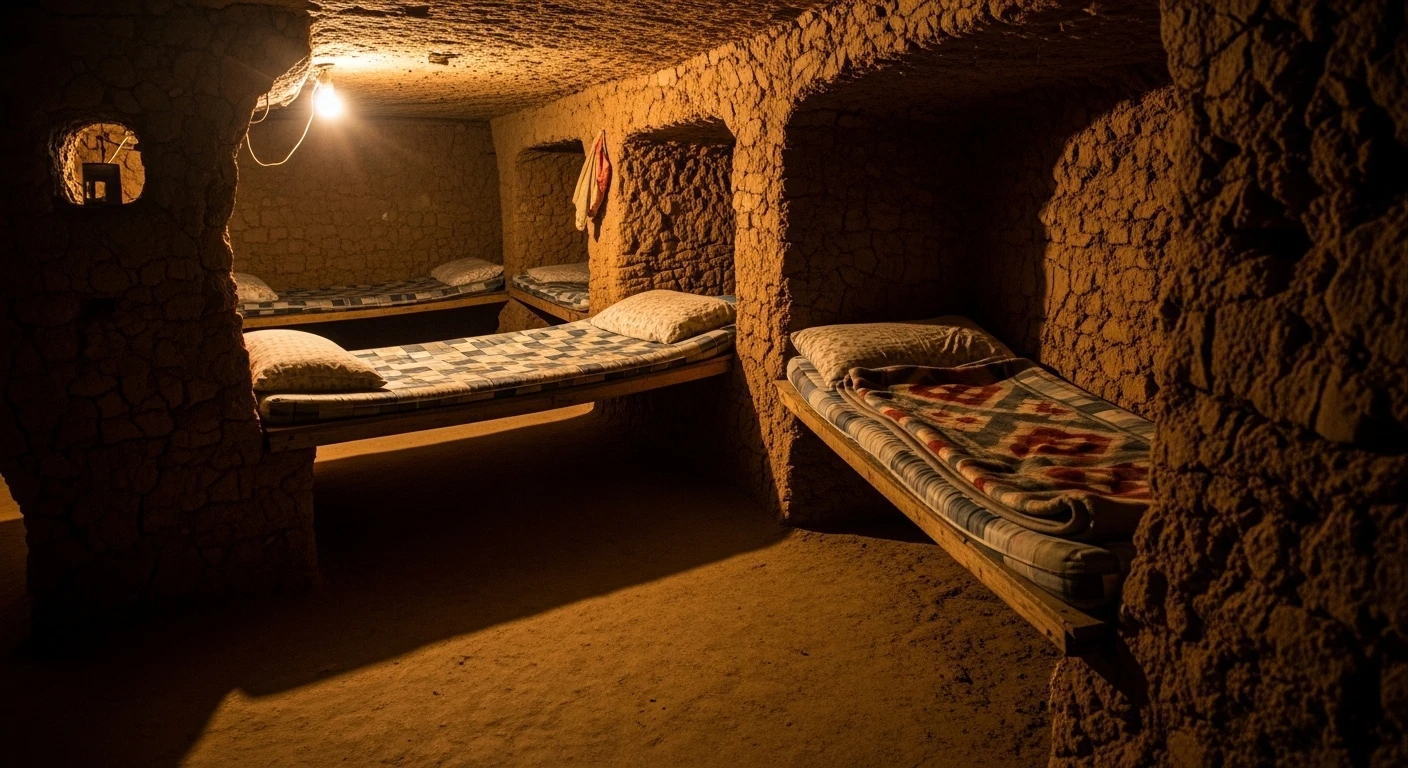
Food was grown in nearby fields during lulls in the bombing, and water was drawn from wells within the tunnels. The community relied on each other, a tight-knit unit sharing scarce resources and enduring the psychological toll of constant confinement and danger. They were farmers, mothers, fathers, and children, living a life dictated by the rumble of artillery and the fear of the skies.
Beyond the Tunnels: Understanding the DMZ Landscape
A visit to Vinh Moc is often part of a larger tour of the DMZ, which stretches across Quang Tri province. This area is littered with reminders of the war’s ferocity. Nearby sites like the Hien Luong Bridge, which historically divided North and South Vietnam, and the Con Co Island (The Rockpile), a U.S. military outpost, offer further context to the brutal conflict that defined this region.
Exploring the DMZ requires a sober reflection on the human cost of war. The landscapes, once battlegrounds, are now often surprisingly serene, dotted with farms and small villages. Yet, the scars remain – unexploded ordnance (UXO) is still a significant danger, and the ghostly remnants of military fortifications serve as stark reminders.
Explore Further into the DMZ's Past
For those delving into the military history of the DMZ, the Khe Sanh Combat Base offers a harrowing glimpse into one of the war's most brutal sieges.
Walking Through History: The Visitor Experience
Today, the Vinh Moc tunnels are a preserved historical site, carefully managed to allow visitors a glimpse into the past. While the original tunnels are still accessible, some have been enlarged to accommodate tourists. You'll be guided through the network, with knowledgeable guides sharing stories of life underground.
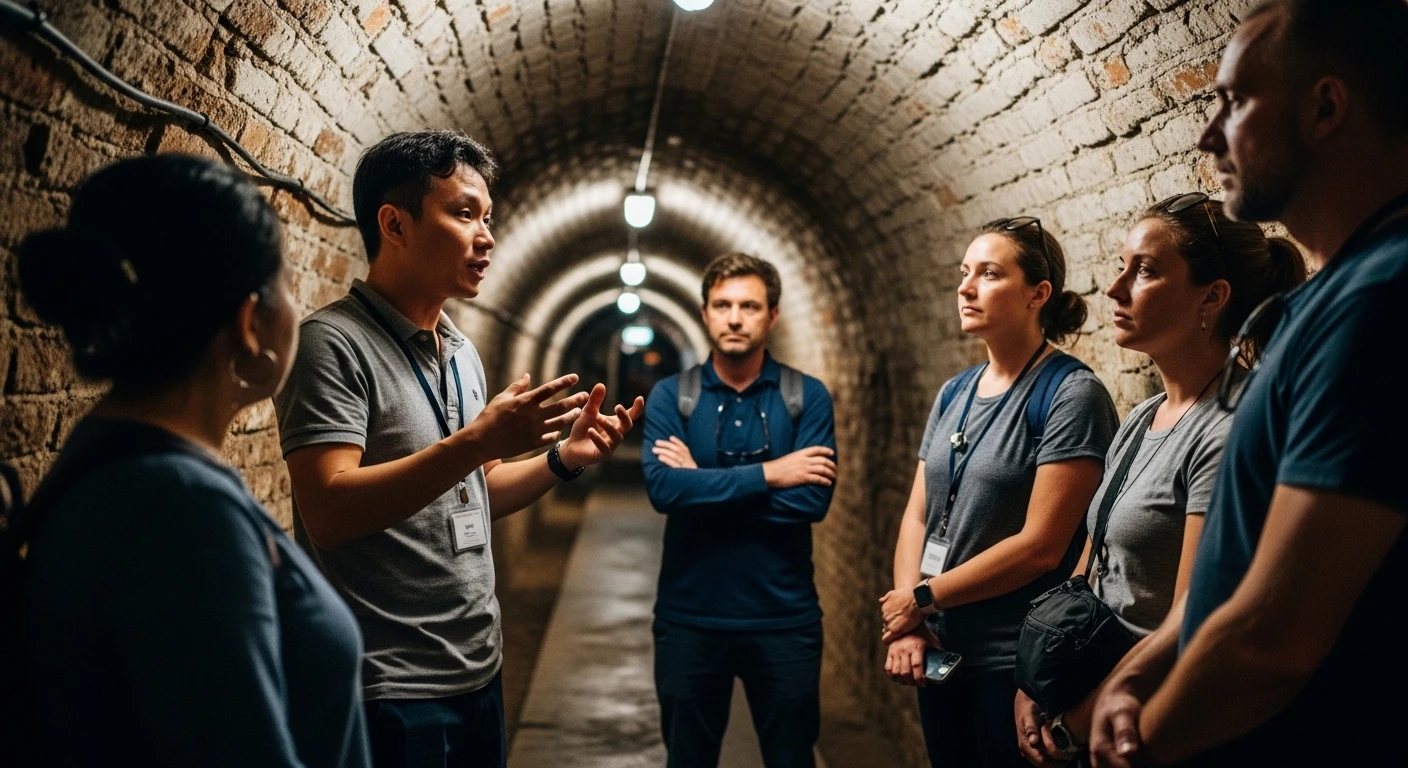
Expect the air to be cool and damp, the passages narrow, and the experience intensely atmospheric. You can see the sleeping quarters, the meeting hall, and imagine the daily routines. It’s a visceral connection to the past, a far cry from textbook history lessons.
Practical Tips for Visiting:
- Wear comfortable, sturdy shoes: The ground can be uneven and damp.
- Dress for confined spaces: It can be warm and humid underground.
- Be prepared for low light and narrow passages: If you are claustrophobic, this may be challenging.
- Hire a local guide: Their stories and insights are invaluable.
- Combine with other DMZ sites: Vinh Moc is best experienced as part of a broader exploration of the DMZ.
Quang Tri's Culinary Echoes
While the Vinh Moc tunnels themselves are a stark reminder of war, the surrounding Quang Tri province offers a taste of local life. The cuisine here, like much of Central Vietnam, is characterized by its subtle flavors, often with a touch of spice and a reliance on fresh, local ingredients.
One local delicacy often associated with Quang Tri is Banh Bot Loc – small, chewy dumplings made from tapioca starch, usually filled with shrimp and pork, and served with a sweet and savory dipping sauce. It’s a dish that offers a moment of comforting normalcy and flavor after the intense historical experience of the tunnels.
A Taste of Quang Tri
Discover local flavors in Quang Tri, including the distinctive Banh Bot Loc, often enjoyed after a visit to the Vinh Moc Tunnels.
A Somber Education: The Power of Dark Tourism
Vinh Moc tunnels fall squarely into the category of "dark tourism" – travel to sites associated with death, tragedy, and historical suffering. While some might shy away from such destinations, they offer an unparalleled opportunity for education and empathy.
Visiting places like Vinh Moc allows us to bear witness to the resilience of the human spirit. It's a chance to understand the realities of war beyond statistics and news reports. It challenges our perspectives and fosters a deeper appreciation for peace. The stories of the Vinh Moc villagers are not just historical footnotes; they are powerful narratives of courage and perseverance that resonate long after you emerge from the earth.
Other Subterranean Histories
For a broader understanding of wartime underground construction, explore the secrets of the Cu Chi Tunnels near Ho Chi Minh City, or the fascinating Hospital Cave on Cat Ba Island.
A Lasting Impression: The Enduring Spirit of Vinh Moc
Emerging from the cool, damp earth back into the Vietnamese sunshine is a profound moment. You leave the Vinh Moc tunnels not just with photographs, but with a deep sense of respect for the people who called this subterranean world home. Their story is one of survival against all odds, a testament to the extraordinary lengths humanity will go to protect itself and its way of life.
The tunnels stand as a silent, powerful monument to the resilience of the Vietnamese people. They remind us that even in the darkest of times, life finds a way to persist, to adapt, and to thrive. A visit here is more than just a historical stop; it’s an encounter with the enduring strength of the human spirit, etched into the very fabric of the earth.
Planning Your Journey to the DMZ
The Vinh Moc tunnels are a compelling and essential stop for anyone looking to understand the deeper narratives of Vietnam’s tumultuous past. They offer a perspective rarely found in history books, a human story of survival, community, and unwavering resolve.
While the tunnels themselves are the primary draw, the entire DMZ region of Quang Tri province offers a rich, albeit somber, historical journey. If you are traveling through Central Vietnam, make time for this profound experience. It is a place that will undoubtedly leave a lasting impression.
Discover More of Vietnam's History
Uncover more of Vietnam's compelling historical sites and cultural narratives.
Crawling Through History