Beneath the Green Canopy: Entering the Viet Cong's Labyrinth
Just a stone's throw from the bustling, modern metropolis of Saigon (Ho Chi Minh City), a different world lies hidden. The Cu Chi Tunnels are not just a tourist attraction; they are a visceral, raw testament to human ingenuity, resilience, and the brutal realities of war. This subterranean network, stretching over 250 kilometers, was the nerve center of Viet Cong operations in Southern Vietnam during the French and American wars. Today, a visit here offers a sobering, unforgettable glimpse into that history.
Emerging from the relative comfort of an air-conditioned tour bus into the humid, dense jungle of Cu Chi district is the first shift in perception. The air buzzes with insects, the earth feels alive, and the dense foliage offers a deceptive calm. But beneath your feet lies a complex, suffocatingly narrow world that for decades was home, battlefield, and sanctuary for thousands of soldiers.
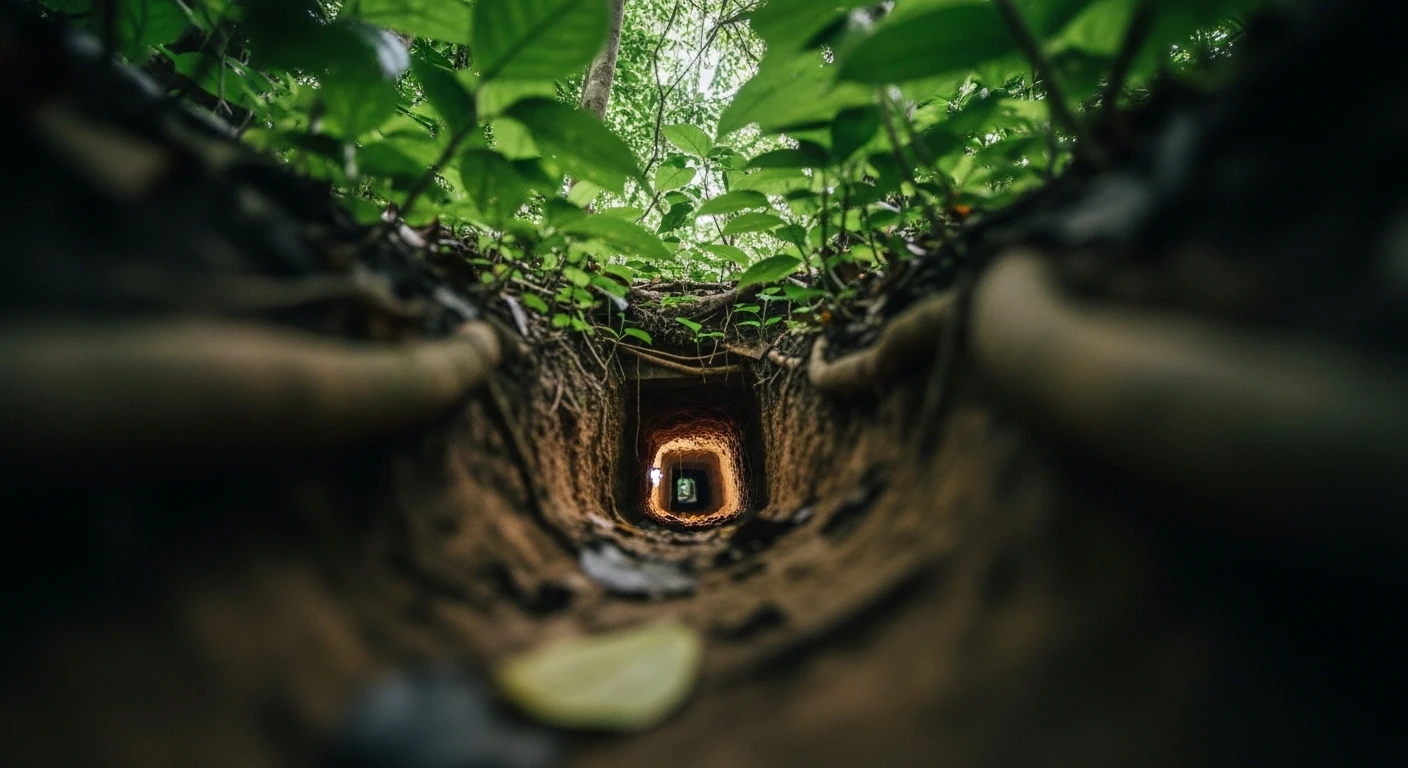
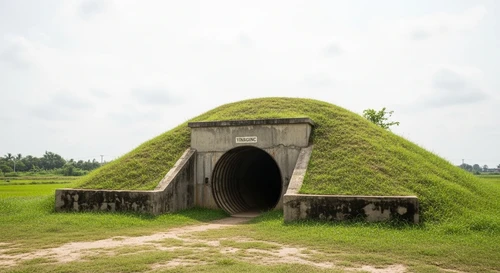
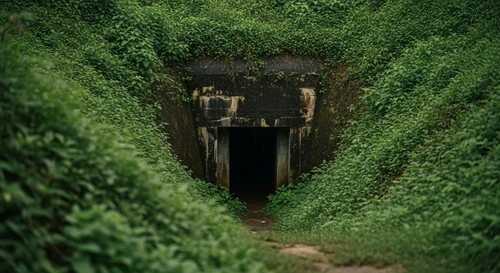
The unassuming entrances to the Cu Chi Tunnels, a gateway to a hidden world.
The Crawl: Embracing the Earth's Tight Embrace
The highlight for many, and the most physically demanding part of the experience, is the chance to crawl through a section of the actual Cu Chi Tunnels. These weren't built for comfort; they were built for survival. The reconstructed sections, widened slightly for tourist access, are still remarkably small. Imagine navigating these passages, often on your belly, in pitch darkness, with only the faint glow of a tour guide's flashlight ahead.
The air is thick, damp, and heavy with the smell of soil. The rough-hewn earth presses in from all sides. It’s an immediate, visceral understanding of the relentless claustrophobia and discomfort these soldiers endured daily. The slightest sound echoes, and the sheer ingenuity of creating living spaces, command centers, hospitals, and even kitchens underground becomes profoundly apparent. This is not a reenactment; it’s a genuine, albeit brief, physical immersion into a past conflict.

Cu Chi Tunnels: Crawling Through the Viet Cong's Underground Fortress
A 250-kilometer network of suffocatingly narrow tunnels where soldiers lived, fought, and survived B-52 bombings. A raw, claustrophobic masterclass in guerrilla warfare.
Read More →The Shooting Range: A Cacophony of Power
Adjacent to the tunnel entrances is a place that offers a stark contrast to the silent, claustrophobic underground: the shooting range. Here, visitors have the opportunity to fire live rounds from various military-grade weapons, including the iconic AK-47.

The experience is loud. Deafeningly so. The recoil is powerful, and the raw sound of the rifle discharging is a stark reminder of the destructive force these weapons represent. While some find it a thrilling novelty, others, especially after the introspection of the tunnels, may find it a more somber experience, a confronting confrontation with the tools of war. It’s a potent sensory overload that leaves an indelible mark.

Cu Chi Tunnels Shooting Range: Firing an AK-47 in the Jungle
After crawling through the claustrophobic Viet Cong tunnels, buy some live ammunition. Experience the deafening, visceral power of firing historic military rifles at the national shooting range.
Read More →The Viet Cong Diet: Tapioca and Resilience
War is not just fought with weapons; it's sustained by grit and sustenance. The Viet Cong, living and fighting underground for extended periods, relied on simple, readily available resources. At Cu Chi, visitors are often offered a taste of this wartime diet: boiled tapioca root dipped in a mixture of crushed peanuts and salt.

It's a far cry from the vibrant street food of Saigon, yet it speaks volumes. The tapioca, starchy and filling, provided necessary calories. The peanut salt offered a critical dose of protein and flavor, essential for morale and physical endurance. Tasting this simple fare, even as a tourist, connects you on a fundamental level to the daily reality of those who called these tunnels home. It’s a culinary footnote that underscores a story of incredible hardship and resourcefulness.
A Network of Ingenuity: The Strategic Importance
The Cu Chi Tunnels were more than just a hideout; they were a sophisticated underground city designed for protracted guerrilla warfare. The Viet Cong, facing a technologically superior enemy, relied on this network for strategic advantage.
The tunnels included ventilation shafts cleverly disguised, complex booby traps, command centers, living quarters, and rudimentary medical facilities. They allowed soldiers to appear and disappear almost at will, launching surprise attacks and then melting back into the earth. The sheer scale of the excavation and the meticulous planning involved are awe-inspiring. Understanding the strategic role of Cu Chi is crucial to grasping the Viet Cong's effective resistance.

Saigon's Secret Weapons Bunker: The Hidden Viet Cong Arsenal in D3
Hidden beneath a completely normal house and trapdoor. Descend into the covert bunker that stored nearly 3 tons of weapons used during the 1968 Tet Offensive.
Read More →Navigating Dark Tourism
A visit to the Cu Chi Tunnels falls squarely into the realm of dark tourism – travel directed towards sites associated with death, tragedy, and the darker side of human history. It's an experience that can be profoundly educational, offering perspective and a deeper understanding of historical events.
However, it's also an experience that requires a mindful approach. The stories told here are of immense suffering, sacrifice, and loss. Engaging with this history respectfully, asking questions, and allowing yourself to feel the weight of the past are all part of a meaningful visit. It’s about learning, not just sightseeing.

War Remnants Museum: A Brutal, Necessary Saigon Visit
From captured tanks and fighter jets to harrowing photo exhibitions of Agent Orange victims. A deeply emotional, unapologetic look at the Vietnam War from the Vietnamese perspective.
Read More →Practicalities for Your Visit
A half-day trip to Cu Chi Tunnels is easily accessible from Ho Chi Minh City. Most tours include transportation, a guide, and the experience of crawling through the tunnels.
- What to Wear: Comfortable, lightweight clothing is essential due to the heat and humidity. Wear sturdy shoes or sandals that can get dirty.
- Stay Hydrated: Bring plenty of water. The combination of heat, humidity, and physical exertion can be draining.
- Be Prepared for Claustrophobia: If you are severely claustrophobic, you may want to skip the tunnel crawl or only venture in for a very short distance.
- Photography: You are generally free to take photos, but be respectful of the site and other visitors.
- Shooting Range: If you plan to shoot, be aware of the costs for ammunition and safety briefings.
Cu Chi's Place in Southern Vietnam's Story
Cu Chi represents a crucial chapter in the history of Southern Vietnam. While Saigon, or Ho Chi Minh City today, is a symbol of modern progress and economic dynamism, the Cu Chi Tunnels stand as a powerful reminder of the sacrifices and strategies that shaped the region's past.
The ingenuity displayed here is deeply rooted in the spirit of the Vietnamese people, particularly those in the Mekong Delta region, who have historically relied on their environment for defense and sustenance. The adaptability, resilience, and deep connection to the land evident in the construction and use of the tunnels resonate with the broader narrative of Vietnamese history, a story of overcoming challenges through cleverness and sheer will.
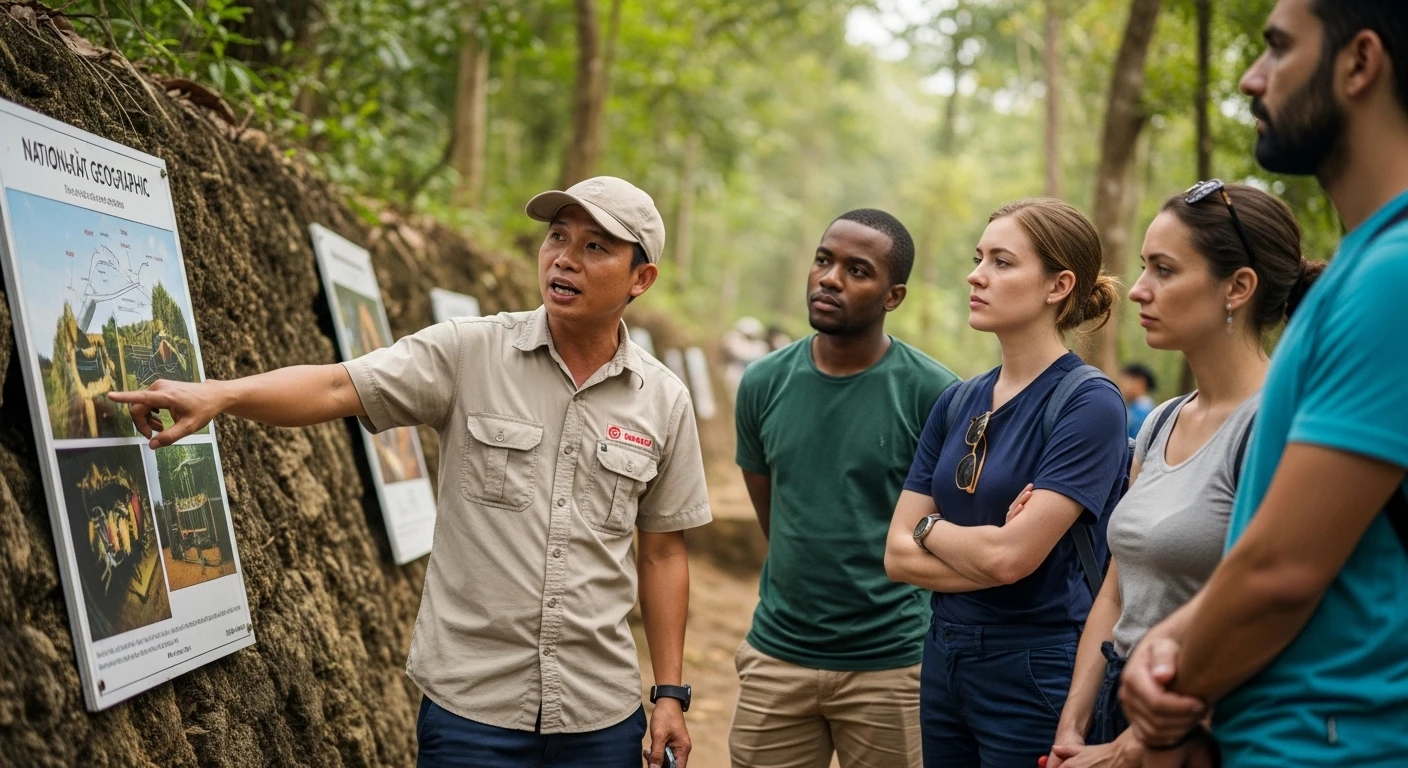
A Legacy of Resilience
The Cu Chi Tunnels serve as a poignant monument to the soldiers who lived, fought, and died in this underground complex. It's a place that demands reflection, offering a stark contrast to the modern, vibrant energy of Ho Chi Minh City.
The lessons learned here – about the human cost of war, the incredible feats of endurance, and the adaptive strategies employed in conflict – are invaluable. Visiting Cu Chi is not just about understanding history; it's about connecting with the human spirit in its most tested forms. It’s a crucial piece of the puzzle for anyone seeking to understand Vietnam's complex past and its remarkable journey to the present.
Beyond the Tunnels: Understanding the Whole Story
A trip to the Cu Chi Tunnels is a sobering but essential experience for any visitor to Vietnam, particularly those interested in history and the human story behind conflict. While the crawl, the shooting, and the taste of tapioca are tangible elements of the visit, the lasting impact comes from the profound sense of context and empathy it fosters. It’s a stark reminder of the resilience of the human spirit and the enduring echoes of war that continue to shape the landscape and memories of this incredible country.
More About Vietnam's History?
Explore other pivotal sites that tell the story of Vietnam's past.
📚 Discover Vietnam's Past