Vietnam. A land of emerald rice paddies, mist-shrouded mountains, and vibrant, bustling cities. For the traveler eager to dive deep, to truly connect with its soul, understanding the subtle currents of its culture is as vital as knowing the best pho joints. It's in the quiet gestures, the unspoken understandings, that the heart of Vietnamese hospitality truly lies. Forget the guidebooks that list attractions; let's talk about how to *be* there, not just see it. This isn't about rigid rules that will get you arrested; it's about showing respect, fostering connection, and avoiding those cringe-worthy moments that can arise from cultural blind spots.
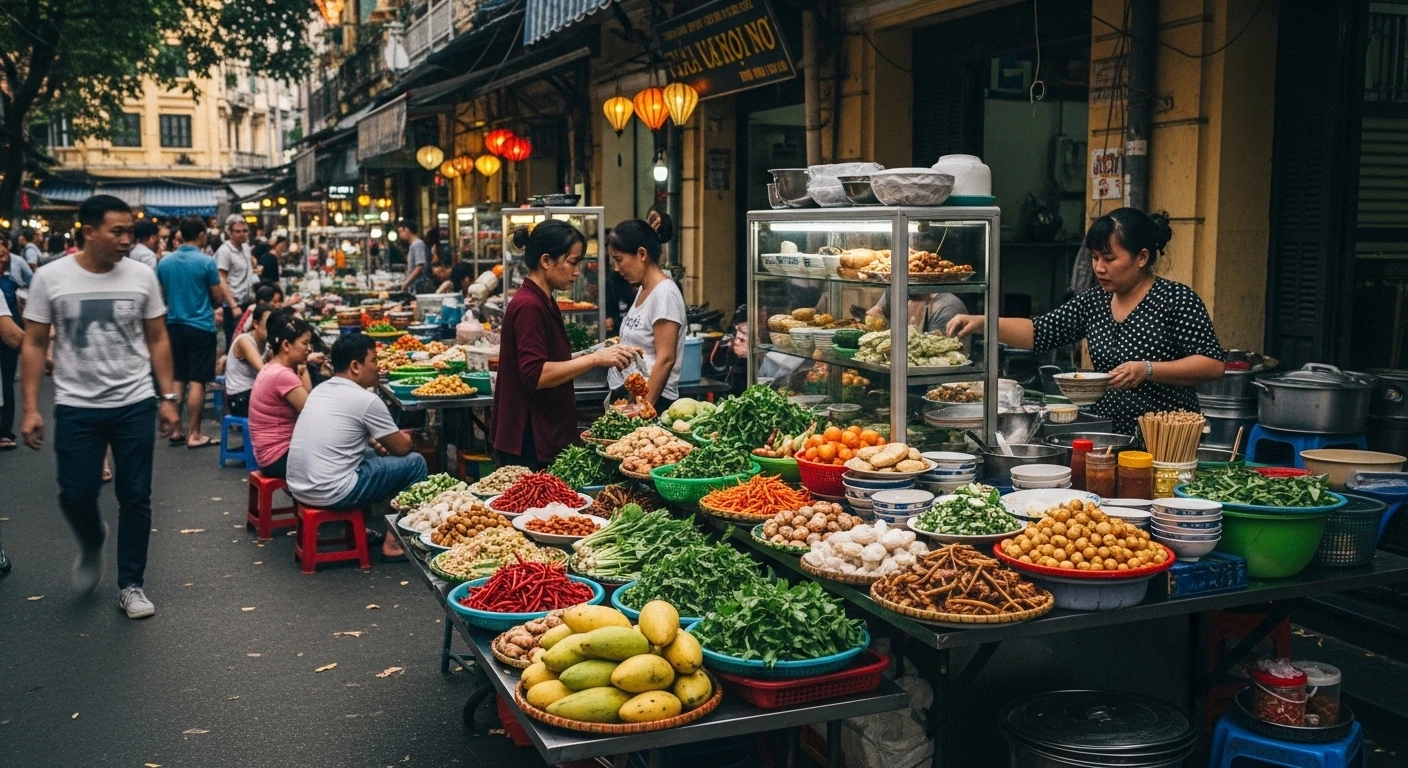
The pulse of Vietnam beats in its streets, where daily life unfolds with its own unique rhythm and customs.
This guide is your compass. We’ll navigate the intricate dance of Vietnamese social customs, from the dining table to the hallowed grounds of ancient temples. Prepare to learn the unspoken language of politeness, a skill that will unlock warmer smiles and deeper connections throughout your journey.
The Art of the Meal: Chopsticks and Conversation
Food is more than sustenance in Vietnam; it's a ritual, a communal bond. And at the heart of this ritual is the humble chopstick. Their misuse can be seen as a grave insult, so pay attention.
- 1. Never Stick Chopsticks Upright in Rice: This is perhaps the most critical rule. Imagine funerary incense sticks, a symbol of death. Doing this in a bowl of rice evokes the same somber imagery and is deeply offensive. Always rest your chopsticks on the provided rest or the side of your bowl when not in use.
- 2. Don't Use Chopsticks to Goad or Point: They are eating utensils, not weapons or pointing devices. Wagging them at someone or something is considered rude. Keep them focused on your plate.
- 3. The Great Chopstick Debate (Who Pays?): In social settings, especially with elders or hosts, there’s often a polite "fight" over who pays the bill. Insisting on splitting the bill (going Dutch) can be seen as implying your host cannot afford to treat you or that you’re not invested in the relationship. Let your host pay if they insist; if you're the host, offer generously. (See also: Who Pays the Bill? Unspoken Rules of Dining Etiquette in Vietnam).
Respect for Sacred Spaces
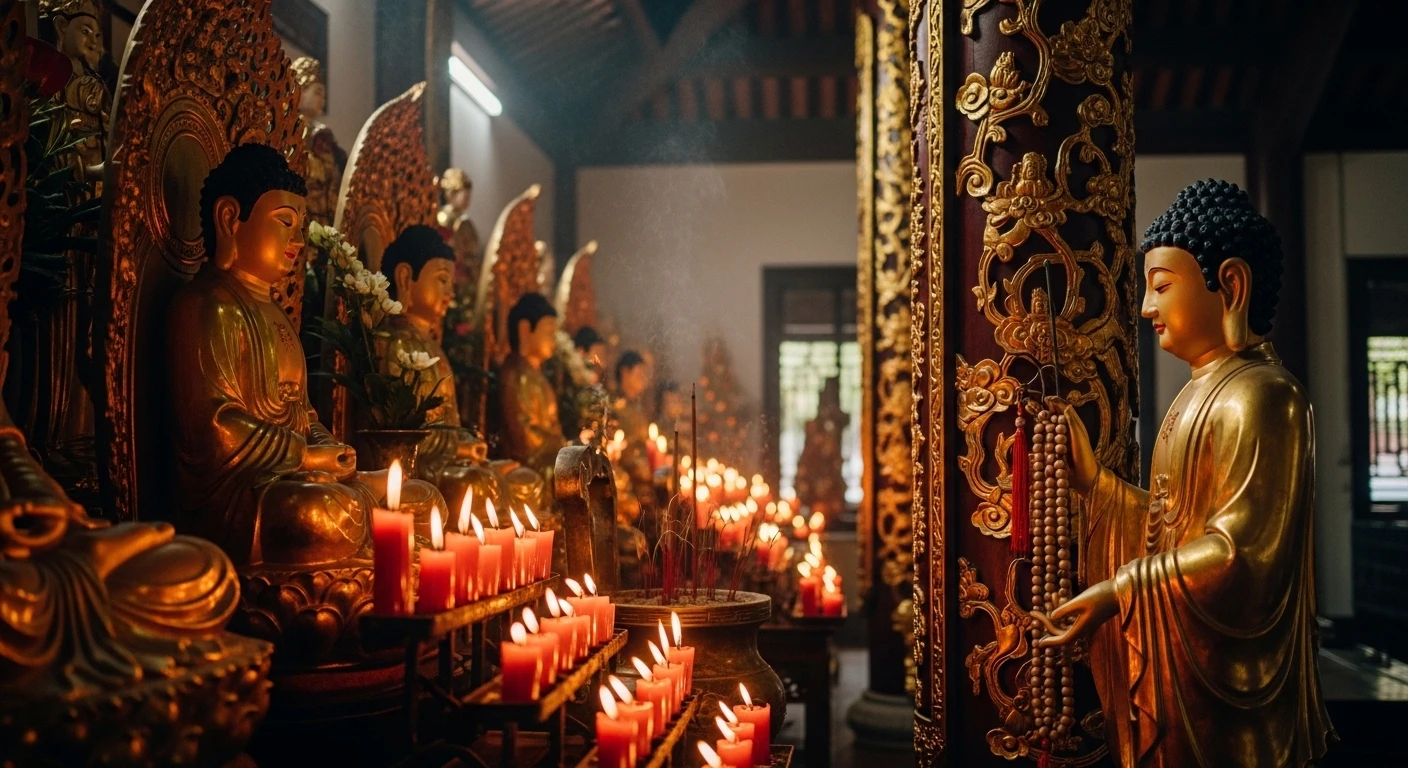
From ornate Buddhist pagodas to quiet village temples, Vietnam’s spiritual sites are places of deep reverence. Entering them with the right mindset and demeanor is paramount.
- 4. Dress Appropriately for Temples and Pagodas: This means covering your shoulders and knees. Tank tops, short shorts, or revealing clothing are a definite no-no. It’s about showing respect for the sanctity of the place. (For more detail, explore Cover Up: The Strict Dress Code for Visiting Vietnamese Temples).
- 5. Never Point Your Feet at Altars or Images of Deities: Feet are considered the lowest part of the body, and pointing them towards sacred objects or elders is highly disrespectful. When sitting, tuck your feet in or point them away from significant areas or people.
- 6. Remove Your Shoes When Appropriate: This applies not just to temples, but often to private homes as well. Look for shoe racks or piles of shoes near the entrance. When in doubt, ask. (Get the full scoop in Shoe Removal Protocol: When and Where to Go Barefoot in Vietnam).
Social Graces and Local Customs
Beyond meals and temples, everyday interactions hold their own set of subtle cues.
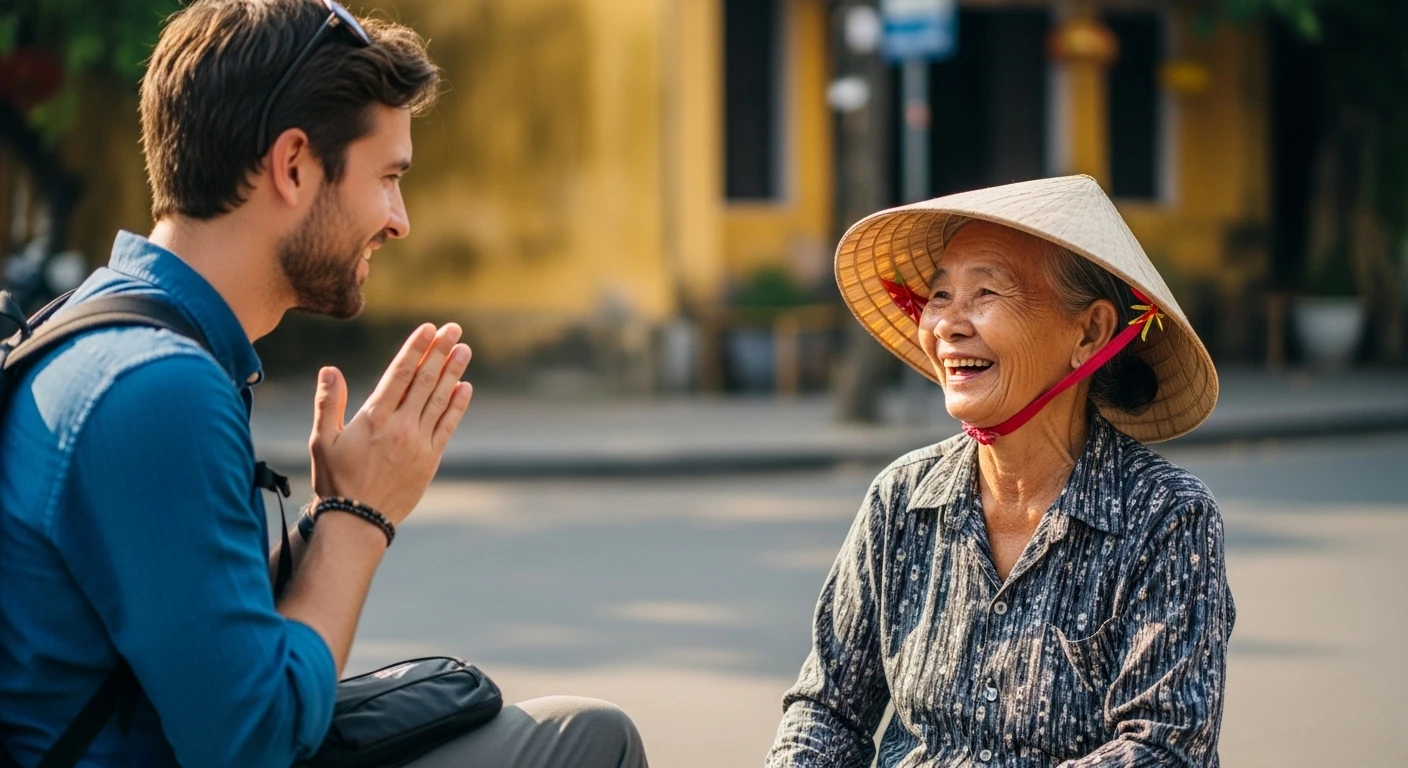
- 7. Address Elders with Respect: Age commands respect in Vietnam. Always address older people with appropriate honorifics (e.g., "Anh" for older brother, "Chi" for older sister, "Ong" for grandfather, "Ba" for grandmother). When in doubt, err on the side of formality.
- 8. Avoid Touching People's Heads: The head is considered sacred. Even a friendly pat on a child's head can be misconstrued.
- 9. Be Mindful of Public Displays of Affection: While attitudes are modernizing, overt public displays of affection between couples are generally frowned upon. A gentle hand-hold is usually fine, but anything more is best saved for private spaces.
- 10. Don't Stick Your Hand into a Bag or Pocket Indiscriminately: When giving or receiving anything, especially money, use both hands or your right hand. This shows respect and diligence. This extends to handling documents or business cards.
The Power of Politeness
Understanding these unspoken rules isn't about memorizing a rigid code; it's about cultivating an attitude of respect and genuine interest in the culture you are visiting. When you make an effort to observe these customs, you signal that you value Vietnam and its people. This, in turn, opens doors to more authentic experiences, warmer interactions, and a deeper appreciation for the beauty and complexity of Vietnamese life.
So, pack your polite intentions along with your passport. Embrace the opportunity to learn, to adapt, and to connect. The rewards – genuine human connection and a richer travel experience – are immeasurable. The journey through Vietnam is as much about understanding its heart as it is about seeing its sights.

Mastering the Utensils
Dive deeper into the nuances of Vietnamese dining. Learn the critical do's and don'ts of chopstick usage to ensure you dine with confidence and respect.
Read More on Chopstick Etiquette
Respectful Attire
Visiting Vietnam's sacred sites requires more than just respect; it requires appropriate attire. Ensure you're prepared to enter any pagoda or temple with our detailed dress code guide.
Discover Temple Dress Codes
The Barefoot Protocol
From homes to temples, knowing when to shed your shoes is a crucial part of Vietnamese etiquette. Avoid common pitfalls with this clear guide to footwear protocols.
Learn About Shoe Removal
Written by
Quynh Le
Licensed Tour Guide & Destination Writer
Published
April 4, 2026
Updated
April 6, 2026
Turns on-the-ground guiding experience into practical travel stories, itineraries, and cultural orientation for first-time visitors.
More on Vietnamese Culture
View more Buyer's Guide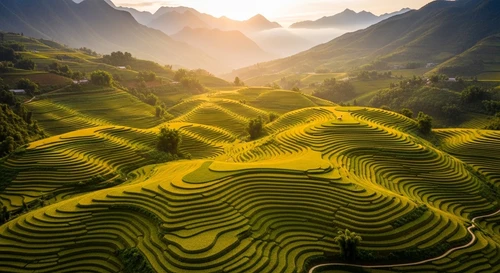
Mu Cang Chai: Paragliding Over the Golden Harvest
Visit in September when the terraced mountains turn a brilliant gold. Try tandem paragliding from Khau Pha pass and refuel with grilled black mountain pork.

Cu Lao Xanh: Quy Nhon's Untouched 'Green Island'
Skip the crowded beaches. Take a wooden ferry to this remote island, climb the century-old lighthouse, and eat cheap, freshly caught squid with the welcoming locals.
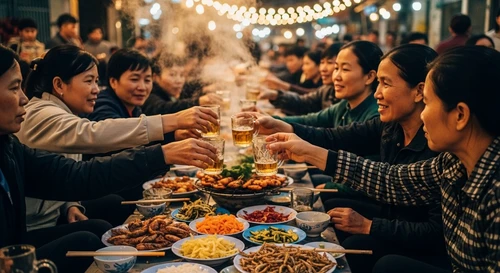
The Magic of 'Nhau': Vietnam's Rowdy, Beer-Soaked Bonding Culture
It is not just drinking; it is 'Nhau'. Discover the clinking glasses of 'Mot, Hai, Ba, Dzo!', the bizarre bar snacks, and why business in Vietnam happens at the beer street.
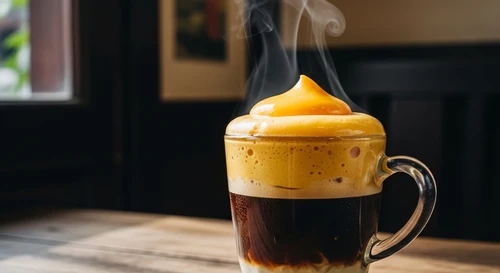
Egg Coffee: Hanoi's Accidental Dessert-In-A-Cup Masterpiece
Born out of a milk shortage during the Indochina War, whisked egg yolks and condensed milk created a tiramisu-like coffee craze. Why you must try Ca Phe Trung.
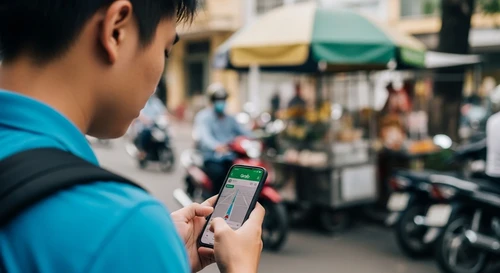
Surviving the Streets: The Backpacker's Guide to Using Grab and Avoiding Scams
Forget hailing a taxi on the street. Learn how to navigate Vietnam's ride-hailing apps, communicate with drivers, and spot the fake 'Xe Om' waiting at the airport.

The Reunification Express: The Ultimate Guide to Vietnam's Epic 30-Hour Train Ride
Rattling tracks, breathtaking coastal views, and endless bowls of instant noodles. Everything you need to know about booking and surviving the train from Hanoi to Saigon.
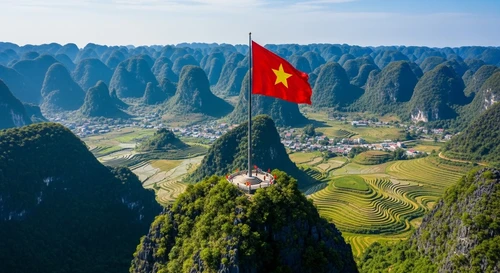
Lung Cu Flag Tower: The Northernmost Tip of Vietnam
Climb the steps to the massive flag overlooking the Chinese border. Explore the nearby Lo Lo Chai village to admire their mud-built houses and drink warm corn wine.
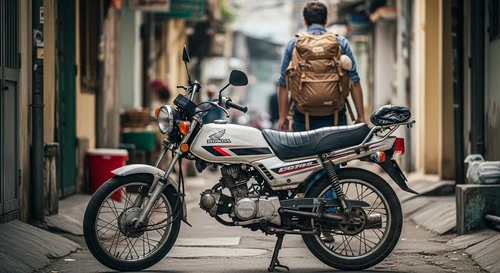
Buying a Honda Win: The Ultimate Guide to Motorbiking Across Vietnam
From checking the brakes in a Saigon alley to strapping your backpack to the rack. A gritty, realistic guide to buying a cheap motorbike and riding the Ho Chi Minh trail.

Cu Chi Tunnels: Crawling, Shooting, and Tapioca
A sobering half-day trip. Crawl through claustrophobic guerrilla tunnels, fire an AK-47 at the range, and eat boiled tapioca dipped in peanut salt—the diet of the Viet Cong.

Hon Kho Island: Walking the Submerged Sand Path
Known as the 'Dry Island' in Quy Nhon, it boasts no trees but incredible coral reefs. When the tide drops, walk along a magical rocky sand path cutting straight through the ocean.
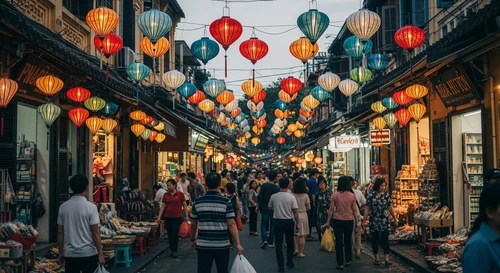
Saigon District 5: Cho Lon Chinatown, Lanterns, and Roast Duck
Step into a different world. Wander through atmospheric Taoist temples thick with incense, buy silk lanterns on Luong Nhu Hoc, and eat legendary Peking duck.
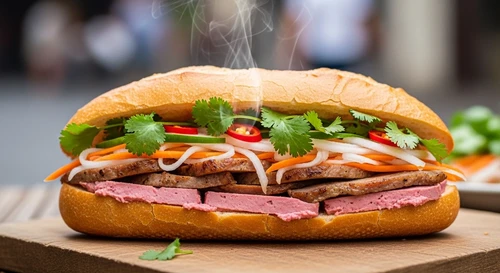
Banh Mi Anatomy: How French Colonialism Created the World's Best Sandwich
A crusty French baguette meets savory Vietnamese pork, pate, and pickled daikon. Trace the history of the Banh Mi from a colonial ration to a global street food icon.