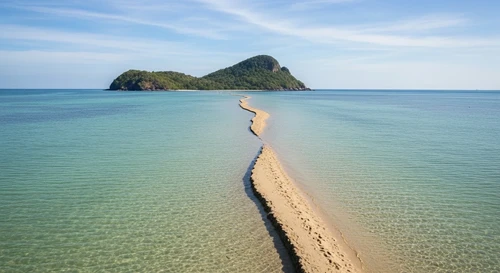
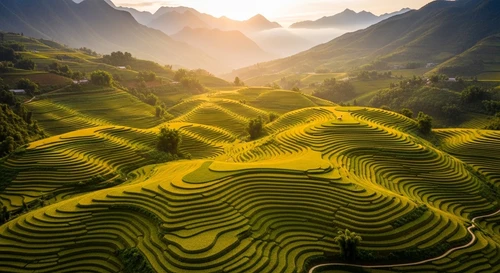
The Call of the Open Road: Why Ride Vietnam?
Vietnam. A land of emerald rice paddies, ancient temples, and a coastline that stretches like a dragon's spine. For the independent traveler, the ultimate way to experience its soul isn't from the sterile confines of a tour bus or a pricey domestic flight. It's on two wheels, engine humming, wind in your face, navigating a country that pulsates with life. And for decades, one machine has been the undisputed steed of this adventure: the Honda Win.
Forget gleaming showrooms and warranties. We're talking about a utilitarian beast, a relic of an era when function trumped form, and durability was king. Buying a Honda Win is less a transaction, more an initiation rite. It's about understanding the gritty reality of Southeast Asian transport, the art of a roadside repair, and the sheer, unadulterated freedom of forging your own path. This isn't just about getting from A to B; it's about the thousand tiny moments of discovery in between.
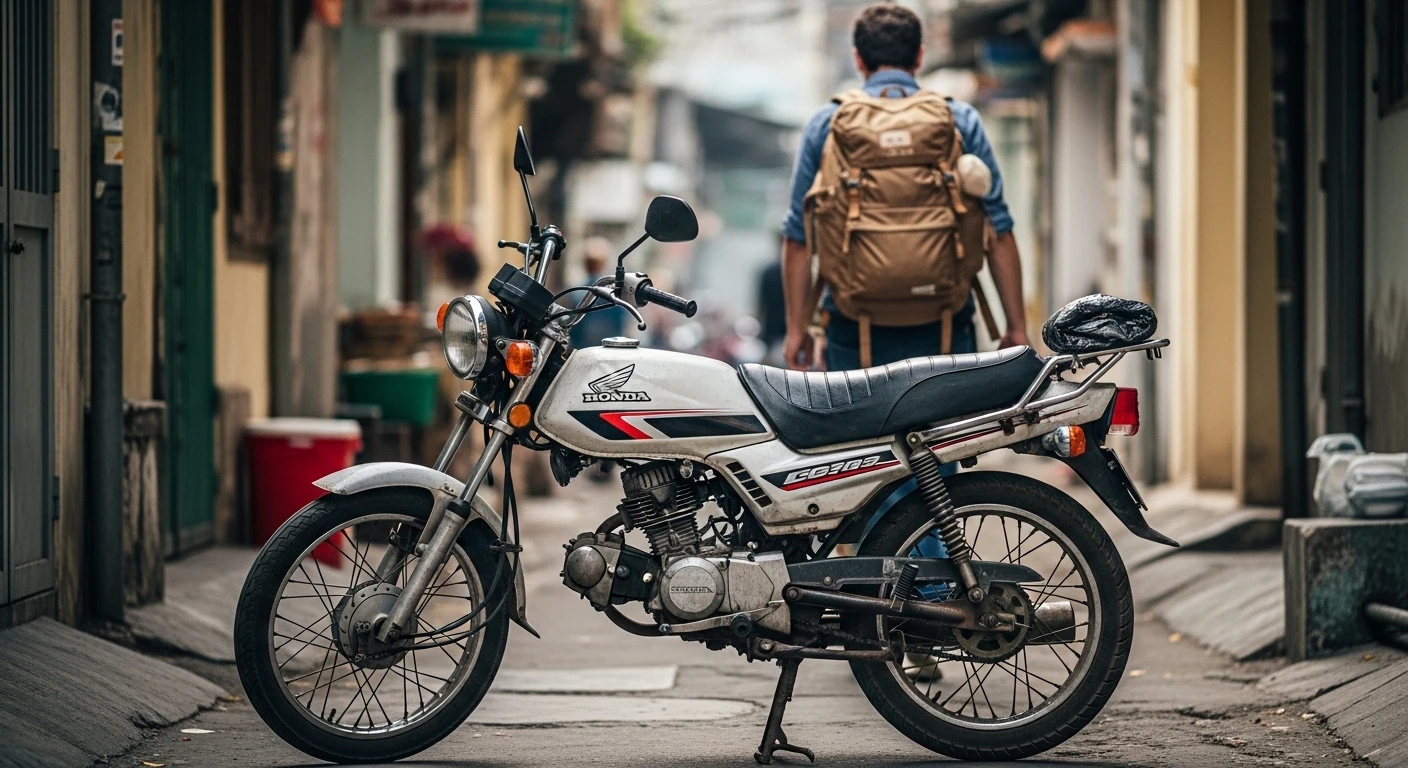
The quintessential image of adventure: a Honda Win ready to hit the road.
The Legend of the Honda Win: More Than Just Metal
The Honda Win, particularly the older, often Chinese-made clones that flooded the market, isn't exactly a marvel of modern engineering. But that's precisely its charm. These bikes are brutally simple, designed for rough roads and easy fixes. They vibrate like a jackhammer, their suspension is rudimentary at best, and their acceleration would make a snail blush. Yet, they possess an uncanny ability to keep going, often long after more sophisticated machines would have sputtered their last.
The real magic lies in their ubiquity. Every mechanic, every street vendor, every farmer knows the Win. Parts are cheap and readily available, from tiny roadside stalls to bustling urban markets. If something breaks – and it likely will – you can usually find a patch-up job for a few dollars. This fosters a sense of resilience, turning mechanical failures into unexpected adventures and opportunities to connect with locals. It’s a motorcycle that demands respect, not for its performance, but for its sheer tenacity.
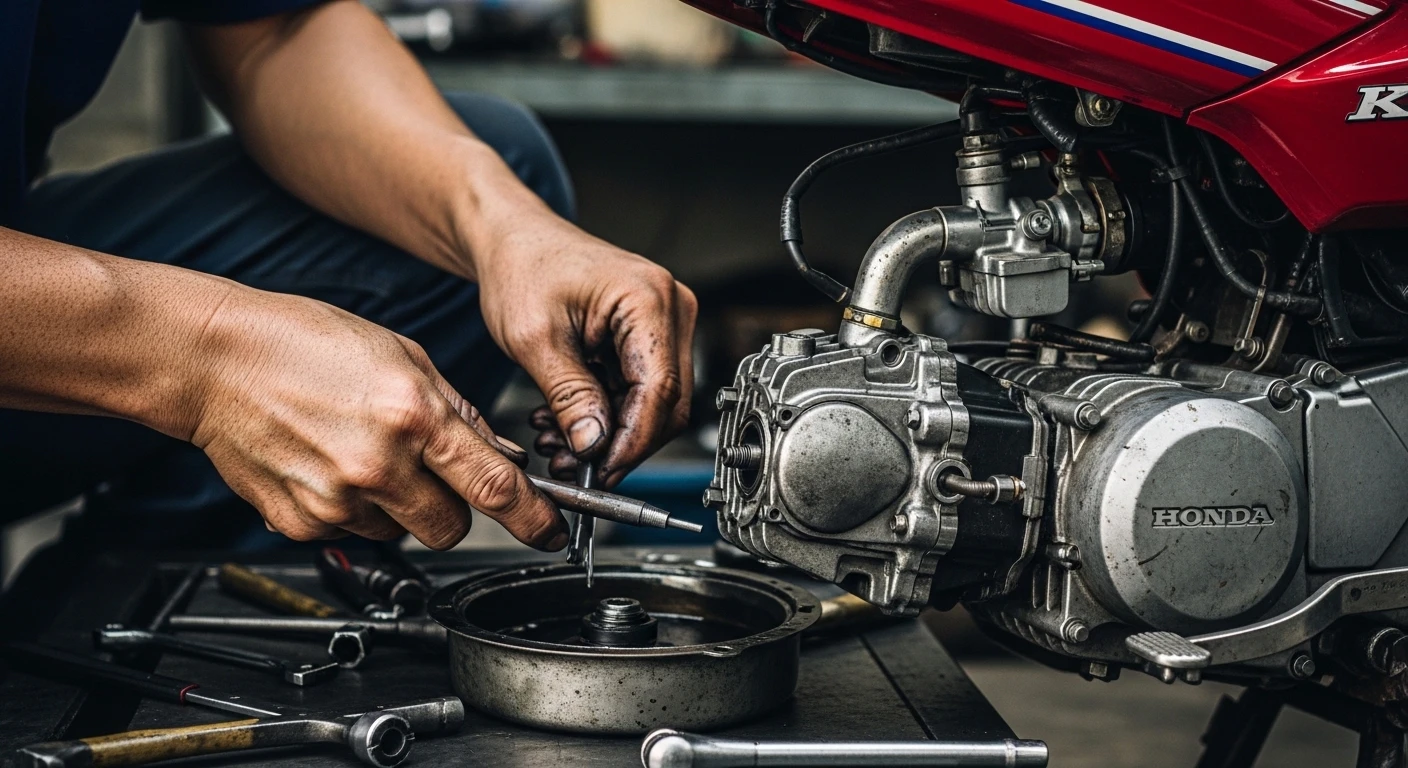
Every mechanic in Vietnam knows these machines inside and out.
Acquiring Your Trusty Steed: The Purchase Process
So, you're ready to dive in. Where do you find this legendary machine? The most common sources are fellow travelers selling their bikes before flying out. Facebook groups like "Hanoi Backpackers" or "Saigon Backpackers" are goldmines. You'll also find them advertised on notice boards in hostels and guesthouses. Prices typically range from $200 to $400 USD, depending on condition, age, and your haggling skills.
**Crucially, never buy a bike without a "Blue Card" (Giay Dang Ky Xe).** This is the motorbike's registration document, proving ownership. Without it, your bike is technically illegal and can be confiscated by traffic police. A reputable seller will have this card, and it should match the frame and engine numbers on the bike. If a seller claims they don't have it or it's lost, walk away. This is the single most important piece of advice for avoiding major headaches.
**What to inspect:**
- Brakes: Test both front and rear. They should feel responsive, not spongy.
- Tires: Look for decent tread. Worn tires are a safety hazard.
- Engine: Start it up. Listen for odd noises. Does it smoke excessively?
- Lights: Headlight, taillight, and turn signals should all function.
- Suspension: Push down on the handlebars and seat. Does it absorb the shock reasonably well?
- Chain: Check for excessive looseness or rust.
- Body: Look for major cracks or damage that might indicate a serious accident.

Don't Buy Without It: The 'Blue Card' Explained
Navigating the sketchy world of secondhand scooters means understanding this crucial document.
Read MoreStrapping It Down: Preparing for the Journey
Once you've secured your steed, it's time to outfit it for adventure. Most Honda Wins come with a rudimentary luggage rack. This is your best friend. Invest in a good quality bungee cord set – they'll be indispensable. For larger items, like backpacks, consider a cargo net or even a cheap soft-sided bag that can be securely strapped down.
Essential additions:
- A real helmet: Those cheap plastic "caps" are dangerous. Buy a proper 3/4 or full-face helmet. Your brain is worth it.
- Waterproof cover: For your seat and any luggage. Rain can be torrential.
- Basic tool kit: Pliers, screwdrivers, adjustable wrench, tire patch kit, and tire levers are a lifesaver.
- Spare spark plug and a small bottle of oil.
Don't overload your bike. A Win is not designed for excessive weight. Think lightweight, essential gear. If you have too much, consider mailing larger items ahead using services like Viettel Post.

Ship Your Gear: A Backpacker's Hack
Don't strap a massive suitcase to your bike. Learn how to mail heavy luggage across the country.
Read MoreNavigating the Chaos: Riding Vietnam's Roads
Vietnamese traffic is a beast of its own. It's a chaotic ballet of motorbikes, buses, trucks, and the occasional ox-cart. Honking is not aggression; it's communication. Assume everyone is coming your way and be ready to react. Use your horn judiciously to announce your presence, especially around blind corners and when overtaking.
Key road rules (or lack thereof):
- Stay to the right: Although it often feels like a free-for-all.
- Overtake on the left: Be confident and decisive.
- Watch for the unexpected: Pedestrians, animals, carts, and other motorbikes emerging from driveways without looking.
- Use your indicators: Even if others don't.
- Traffic Police (CSGT): They are a fact of life. If pulled over, remain calm. An International Driving Permit (IDP) is recommended, though enforcement varies. Be prepared to pay a small fine if necessary, but avoid any bribes that feel excessive.

Dealing with the CSGT: What to Do When Pulled Over
An honest guide on carrying an IDP, paying fines, and handling checkpoints smoothly.
Read MoreFueling Up: Gas Station Etiquette
Gas stations are often a flurry of activity. Don't be shy. Pull up, pop your seat if that's where the tank is, and point at the pump. Yell "Day Binh!" (Fill it up!). They'll usually understand. Most Wins take standard unleaded petrol (Xăng). Keep an eye on your fuel gauge, as stations can be sparse in some rural areas.
Tip: Carry a small amount of cash for fuel. Many smaller stations might not accept cards.

Gas Station Etiquette: How to Fill Up
Don't get off your bike. Just pop the seat, point, and yell 'Day Binh!'
Read MoreThe Ho Chi Minh Trail: A Journey Through History and Landscape
For many, the dream is to ride the Ho Chi Minh Trail. While the modern Highway 1 is the main artery, the historic trail is a network of older paths, rural roads, and mountain tracks that crisscross the country's interior. It's a journey through Vietnam's heartland, past ethnic minority villages, verdant tea plantations, and dramatic karst formations.
Expect stunning scenery and fewer crowds, but also more challenging road conditions. Navigation can be tricky; having a GPS device or a reliable offline map app is essential. This is where your trusty Win will be truly tested. Embrace the detours, the unexpected stops, and the sheer beauty of rural Vietnam unfolding before you.
Regions you might traverse: The Central Highlands offer breathtaking mountain passes, while the border regions with Laos and Cambodia provide a glimpse into less-visited territories.
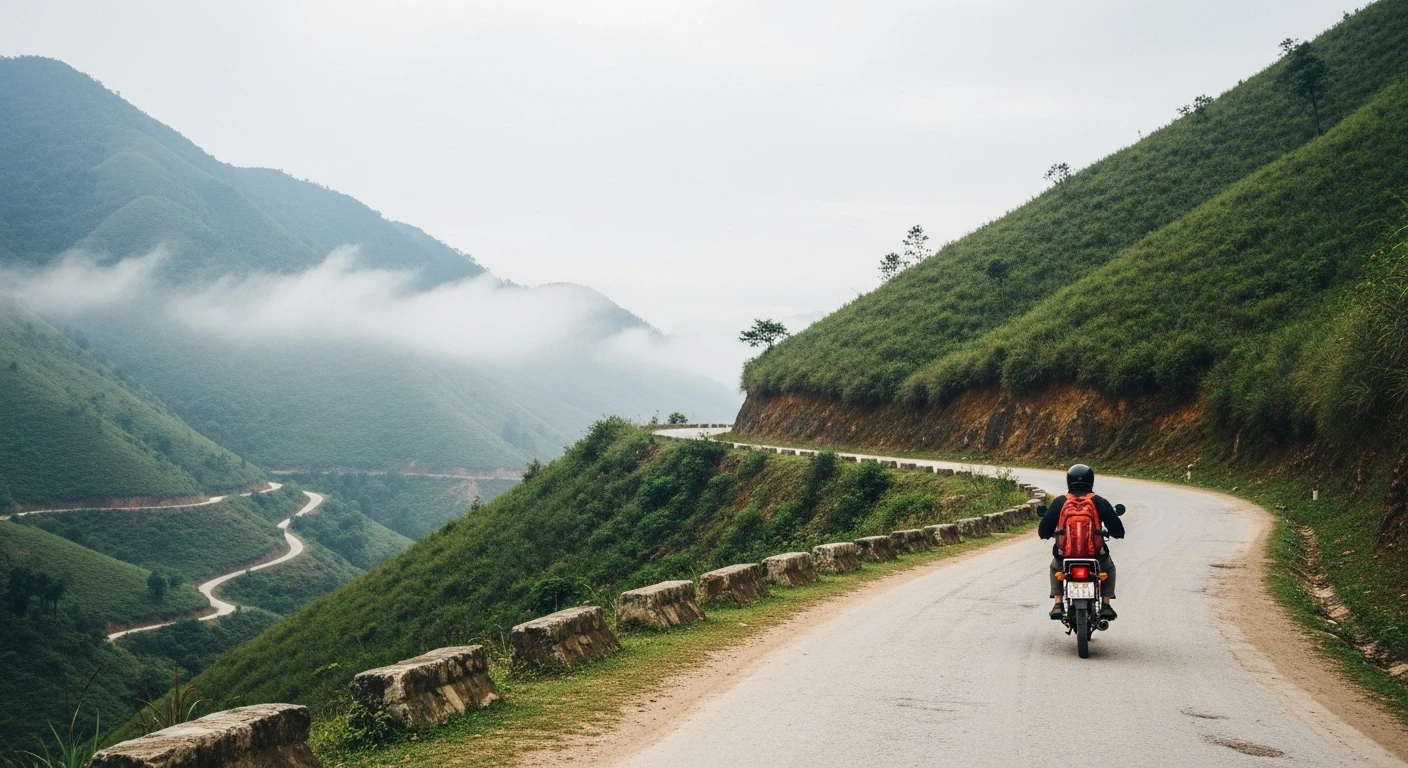
The Ho Chi Minh Trail offers some of the most spectacular riding in Southeast Asia.
When Things Go Wrong: Roadside Repairs and Resilience
Breakdowns are part of the Honda Win experience. Don't panic. Pull over safely, preferably at the side of the road or near a village. Most minor issues – a loose chain, a flat tire, a sputtering engine – can be fixed with your basic toolkit and a bit of ingenuity.
If you're truly stuck, flag down a local. Vietnamese people are generally incredibly helpful and curious. Even with a language barrier, a smile and a pointing gesture towards your broken bike will usually elicit assistance, or at least point you toward the nearest mechanic. These moments, while frustrating, often lead to the most memorable interactions and genuine human connection.

Riding in the Monsoon: Surviving Vietnamese Rain
Essential safety and mechanical tips for riding a scooter during a tropical downpour.
Read MoreBeyond the Ride: Considerations and Culture
Riding a Honda Win is more than just transportation; it's an immersion. Be prepared for the sensory overload: the smell of street food, the vibrant colors of markets, the constant symphony of sounds. Embrace the differences, stay open-minded, and be respectful of local customs.
Safety first: Always wear your helmet. Be aware of your surroundings. If you're tired, stop. The journey is more important than the destination.
When your trip ends: Many travelers sell their bikes back to other backpackers or to local dealers for a fraction of what they paid. Consider shipping it home if you've fallen deeply in love, though this is often more costly than buying a new one at your destination.

Shipping Your Bike on a Vietnam Train
Want to skip the highway to Hue? Learn how to put your beloved scooter on the Reunification Express.
Read MoreThe Enduring Spirit of the Win
Buying and riding a Honda Win across Vietnam is more than a backpacker's rite of passage; it's a raw, unfiltered dive into the heart of Southeast Asian travel. It's about embracing the imperfect, finding beauty in simplicity, and discovering that the greatest adventures often lie just beyond the edge of your comfort zone. So, find that trusty Win, strap on your pack, and let the open road beckon. Vietnam is waiting.