Where Khmer Soul Meets Delta Life
The Mekong Delta is a realm of a thousand stories, whispered on the humid breeze, carried by the slow-moving rivers, and etched into the golden spires of ancient temples. Southern Vietnam, particularly its westernmost provinces, is a tapestry woven with threads of Vietnamese, Chinese, and the deep, enduring culture of the Khmer people. Soc Trang, a province often bypassed by the hurried traveler, holds a particularly vibrant Khmer heart, beating with the rhythm of Theravada Buddhism.
Here, life flows at the river's pace, and tradition is not a relic of the past but a living, breathing entity. It's a place where the aroma of incense mingles with the scent of ripe durian, and where architectural marvels stand as testaments to centuries of faith and artistry. Today, we journey to Soc Trang to explore two of its most iconic embodiments of this rich heritage: the mystical Bat Pagoda and the intensely flavorful Banh Pia.
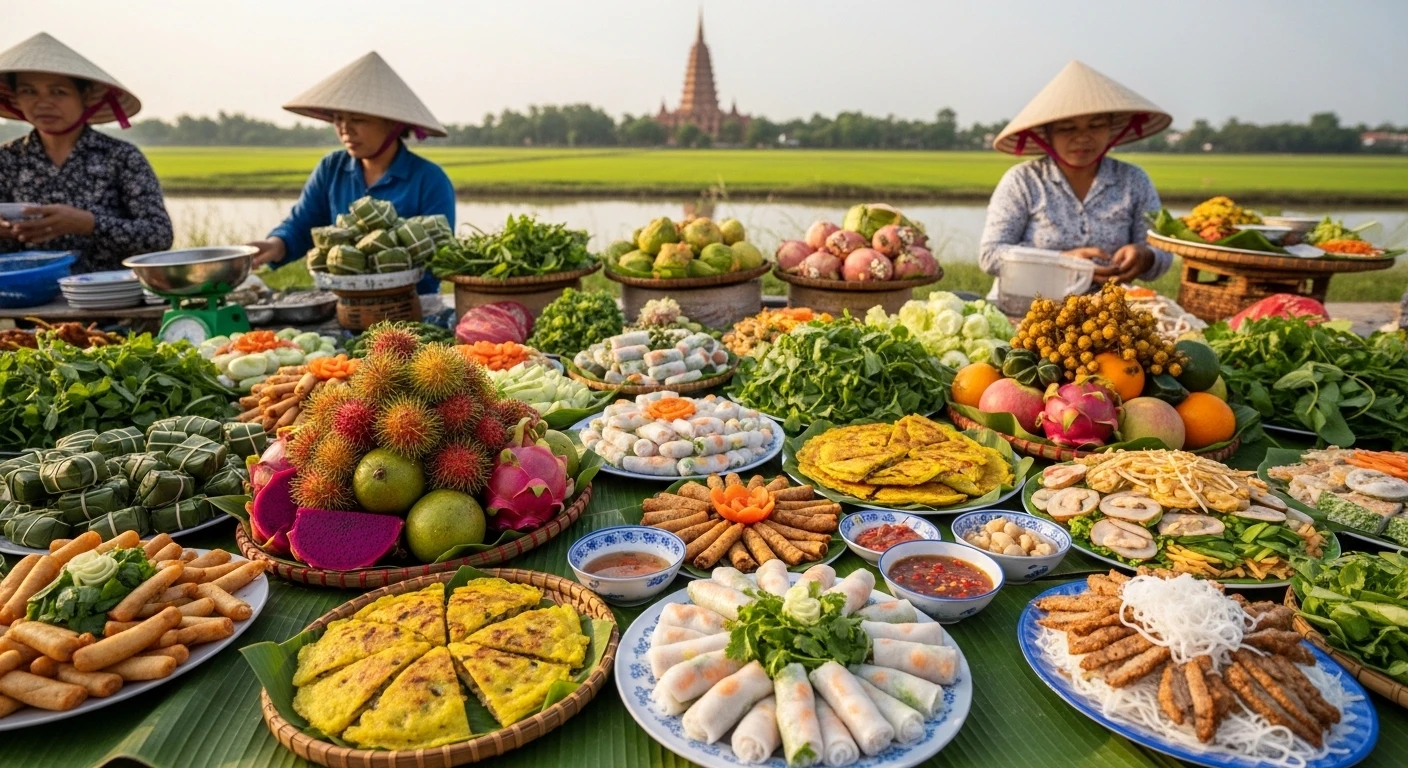
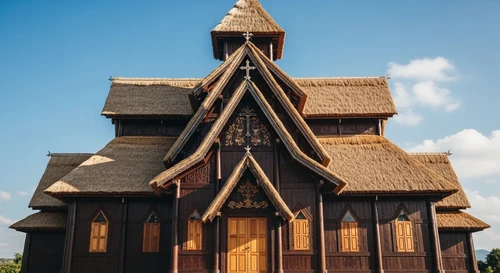
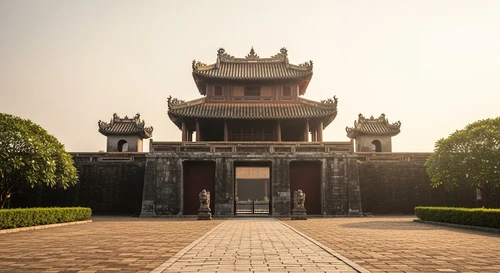
The gilded splendor of a Soc Trang pagoda, a beacon of Khmer heritage in the Mekong Delta.
The Bat Pagoda: A Sanctuary of Living Beings
Just a stone's throw from Soc Trang town lies Wat Mahatup, affectionately known as the Bat Pagoda. The name isn't a metaphor; it's a literal description of the thousands of large fruit bats that have made the ancient trees surrounding this sacred site their home. As dusk settles, these nocturnal creatures begin to stir, their wings rustling like dry leaves before they take flight, creating an ethereal, almost primeval spectacle.
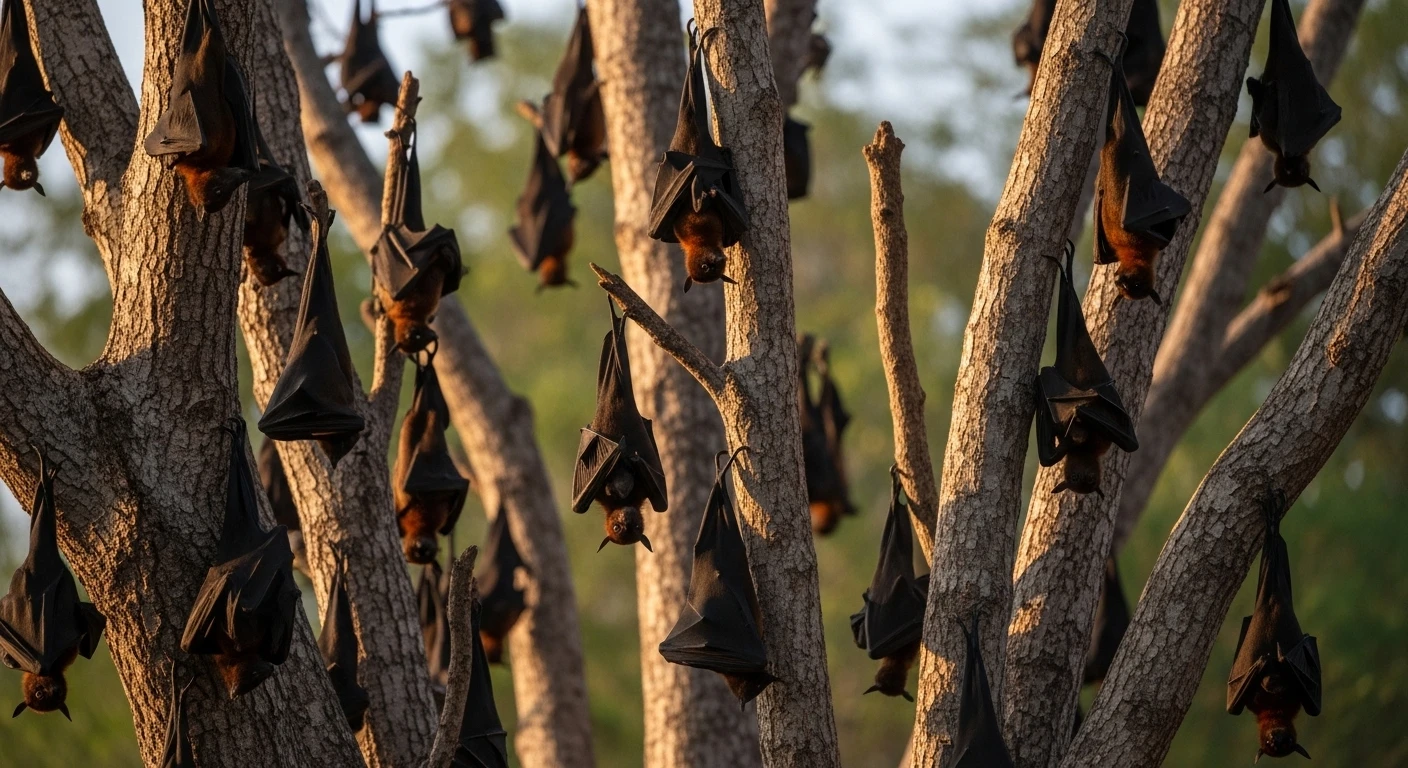
The pagoda itself is a stunning example of Khmer architecture, adorned with intricate carvings, vibrant murals, and graceful Naga serpent balustrades. The main sanctuary, with its multi-tiered, pointed roofs and golden stupas, radiates a sense of profound peace. But it's the symbiotic relationship between the religious structure and its living inhabitants that truly sets Wat Mahatup apart. Legend has it that the bats are guardian spirits, drawn to the pagoda's tranquility and protected by its sanctity. Locals treat them with immense respect, believing that harming them brings misfortune.
Visiting at dawn or dusk offers the most magical experience. The gentle chirping of the bats, the hushed prayers of monks, and the sheer visual splendor of the gilded architecture create an atmosphere that is both awe-inspiring and deeply grounding. It’s a vivid reminder of the spiritual connections that can exist between humanity and the natural world.
Banh Pia: A Taste of Soc Trang's Soul
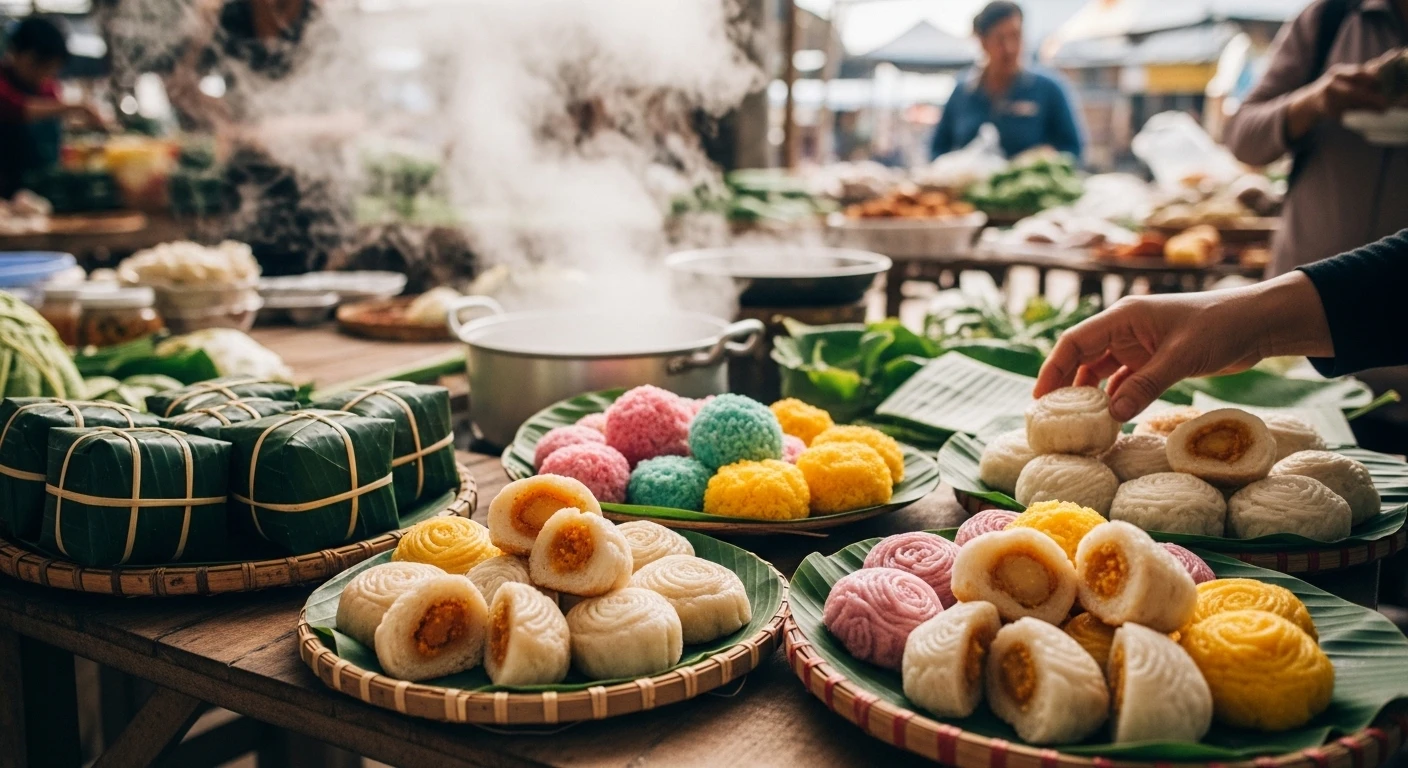
From the sacred to the savory, Soc Trang's culinary identity is indelibly marked by Banh Pia. This traditional Khmer pastry is not for the faint of heart—or those who shy away from the king of fruits. At its core, Banh Pia is a rich, flaky-layered cake, but its soul lies in its fillings, most famously, durian.
The distinctive, pungent aroma of durian, notorious for its divisive reputation, is an acquired taste for many. But within the context of Banh Pia, it transforms. The creamy, custard-like durian paste, often mixed with salted egg yolk for a savory counterpoint, is encased in a delicate, almost shortbread-like pastry. The layers are so fine they crumble with the slightest touch, revealing a dense, moist, and intensely flavorful interior.
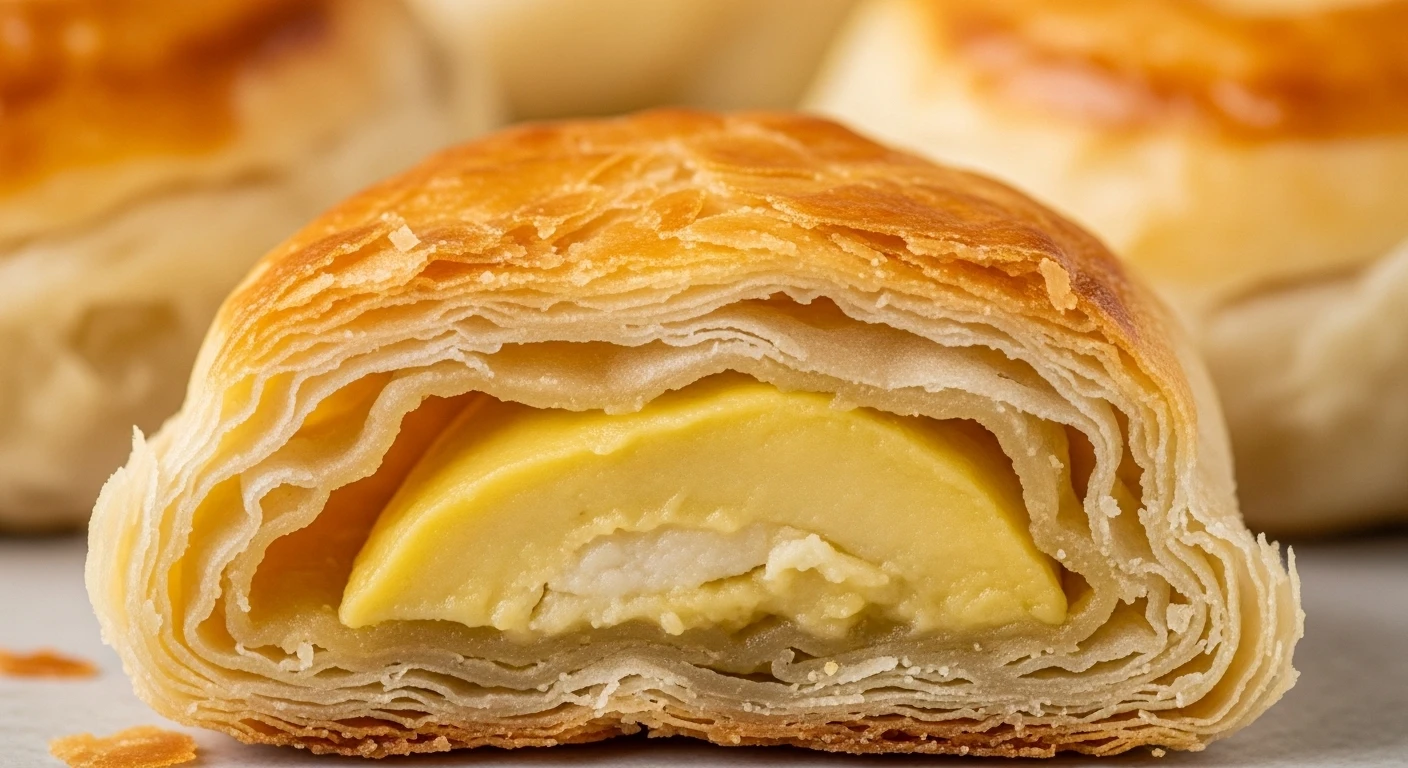
The art of Banh Pia making is passed down through generations, with families in Soc Trang boasting their secret recipes. While durian is the classic, variations exist with mung bean, taro, or lotus seed paste, offering slightly milder, yet still wonderfully rich, experiences. Seek out local bakeries and markets; the authentic versions are a true taste of Soc Trang's unique Khmer-Vietnamese fusion.
A Deeper Khmer Current in the Delta
Soc Trang is home to one of the largest Khmer populations in Vietnam, accounting for over 30% of its inhabitants. This significant presence has profoundly shaped the region's cultural landscape, from religious practices to architectural styles and, of course, its cuisine. The numerous Khmer temples, or 'wats', across the province are more than just places of worship; they are community hubs and vibrant centers of cultural preservation.
You'll notice the distinct architectural elements: ornate carvings of mythical creatures, naga serpents, and celestial dancers adorning temple exteriors and interiors. The serene atmosphere, often accompanied by the soft chanting of monks and the scent of burning incense, offers a stark contrast to the bustling Vietnamese life outside their gates. These temples are tangible links to a rich history that predates modern Vietnam, a testament to the enduring legacy of the Khmer Empire.

This cultural tapestry extends to the local markets and kitchens. While Vietnamese staples are abundant, Khmer influences add unique flavors and dishes to the regional palate. Banh Pia is a prime example, showcasing a distinct Khmer pastry technique and a love for the bold flavors that characterize the region's culinary traditions.
Beyond the Pagoda: Experiencing Soc Trang
Soc Trang offers a more authentic, less tourist-centric glimpse into Mekong Delta life. While Wat Mahatup is a must-visit, don't miss the opportunity to explore other significant Khmer pagodas, such as Wat Kos La Han, known for its unique architecture and peaceful grounds, or the impressive reclining Buddha at Wat Khleang.
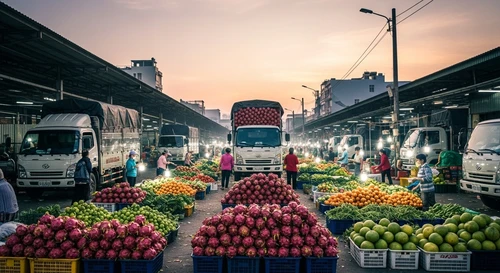
For a true taste of local life, wander through the bustling Soc Trang market. Here, you'll find an incredible array of fresh produce, local snacks, and the essential ingredients for regional specialties. It's the perfect place to try more Banh Pia variations, sample sweet desserts, and perhaps even pick up some unusual local fruits.
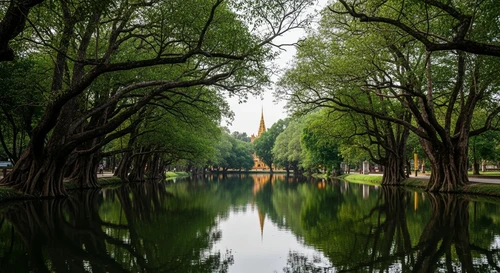
Getting around Soc Trang is best done by motorbike or taxi. For day trips exploring multiple pagodas and markets, hiring a local driver can be an efficient and insightful option. The people of Soc Trang, particularly the Khmer community, are known for their warmth and hospitality, making any interaction a memorable part of the journey.
Respecting Sacred Spaces and Local Customs
When visiting temples like Wat Mahatup, it's crucial to adhere to local customs. Dress modestly: cover your shoulders and knees. Remove your shoes before entering any religious building. Speak softly and avoid disruptive behavior. Remember that these are active places of worship, not just tourist attractions.
When purchasing Banh Pia or other local goods, polite bargaining is acceptable in markets, but always with a smile. The vendors are often proud of their products and happy to share a bit about them. Embracing the local pace and showing genuine curiosity will enrich your experience immeasurably.
The Durian Conundrum: Love It or Leave It?
Let's talk about durian. Its scent—often described as a pungent mix of gym socks, sewage, and sweet custard—can be overwhelming. However, for those who embrace it, the flavor is utterly unique: a complex interplay of sweet, savory, slightly bitter, and deeply creamy notes.
In Banh Pia, the durian filling is typically a paste, mellowed by the sweetness of sugar and the richness of the pastry. The flaky layers provide a delightful contrast to the soft interior. If you're a durian novice, Banh Pia might be your gateway. The pastry acts as a vessel, containing and complementing the fruit's intense character. Don't be afraid to try a small piece first, or opt for a Banh Pia made with mung bean if durian is too intimidating.
The experience of eating Banh Pia is sensory. The crackle of the pastry, the yielding softness of the filling, the intense aroma that fills the air, and the lingering sweet-savory taste. It's a culinary adventure that encapsulates the bold spirit of Soc Trang.
A Deeper Dive into Delta Culture
Soc Trang embodies the multifaceted identity of the Mekong Delta. It’s a region where agricultural bounty—rice paddies stretching to the horizon, fruit orchards bursting with tropical flavors, and fertile fishing grounds—forms the bedrock of life. The Khmer heritage here adds a unique dimension, offering a spiritual and cultural counterpoint to the more dominant Vietnamese traditions found elsewhere.
The Bat Pagoda's connection to nature and the intense flavors of Banh Pia are both rooted in this fertile land and its diverse heritage. The pagodas serve as spiritual anchors, while the food celebrates the abundance and cultural fusion of the Delta. It's a reminder that the Mekong is not just a geographical entity but a living ecosystem of people, traditions, and flavors.
Journey to the Khmer Heart of the Delta
Soc Trang is best reached from Ho Chi Minh City, the most common international arrival gateway for Vietnam.
- International Arrival: Fly into Tan Son Nhat International Airport (SGN) in Ho Chi Minh City.
- Ho Chi Minh City to Soc Trang: From Ho Chi Minh City, the most convenient way to reach Soc Trang is by bus. Numerous companies operate daily services, with journeys typically taking 3.5 to 4.5 hours. Buses depart from Mien Tay Bus Station.
- Local Transport in Soc Trang: Once in Soc Trang, you can hire local taxis or rent a motorbike to explore the town and surrounding areas, including Wat Mahatup. For visiting multiple pagodas, a private car with a driver can be a comfortable option.
The best time to visit Soc Trang is during the dry season, from December to April, when the weather is pleasant. However, the heat and humidity are present year-round, so pack accordingly.
Embrace the Enchantment
Soc Trang's Bat Pagoda and Banh Pia are more than just a destination and a pastry; they are potent symbols of the Mekong Delta's rich Khmer heritage. They offer a profound glimpse into a culture that thrives on tradition, spirituality, and the bold embrace of its unique identity.
So, when your travels take you to the verdant landscapes of Southern Vietnam, venture a little further west. Let the quiet reverence of Wat Mahatup and the intense, unforgettable flavor of Banh Pia linger in your senses. It’s an experience that speaks to the enduring soul of the Mekong.