The Unforgettable Symphony of the Floating Markets
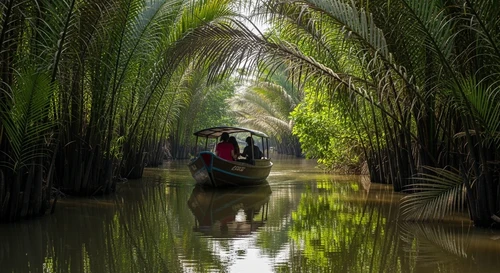
Forget sterile supermarkets and hushed aisles. The Mekong Delta's floating markets are a raw, visceral explosion of commerce and life. Imagine this: dawn breaking, painting the sky in hues of orange and pink, but instead of quiet streets, the air is alive with the putter of longtail boat engines, the calls of vendors hawking their wares, and the clatter of goods being exchanged. This is not just a market; it's the very pulse of a region that lives and breathes on its intricate network of waterways.
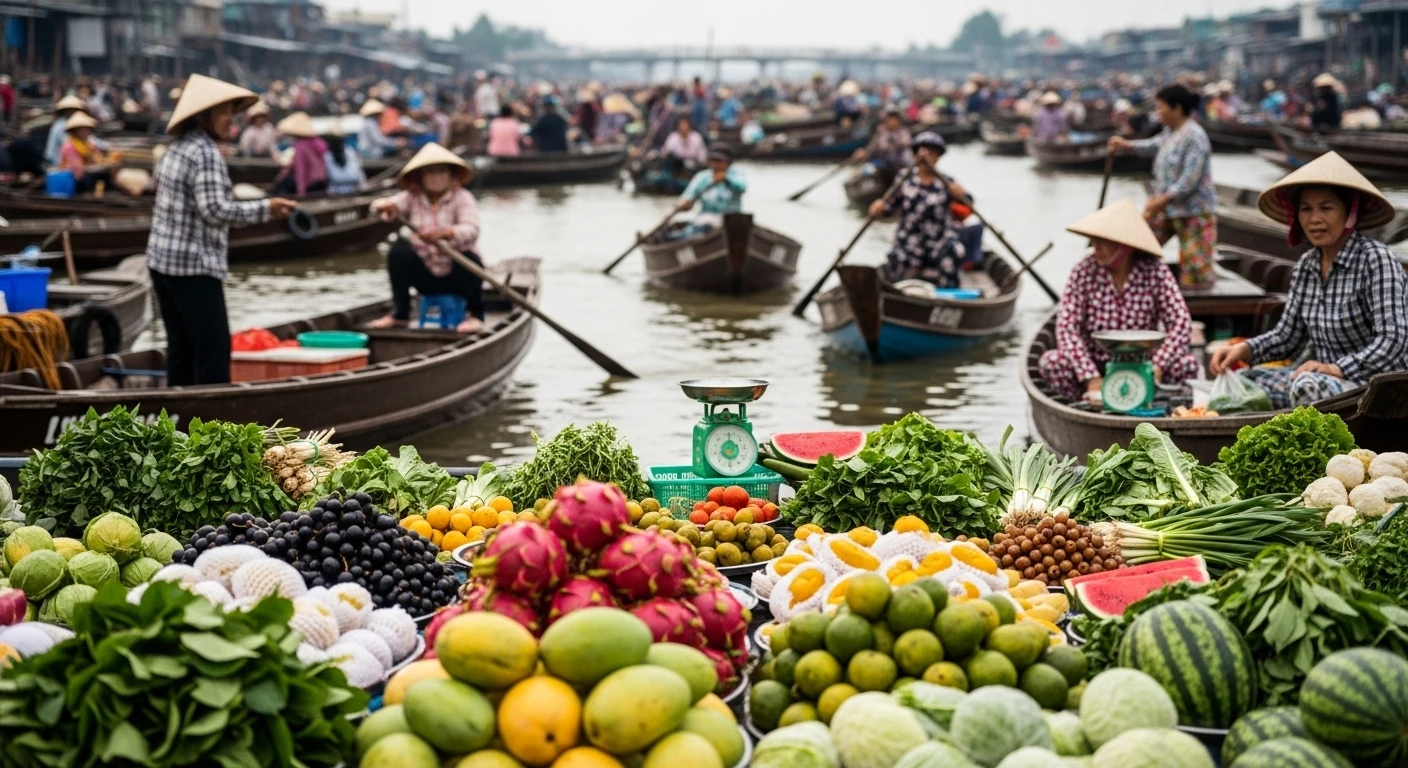
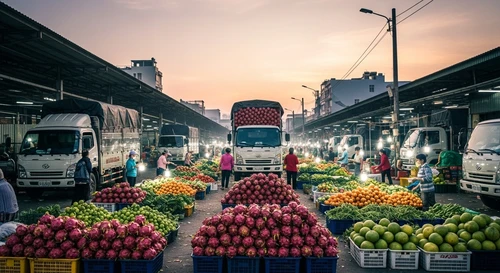
Cai Rang, near Can Tho, is the undisputed king, a sprawling aquatic metropolis where entire livelihoods unfold on the water. Boats laden with an astonishing variety of produce – from pyramids of ripe mangoes and dragon fruit to bundles of fresh herbs and, of course, a rainbow of bananas – jostle for space. Each vessel is a floating shop, its canopy a proud flag signaling its specialty. It’s a scene of organized chaos, a centuries-old tradition that feels as alive and dynamic today as it ever did.
But beneath the surface of this bustling spectacle lies a story of change. The very vibrancy that draws us in is now a siren song, signaling a tradition that, like the slow-moving currents of the Mekong itself, is being subtly altered by the inexorable tide of modernity.
The Art of the "Cay Banh" and the Floating Storefronts
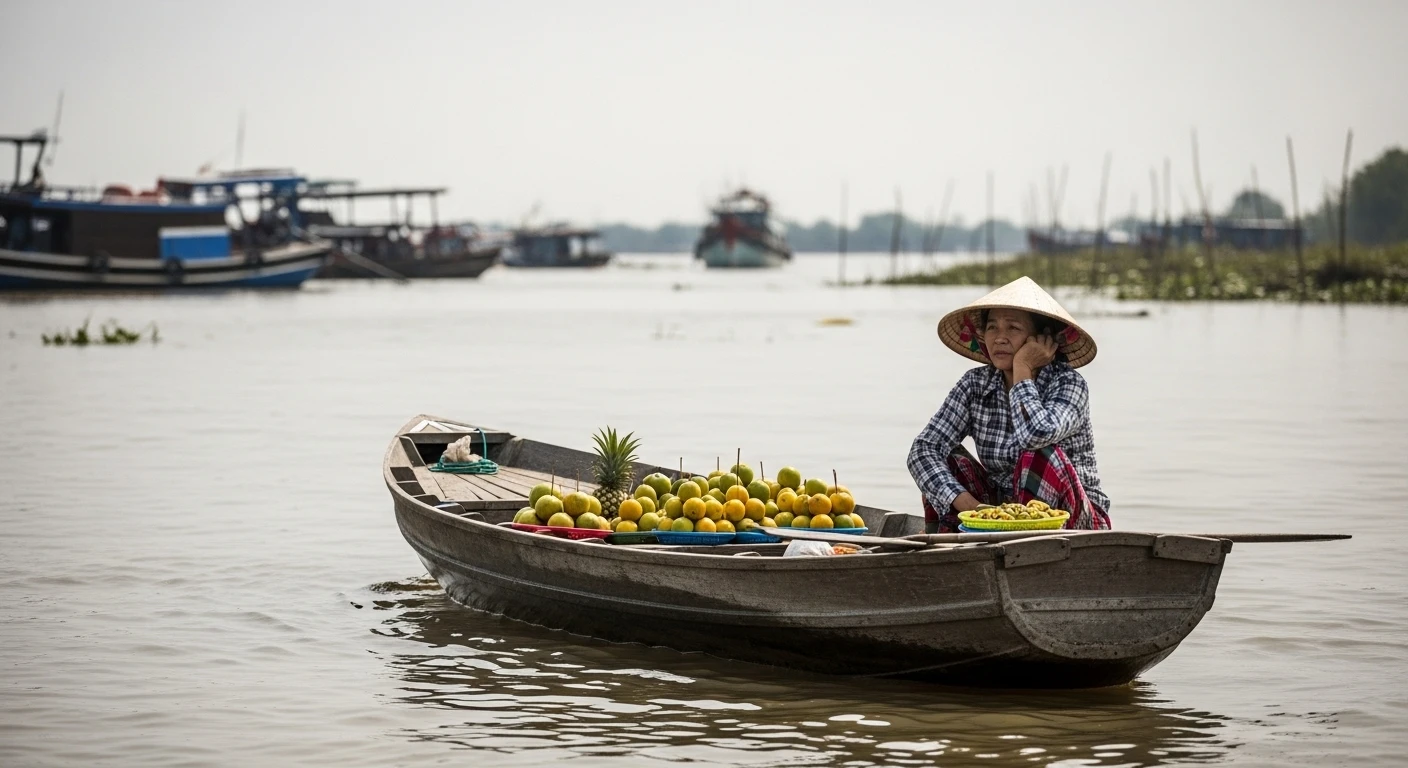
One of the most charming visual cues of the Mekong's floating markets is the ingenious way vendors advertise their primary product. Look for a long pole sticking up from a boat, with an item of produce hanging from its tip. This is known as a cay banh, or "advertising pole." If you see a pineapple hanging, that boat sells pineapples. A bunch of bananas? You guessed it. This simple, effective system is a testament to the region's practical ingenuity.
Beyond produce, you'll find boats dedicated to breakfast. Small, nimble vessels often serve steaming bowls of hu tieu – a savory noodle soup that's a Mekong specialty, or the ubiquitous ca phe sua da (iced coffee with condensed milk). These "floating kitchens" are where you can truly immerse yourself, sitting precariously on a tiny stool on a bobbing boat, slurping noodles as larger cargo boats glide past.
Concrete Veins: The Rise of Land-Based Commerce
For centuries, the rivers and canals were the highways of the Mekong Delta. They were the arteries connecting communities, enabling trade, and shaping daily life. But time, as it always does, brings change. The development of well-paved roads and bridges has fundamentally altered how goods are transported and sold.
Why spend hours on a boat, battling currents and weather, to reach a market when you can load your produce onto a motorbike or a small truck and be at a roadside stall or a modern supermarket in a fraction of the time? This shift is undeniable. As more towns and cities sprout along these new routes, the necessity of the traditional floating market diminishes for many sellers. It’s a practical decision driven by efficiency and economics.
The Double-Edged Sword of Tourism
The very charm of the floating markets has, ironically, become a catalyst for their transformation. Western travelers, myself included, are drawn to this spectacle. The vibrant colors, the sheer ingenuity, the glimpse into a way of life so different from our own – it’s intoxicating. And where there is demand, there is commerce.
While tourism injects vital income into the local economy, it also subtly reshapes the market. Many smaller, more authentic markets have dwindled, while the larger, more accessible ones like Cai Rang have become increasingly geared towards tourist experiences. You might find yourself on a boat selling souvenirs rather than essential produce. The genuine trade between local farmers and consumers is slowly being overshadowed by a more curated performance for visitors. It’s a complex dynamic: tourism keeps the idea of the floating market alive, but it also risks turning a living tradition into a nostalgic relic.
Navigating the Waterways: Your Guide to the Mekong's Markets
For those eager to witness this spectacle before it fades further, planning is key. The most popular and accessible floating markets are typically found in the provinces radiating from Can Tho, the Mekong Delta's largest city.
Getting There:
Your journey will likely begin in Ho Chi Minh City (Saigon). From Tan Son Nhat International Airport (SGN), you have several options to reach Can Tho:
1. By Bus: This is the most common and economical way. Numerous bus companies operate comfortable sleeper and sitting buses daily from Ho Chi Minh City's Mien Tay Bus Station to Can Tho. The journey typically takes 3.5 to 5 hours, depending on traffic and the specific route. Fares are very reasonable.
2. By Private Car/Taxi: For more comfort and flexibility, you can hire a private car. This offers door-to-door service and allows for stops along the way, but it is significantly more expensive than the bus.
3. By Flight: Can Tho International Airport (VCA) receives a limited number of domestic flights, primarily from Hanoi and Phu Quoc. If you are coming from further afield or prefer to fly, check flight availability, though it is less common for travelers originating from Ho Chi Minh City.
Once in Can Tho:
To experience Cai Rang Floating Market, you'll need to arrange a boat trip. Most hotels and guesthouses in Can Tho can help you book a private boat or join a small group tour. Early morning is essential – aim to set off before sunrise (around 5:00 AM) to witness the market at its most vibrant. Boat tours usually last 2-4 hours and often include stops at local fruit orchards or a noodle factory, offering a broader glimpse into Delta life.
Banh Xeo: The Sizzling Mekong Crepe You Have Been Eating All Wrong
It's loud, it's crispy, and it's massive. Learn the proper, messy, hands-on way to wrap and roll a giant Mekong Delta Banh Xeo in mustard leaves.
Read More →Beyond the Boats: A Glimpse into Other Delta Traditions
The Mekong Delta is a treasure trove of cultural practices, many of which are also evolving. While the floating markets capture global imagination, other traditions offer equally compelling insights into the region's soul.
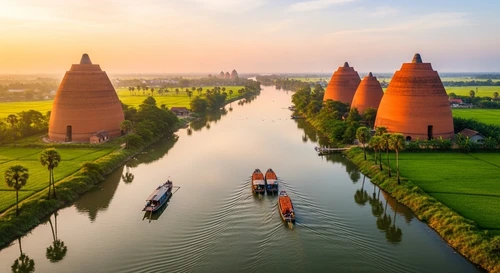
Consider the ancient Brick Kilns of Vinh Long. These massive, almost alien structures, like clay pyramids smoking against the horizon, are a sight to behold. For generations, families have toiled in the heat, crafting bricks by hand from the region's rich red clay. The process is arduous and intensely manual, a stark contrast to modern manufacturing. However, with the decline of traditional building methods and the rise of concrete, these kilns are becoming fewer and far between, their future as uncertain as the fate of the floating markets.

Brick Kilns of Vinh Long: The Mekong's Red Clay Pyramids
Sailing down the Co Chien river, you'll spot massive, ancient-looking structures smoking in the distance. Uncover the brutal, beautiful craft of Mekong brickmakers.
Read More →Similarly, towns like Chau Doc, on the border with Cambodia, embody a unique multicultural spirit. Here, mosques stand alongside Buddhist temples, and the river teems with floating fish farms. It’s a vibrant hub of different faiths and livelihoods, a microcosm of the Delta’s diverse influences. While it remains a vital trading post, the nuances of its multicultural blend are always in flux, shaped by regional development and cross-border dynamics.
Innovating on the Water: Adapting to Survive
Not all is doom and gloom for the Delta’s aquatic marketplaces. Some communities are finding ways to adapt. Many vendors, particularly younger generations, are embracing technology. They use smartphones to connect with buyers outside market hours, arrange deliveries, and even promote their goods online. This hybrid approach allows them to benefit from the traditional market's visibility while also tapping into wider customer bases.
Furthermore, a growing focus on "experiential tourism" means some markets are reinventing themselves. Instead of purely being places of trade, they are becoming destinations. Visitors are offered more than just produce; they get a cultural immersion. This can range from cooking classes on floating kitchens to boat tours that highlight the unique ecosystems and local crafts. For some vendors, catering to tourists has become a more lucrative venture than traditional wholesale trade.
More Than Just Commerce: A Cultural Tapestry
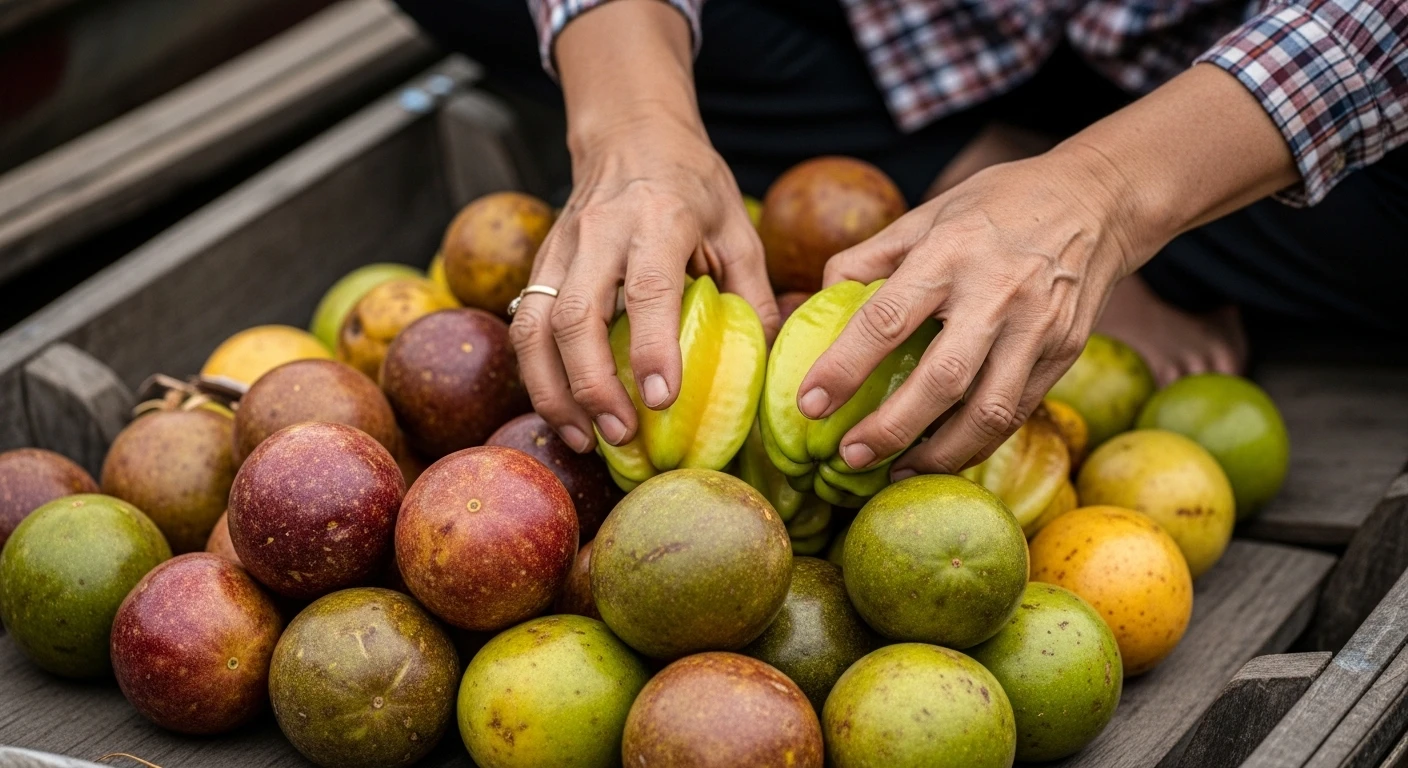
The decline of the floating markets is about more than just losing a picturesque scene for postcards. It signifies a shift in the very fabric of Mekong Delta life. For generations, the river has been the primary source of livelihood, social interaction, and cultural identity. The floating market was the vibrant heart of this aquatic existence.
When these markets shrink, it means fewer people rely on the river for their primary income. It means a potential loss of traditional knowledge passed down through generations, from navigating the currents to understanding the nuances of produce seasonality. It represents a subtle, yet profound, disconnect from the very elements that define this unique region. The sound of boat engines may still fill the dawn air, but the symphony of commerce is slowly losing its crescendo.
The Inevitable March of Modernity
It's easy to romanticize the past, but progress is a powerful force. The roads are more efficient. The supermarkets offer wider choices and convenience. For many Vietnamese, especially younger generations, this is simply a better way of life. The arduous labor of long-distance trading on the water is being replaced by more comfortable, potentially more profitable, land-based ventures.
This transition isn't necessarily a tragedy, but a natural evolution. The challenge for the Mekong Delta, and for travelers who cherish its unique traditions, is to find a balance. How can the region honor its rich heritage while embracing the future? Perhaps it lies in preserving a few key markets as cultural showcases, supporting vendors who choose to maintain the tradition, and educating visitors about the significance of what they are witnessing.
A Fading Reflection
The Mekong Delta's floating markets are more than just a tourist attraction; they are a living testament to human ingenuity, a vibrant hub of community, and a crucial link to a historical way of life. Their slow disappearance is a poignant reminder that even the most enduring traditions are subject to the winds of change.
If you have the chance to visit, do so with open eyes and a curious heart. Go early, embrace the chaos, haggle good-naturedly, taste the local delights, and soak in the atmosphere. For in the bobbing boats and the calls of the vendors, you're not just witnessing a market; you're seeing a reflection of the Mekong's soul, a soul that, like its waters, is constantly flowing and transforming. The question remains: can its most vibrant reflections endure?