Whispers of the Sacred: Ha Nam's Embrace
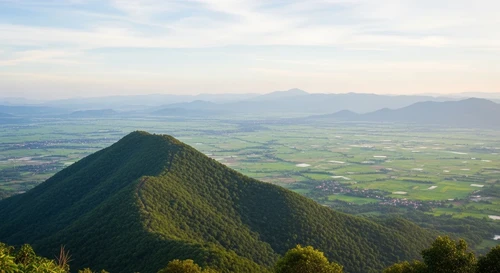
Vietnam is a land where spirituality is woven into the very fabric of daily life. Beyond the bustling metropolises and the serene Mekong Delta, there are pockets of profound peace, places where the sheer scale of devotion leaves you breathless. Ha Nam province, just a stone's throw from Hanoi, is one such sanctuary. It's here, amidst a landscape of dramatic karst mountains and serene waters, that you'll find Tam Chuc Pagoda – a place that redefines spiritual architecture and beckons the soul.

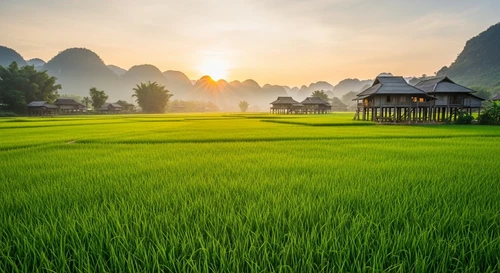
The majestic Tam Chuc Pagoda complex, a symphony of stone and spirit against the backdrop of Ha Nam's karst peaks.
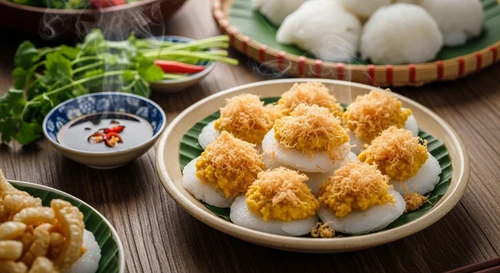
This isn't just another temple; it's a monumental testament to Buddhist art and philosophy, designed to be the world's largest pagoda complex. But Ha Nam's charm extends beyond its spiritual heart. The province is also the birthplace of Phu Ly, a city famous for a culinary delight that perfectly complements the tranquility of Tam Chuc: Banh Cuon, delicate rolled rice pancakes, often paired with succulent grilled pork. This journey offers a duality: the soaring spirit of ancient faith and the grounded comfort of exquisite local cuisine.
The Voyage to Tam Chuc: Sailing into Serenity
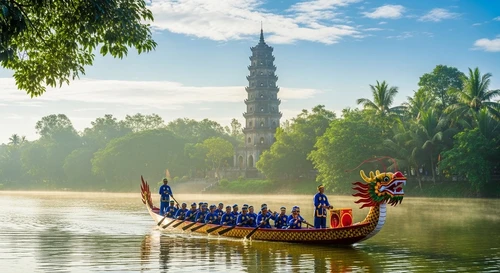
The approach to Tam Chuc Pagoda is an experience in itself, a prelude to the grandeur that awaits. Imagine this: you're in Ha Nam, the air carrying the scent of earth and distant incense. Your destination lies across a vast, shimmering lake, often veiled in a soft, ethereal mist that lends the entire landscape an otherworldly quality.
To reach the heart of the complex, you embark on a boat. As the gentle waves lap against the hull and the mist curls around the dramatic limestone peaks that dot the horizon, you feel a sense of detachment from the outside world. This tranquil boat ride is more than just transport; it's a ritual, a slow decompression, a transition from the everyday into a realm of contemplation and spiritual awe. The sheer scale of the mountains reflected in the water, coupled with the emerging silhouette of the pagoda, is a sight that commands silence.
Tam Chuc Pagoda: A Monumental Masterpiece
Upon arrival, the sheer scale of Tam Chuc Pagoda is staggering. Spread across hundreds of hectares, it is meticulously designed to harmonize with its natural surroundings. The complex is an ambitious project, aiming to become a significant center for Buddhist pilgrimage and learning. What sets Tam Chuc apart is its architectural philosophy: an integration of natural elements with Buddhist symbolism.
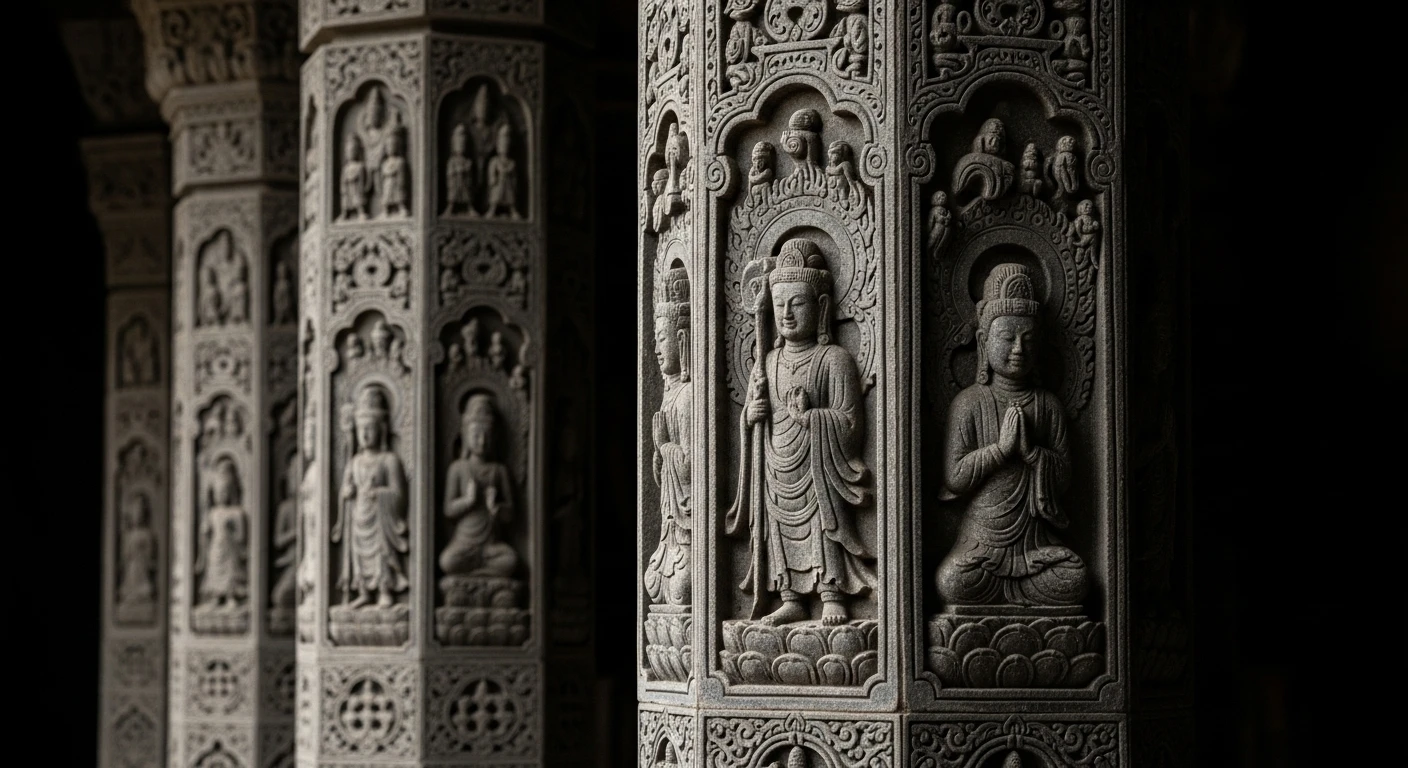
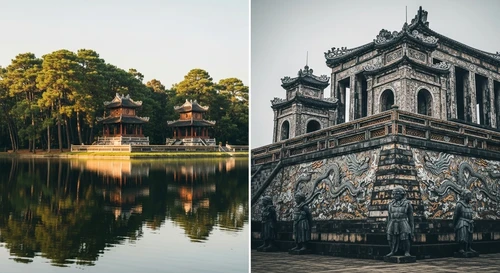
The intricate details of the pagoda's stone carvings tell stories of Buddhist lore.
The main structures are built from granite and local stone, meticulously carved with Buddhist deities, epics, and motifs. You'll find massive prayer halls, towering stupas, and serene courtyards, all designed to evoke a sense of peace and grandeur. The central feature, the Tam Chuc Pagoda itself, is designed to be a landmark of immense spiritual significance, envisioned as a beacon of Buddhism. The vast scale isn't just for show; it represents the boundless nature of compassion and enlightenment. Wandering through its halls, touching the cool stone, and gazing at the intricate artwork, one can't help but feel a profound connection to the spiritual aspirations it embodies.
This endeavor is a modern marvel, blending traditional craftsmanship with contemporary scale, reflecting Vietnam's deep-rooted Buddhist heritage and its aspirations on the global spiritual stage.
The Spiritual Heart: Contemplation and Connection
While the architecture is undoubtedly awe-inspiring, Tam Chuc is fundamentally a place for reflection. The vastness of the complex encourages a slowing down, an introspection that is often difficult to find in our fast-paced world. The carefully curated gardens, the tranquil lakeside, and the serene interiors of the pagodas all contribute to an atmosphere conducive to meditation and mindfulness.
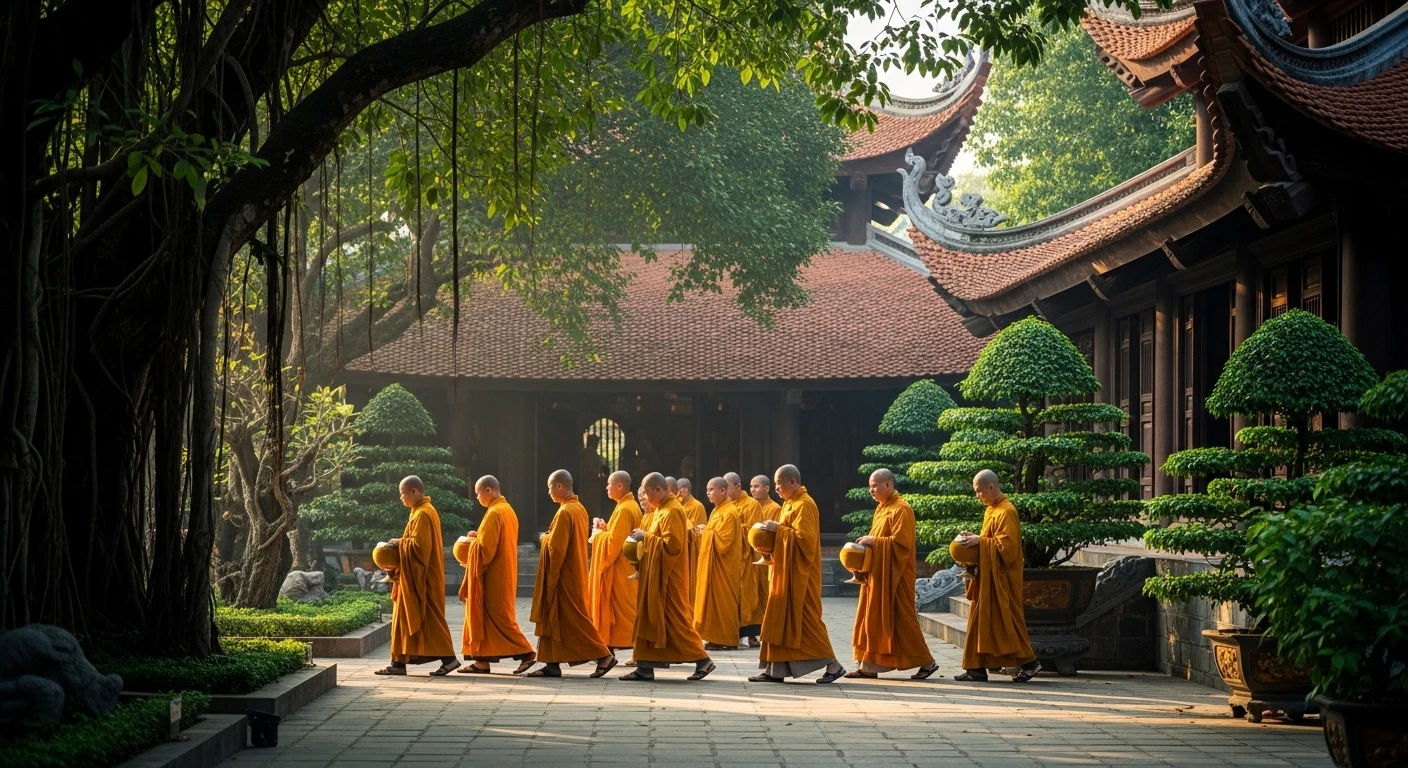
The quiet dignity of monks moving through the sacred grounds.
You might encounter monks chanting, devotees offering prayers, or simply visitors like yourself, drawn to the palpable sense of peace. The sheer size of the prayer halls, often adorned with thousands of Buddha statues and intricate murals, amplifies the feeling of collective spiritual energy. It's a place where the echoes of centuries of Buddhist tradition resonate, not just in the stone and mortar, but in the very air you breathe. The careful placement of each structure, the flow of the pathways, all speak to a design that aims to guide the visitor towards inner calm.
The Comfort of Cuisine: Phu Ly's Banh Cuon
After a morning steeped in spiritual grandeur, the call of sustenance becomes insistent. And in Ha Nam, that call is answered by the humble, yet exquisite, Banh Cuon of Phu Ly. This dish is a revelation in simplicity and flavor, a perfect counterpoint to the vastness of Tam Chuc.
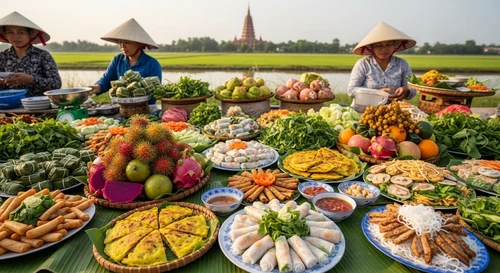
Picture this: a street-side stall in Phu Ly, the air thick with the steamy aroma of rice batter. Skilled vendors artfully pour a thin batter onto a steaming cloth stretched over a pot of boiling water. In moments, a translucent, delicate pancake forms. This is then deftly rolled, often with a savory filling of minced pork and wood ear mushrooms, creating a soft, ethereal parcel.
The magic doesn't stop there. These delicate rolls are served with a side of flavorful dipping sauce (nuoc cham), a sprinkle of crispy fried shallots, and often, a side of thinly sliced grilled pork or cha lua (Vietnamese pork roll). The interplay of textures – the melt-in-your-mouth softness of the banh cuon, the slightly chewy grilled pork, the crisp shallots – and the balance of savory, sweet, and tangy flavors is pure culinary poetry. It's the kind of food that feels both nourishing and deeply satisfying, a grounding experience after a day of spiritual exploration.
Experiencing Ha Nam: Logistics and Delights
Ha Nam province is an accessible and rewarding destination for those looking to experience Vietnam's spiritual heart and culinary soul.
Getting There: The most common gateway to Ha Nam is via Hanoi. From Noi Bai International Airport (HAN) in Hanoi, you can arrange private transport, take a comfortable bus, or even a train to Ha Nam province. The journey typically takes around 1.5 to 2 hours, making it an ideal day trip or a relaxed overnight stay from the capital.
At Tam Chuc Pagoda: Once you reach the vicinity of the pagoda, you'll likely embark on the scenic boat ride across the lake to the main complex. Within the pagoda grounds, walking is the primary mode of exploration. Comfortable footwear is a must, as there is a lot to see. Entrance to the pagoda complex itself is generally free, though the boat ride will have a fee.
Savoring Banh Cuon in Phu Ly: Phu Ly city is the heart of Banh Cuon tradition in Ha Nam. You can easily find local eateries and street vendors serving this delicacy. Ask locals for their favorite spots; authenticity often lies off the beaten path. Many restaurants will offer set meals including banh cuon and grilled pork, providing a complete taste of Phu Ly.
Best Time to Visit: The dry season, from October to April, offers pleasant weather for exploring the outdoors and the pagoda. The misty mornings, particularly in the cooler months, can add a magical, serene quality to the lake and the pagoda landscape.
From Karsts to Canals: A Tale of Two Vietnams
While Ha Nam offers a glimpse into Vietnam's northern spiritual landscapes, it stands in stark contrast to the southern vitality of the Mekong Delta. The Delta, a labyrinth of rivers and canals, is characterized by its lush greenery, bustling floating markets, and a food culture deeply tied to the bounty of its waterways.
Whereas Tam Chuc is a monument of stone and serene contemplation, the Mekong Delta pulsates with life, commerce, and a more earthy, robust cuisine. Dishes here often feature fresh river fish, plump shrimp, and an abundance of tropical fruits and herbs. The pace is slower, dictated by the currents, but the spirit is vibrant and entrepreneurial.
Think of the difference between the hushed reverence of a grand pagoda and the boisterous energy of a Cai Be floating market. Both are essential facets of Vietnam, showcasing the nation's incredible diversity. The focus in Ha Nam is on spiritual architecture and refined delicacy like Banh Cuon, while the Mekong is about raw ingredients, rustic cooking, and the daily hustle of a riverine existence. This contrast highlights the multifaceted nature of Vietnamese culture – a land of profound spiritual depth and vibrant, delicious everyday life.
To truly appreciate Vietnam's diverse culinary landscape, explore the vibrant flavors of the Mekong Delta:
Discover the Flavors of the Mekong DeltaMore Than Just Food: The Soul of Banh Cuon
Banh Cuon, especially in Phu Ly, is more than just a meal; it's a cultural anchor. It represents comfort, family, and tradition. The meticulous process of making it, the communal aspect of sharing it, and the pride locals have in their regional specialty all speak to its deep cultural significance.
For many Vietnamese, Banh Cuon evokes childhood memories, cozy family breakfasts, or quick, satisfying meals shared with friends. Its delicate nature requires skill and attention, a testament to the care that Vietnamese cuisine often places on presentation and refinement, even in its most humble forms. It’s a food that embodies patience and precision, mirroring the serene, contemplative spirit found at Tam Chuc Pagoda. The shared experience of enjoying Banh Cuon, often in a lively, bustling local eatery, brings people together, fostering a sense of community and shared identity.
Whispers of Wisdom: Tips for Your Pilgrimage
To make the most of your visit to Tam Chuc Pagoda and Phu Ly, a few practical tips can enhance your experience:
- Dress Respectfully: As you are visiting a religious site, it's important to dress modestly. Cover your shoulders and knees.
- Pace Yourself: The pagoda complex is vast. Allow ample time to explore without rushing. Consider wearing comfortable shoes.
- Hydration is Key: Especially during warmer months, carry water.
- Embrace the Local Pace: When dining on Banh Cuon, relax and enjoy the process. It's a slower, more deliberate culinary experience.
- Learn a Few Phrases: While not essential, knowing basic Vietnamese greetings can enhance your interactions with locals.
A Journey for the Senses and the Soul
Ha Nam province offers a profound duality: the majestic, soul-stirring grandeur of Tam Chuc Pagoda and the comforting, exquisite simplicity of Phu Ly's Banh Cuon. It’s a journey that engages both the senses and the spirit, a perfect microcosm of Vietnam's rich cultural tapestry.
Whether you're standing in silent contemplation amidst ancient stone carvings or savoring the delicate layers of a perfectly rolled pancake, you're experiencing the heart of Vietnamese devotion and culinary artistry. This is not just a destination; it's an invitation to connect, to reflect, and to taste the true essence of Vietnam.
So, if you seek a journey that offers both spiritual enlightenment and culinary delight, set your sights on Ha Nam. Let the mist-laden waters guide you to Tam Chuc, and let the steamy aroma of Banh Cuon lead you to the heart of Phu Ly. It's an experience that will linger long after you've departed.