Saigon's Backyard Oasis: The Enchanting Can Gio Mangroves
Just a stone's throw from the relentless hum of Ho Chi Minh City lies a world apart – an emerald labyrinth of saltwater creeks, dense foliage, and a vibrant ecosystem that serves as the city's vital green lung. This is Can Gio Mangrove Biosphere Reserve, a UNESCO World Heritage site and a testament to nature's resilience. For travelers seeking an authentic escape from the urban sprawl, a day trip to Can Gio offers a potent blend of wildlife encounters, unique landscapes, and a surprising culinary adventure. Forget the manicured parks; this is the wild heart of Vietnam's southern coast.
Navigating the intricate waterways of Can Gio by speedboat is the quintessential way to experience its lush density.
From City Buzz to Mangrove Hush: The Approach
The adventure typically begins with a journey south from Ho Chi Minh City. While an overland drive is possible, the most exhilarating way to enter the biosphere is by speedboat. As the concrete jungle recedes, replaced by scattered villages and then the first whispers of saline air, you'll feel the city's grip loosen. The landscape gradually transforms. The roads become narrower, giving way to muddy banks fringed with the characteristic stilted roots of mangrove trees. The air thickens, carrying the earthy, damp scent of decaying leaves and the faint, briny tang of the sea.
This journey isn't just a commute; it's a sensory immersion. You'll see local life unfolding along the waterways – fishermen tending their nets, children playing by the water's edge, and small boats ferrying goods. It's a vivid reminder that this seemingly wild place is also a living, breathing community deeply connected to the riverine landscape.
Welcome to Monkey Island: Where Macaques Rule
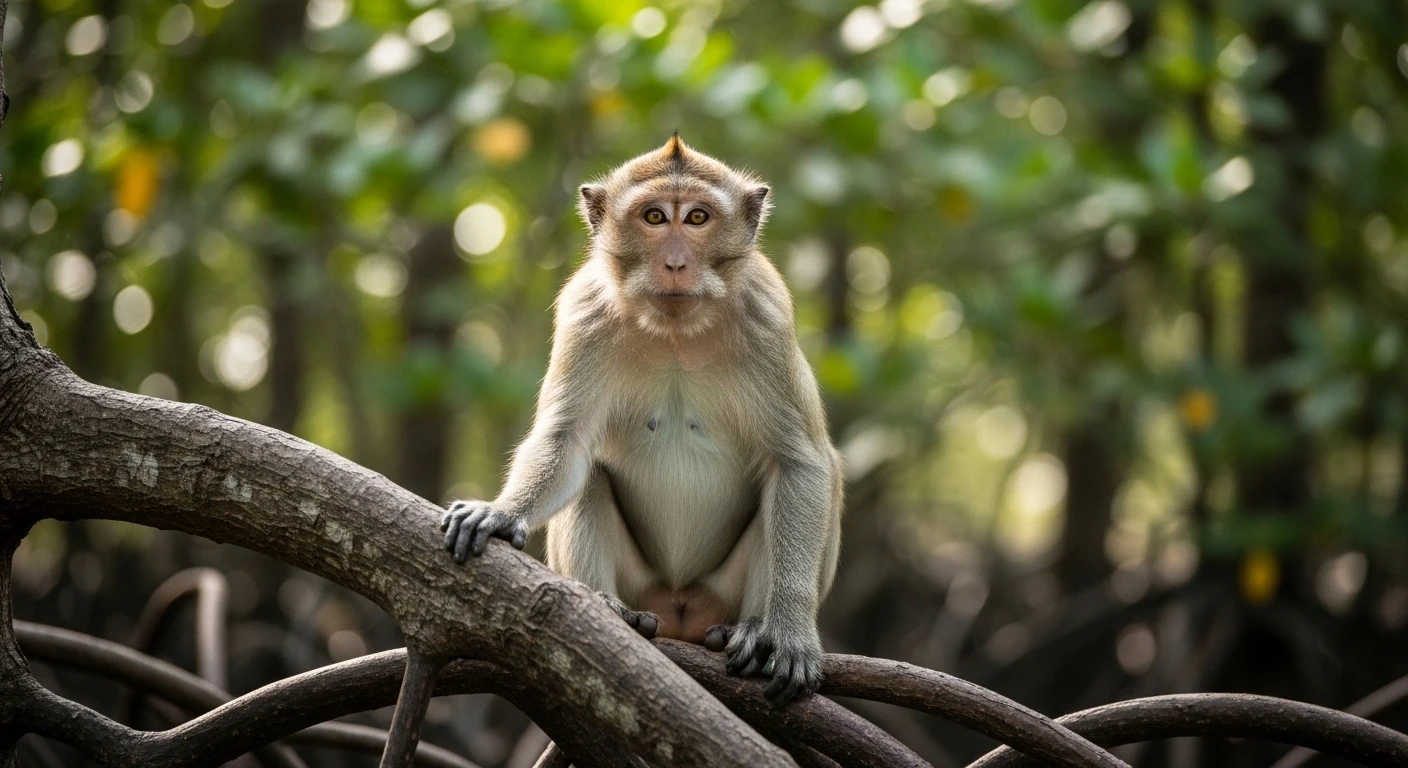
The undisputed stars of Can Gio's wildlife show are its macaques. While often referred to as "Monkey Island," it's more accurately a series of islands and banks within the reserve where these primates thrive. As your speedboat approaches, you'll likely spot them first – scampering along the tangled roots, grooming each other in the dappled sunlight, or perched with an air of regal ownership.
These are not your docile zoo inhabitants. The macaques of Can Gio are wild and, at times, fiercely opportunistic. They are habituated to human presence, making for incredibly close encounters. The cardinal rule here: guard your belongings. Shiny objects, plastic bags, and even loose food can become instant targets for these clever, nimble creatures. A common sight is a monkey boldly approaching visitors, its eyes fixed on a water bottle or a stray camera strap. It's a thrilling, albeit slightly nerve-wracking, dance of coexistence.
Beyond the macaques, keep your eyes peeled for other inhabitants. Birdlife is abundant, with various species of kingfishers, herons, and egrets flitting through the canopy. If you're lucky, you might even spot a crocodile, though they are more commonly encountered in dedicated crocodile farms or ecological parks within the larger reserve.
Masters of the Mud: The Peculiar Mudskipper
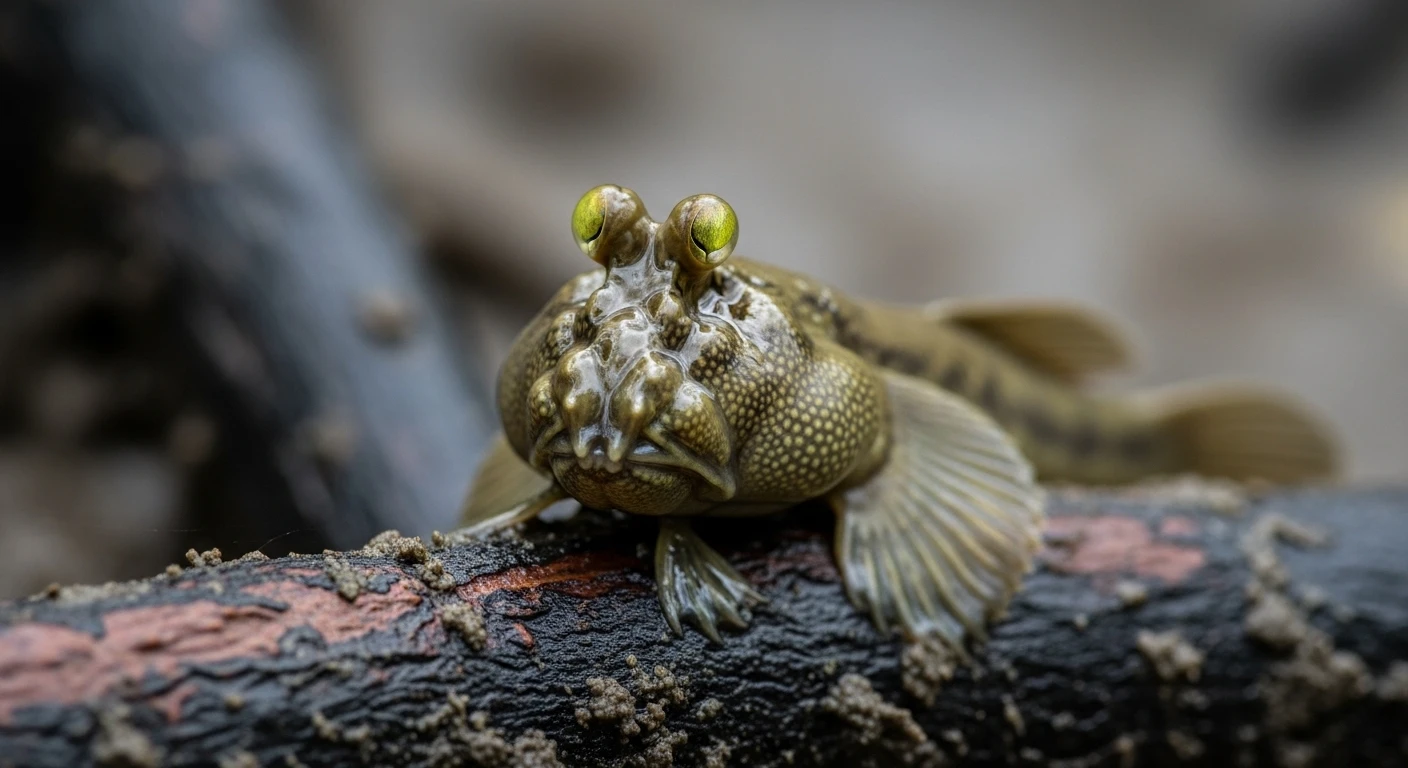
As the speedboat glides through the shallower channels and across the exposed mud flats at low tide, you'll notice small, peculiar creatures scuttling amongst the roots. These are the mudskippers, fish that have adapted to life both in and out of water. With their bulging eyes perched atop their heads, giving them an almost alien appearance, they are a fascinating marvel of evolution.
Mudskippers "walk" on their pectoral fins, forage for food on the muddy substrate, and can even "breathe" through their skin and gills when submerged. They are the unsung heroes of the mangrove ecosystem, playing a crucial role in nutrient cycling. Spotting these amphibious fish is a true highlight for any nature enthusiast, a testament to the unique biodiversity of this wetland.
Their presence underscores the importance of the mangrove environment. These coastal forests are nurseries for marine life, protectors against erosion and storm surges, and vital carbon sinks. Can Gio's protected status ensures these critical functions continue, benefiting both the local ecology and the health of the wider region.
A Taste of the Tide: Can Gio's Unique Cuisine
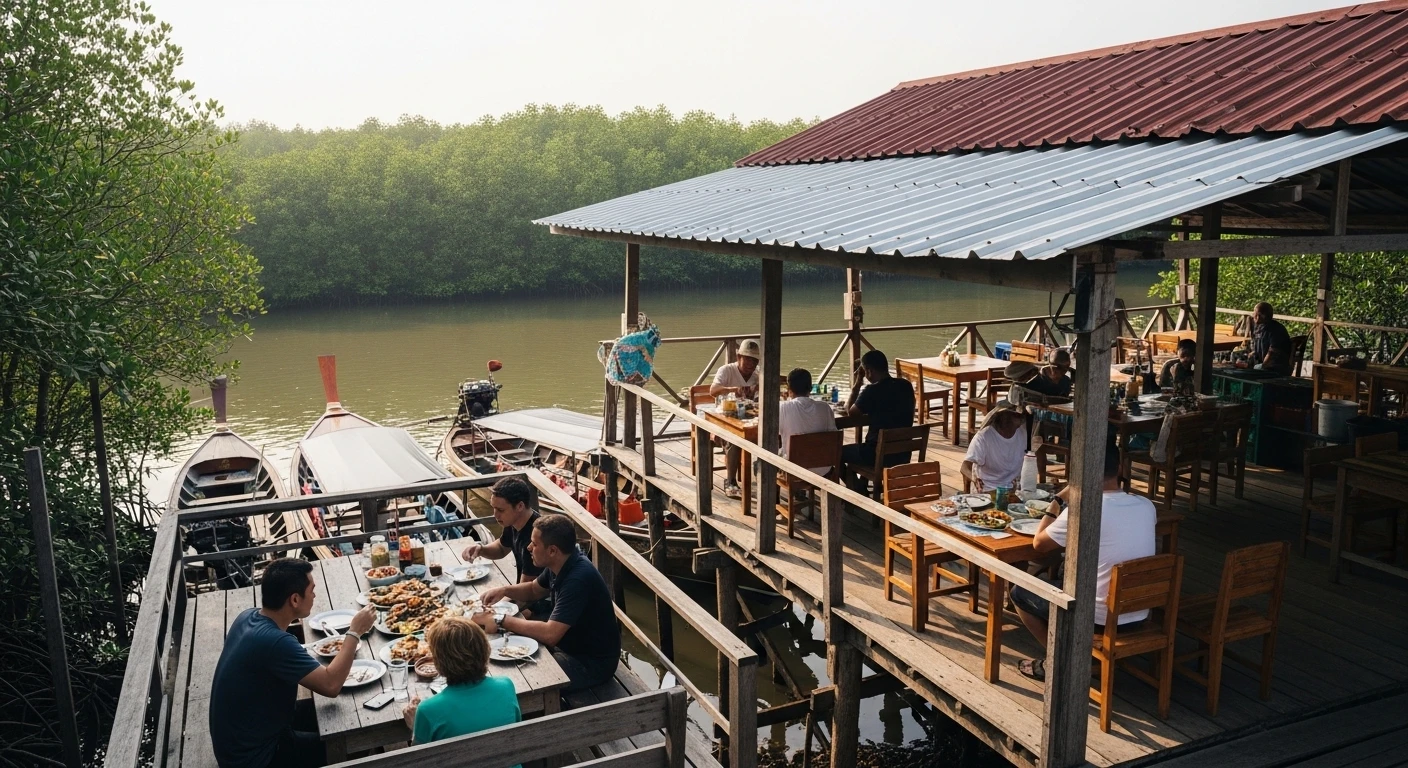
The Can Gio experience extends beyond wildlife and landscapes; it tantalizes the taste buds with distinctly local flavors. Scattered throughout the biosphere are simple, open-air restaurants built on stilts or nestled along the waterways, where fresh seafood is the order of the day. The true local delicacy, and perhaps the most intriguing, is the grilled mudskipper.
Prepared simply, often marinated with garlic, chili, and a splash of fish sauce, and then grilled over charcoal, the mudskipper offers a unique flavor profile. Its flesh is firm, with a distinct, slightly earthy taste that speaks of its muddy origins. It’s not a dish for the faint of heart, but for the adventurous eater, it's an unforgettable introduction to the true flavors of the Mekong’s coastal reaches.
Beyond the mudskipper, you'll find an abundance of other fresh catches: succulent grilled prawns, various species of local fish cooked in savory broths or steamed with ginger and spring onions, and an array of shellfish. Enjoying these meals amidst the natural beauty of the mangroves, with the sounds of nature as your soundtrack, is an experience that nourishes both body and soul. It’s a far cry from the bustling street food stalls of Saigon, offering a more serene, nature-infused culinary journey.
Beyond the Mangroves
Curious about other wild corners of Vietnam? Discover more natural wonders.
🐒 Explore Vam Sat Ecological ParkThe Green Lung of Saigon: More Than Just a Day Trip
Can Gio's importance extends far beyond its appeal as a tourist destination. As a designated UNESCO Biosphere Reserve, it plays a critical role in the ecological health of the entire region. The mangrove forests act as a natural buffer, protecting the sprawling metropolis of Ho Chi Minh City from tidal surges and coastal erosion – a vital service in a low-lying delta region increasingly vulnerable to climate change.
These vibrant ecosystems are also crucial nurseries for numerous fish and shellfish species, supporting the livelihoods of coastal communities and contributing to Vietnam's rich seafood industry. The dense root systems filter water, improve water quality, and provide habitat for a staggering array of biodiversity, from the playful macaques and peculiar mudskippers to countless avian species and marine life.
Navigating Can Gio: Tips for a Smooth Expedition
Planning a trip to Can Gio is relatively straightforward, making it an accessible escape from Saigon.
- Getting There: Most visitors opt for guided tours from Ho Chi Minh City, which typically include transportation (often by van) to the starting point for speedboats or direct boat tours. Independent travel is possible by renting a car with a driver or taking a local bus to Can Thanh town, and then arranging a local boat tour. The journey from central Saigon can take 1.5 to 2 hours depending on traffic and mode of transport.
- Best Time to Visit: Can Gio can be visited year-round. The dry season (December to April) offers more pleasant weather, but the greenest scenery and lushness are often found during the wet season (May to November), provided you don't mind occasional tropical downpours.
- What to Bring:
- Insect Repellent: Essential for protection against mosquitoes and other biting insects.
- Sunscreen and Hat: The sun can be intense, especially on the water.
- Camera: For capturing the wildlife and unique scenery.
- Snacks and Water: While food is available at the restaurants, having your own is wise.
- Lightweight, Quick-Drying Clothing: Comfortable attire suitable for humid weather.
- Secure Bag: Absolutely crucial for protecting your belongings from the macaques! A backpack with zippers is recommended.
- Entrance Fees: Be aware that there are often entrance fees for the biosphere reserve and specific attractions like Monkey Island. These are usually included in tour packages.
Echoes of the Delta
Can Gio is more than just a place to see monkeys and eat exotic fish; it’s a profound reminder of the delicate balance of nature and the importance of preserving these vital ecosystems. It’s a chance to reconnect with the wild, to witness the tenacity of life in one of Vietnam’s most significant natural treasures. For any traveler in Ho Chi Minh City, a detour into the emerald embrace of the Can Gio mangroves offers a refreshing, enriching, and utterly memorable experience, a true taste of the untamed Mekong Delta right on the city's doorstep.

Discover More Mangrove Wonders:
Just an hour from the chaotic city lies an immense, murky mangrove forest. Take a speedboat through the wetlands to meet thousands of aggressive macaque monkeys and giant crocodiles.
Can Gio Mangrove Biosphere: Saigon's Monkey Island