The Emerald Embrace of Moc Chau
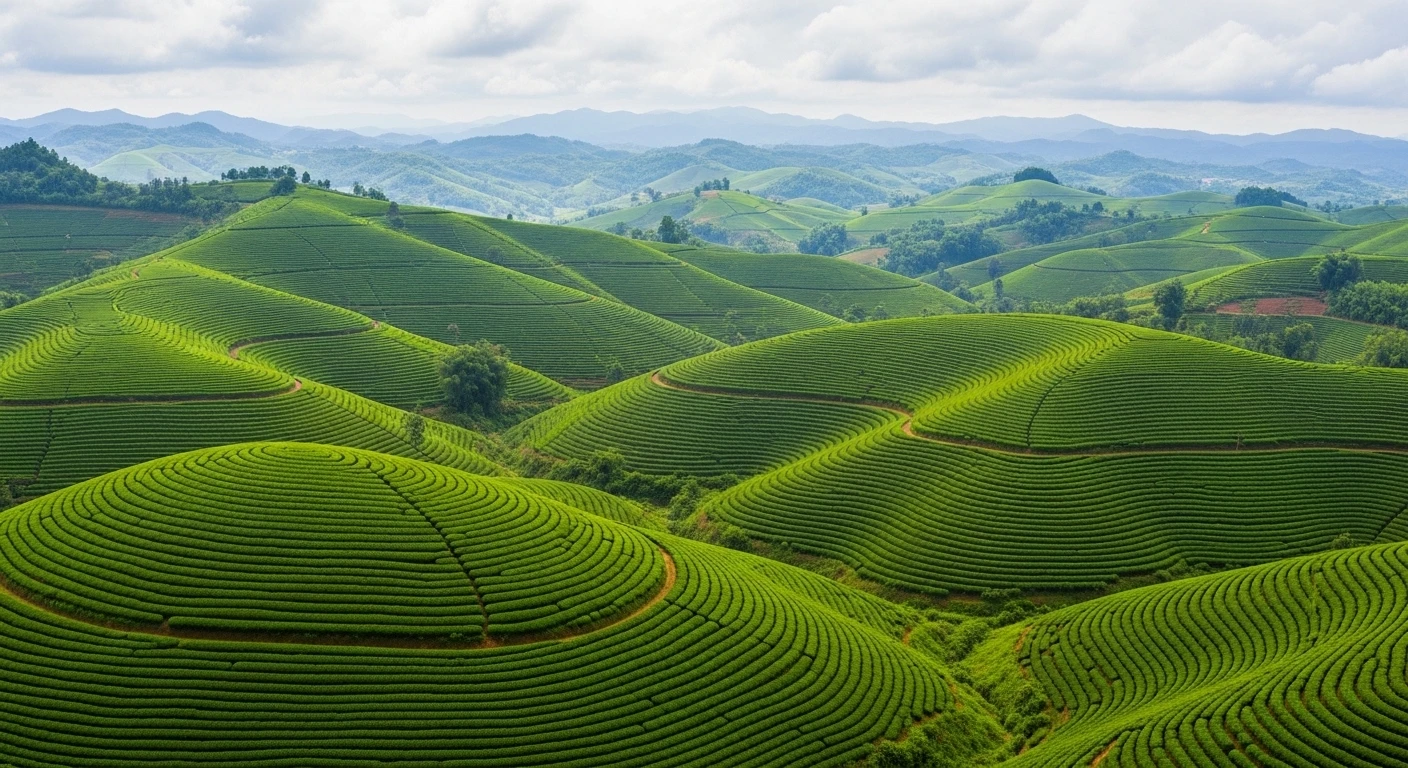
In the misty highlands of northern Vietnam, perched precariously in Son La province, lies a landscape so breathtakingly green it feels like stepping into a dream. This is Moc Chau Plateau, a place where rolling hills aren't sculpted by nature alone, but meticulously shaped by human hands into vast, undulating carpets of tea. Forget manicured gardens; Moc Chau is an agricultural tapestry woven on a grand, raw scale, a testament to the enduring spirit of Vietnam's ethnic minority communities and their deep connection to the land.
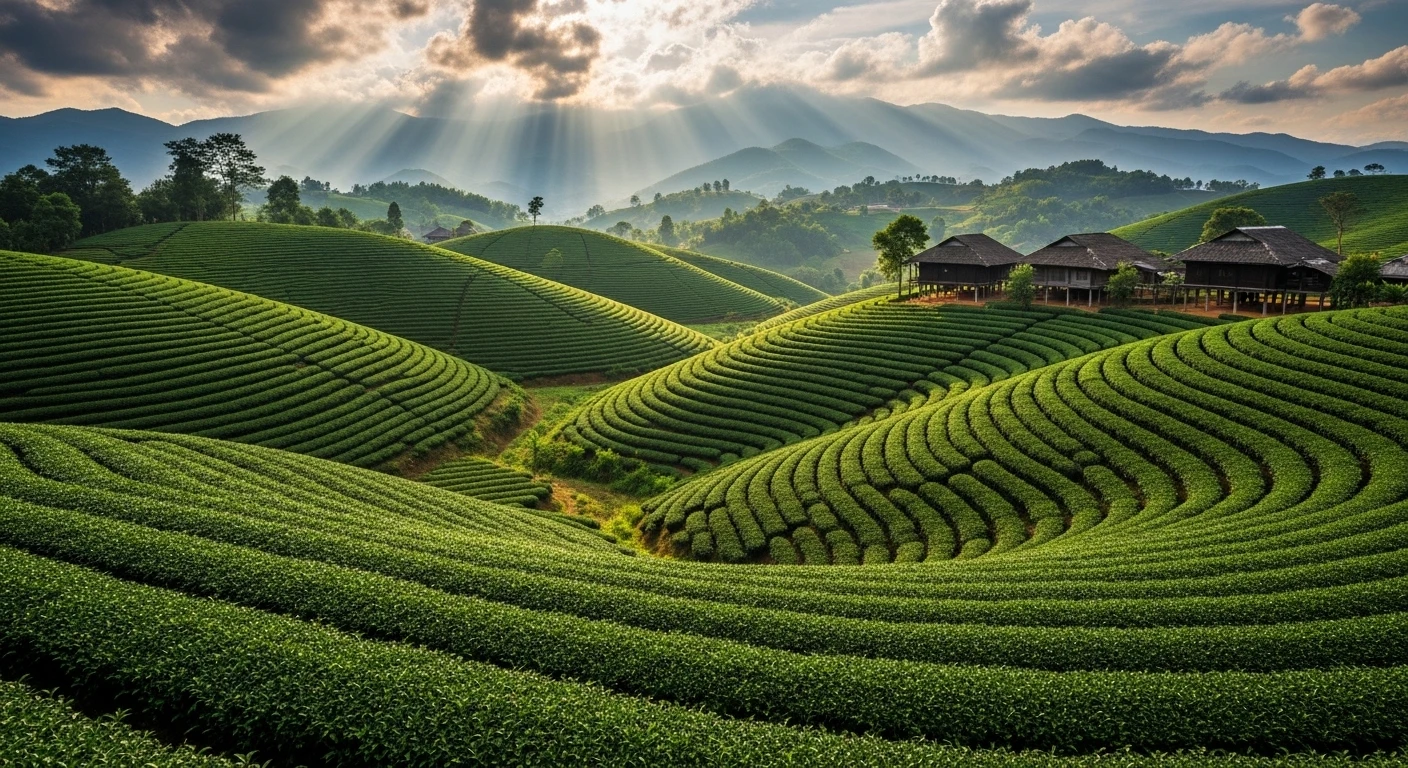
The iconic, sweeping tea plantations of Moc Chau, a testament to generations of cultivation.
This isn't just a pretty vista; it's a living, breathing agricultural heartland. Beyond the endless green of tea, Moc Chau surprises with its seasonal explosions of color – vibrant plum blossoms in winter, followed by the sweet scent of ripe plums hanging heavy on the branches come summer. Renting a scooter here is not merely a mode of transport; it's an invitation to intimately explore this vast, verdant expanse, to feel the cool highland air on your face as you navigate winding paths that lead to unexpected vistas and local encounters.
Embarking on the Highland Route
Moc Chau lies about 300 kilometers northwest of Hanoi. While the journey can be undertaken by bus, for the true explorer, the freedom of a rented motorbike is unparalleled. The route itself is a gradual ascent, a visual preamble to the grandeur that awaits. As you leave the chaotic energy of the capital behind, the landscape begins to shift. Limestone karsts that dot the northern Vietnamese scenery become more pronounced, and the air starts to carry a crisp, clean chill.
The drive takes roughly five to six hours, depending on traffic and road conditions. Many travelers break the journey with stops in Hòa Bình province, but the true destination beckons with its promise of rolling hills. Upon arrival in Moc Chau town, the practicalities are straightforward: find a local guesthouse or homestay, and secure your trusty two-wheeled steed. This is your key to unlocking the plateau's secrets.
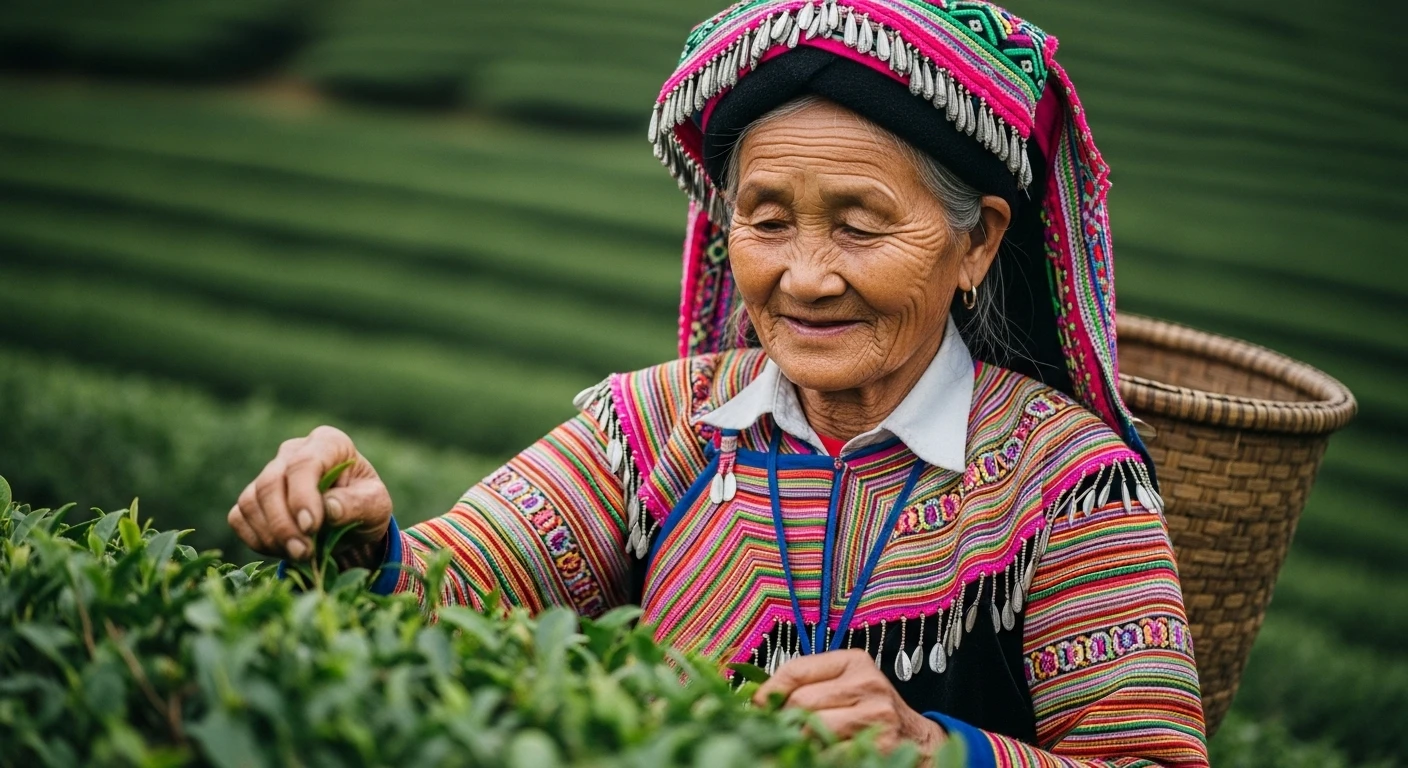
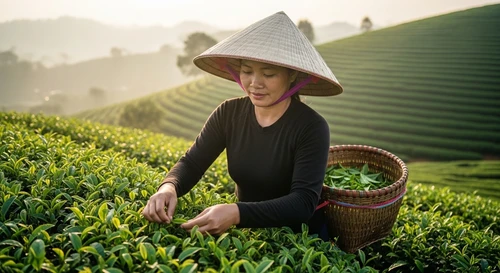
The hands that cultivate Moc Chau's famed tea leaves, embodying the region's agritourism spirit.
Lost in the Emerald Labyrinth
The true magic of Moc Chau unfolds when you set off on your scooter. The main arteries of the plateau are well-paved, but the real adventure lies in veering off onto the smaller dirt tracks that snake through the tea fields. These are the pathways that lead you not just through the plantations, but into the heart of the local communities. You'll pass stilt houses belonging to the H'mong and Thai ethnic groups, catch glimpses of daily life, and often be greeted with curious, welcoming smiles.
Key areas to explore include the famous tea hills near the town itself, often referred to as the "heart" of Moc Chau. Further afield, the Bai Sang tea plantation offers particularly stunning vistas, and the smaller, more remote fields feel like your own private paradise. Don't be shy about stopping to chat with the tea farmers. Many are happy to share insights into their craft, and a genuine smile goes a long way. Some may even offer you a taste of their freshly brewed, potent tea – a true highland elixir.
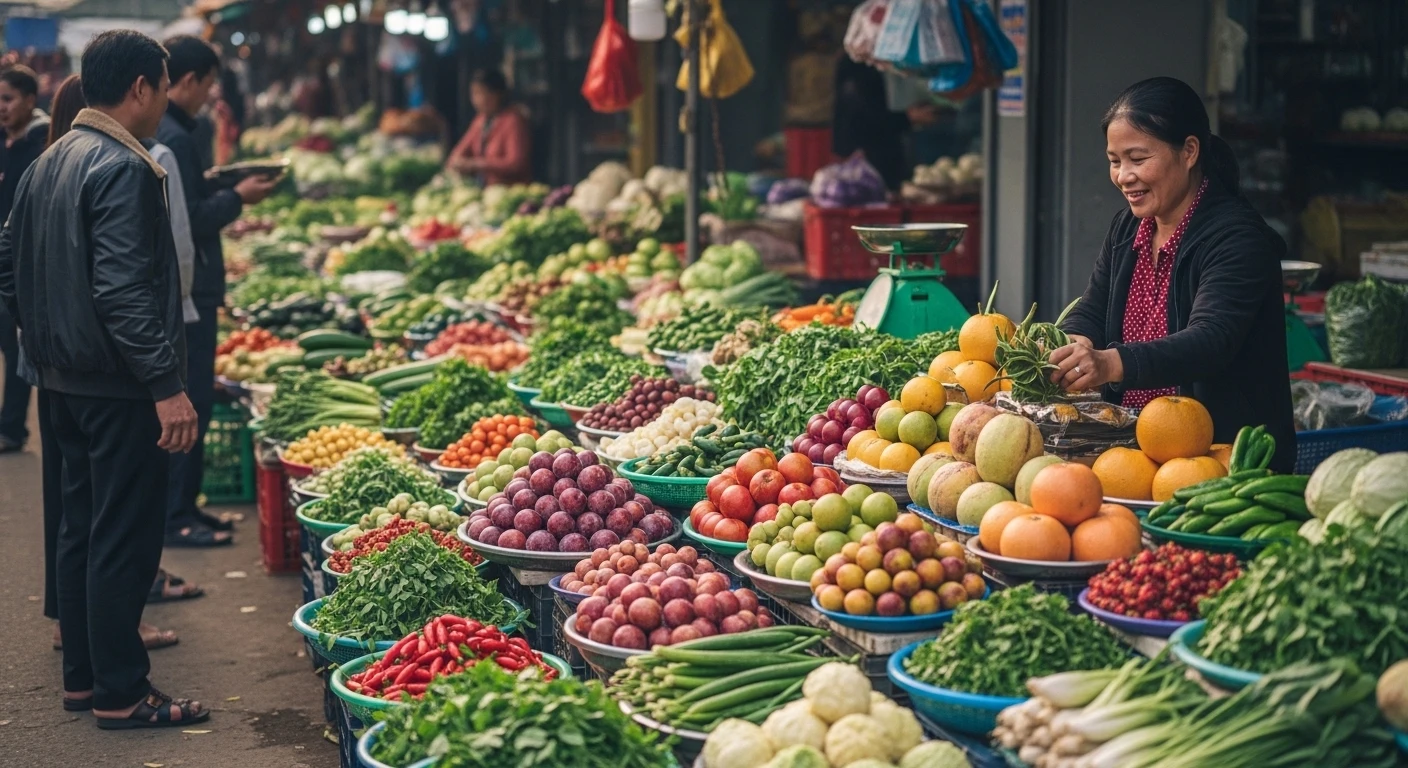
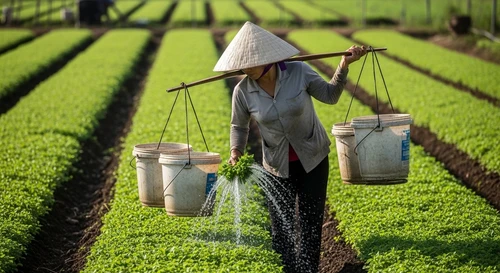
The vibrant local markets are where you'll find the freshest produce and experience the authentic pulse of Moc Chau.
A Plateau in Bloom
While the tea fields offer a year-round allure of verdant beauty, Moc Chau’s landscape transforms dramatically with the seasons, each offering a unique charm.
- Spring (February - April): This is arguably the most visually stunning time. The plateau erupts in a riot of pink and white as plum and peach blossoms carpet the hillsides, creating a breathtaking contrast against the deep green of the tea bushes. It's a photographer's paradise.
- Summer (May - August): The plum harvest season. The air is filled with the sweet fragrance of ripe plums, and you'll see locals busy collecting the fruit. The tea fields are lush and vibrant, benefiting from the warm, humid climate.
- Autumn (September - November): As the monsoon rains subside, Moc Chau enters a period of cooler, drier weather. The landscape remains green, and the crisp air makes for perfect exploration by scooter.
- Winter (December - January): This is the heart of plum blossom season, though the blossoms are typically at their peak in late January and early February. The weather can be quite cold, so pack warm layers. The stark beauty of the bare plum trees against the muted green of the tea fields has its own quiet charm.
The Sizzle and Spice: Unveiling Be Chao
You can explore every inch of Moc Chau's emerald hills, breathe in the pure highland air, and marvel at the sheer scale of its tea plantations, but you haven't truly experienced the plateau until you've tasted Be Chao. This isn't just a dish; it's an event, a culinary symphony played out in a cast-iron wok.
Be Chao, which roughly translates to "fried veal," is Moc Chau’s signature specialty. It’s a dish that perfectly encapsulates the spirit of the highlands: bold, hearty, and deeply flavorful. Imagine tender slivers of young veal, marinated in a fragrant blend of local spices, garlic, and chili, then flash-fried at searing high heat in a wok until impossibly tender and just kissed with char. The sound is a furious sizzle, the aroma an intoxicating mix of savory meat, pungent garlic, and fiery chili.
It's typically served piping hot, often still crackling in its cast-iron vessel, accompanied by fresh herbs like mint and basil, thinly sliced onions, and a fiery dipping sauce. The combination of the succulent veal, the aromatic herbs, and the spicy kick is nothing short of electrifying. It’s the kind of dish that warms you from the inside out, a perfect counterpoint to the cool highland evenings.
Tasting the Highland Hearth
While you might find variations of this dish in other parts of Vietnam, Moc Chau is its undisputed home. The best Be Chao is typically found in local eateries and restaurants frequented by residents and returning visitors. Don't expect Michelin stars; these are often humble establishments where the focus is squarely on the food.
Ask your guesthouse owner or any local for recommendations. They will likely point you towards spots that have been serving up this delicacy for generations. The key is to look for places that are busy, particularly during meal times – a sure sign of authenticity and quality. Many restaurants specializing in highland cuisine will feature Be Chao prominently on their menus.
Beyond the Iconic: A Taste of the Plateau
While tea plantations and Be Chao are Moc Chau's most celebrated draws, the region offers a richer culinary and cultural tapestry to explore. The local markets are a treasure trove of fresh produce, and you'll find an array of other regional specialties.
- Fresh Plum and Peach Products: During the season, don't miss fresh plums, or jams and dried fruits made from them.
- Local Honey: Moc Chau's wildflowers produce delicious, fragrant honey.
- Mountain Vegetables: Seasonal greens and root vegetables from the highlands offer unique flavors.
- Sticky Rice: Often prepared in bamboo tubes or with colorful natural dyes, a staple of ethnic minority cuisine.
- Local Wines: Some communities produce homemade rice wines, strong and potent, often consumed during celebrations.
Engaging with the local communities, perhaps through a homestay experience, offers the best chance to sample these less-commercialized, yet equally authentic, dishes.
Where Culture Meets Cultivation
Moc Chau is a prime example of successful agritourism in Vietnam. It’s a destination that offers not just scenic beauty, but a genuine connection to the land and the people who work it. The sustainability of the tea cultivation and the integrity of the local cuisine are deeply intertwined.
Visitors are encouraged to participate, whether it's a guided tour of a tea processing factory, learning about tea picking techniques, or simply enjoying a meal prepared with ingredients sourced directly from the surrounding farms. This model of tourism benefits the local economy directly, preserving the cultural heritage and the unique agricultural landscape for future generations.

Explore More Tea Culture:
Discover another stunning tea landscape in Vietnam!
Cau Dat Tea Hill: Cloud Hunting and Arabica BeansYour Highland Toolkit: Essential Tips
- Getting There: Buses depart daily from Hanoi's My Dinh Bus Station. For maximum flexibility, rent a motorbike in Hanoi or upon arrival in Moc Chau.
- Accommodation: Options range from budget guesthouses in Moc Chau town to charming homestays nestled within tea plantations. Book in advance during peak season.
- Best Time to Visit: Spring (Feb-Apr) for blossoms, Summer (May-Aug) for plum harvest. The tea fields are beautiful year-round.
- What to Pack: Comfortable walking shoes, layers of clothing (it can get cold!), rain gear, sunscreen, and insect repellent. Don't forget your camera!
- Currency: Vietnamese Dong (VND). ATMs are available in Moc Chau town.
- Language: Vietnamese is the official language. English is spoken in tourist establishments, but learning a few basic Vietnamese phrases will be appreciated.
An Unforgettable Highland Melody
Moc Chau Plateau is more than just a destination; it's an experience that imprints itself on your soul. The vast, rolling tea hills, the vibrant splash of seasonal blossoms, the genuine warmth of the local people, and the unforgettable sizzle of Be Chao – it all combines into a powerful, sensory narrative. It's a place that reminds you of the beauty of hard work, the sweetness of the earth, and the profound connection between land and cuisine.
So, if you're seeking an escape that offers both visual splendor and authentic culinary discovery, point your compass towards Son La province. Let the winding roads lead you to Moc Chau. Rent that scooter, feel the mist on your face, and let the emerald embrace of this extraordinary plateau captivate you. Your taste buds, and your spirit, will thank you.

Further North, More Highland Charm:
Discover another stunning highland gem, just a few hours from Hanoi.
Mai Chau Valley: Cycling Through the Peaceful Valley of the White Thai