The Mekong's Breath: A Land Forged by Water and Grit
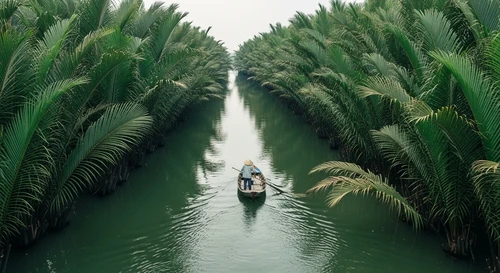
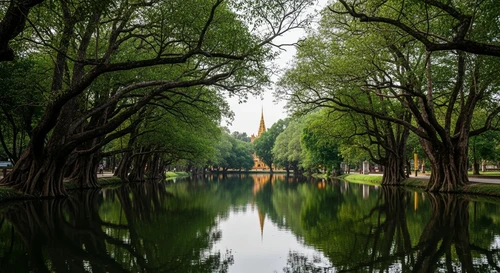
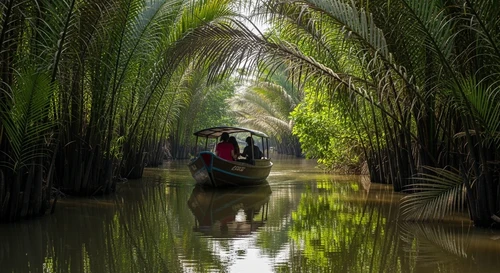
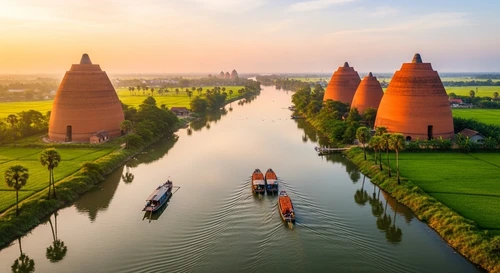
The Mekong Delta. Just uttering the name conjures images of emerald rice paddies stretching to the horizon, intricate networks of canals that serve as highways, and a life inextricably tied to the ebb and flow of Southeast Asia's mightiest river. It's a place where the earth itself feels alive, humid, and fertile. For generations, the people of this vast riverine landscape have learned to live in harmony with its bounty, developing skills that border on the primal, passed down from parent to child through sweat and shared wisdom.
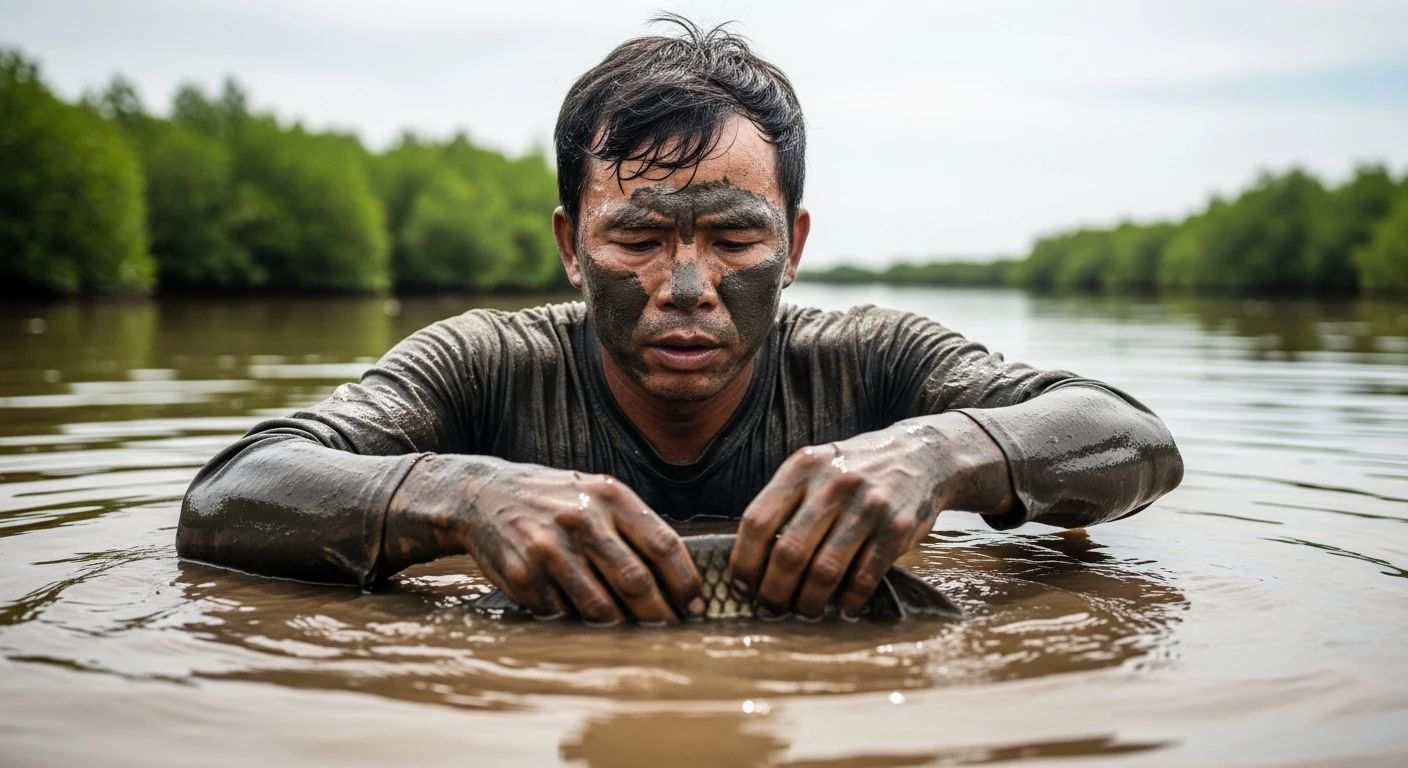
The prize: a hefty snakehead fish, wrested from the muddy depths of the Mekong."
This isn't a land of gentle fishing ponds or high-tech aquaculture farms. This is the raw, untamed Mekong, where survival often hinges on understanding the subtle language of the water, the mud, and the creatures that dwell within. And among the most visceral, most demanding of these skills, is the ancient art of hand-catching fish.
The Predator's Lair: Understanding the Snakehead and Its Domain
Our quarry for today is the formidable snakehead fish, a name that perfectly describes its predatory nature and reptilian-like head. These are not passive swimmers waiting to be hooked. Snakeheads are ambush predators, territorial, and possess an uncanny ability to survive out of water for extended periods, often burrowing into mud or damp soil. Their habitat? The shallow, silty backwaters, stagnant pools, and especially the muddy fringes of rice paddies and flooded fields that proliferate across the Delta.
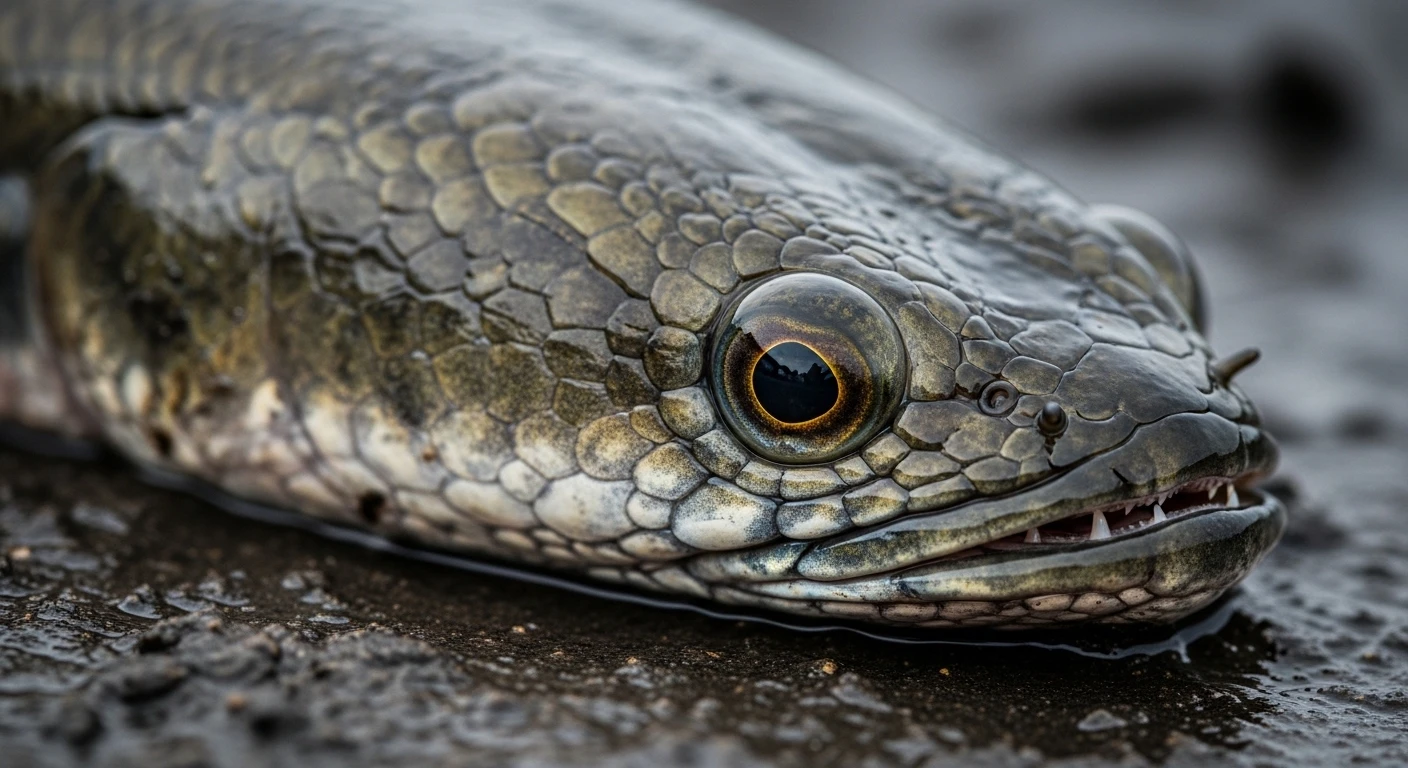
The snakehead: a tenacious and worthy adversary.
This is where the traditional methods come into play. Forget delicate lures or patient waits. Here, it’s about strategic immersion, keen observation, and a willingness to get down and dirty—literally. The process is a dance with the environment, a primal connection to the food chain that has sustained communities for millennia.
The Art of the Mud-Dive: Strategy and Stealth
The technique itself is fascinating in its simplicity and effectiveness. It begins with identifying likely snakehead haunts – areas where the water is murky, vegetation provides cover, or recent rains have created new, shallow pockets. The fisherman, often clad in minimal, quick-drying clothing, approaches with practiced stealth. The goal isn't to chase the fish but to corner it.
The hunter will wade into the water, often up to their chest, slowly and deliberately. They might use their feet to stir up the mud and silt, not to disorient, but to flush the fish out from its hiding place. The true art lies in knowing where the fish *will* go. As the mud clouds the water, visibility drops to near zero. This is where instinct and experience take over.
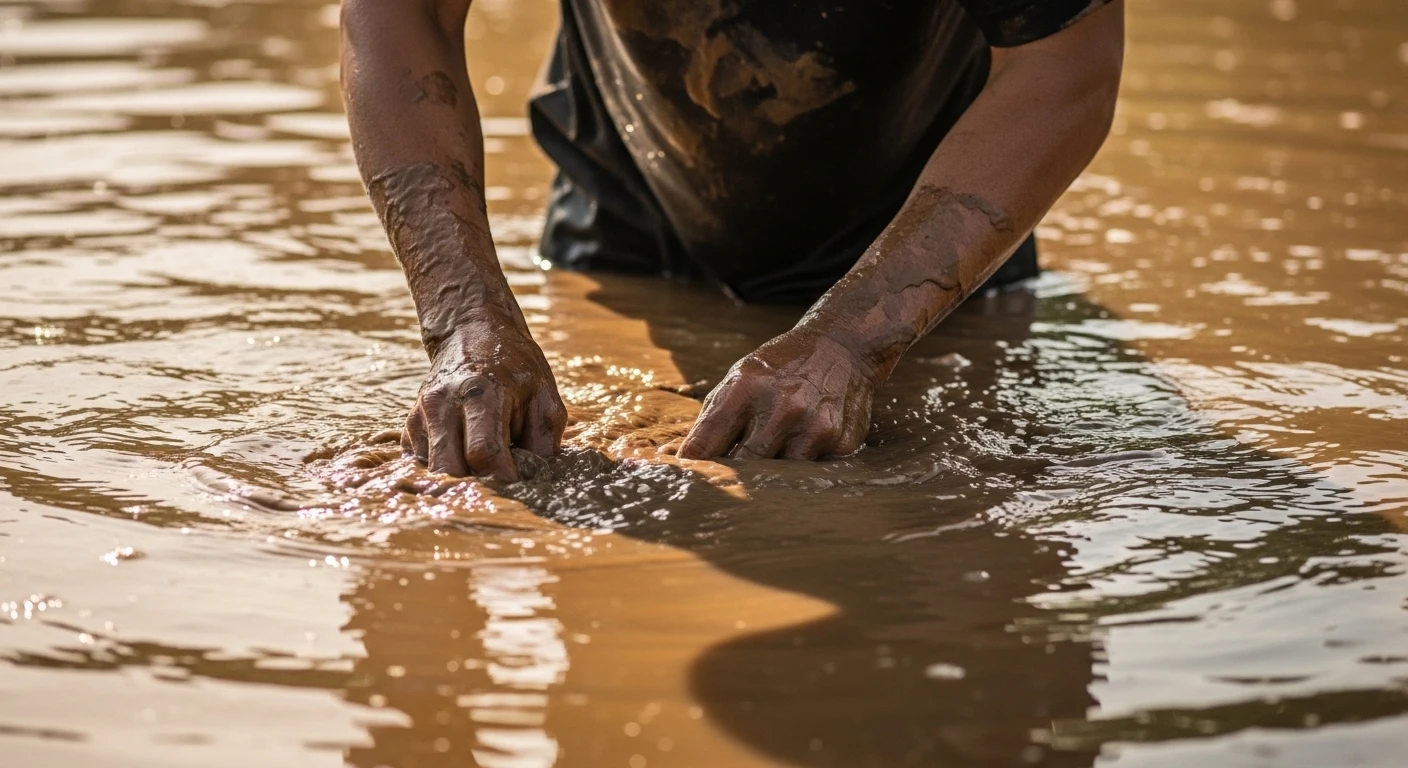
Submerging hands into the unseen depths, the hunter waits for a tell-tale movement.
Then comes the moment of truth: submerging hands into the cool, opaque water, feeling for the unmistakable, firm body of the snakehead. It’s a tactile battle, a test of nerves and dexterity. When the grip is secured, it’s a swift, firm pull, often accompanied by a powerful thrash from the fish. The fisherman must hold on tight, wrestling the creature from its watery embrace.
The Challenge and the Reward: A Taste of Survival
This is not a sport for the faint of heart. The mud can be deep and treacherous, the water inhabited by unseen creatures, and the snakehead itself a formidable opponent with sharp teeth and surprising strength. The physical exertion, the constant vigilance, and the risk of injury are all part of the equation. Yet, the reward is more than just sustenance.
For the people of the Mekong, this method represents a profound connection to their environment. It’s a demonstration of self-sufficiency, a skill that has allowed them to thrive in a challenging yet generous landscape. The snakehead, once caught, is a prized catch. Its flesh is firm, white, and often used in a variety of delicious local dishes, from savory stir-fries to hearty soups, showcasing the resourcefulness of Delta cuisine.
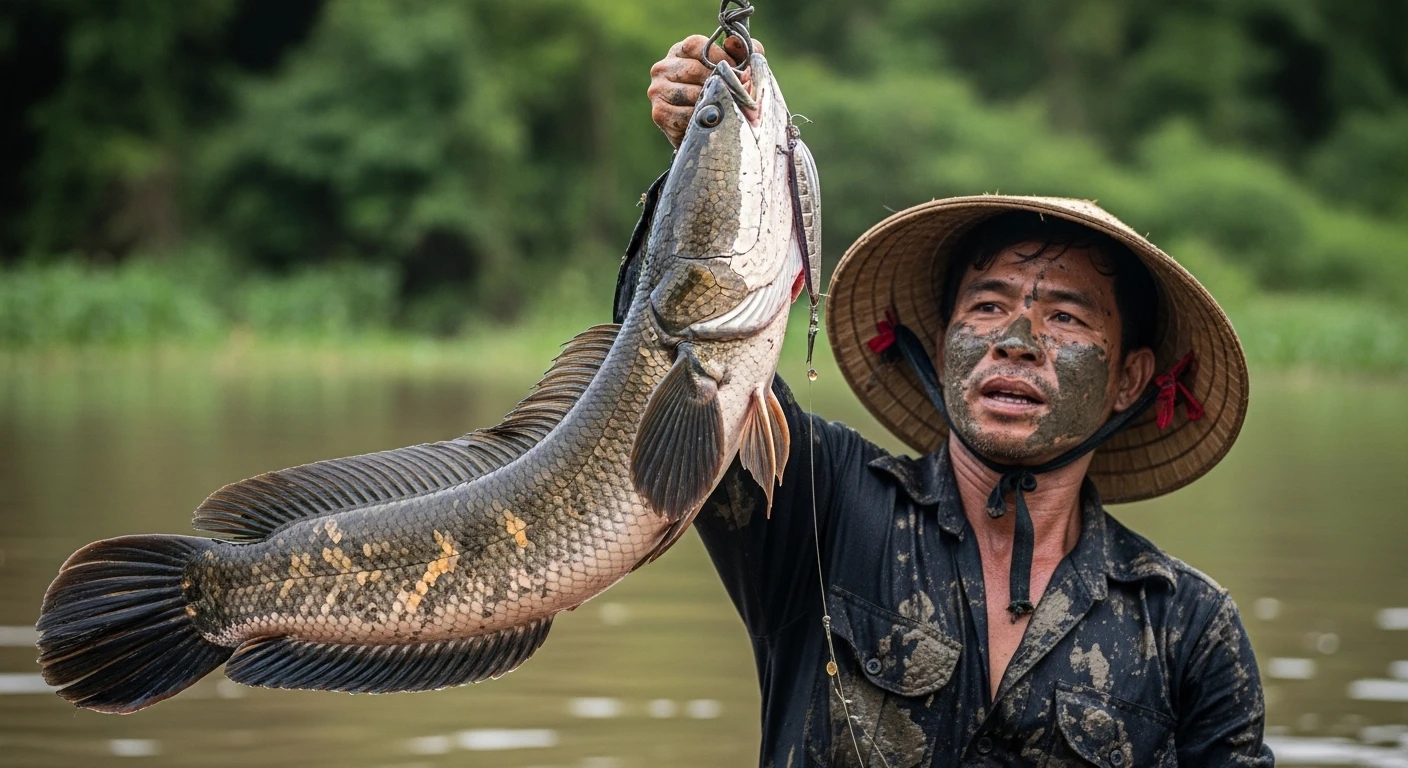
The spoils of the hunt: a robust snakehead, ready for the kitchen.
A Cultural Tapestry: Where Food is Life
The hand-catching of snakehead fish is a microcosm of life in the Mekong Delta. It’s about an intimate understanding of the land and water, a reliance on ancestral knowledge, and a deep respect for the resources nature provides. While Western notions of fishing often involve specialized gear and a degree of detachment from the environment, the Delta's approach is one of immersion, a complete bodily engagement with the hunt.
This tradition is more than just a method of procuring food; it's a cultural practice that reinforces community bonds and preserves a vital part of the region's heritage. It speaks to a way of life where skills are honed through necessity and passed down through stories and shared experiences, often under the intense tropical sun or during the monsoon rains.

Echoes of the Delta: Harvesting Life
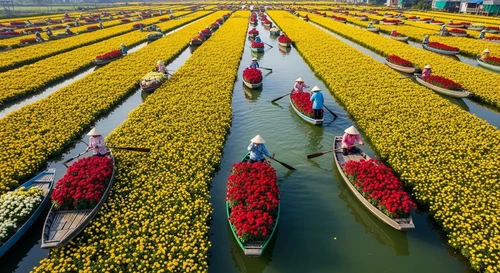
Explore another facet of life in the Mekong's aquatic landscapes. Discover the dedication of Dong Thap's lotus harvesters, a testament to the region's unique relationship with its water-bound resources.
Read MoreAccessing the Delta's Heart: A Journey to the Fishing Grounds
To witness this ancient practice firsthand requires a journey into the heart of the Mekong Delta. While the entire region offers glimpses into riverine life, areas known for extensive rice paddies and aquaculture, particularly in the western provinces, are prime locations.
The Journey:
- International Arrival: Most travelers arrive in Vietnam via Tan Son Nhat International Airport (SGN) in Ho Chi Minh City (HCMC).
- To the Delta Hub: From HCMC, the most common gateway to the western Delta is Can Tho, the region's largest city. Direct buses from HCMC to Can Tho are frequent and comfortable, taking approximately 3-4 hours. Alternatively, you can arrange a private car for more flexibility.
- Exploring Localities: Once in Can Tho, you can hire local boats to explore the canals and smaller waterways. To find communities practicing hand-catching, you might need to venture further west towards provinces like An Giang, Kien Giang, or even the remote areas of Ca Mau, where the waterways are more intricate and rice paddy systems are vast. Hiring a local guide who understands the region and can communicate with villagers is highly recommended. These guides can take you to the less-traveled areas where these traditional fishing methods are still actively practiced, often early in the morning or late in the afternoon. Be prepared for boat travel and walking through muddy paths.
It's important to approach these communities with respect. While many are hospitable, this is their livelihood. Observing the practice respectfully, perhaps with the help of a local guide, is key. If you have the opportunity to taste the freshly caught snakehead prepared locally, do not hesitate – it's an authentic experience of the Delta's culinary prowess.
Beyond the Catch: The Snakehead's Culinary Journey
The snakehead, once in the kitchen, transforms from a symbol of survival into a delicacy. Its firm, white flesh holds up well to various cooking methods, and its slightly earthy, robust flavor pairs beautifully with the vibrant herbs and aromatics that define Mekong Delta cuisine.
One of the most popular preparations is Cá Lóc Nướng Trui (Snakehead Fish Grilled with Straw). The fish is often stuffed with lemongrass and herbs, then wrapped loosely in banana leaves or simply grilled directly over embers, letting the straw impart a smoky aroma. Another classic is Canh Chua Cá Lóc, a sour soup bursting with flavors of tamarind, pineapple, tomatoes, and dill, perfectly complementing the fish. The less common, but deeply traditional, Cá Lóc Kho Tộ involves braising the fish in a clay pot with fish sauce, caramel sauce, and pepper, creating a rich, savory dish.
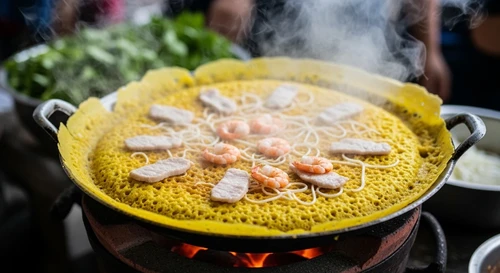
The Sizzle and Roll of the Delta
Taste the soul of the Mekong. Learn how to properly enjoy the iconic Banh Xeo, another delicious tradition born from the Delta's vibrant culinary landscape.
Discover Banh XeoExperiencing these dishes, especially when prepared with fish caught using such traditional methods, offers a true taste of the Mekong – a flavor profile shaped by the river, the land, and the enduring spirit of its people.
Modern Currents: The Persistence of Ancient Skills
In an era of modernization, one might wonder how long practices like hand-catching will endure. While commercial fishing and aquaculture have certainly evolved, these age-old techniques often persist in more remote communities or as a supplementary skill for fishermen. They represent a valuable, low-impact way of sourcing food, deeply woven into the cultural fabric.
Efforts towards sustainable fishing and preserving traditional methods are crucial. For the people of the Delta, these skills are not just about catching fish; they are about maintaining a connection to their heritage and their environment. They are a reminder that sometimes, the most effective tools are the ones nature has provided, and the most potent knowledge is that which is etched into the hands of generations.
A Journey for the Adventurous Palate
For the traveler seeking more than just a tourist trail, the Mekong Delta offers an unparalleled opportunity to connect with authentic, visceral experiences. Witnessing the hand-catching of snakehead fish is a stark reminder of the raw beauty and resilience of human ingenuity. It’s a glimpse into a world where survival skills are elevated to an art form, a testament to the enduring power of tradition in the face of change.

Navigating Vietnam's Unique Culture
From the intensity of the hunt to the daily rhythms of life, understanding Vietnam's unique cultural landscape is key. Explore more insights into local customs and practices.
Discover More CultureThe Unseen Depths
The Mekong Delta is a place of constant revelation. Beneath its serene, watery facade lies a world of vibrant life, ancient traditions, and human resilience. The simple act of a fisherman wading into the mud, bare hands searching for his next meal, is a powerful narrative. It speaks of a profound connection to the earth, a mastery of the environment, and a spirit that, much like the snakehead itself, is tenacious and deeply rooted. For those willing to venture off the beaten path, the Delta offers not just fish, but a profound insight into a way of life.