Ha Tien: Where the Mekong Meets the Sea, and History Washed Ashore
There are corners of Vietnam that whisper tales of empires and revolutions, and then there are places like Ha Tien. Tucked away on the southwestern coast, this unassuming border town, gazing across the azure Gulf of Thailand towards Cambodia, possesses a character sculpted not by grand dynasties, but by the rugged currents of trade, piracy, and determined migration. Forget the well-trodden paths of Hanoi or Hoi An; Ha Tien offers a raw, authentic glimpse into Vietnam's maritime past, where the ghosts of Chinese pirates still linger on the salty breeze.
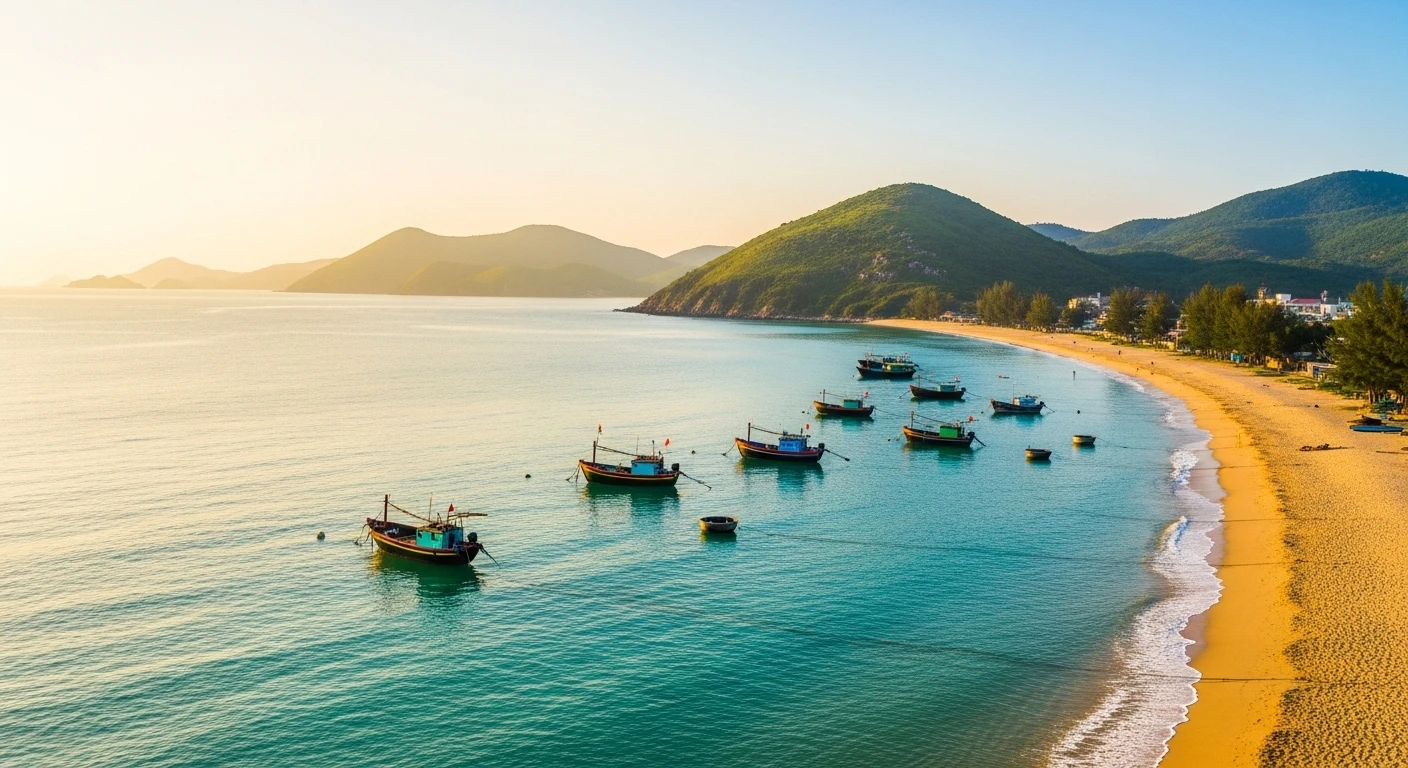
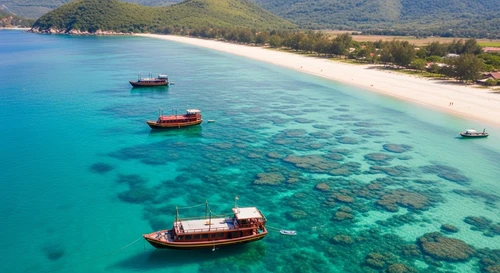
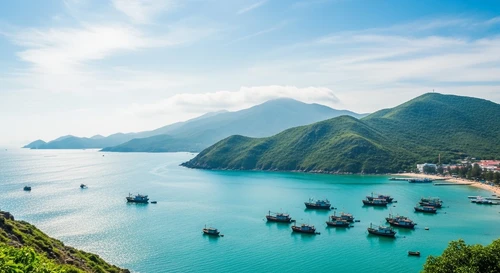
The serene coastline of Ha Tien, a stark contrast to its wild, piratical past.
This is a place where history isn't confined to museums; it’s etched into the landscape, from the ancient tombs of revered families to the very taste of the local cuisine. Ha Tien’s story is one of resilience, of people carving out lives on the fringes, drawn by the promise of the sea and the lure of distant shores. It's a story best understood through its monuments, its traditions, and most deliciously, its food.
The Architects of Ha Tien: The Mac Cuu Dynasty
To truly grasp Ha Tien, one must understand the Mac Cuu family. In the late 17th and early 18th centuries, this powerful Chinese merchant clan, fleeing political turmoil, arrived on these shores. Led by the formidable Mac Cuu, they didn't conquer; they cultivated. Recognizing the strategic and economic potential of this sparsely populated region, they established a prosperous trading port, essentially developing Ha Tien into a de facto independent kingdom under nominal Vietnamese suzerainty.
The Mac Cuu family transformed Ha Tien into a thriving hub for trade, agriculture, and, yes, a safe haven for those weary of the sea's dangers – and perhaps those who preyed upon it. Their influence shaped the region’s demographics, its economy, and its cultural fabric, laying the groundwork for the town we see today. Their legacy is most visibly preserved in the magnificent tombs scattered across the hillsides.

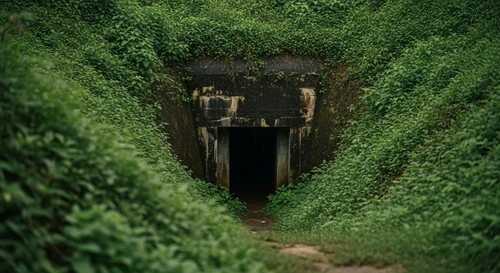
The intricate architecture of the Mac Cuu family tombs, a sacred space honoring their founders.
Where the Jolly Roger Flew: Pirates and the Borderlands
Ha Tien’s coastal position, nestled against Cambodia and facing open sea, made it a natural magnet for seafaring rogues. For centuries, this region was a notorious den for pirates and smugglers. The maze-like waterways, hidden coves, and proximity to international shipping lanes provided the perfect environment for their illicit trade.
Chinese pirates, in particular, frequented these waters, their long junks a common, often terrifying, sight. The Mac Cuu rulers, with their own strong maritime presence and a need to control their territory, often found themselves in complex relationships with these figures – sometimes as adversaries, sometimes as pragmatic partners who could bring in valuable goods (or plunder). This history imbues Ha Tien with an undeniable aura of adventure and intrigue, a stark contrast to its current tranquil facade. While the swashbuckling days are long gone, the stories persist, woven into local folklore and the very spirit of the town.
Whispers of the Ancestors: Exploring the Mac Cuu Tombs
A visit to the Mac Cuu tombs is not just a historical excursion; it's an immersion into a deep-seated cultural practice of ancestor veneration. Perched on scenic hillsides overlooking the town and the sea, these elaborate mausoleums are a testament to the family's enduring influence and status. The most prominent is the tomb of Mac Cuu himself, an ornate structure featuring intricate carvings, serene courtyards, and panoramic views.
These sites are more than just burial grounds; they are active places of respect, often visited by descendants and locals alike. Walking through the quiet grounds, you can feel the weight of generations. The architecture itself is a fascinating blend of Chinese and Vietnamese styles, reflecting the cultural crossroads that Ha Tien has always been. It's a peaceful, contemplative space that offers a profound connection to the town's founding narrative.

A Taste of the Gulf: Ha Tien's Legendary Herring Salad (Gỏi Cá Trích)
While the history of Ha Tien is compelling, its culinary scene offers an equally rich, and far more delicious, journey. The undisputed star of the show is Gỏi Cá Trích – a raw silver herring salad that encapsulates the freshness of the Gulf of Thailand and the ingenuity of coastal Vietnamese cuisine. This isn't just any salad; it's an experience, a vibrant explosion of flavors and textures that is quintessentially Ha Tien.
The secret lies in the impeccable freshness of the "cá trích" (small silver herring), caught daily from the pristine waters off the coast. These small, shimmering fish are meticulously prepared – de-boned and thinly sliced – before being marinated in a delicate blend of lime juice, fish sauce, and fragrant herbs. The citrus "cooks" the fish slightly, firming up its flesh and imparting a bright, zesty flavor.

The art of Gỏi Cá Trích: fresh herring, vibrant herbs, and the essential accompaniments.
The magic truly happens when you assemble your own bite. You take a delicate piece of rice paper, layer it with fresh herbs like mint, basil, and cilantro, a few slivers of chili, perhaps some crunchy peanuts or thinly sliced onion, and then add a generous portion of the marinated herring. Wrap it all up, dip it into the accompanying sweet and savory fish sauce-based dressing (often with a hint of chili and garlic), and take that first bite. It's a revelation: the tender fish, the aromatic herbs, the crunch of the wrapper, the sweet, spicy, and savory sauce – a symphony on the palate.
The Symphony of Flavors: Building Your Perfect Bite
What elevates Gỏi Cá Trích from mere seafood to a culinary masterpiece is the thoughtful array of accompaniments. These aren't just side dishes; they are integral components that allow diners to customize their experience, creating a balance of flavors and textures with every wrap.
- Fresh Herbs: A generous platter of fragrant herbs is non-negotiable. Think fresh mint, Vietnamese basil, cilantro, perilla leaves, and often, the sharp bite of culantro.
- Rice Paper (Bánh Tráng): Thin, delicate rounds that serve as the edible vessel for your creation.
- Crunchy Elements: Sliced banana blossom, cucumber, and sometimes even starfruit add a refreshing crispness.
- Aromatic Spices: Thin slices of garlic and vibrant red chili provide a pungent kick and gentle heat.
- Roasted Peanuts: For an essential nutty crunch.
- The Dipping Sauce: A crucial element. Typically a sweetened fish sauce concoction, often infused with garlic, chili, and sometimes pineapple or tamarind for added depth.
The act of assembling your own wrap is part of the communal joy of eating in Vietnam. It's interactive, personal, and utterly delicious. Each bite can be slightly different depending on your chosen combination of ingredients, making the experience endlessly engaging.
From the Gulf to Your Plate: Other Ha Tien Seafood Stars
While the herring salad reigns supreme, Ha Tien’s coastal bounty extends far beyond. The town’s proximity to fertile fishing grounds means that fresh seafood is abundant and forms the backbone of its local diet.
You'll find succulent grilled prawns, often simply seasoned with salt and pepper or marinated in chili and garlic. Steamed crab, showcasing the natural sweetness of the local catch, is another highlight. Clams and various types of shellfish are often prepared in fragrant broths with lemongrass or chili, perfect for dipping bread into. For the adventurous, exotic catches from the Gulf are not uncommon, prepared according to age-old recipes passed down through generations of coastal communities. A visit to Ha Tien's local market or any of its riverside eateries will present a dazzling array of fresh seafood, waiting to be transformed into delectable dishes.

Discover More Coastal Seafood Havens
For those who dream of diving into the freshest seafood, consider the untouched beauty of Binh Hung Island, a hidden lobster capital where dining literally happens on the water.
Read MoreNavigating to the Frontier: Your Journey to Ha Tien
Ha Tien’s relative remoteness is part of its charm, offering an escape from the bustling tourist trails. Reaching this southwestern gem requires a bit of planning, but the journey is part of the adventure, allowing you to witness the changing landscapes of the Mekong Delta.
Getting to Ha Tien:
- From Ho Chi Minh City (Saigon): This is the most common starting point for international travelers. Direct bus services run from Ho Chi Minh City to Ha Tien. The journey typically takes around 6-8 hours, traversing through the lush Mekong Delta provinces. Companies like Phuong Trang (FUTA Bus) or Kim Travel offer comfortable sleeper or reclining seats. The buses often stop at major provincial towns along the way.
- From Can Tho: If you're already exploring the heart of the Mekong Delta, you can take a bus or private car from Can Tho. This route also passes through picturesque rural landscapes and takes approximately 3-4 hours.
- From Phnom Penh, Cambodia: Ha Tien is a border town, and crossing from Cambodia is feasible. You can arrange private transfers or shared vans from Phnom Penh to the border crossing (e.g., Xa Xia – Preah Chrey border), then complete immigration procedures and take a taxi or motorbike taxi into Ha Tien town itself. This route often involves changing vehicles at the border.
- Local Transport: Once in Ha Tien, getting around is easy. Motorbike taxis (xe ôm) are abundant and a great way to explore the town and its surroundings, including the Mac Cuu tombs. Renting a motorbike is also an option for more independent exploration.
While direct flights to Ha Tien are not available, the overland journey offers a more immersive experience of Vietnam's southern regions. The roads are generally well-maintained, and the scenery is a constant delight.
More Than Just a Town: The Soul of a Frontier
Ha Tien is more than just a collection of historical sites and delicious food; it's a living testament to Vietnam's complex history as a crossroads. It’s a place where different cultures have met, mingled, and left their indelible mark. The legacy of Chinese merchants, the whispers of seafaring pirates, the enduring traditions of Vietnamese coastal communities, and the quiet presence of Cambodia just across the water – all contribute to Ha Tien's unique spirit.
In an era where many tourist destinations feel homogenized, Ha Tien offers an authentic, unvarnished experience. It’s a destination for the curious traveler, the one who seeks not just sights, but stories; not just flavors, but connections. It’s a reminder that some of the most profound travel experiences lie on the edges, in places that have witnessed the ebb and flow of history, shaped by the sea and the people who dared to navigate its unpredictable waters.
The Lasting Taste of the Frontier
Ha Tien might be on the frontier, a town often overlooked in favor of its more celebrated siblings, but its allure is undeniable. It offers a potent blend of history, culture, and gastronomy that lingers long after you've left its shores. The echoes of pirates, the reverence at the Mac Cuu tombs, and, most vividly, the unforgettable taste of that fresh, zesty herring salad – these are the flavors and stories that define this captivating corner of Vietnam. For travelers yearning for authenticity and a genuine connection to place, Ha Tien stands ready to share its wild heart and its exquisite, sea-kissed cuisine.