The Blooming Heart of the Delta: Sa Dec's Floral Wonderland
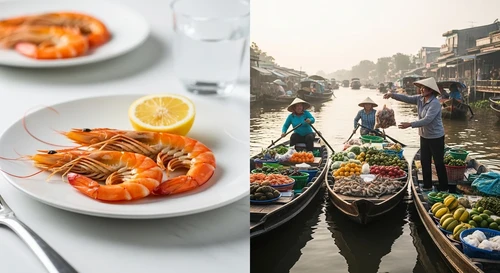
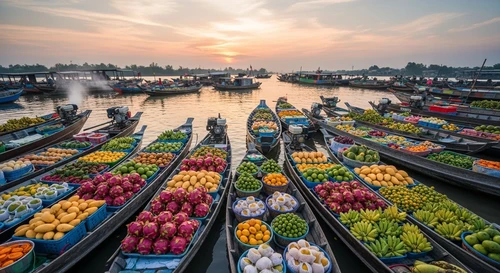
Picture this: a vast expanse of water, not blue, but a riot of color. Giant rafts, teeming with life, drift gently on the sluggish currents of the Mekong. This is Sa Dec Flower Village, a surreal landscape in Dong Thap province that defies expectations. For weeks leading up to Tết, Vietnam's Lunar New Year, this place transforms into the country's floral epicenter. Farmers navigate their wooden boats through an aquatic garden, tending to millions of marigolds, roses, chrysanthemums, and bougainvillea, all meticulously grown on elevated trellises built from bamboo and earth.
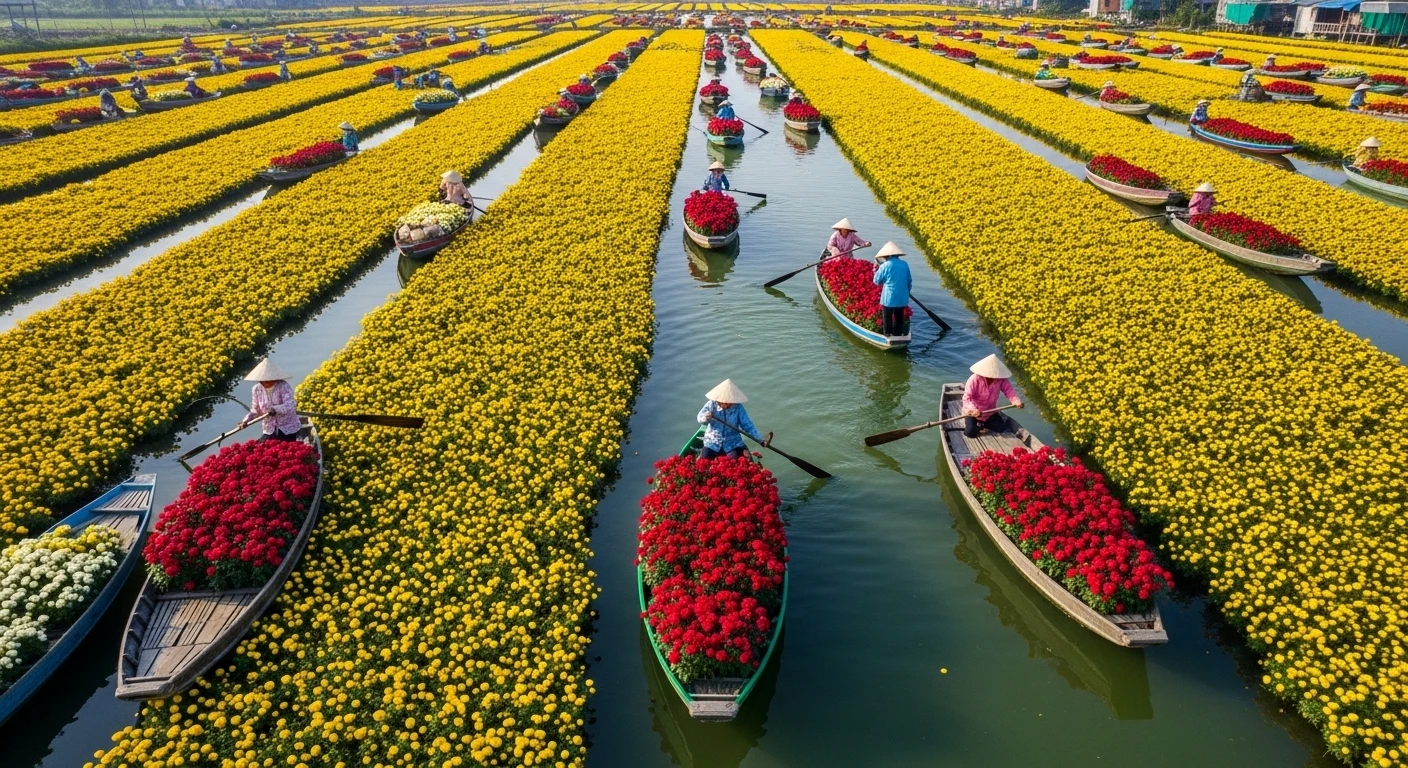
Wandering through these floating villages is an assault on the senses, in the best possible way. The air is thick with the perfume of blossoms, a heady mix of sweet and spicy. The sheer scale is breathtaking – miles of vibrant yellow, fiery red, and soft pink, stretching as far as the eye can see. It’s a testament to human ingenuity and a deep-rooted connection to the land, or in this case, the water. This isn't just agriculture; it's an art form, a living tapestry woven by generations of skilled hands.
The best time to visit is in the weeks leading up to Tết (usually late January or early February), when the harvest is in full swing. You'll see families working together, their boats laden with blooms destined for markets across Vietnam. Even outside of Tết, Sa Dec offers a glimpse into this unique agricultural practice, with flower cultivation a year-round endeavor. It’s a photographer’s paradise, a botanist's dream, and a traveler’s unforgettable encounter with the soul of the Mekong Delta.
A Glimpse into the Delta's Rural Heart: Beyond the Blooms
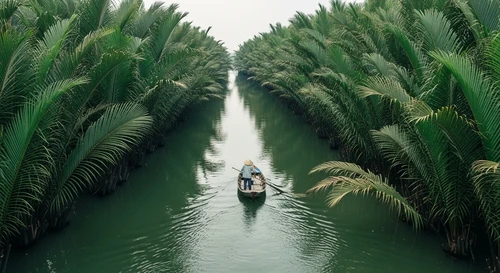
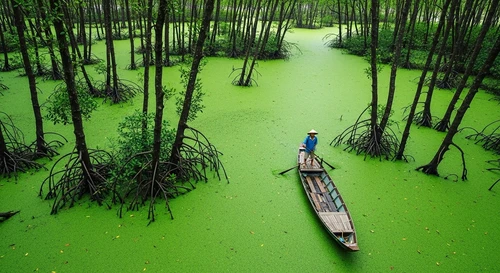
Dong Thap province, and Sa Dec in particular, is more than just flowers. It's the quintessential Mekong Delta experience: a tapestry of emerald rice paddies, winding canals, and small, bustling communities. Life here moves at the pace of the river. Wooden sampans glide silently through narrow waterways, their passengers going about their daily routines. The air is humid, thick with the scent of damp earth, blooming jasmine, and cooking fires.
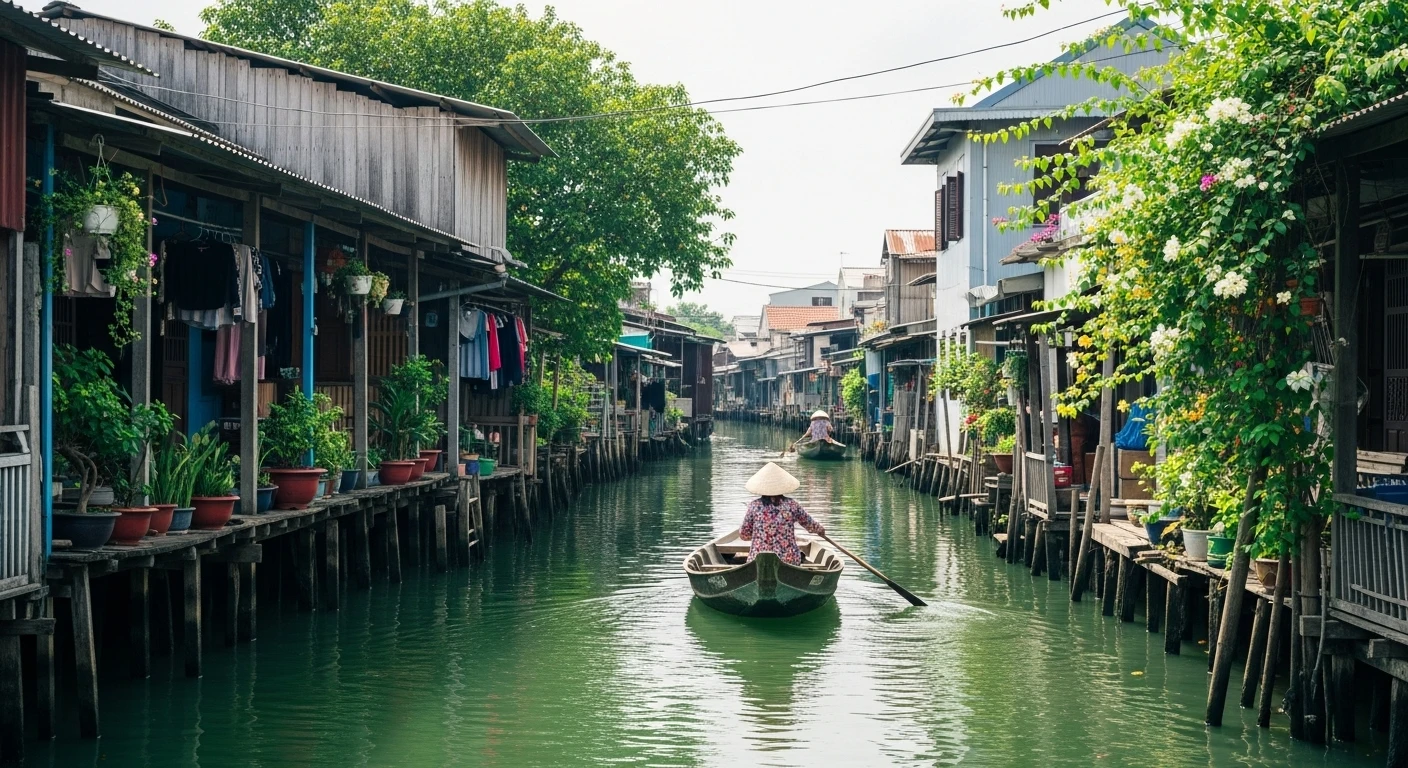
To truly grasp the essence of the Mekong, one must venture off the main paths. Hire a local guide with a boat and let them steer you through the maze of canals. You’ll pass stilt houses, observe farmers tending their fields, and witness the simple, yet profound, beauty of everyday life. The people of the Delta are known for their warmth and hospitality, always ready with a smile and a wave.
The agriculture here is diverse, with rice farming dominating much of the landscape, but also including fruit orchards and aquaculture. This rich ecosystem supports a unique culinary tradition, one that the adventurous palate will find incredibly rewarding.
The Daredevil's Delight: Introducing the Field Rat
Now, for the part that might make some readers squirm, and others lean in with keen interest. The Mekong Delta, with its fertile lands and extensive canal systems, is home to a thriving population of field rats. These aren't the vermin you find scuttling in alleyways; these are free-range, wild creatures that feast on grains and vegetation, living off the bounty of the delta. And in parts of Vietnam, particularly in rural areas like Dong Thap, they are considered a delicacy.
To dismiss this as simply "bizarre food" is to miss the point of true culinary exploration. For the people of the Mekong, this is a traditional, protein-rich food source, a part of their agricultural heritage. The rats are trapped, cleaned, and then prepared in a variety of ways, most commonly grilled. Imagine succulent, tender meat with a flavor profile often described as somewhere between chicken and pork, but with a unique gaminess.
The preparation often involves marinating the rat in a mixture of lemongrass, garlic, chili, and fish sauce, before being skewered and grilled over charcoal until perfectly cooked. The result is a smoky, aromatic, and intensely flavorful dish that is a staple in many local pubs and eateries, especially in the evenings when families and friends gather to share food and drink.
The Culinary Ritual: From Muddy Banks to Sizzling Skewers
The journey of the field rat from its natural habitat to the dinner plate is a fascinating glimpse into rural Vietnamese life. Trapping these rodents is a skilled practice, often done at night or in the early morning. Once caught, they are brought to market or directly to eateries where they are prepared with utmost care.
The grilling process is where the magic truly happens. Over glowing charcoal embers, the marinated rat slowly cooks, its juices rendering and caramelizing, creating a tantalizing aroma that drifts through the humid night air. The meat becomes incredibly tender, infused with the flavors of the marinade and the smoky char of the grill. It’s often served with fresh herbs, slices of cucumber, and a dipping sauce, typically a blend of chili, lime, and fish sauce.
For the uninitiated, the first bite can be a revelation. The texture is surprisingly pleasant, not stringy or tough. The flavor is rich and savory, a departure from more familiar meats but undeniably delicious. It’s an experience that challenges preconceptions and opens the mind to the vast spectrum of what humans consider food. It embodies the spirit of the Mekong Delta: resourceful, traditional, and unafraid to embrace what the land provides.

Navigating the Mekong: Where to Find These Experiences
Dong Thap province is located in the western part of the Mekong Delta, accessible by road from Ho Chi Minh City and other major Delta cities.
Getting to Sa Dec:
The most common route is to fly into **Tan Son Nhat International Airport (SGN)** in Ho Chi Minh City. From there, you can take a bus or hire a private car to Dong Thap province. The journey typically takes 3-4 hours. Once in Dong Thap, the provincial capital is Cao Lanh, but Sa Dec town is a distinct destination. You can travel from Ho Chi Minh City directly to Sa Dec town.
Alternatively, if you're already in another Mekong Delta city like Can Tho, Sa Dec is a relatively short bus or car ride away.
Experiencing the Flower Villages:
Upon arrival in Sa Dec town, you can hire a local boat driver to take you into the floating flower villages. Negotiate the price beforehand. Aim for the early morning or late afternoon for the best light and activity.
Finding the Field Rat:
This is where local knowledge is key. Field rat is typically found in rural eateries and local pubs, particularly on the outskirts of towns or in more remote areas. It's not usually advertised prominently on menus for tourists. Your best bet is to ask your accommodation or a trusted local guide. They can point you to establishments that serve it, often referred to as "chuot dong nuong" (grilled field rat). Be prepared for a rustic setting – these are often simple, open-air establishments where the focus is on authentic local flavors.

A Matter of Taste: Embracing the Unfamiliar
The Delta's culinary landscape is a direct reflection of its agricultural richness and resourceful spirit. While the vibrant colors of Sa Dec's flowers offer a visual feast, the taste of grilled field rat provides a profound, if challenging, cultural immersion. It's a reminder that food is more than just sustenance; it's history, tradition, and a way of life.
Approaching dishes like grilled field rat with an open mind is crucial. It’s not about judging based on Western norms, but about understanding the context and appreciating the local palate. The unique ecosystem of the Mekong Delta yields ingredients that are unfamiliar to many, and embracing them is part of the authentic travel experience.
Whether you’re captivated by the endless blooms of Sa Dec or brave enough to sample the Delta’s wild delicacies, Dong Thap offers a journey into the heart of Vietnamese rural life. It’s a place where nature’s beauty and culinary tradition intertwine, creating an unforgettable adventure for the senses.
Photography Tips for Dong Thap
Dong Thap is a photographer's dream, especially Sa Dec. To capture the magic:
- Timing is Everything: Visit in the weeks before Tết for peak bloom and harvest activity. Early morning or late afternoon offers the best light, with softer shadows and warmer hues.
- Get on the Water: Rent a small boat or hire a local guide. This allows you to get up close to the flowers and the farmers, capturing intimate portraits and dynamic scenes.
- Look for Details: Beyond the grand vistas of flower rafts, focus on the hands of the farmers, the textures of the boats, the expressions of the people, and the dew on the petals.
- Embrace the Yellow: Sa Dec is famous for its yellow marigolds. These vibrant blooms provide incredible color contrast and photographic opportunities.
- Be Respectful: Always ask for permission before taking close-up portraits of people. A smile and a polite gesture go a long way.
Cultural Significance of Flowers in Vietnam
Flowers are deeply woven into the fabric of Vietnamese culture, and nowhere is this more evident than in Sa Dec. During Tết, specific flowers carry symbolic meanings:
- Chrysanthemums (Hoa Cúc): Represent longevity and are often associated with the autumn harvest. Their vibrant colors symbolize prosperity.
- Marigolds (Hoa Cúc Vạn Thọ): The quintessential Tết flower, their bright yellow color symbolizes prosperity and good fortune, warding off evil spirits. The Vietnamese name literally means "longevity-blessed flower."
- Roses (Hoa Hồng): Symbolize love and beauty, often used in romantic contexts but also for general celebrations.
- Bougainvillea (Hoa Giấy): Known for their striking colors and ability to thrive, they represent resilience and abundance.
The massive scale of flower production in Sa Dec directly feeds this cultural demand, making the village a vital contributor to national celebrations.
The Delta's Biodiversity: A Look at Field Rats
While grilled field rat might seem unusual, it highlights the broad range of protein sources utilized in rural agricultural societies. These are not urban pests but rather wild rodents that are part of the Delta's natural ecosystem. They thrive in the rice paddies and surrounding vegetation, feeding on grains and roots.
Sustainable trapping practices ensure that the rat population is managed as a food resource rather than an uncontrolled pest. This practice is a centuries-old tradition in many parts of Asia, reflecting a deep understanding of local fauna and a resourceful approach to food security. For travelers, tasting it offers a direct connection to the region's agricultural heritage.

The Mekong's Spirit: Resilience and Resourcefulness
Dong Thap, with its vibrant flower villages and its unique culinary traditions, embodies the spirit of the Mekong Delta. It's a region characterized by resilience, adaptability, and a profound connection to the natural environment. The farmers who cultivate flowers on water, and the communities that utilize every resource the land provides, are testaments to this enduring spirit.
This journey through Sa Dec and its unique food culture is an invitation to look beyond the surface, to embrace the unfamiliar, and to appreciate the rich tapestry of life in one of Vietnam's most captivating regions. It’s a reminder that the most memorable travel experiences often lie in the unexpected corners, waiting to be discovered.
Your Mekong Adventure Awaits
Whether your heart is set on the breathtaking beauty of Sa Dec's floating gardens or your adventurous spirit craves a taste of the Delta's wilder side, Dong Thap offers an authentic slice of Vietnamese life. It’s a place where vibrant traditions bloom and where culinary curiosity is richly rewarded. Pack your bags, bring an open mind, and prepare to be enchanted by the wonders of the Mekong.
Ready to Explore More?
Discover more hidden gems and cultural experiences across Vietnam.
🇻🇳 Plan Your Vietnam Adventure