The Mekong's Terracotta Heart: Where Earth Meets the River
The Mekong Delta is more than just a tapestry of emerald rice paddies and winding waterways. It's a land where human ingenuity has sculpted the very earth to shape its destiny. Along the fertile banks of the Co Chien River, a tributary of the mighty Mekong, lies a landscape unlike any other: a kingdom of clay, fired into existence by ancient traditions. Here, in provinces like Vinh Long, the air hums with the rhythm of brick making, a craft that has sustained communities for generations and painted the riverbanks with hues of burnt orange and deep crimson.
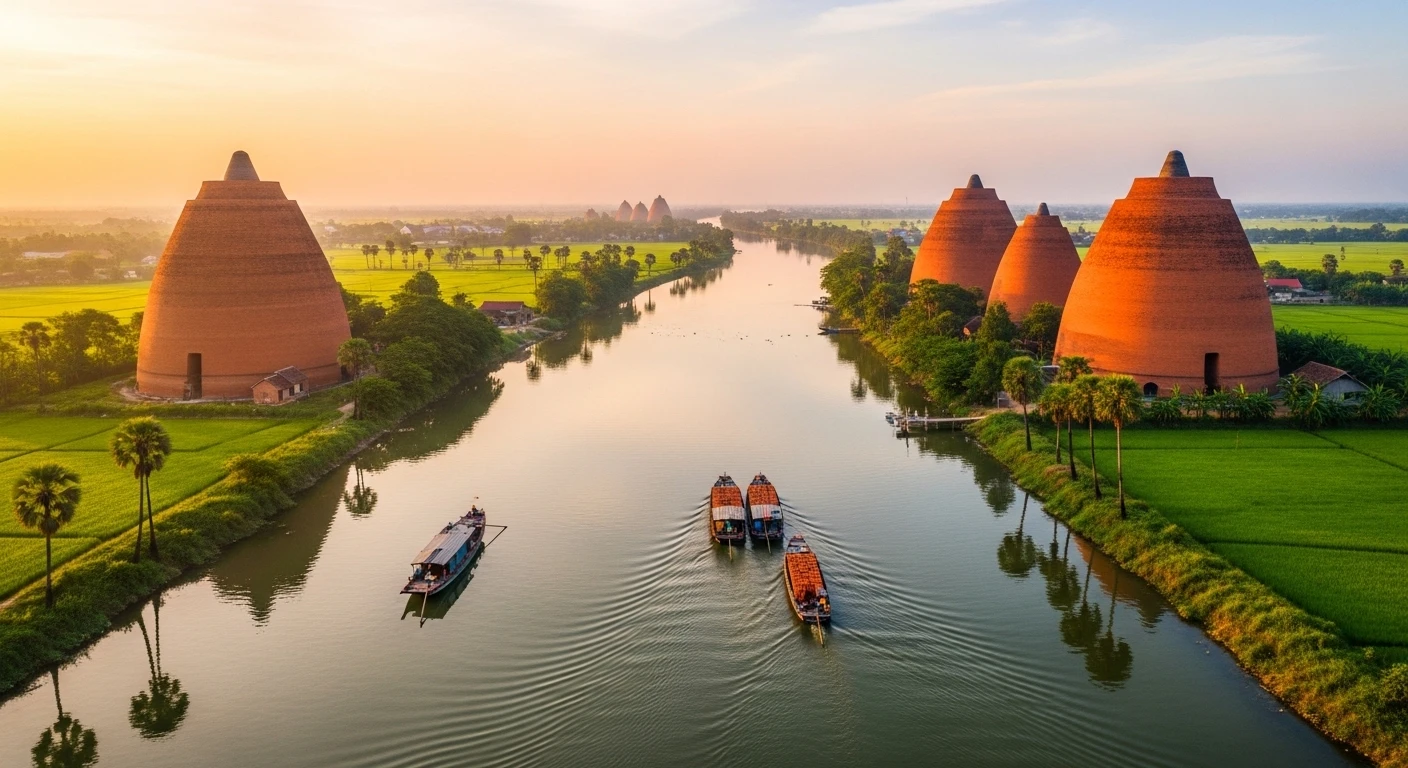
The majestic, pyramid-like brick kilns of Vinh Long, a testament to the region's terracotta heritage.
This is not a manicured tourist attraction; it's a living, breathing industry. As you cruise these quiet waters, the sheer scale of these brick works, often referred to as "clay pyramids," is staggering. They stand as monumental reminders of the raw materials that define this deltaic landscape and the ceaseless labor that transforms them.
A Morning on the Water: Navigating Cai Be
Our journey into this clay kingdom begins with a classic Mekong experience: a dawn voyage to Cai Be. While Cai Rang often steals the spotlight, Cai Be offers a more intimate and authentic glimpse into the delta’s soul. Waking before the sun, we find our sampan at a quiet landing, the air still cool and thick with the scent of damp earth and early blooms.
As our boat glides through the narrow canals, the delta awakens. Small wooden boats, laden with fruits, vegetables, and household goods, begin to gather. Unlike the overwhelming scale of some larger markets, Cai Be retains a more personal feel. Here, you can witness genuine trade, observe the quiet efficiency of riverine commerce, and perhaps even sample some of the freshest produce straight from the source. It's a perfect prelude, a gentle immersion into the riverine life that fuels the surrounding industries.

The Rise of the Brick Pyramids: A Symphony of Earth and Fire
Leaving the bustling market behind, our vessel turns towards the Co Chien River. It's here, along its languid banks, that the true spectacle of Vinh Long's clay kingdom unfolds. The landscape shifts dramatically, giving way to vast expanses of open ground, dotted with enormous, conical structures that eerily resemble ancient pyramids. These are the traditional brick kilns, the heart of the region's terracotta industry.
Each kiln is a colossal oven, meticulously constructed from the very bricks it will produce. They are fired using a specific, time-honored technique. Workers hand-mold thousands upon thousands of clay bricks, piling them in intricate patterns to form these temporary, yet monumental, structures. Once packed, the kilns are sealed and fired for days on end. The intense heat transforms the wet clay into sturdy, vibrant red bricks, essential building blocks for homes and infrastructure across Vietnam.
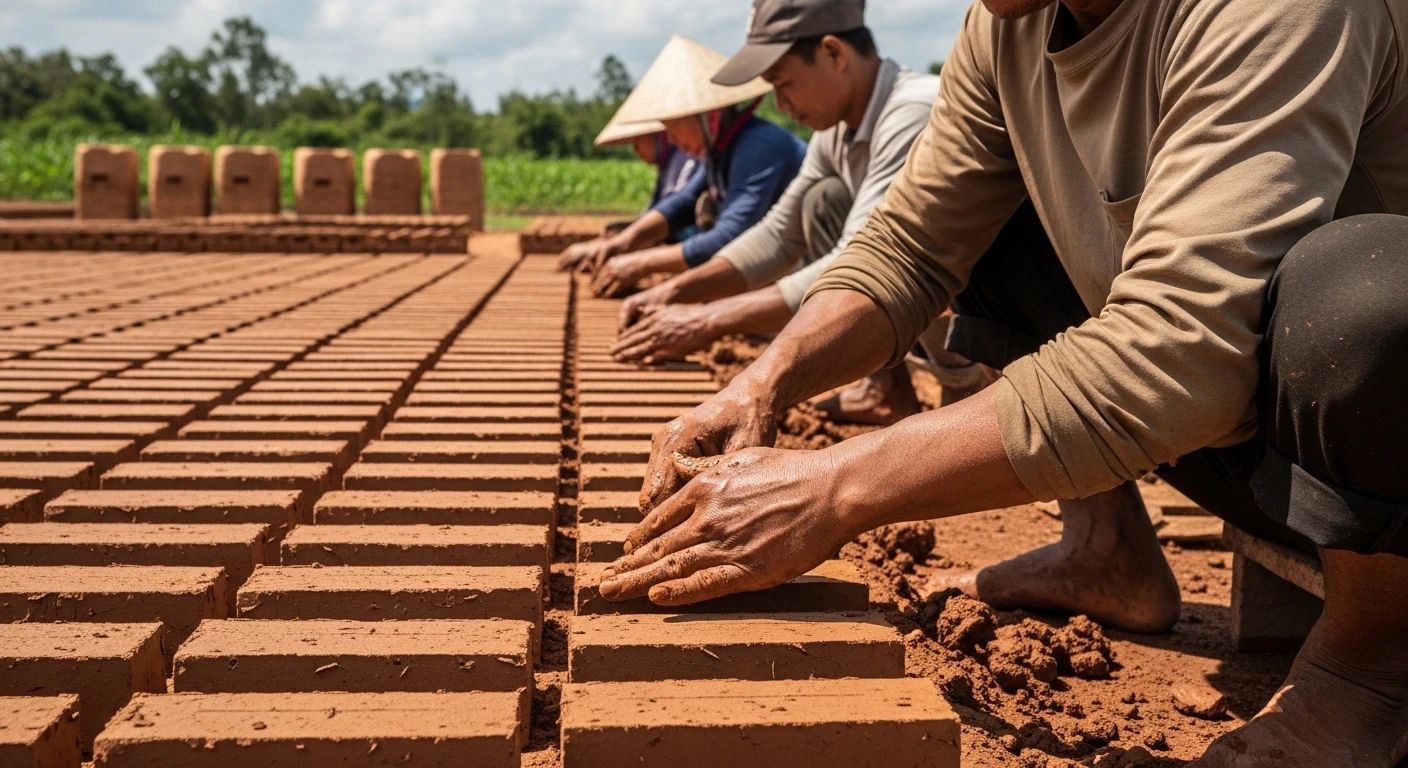
The sight is primal and powerful – a fusion of raw earth, skilled human labor, and the transformative power of fire, all set against the backdrop of the serene Mekong. The air around these kilns can be thick with heat and the earthy scent of fired clay, a sensory overload that grounds you in the reality of this ancient craft.
The Artisans of the Kilns: A Legacy of Labor
The creation of these bricks is an intensely labor-intensive process, a tradition passed down through generations. The artisans, often working under the relentless Mekong sun, are the unsung heroes of this industry. From the quarrying of the clay, to the meticulous molding, the careful stacking within the kilns, and the arduous firing process – every step demands dedication and expertise.
You'll see families working together, young and old contributing to the monumental task. The clay itself, sourced from the riverbeds, is rich and pliable, perfectly suited for brick making. It's mixed, kneaded, and then pressed into wooden molds by hand. The speed and precision with which these workers form perfect bricks, one after another, is mesmerizing. It’s a dance of muscle memory and ancestral knowledge, performed daily on the fertile plains of the Delta.
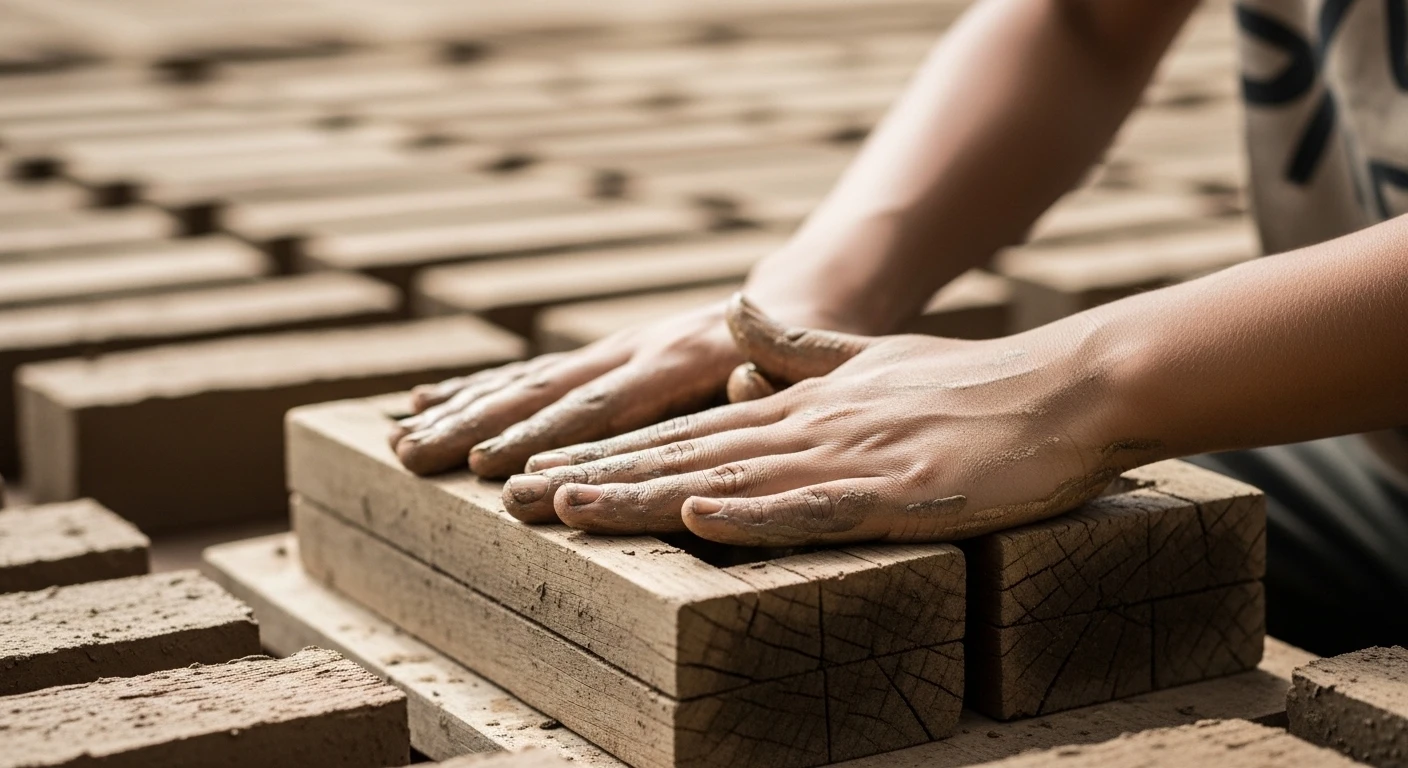
The sheer volume of bricks produced here is mind-boggling. These are not just local building materials; they are a vital commodity that fuels construction projects across Vietnam, contributing to the nation's growth and modernization, all thanks to the humble clay of the Mekong.
Cruising the Co Chien: A Visual Feast of Red and Green
The best way to truly appreciate the scale and beauty of the brick kilns is from the water. As your boat gently navigates the Co Chien River, the views are spectacular. The stark, geometric lines of the kilns contrast dramatically with the lush, vibrant green of the surrounding rice paddies and palm groves. It’s a landscape that feels both ancient and alive.
The deep red of the fired bricks, the earthy tones of the raw clay, and the fiery glow of a kiln in operation (if you're lucky enough to see one being fired) create a visual palette that is uniquely Mekong. This river highway offers panoramic vistas, allowing you to grasp the sheer magnitude of this terracotta empire without disturbing the delicate ecosystem of the production sites.
For more stunning Mekong Delta landscapes:

Dong Thap Muoi: Sailing Through the Endless Sea of Pink Lotus
When the monsoon arrives, the wetlands of Dong Thap explode in a million pink lotus blossoms. Rent a wooden skiff and glide through Vietnam's most iconic and poetic floral landscape.
Keep your eyes peeled for traditional wooden barges, piled high with freshly made bricks, making their way downriver to larger ports. These scenes add to the timeless charm, reminding you that this is a vital artery of commerce and tradition.
A Photographer's Paradise: Capturing the Essence
For the keen photographer, the Vinh Long brick kilns are an absolute dream. The dramatic shapes of the kilns, the intense colors of the clay and fire, the hard-working artisans against a backdrop of lush delta scenery – it’s a composition waiting to be captured. Early morning light, with its soft golden hues and long shadows, is particularly magical for photographing the pyramids and the surrounding landscape.
Be respectful of the workers and their environment. Ask permission before taking close-up portraits, and be mindful of your surroundings, especially if you are near active firing areas. The best shots often come from observing the interplay of light, form, and human activity. The stark geometry of the kilns against the fluid curves of the river and the soft textures of the clay create a compelling visual narrative.
Sustainability and the Future: A Changing Landscape
While the traditional brick-making process is deeply rooted in the region's heritage, it also faces modern challenges. The environmental impact of traditional firing methods, the competition from modern concrete construction, and the strenuous nature of the work are all factors influencing the industry's future.
Efforts are underway to introduce more sustainable practices, such as cleaner firing technologies and improved waste management. However, the sheer scale and economic importance of this industry mean that traditions die hard. Visiting these kilns is not just about seeing a craft; it's about witnessing a living heritage that is constantly evolving, adapting to new pressures while striving to maintain its identity.
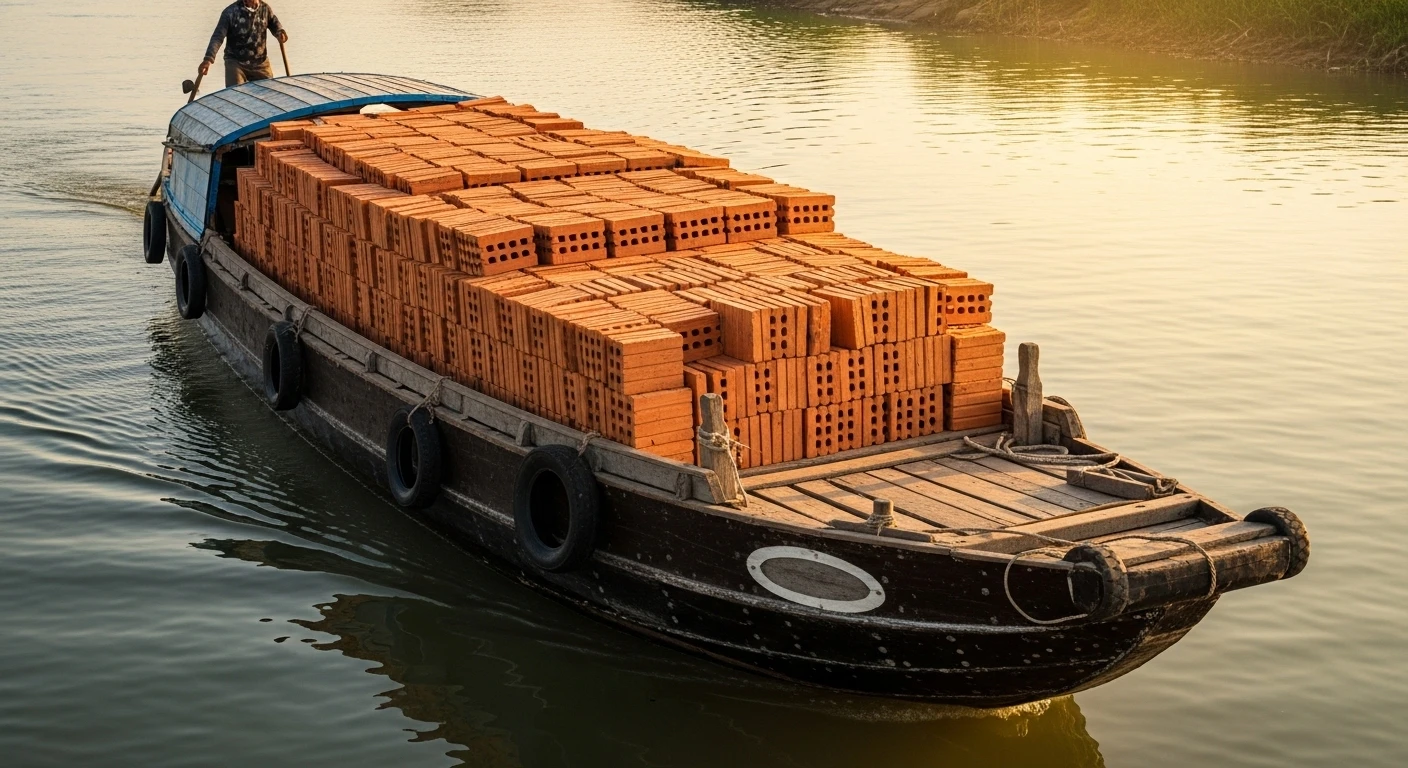
The sight of these ancient kilns enduring is a powerful metaphor for the resilience of the Mekong Delta itself – a place shaped by water, earth, and an enduring human spirit.
Planning Your Expedition: Tips for Visiting
Visiting the Vinh Long brick kilns and Cai Be market is an accessible, yet deeply rewarding, experience.
Getting There: Most travelers will arrive in the Mekong Delta via Ho Chi Minh City. From HCMC, you can take a bus or private car to Vinh Long (approximately 2-3 hours). From Vinh Long city, it's a short drive or taxi ride to Cai Be.
The Cai Be Experience: Arrange a boat tour directly from Cai Be town or through your accommodation. Early morning is best for the market. Your boat captain can often navigate you along the Co Chien River to view the brick kilns. Tours can typically be customized.
Best Time to Visit: The dry season (December to April) offers pleasant weather, though the kilns operate year-round. Even during the wet season, the river remains navigable and the landscape is lush.
What to Bring: Light, breathable clothing, a hat, sunscreen, insect repellent, comfortable walking shoes (if you plan to walk near the kilns), and your camera. A light jacket might be useful for early mornings on the water.
Beyond the Bricks: A Taste of Delta Resilience
A visit to the Vinh Long brick kilns and Cai Be market is far more than just a picturesque detour. It’s an immersion into a fundamental aspect of Mekong Delta life. You witness the raw materials of a nation being shaped by generations of human endeavor, powered by the very rivers that define this land.
This is where the earth truly meets the river. It’s a landscape of intense labor and profound beauty, a place where the tradition of brick-making continues to form the foundations of Vietnam’s future. It’s a reminder that beneath the vibrant markets and verdant fields lies the very soil that builds a nation, fired into life by the relentless sun and the skilled hands of its people.

The Enduring Legacy of Clay
As you sail away from the glowing kilns and the quiet waters of Cai Be, the image of these terracotta pyramids lingers. They are more than just structures; they are monuments to human resilience, to the resourceful exploitation of the land, and to the enduring spirit of the Mekong Delta. This kingdom of clay, fired by tradition, is an essential chapter in the story of Vietnam’s heritage and a powerful visual reminder of the earth beneath our feet and the hands that shape it.