The Ghosts of Côn Đảo: A Dark Genesis
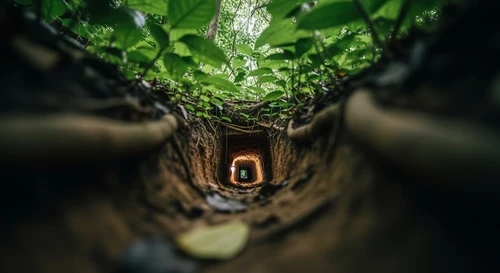
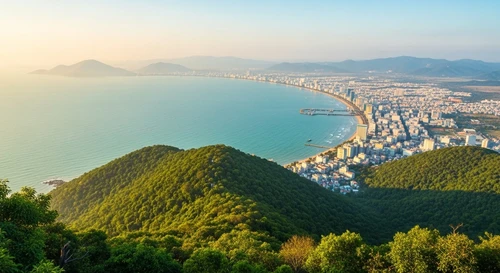
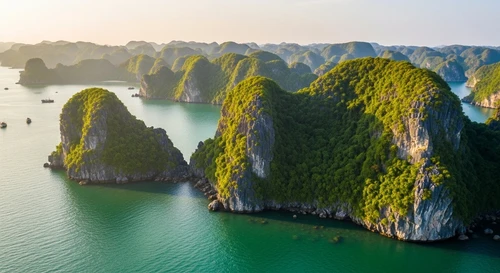
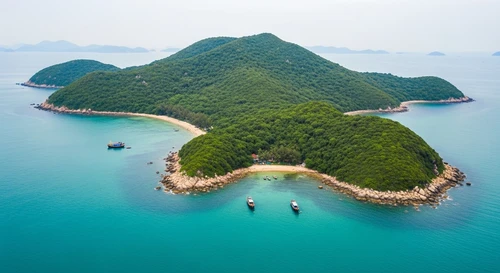
Côn Đảo. The name itself carries a certain weight, a whisper of history that is as chilling as the tropical sun is warm. This archipelago, scattered like emerald jewels off the southeastern coast of Vietnam, is a paradox: a breathtaking tropical paradise that once served as one of the most brutal penal colonies in Indochina. To truly understand Côn Đảo, you must confront its past, a past etched into the very walls of its notorious prisons.
Arriving here, especially after the journey from the mainland—a flight from Ho Chi Minh City or a ferry from Vũng Tàu—you immediately sense a profound stillness. It’s not just the quiet of an island; it’s a profound, almost reverent silence, as if the land itself holds its breath, remembering. The air is thick with the scent of frangipani and salt, a stark contrast to the grim narratives that unfolded within the "Tiger Cages."
The French Penal Colony: A Living Nightmare
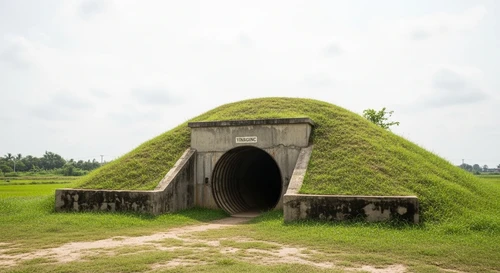
From the late 19th century until the fall of Saigon, Côn Đảo was the site of infamous prisons, primarily run by the French colonial administration and later by the South Vietnamese government. These were not just holding cells; they were instruments of torture and despair, designed to break the spirits of political prisoners, many of whom were Việt Minh and communist revolutionaries.
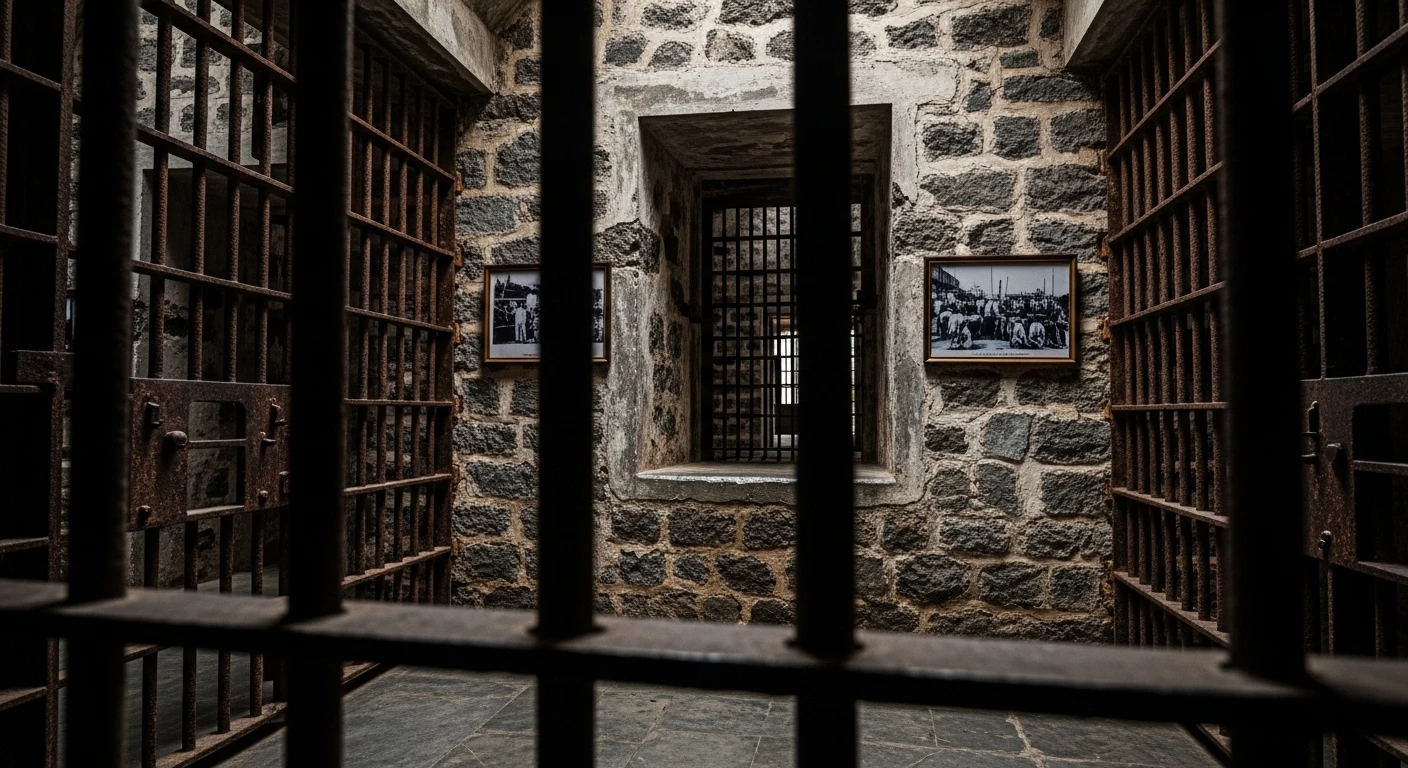
The most notorious of these was the infamous "Tiger Cages" within the Côn Đảo Prison complex. Here, prisoners were confined to cramped, dark cells, often just large enough to stand. These cells were equipped with barred floors, allowing waste to drop onto prisoners below, and were designed to inflict maximum suffering through isolation, starvation, and unimaginable cruelty. Walking through these remnants today, the small, dank spaces, the rusted bars, the chilling silence, you can almost feel the echoes of anguish. The exhibits, featuring graphic historical photographs and accounts, are harrowing but essential for understanding the sacrifice of those who fought for Vietnam's independence.
Echoes of Sacrifice: Museum and Mausoleum
Adjacent to the prison ruins, the Côn Đảo Museum offers a more curated historical perspective, detailing the island's past through artifacts, photographs, and narrative panels. It’s a place for somber reflection, connecting the physical remnants of the prisons to the broader context of Vietnamese history.
No visit to Côn Đảo is complete without paying respects at the Hang Duong Cemetery. This windswept burial ground is the final resting place for thousands of prisoners who perished on the island. The most famous grave is that of Võ Thị Sáu, a young female resistance fighter executed at the age of 19. Her tomb is a pilgrimage site, perpetually adorned with fresh flowers, incense, and offerings. Visitors often arrive late at night, joining locals in quiet prayer and remembrance, a testament to the enduring reverence for those who suffered here.
From Prison Walls to Pristine Shores
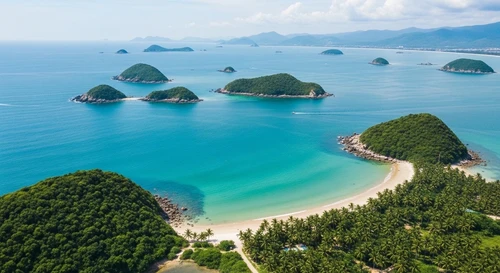
Yet, Côn Đảo is not solely defined by its grim history. Once you’ve absorbed the weight of its past, the island reveals its other, equally powerful identity: a sanctuary of unparalleled natural beauty. The transition is almost jarring, moving from the oppressive confines of history to the boundless expanse of turquoise waters and lush jungle.
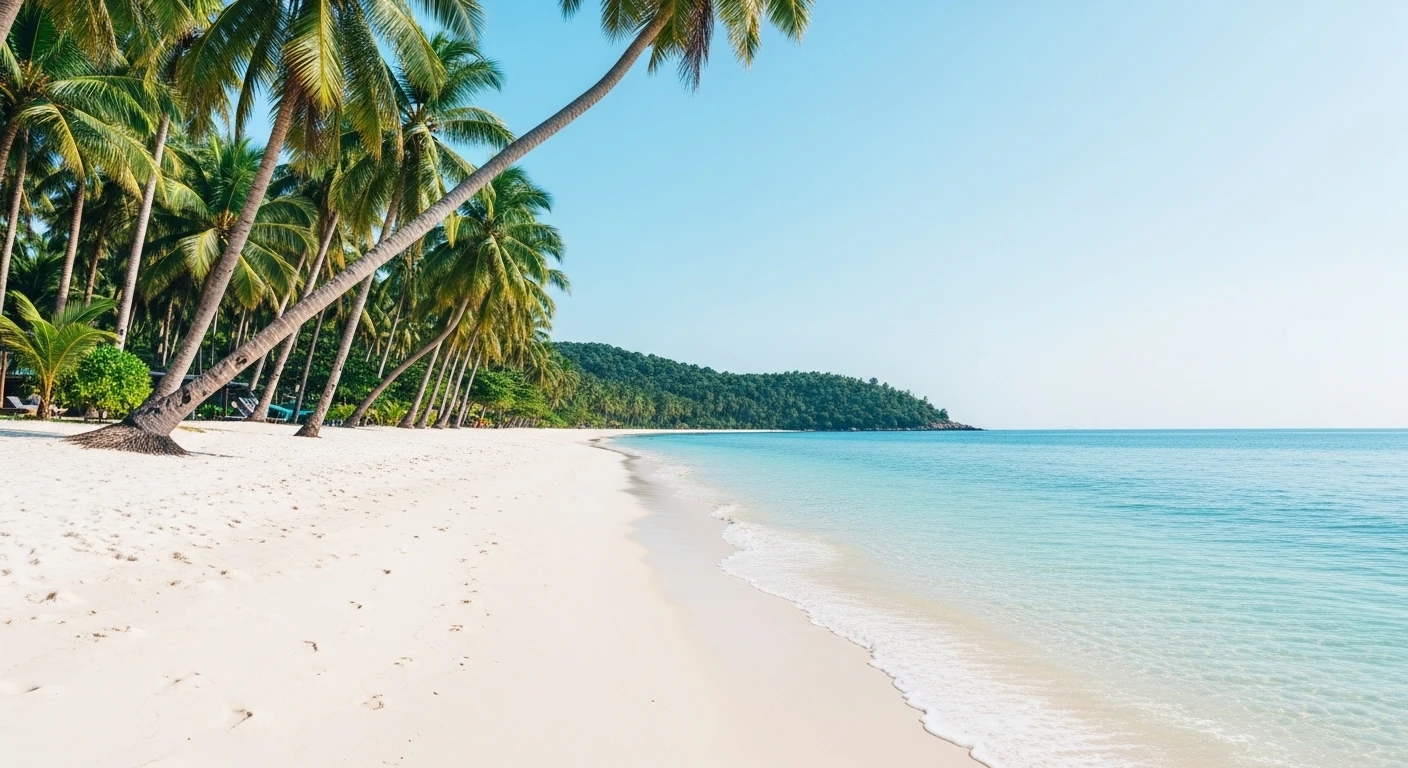
The archipelago comprises 16 islands, most of which are part of Côn Đảo National Park. This designation protects a fragile ecosystem, home to diverse marine life and rare terrestrial species. The beaches here are sublime – powdery white sand, crystal-clear waters, and palm trees swaying gently in the breeze. It's the kind of pristine, unspoiled coastline that’s becoming increasingly rare.
The Guardians of the Night: Turtle Hatching
Perhaps the most extraordinary natural phenomenon on Côn Đảo is the annual nesting of green sea turtles. From roughly May to October, these ancient mariners make their arduous journey back to the very beaches where they were born to lay their eggs. And for a fortunate few, witnessing this primal ritual is an unforgettable experience.
The Côn Đảo National Park rangers conduct guided nocturnal tours to specific nesting sites. Under the cloak of darkness, with only the beam of a red-filtered flashlight to guide you, you’ll wait. The suspense is palpable. Then, you see her – a majestic green turtle, her shell the size of a small car, hauling herself up the beach, digging her nest, and depositing her precious clutch of eggs. It's a deeply moving, almost spiritual encounter with nature at its most profound. Afterwards, rangers often assist in relocating vulnerable nests to protected hatcheries, ensuring the survival of the next generation.
Beneath the Waves: Coral Gardens and Island Hopping
Côn Đảo's underwater world is as captivating as its terrestrial landscapes. The surrounding waters boast some of the healthiest coral reefs in Vietnam, teeming with a vibrant array of marine life. Snorkeling and diving excursions offer a chance to explore this aquatic wonderland. You might encounter schools of iridescent fish, curious dugongs (though sightings are rare), and, of course, more sea turtles gliding gracefully through the clear blue.
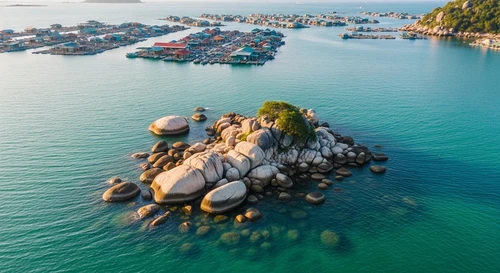
Island hopping is another popular activity. A boat trip to nearby islands like Bay Canh, Cau, or Tre offers secluded beaches, excellent snorkeling spots, and the chance to discover hidden coves. The journey itself, cutting through the azure sea with the dramatic volcanic peaks of Côn Đảo in the distance, is a spectacle in its own right.

Explore Further: Con Dao's Underwater World
Discover the vibrant coral reefs and marine inhabitants of the Con Dao archipelago.
Read MoreA Taste of Côn Đảo: Almonds, Seafood, and Local Delights
After a day of exploring either the historical sites or the natural wonders, Côn Đảo offers culinary rewards. While not as gastronomically diverse as mainland cities, the island’s cuisine is centered around incredibly fresh seafood. Grilled fish, squid, and prawns are staples, often prepared simply to highlight their natural flavor.
But Côn Đảo has a unique local specialty: roasted almond seeds. These aren't the almonds you're likely accustomed to. Grown locally, these seeds are roasted until they develop a wonderfully crunchy texture and a subtly sweet, nutty flavor. They are often sold by local vendors as a delicious, energy-boosting snack, perfect for taking on a trek or enjoying on the beach. Another local delicacy, though harder to find, is the sweet almond jam made from these same seeds. It's a unique flavor profile that captures the essence of the island.
A Haven for Wildlife: Beyond the Nesting Season
Côn Đảo's commitment to conservation extends beyond the turtles. The island is a vital part of Vietnam's broader efforts in ecological preservation. While the turtle nesting is the star attraction, the national park harbors diverse flora and fauna, including rare primates like the Côn Đảo black squirrel and various bird species.
For those interested in Vietnam's rich biodiversity, the efforts here on Côn Đảo echo the critical conservation work happening in other protected areas. These sanctuaries are not just ecological treasures; they represent a growing awareness and dedication to protecting Vietnam's natural heritage for future generations.

Discover Mekong Wildlife: Tram Chim National Park
Explore the flooded forests and unique ecosystem of Tram Chim, home to endangered cranes.
Read More
Birdwatcher's Paradise: Bang Lang Sanctuary
Witness thousands of storks returning to roost at dusk in this Can Tho sanctuary.
Read MorePlanning Your Visit: A Journey of Contrast
Traveling to Côn Đảo is a journey that requires thoughtful preparation. Getting there typically involves flying from Ho Chi Minh City (SGN) to Côn Đảo Airport (VCS). While there is a ferry option from Vũng Tàu, it is significantly longer and weather-dependent, making the flight the most practical choice for most international travelers.
Accommodation ranges from simple guesthouses to more upscale resorts, catering to different budgets. For the best chance of witnessing turtle nesting, plan your visit between May and October. Remember that Côn Đảo is an eco-tourism destination, and responsible travel is paramount. Respect the historical sites, tread lightly on the natural landscapes, and support local conservation efforts.
This is a destination that asks for introspection. It challenges you to reconcile profound beauty with stark history, to bear witness to both human suffering and the resilience of nature. Côn Đảo is not just a beautiful island; it’s an experience that stays with you long after you’ve left its shores.
The Enduring Spirit
Côn Đảo’s story is a testament to the enduring human spirit, both in the face of unimaginable hardship and in the reverence for life. It’s a place where the ghosts of the past walk alongside the vibrant life of the present. To visit Côn Đảo is to engage with a complex narrative, to be humbled by history, and to be awestruck by nature’s enduring power. It’s a journey that offers not just stunning scenery, but a profound connection to the soul of Vietnam.