Where Time Stands Still: The Magic of Hoi An
Forget the frantic pulse of Hanoi or the sprawling energy of Saigon. Hoi An is a different beast entirely. Stepping into its Old Town is like stepping back into the 17th century, a bustling port town frozen in amber. The air itself seems to hum with history, perfumed by incense from ancient temples and the sweet scent of frangipani blossoms. Here, the relentless march of progress has been remarkably restrained, preserving a UNESCO World Heritage site that is as much a living community as it is a historical marvel.
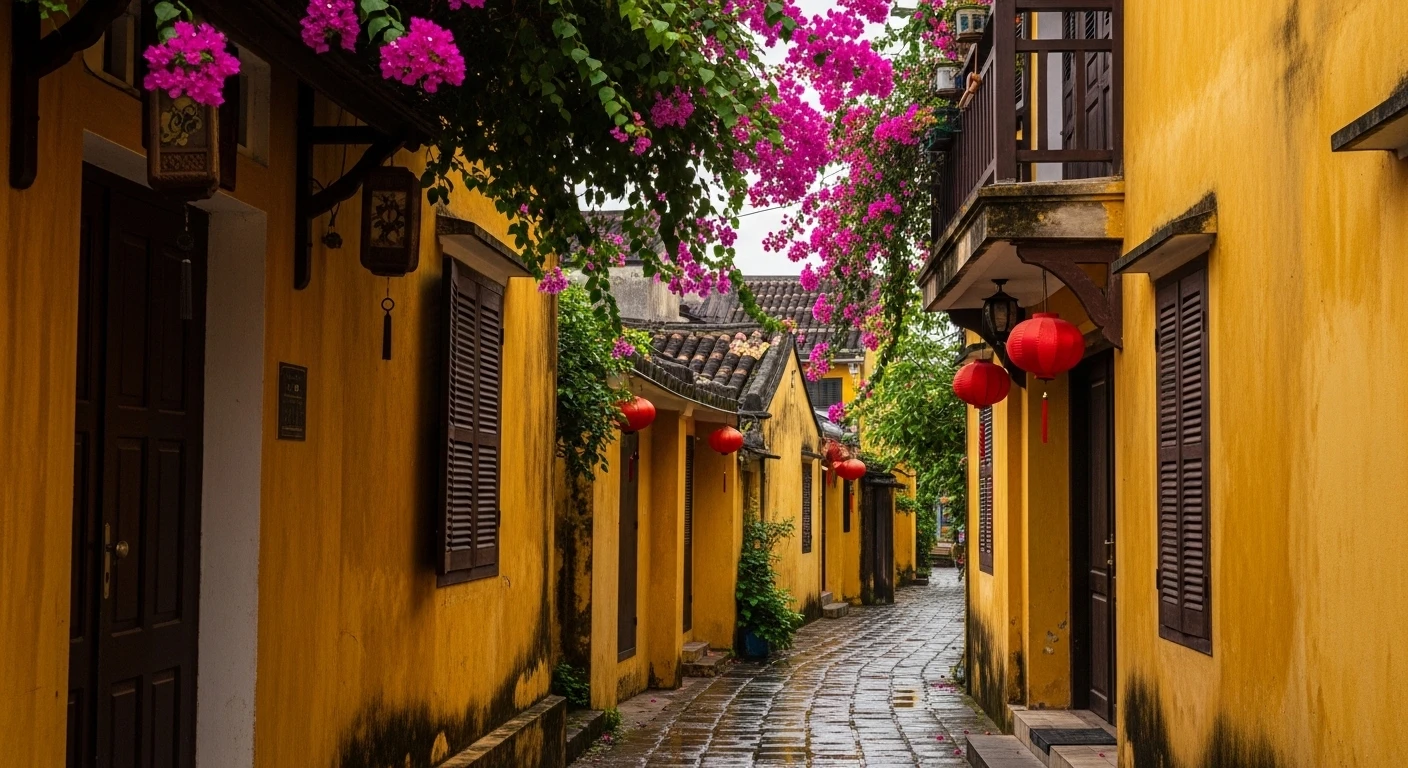
The iconic mustard-yellow walls of Hoi An, a signature hue found throughout the Old Town.
Its charm lies in its scale and its color palette. The streets, narrow and winding, are largely pedestrianized, encouraging slow, deliberate exploration. The dominant hue is a warm, sun-baked yellow, a color that reflects the local sunshine and the architectural influences of Chinese, Japanese, and European traders who once filled its harbor. These heritage buildings, many lovingly preserved, stand shoulder-to-shoulder, creating a vibrant, honey-colored labyrinth waiting to be discovered.
The Tailor's Promise: Bespoke Threads in a Day
Hoi An's reputation as a shopper's paradise is most famously cemented by its tailor shops. It's an almost surreal experience: walk into a bustling establishment, point to a fabric, discuss a design – perhaps a sharp modern suit, a flowing silk dress, or a crisp linen shirt – and by the next morning, or often even within 24 hours, it's ready for a fitting. The sheer speed and efficiency are astounding.
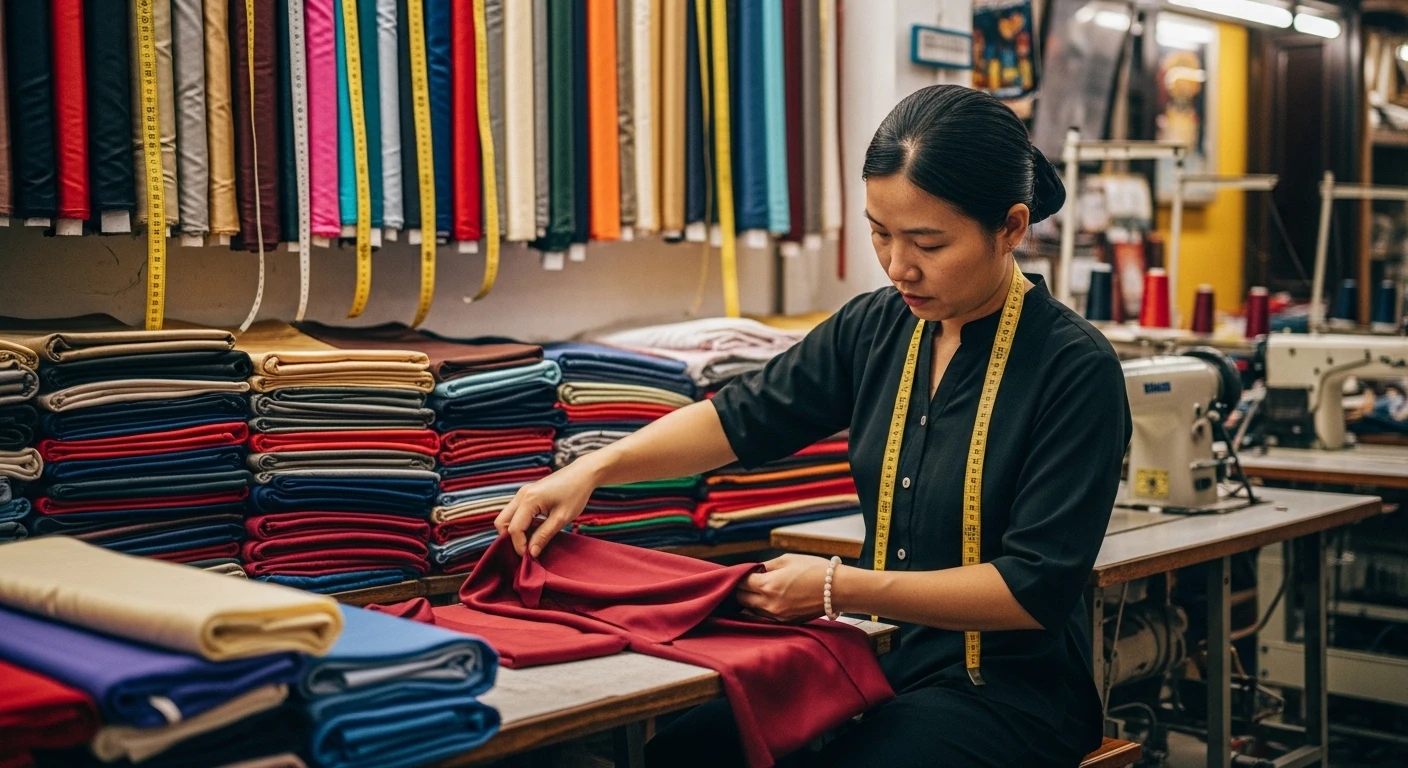
The sheer variety of fabrics, from vibrant silks to fine wools and breathable linens, is staggering. Armed with your measurements and a keen eye, you can commission custom-made garments at prices that make our Western high-street brands seem absurdly overpriced. It’s not just about the speed; it’s about the craft. Skilled artisans meticulously measure, cut, and stitch, often accommodating multiple fittings to ensure a perfect silhouette. This tradition, passed down through generations, is a cornerstone of Hoi An's economic and cultural identity.
Under a Canopy of Light: Exploring the Yellow Alleys
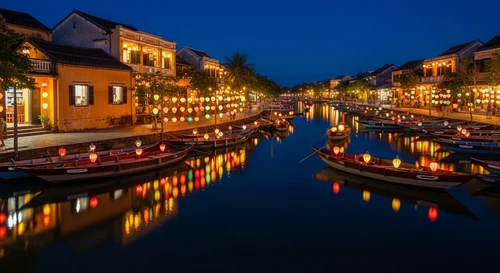
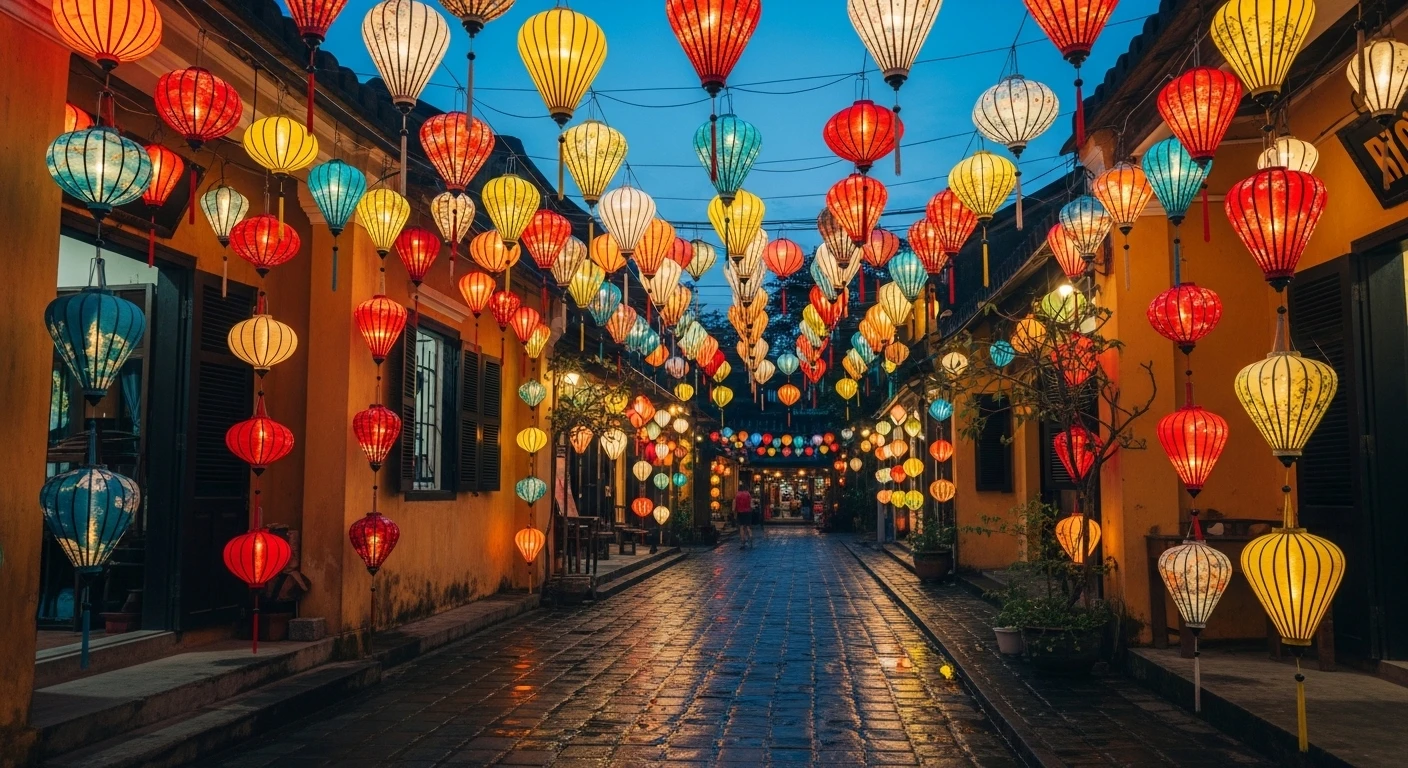
As dusk settles, Hoi An transforms. The daytime's warmth gives way to a magical, soft illumination. The town's signature lanterns, crafted from silk and wood, begin to glow, casting a warm, ethereal light on the yellow facades. These aren't mere decorations; they are an intrinsic part of the town's ambiance, turning every alleyway into a scene from a fairytale.
Simply wandering is the best way to experience this. Follow the gentle curve of a narrow lane, duck under a string of vibrant lanterns, and let your senses guide you. You’ll stumble upon hidden courtyards, quiet temples, and small shops selling everything from local crafts to delicious street snacks. The atmosphere is intimate, romantic, and utterly captivating. Even the simplest stroll becomes an adventure when every corner reveals a new, photogenic tableau. The lantern streets at night offer a particularly mesmerizing experience, with the river reflecting the glowing silk, creating a double spectacle of light and color.
The Japanese Covered Bridge: An Iconic Symbol
Dominating the western end of the Old Town, straddling a small canal, stands the symbol of Hoi An: the Japanese Covered Bridge. Built in the early 17th century by the Japanese merchant community, it was designed to connect with the Chinese quarters, symbolizing the town's cosmopolitan past.
This weathered, wooden structure, guarded by stone statues of dogs and monkeys, is more than just a bridge; it's a testament to Hoi An's historical role as a vital international trading port. Inside, a small temple dedicated to Tran Thuong, a deified Vietnamese physician, offers a glimpse into the spiritual life of the town. Walking across it, you tread on centuries of history, feeling the echoes of countless merchants, sailors, and travelers who passed this way before. The history of the Japanese Covered Bridge is a microcosm of Hoi An's rich, multicultural heritage.
The Quest for Banh Mi Phuong
No pilgrimage to Hoi An is complete without a visit to Banh Mi Phuong. This unassuming street stall, made world-famous by Anthony Bourdain and countless travel shows, is a culinary pilgrimage site. Be prepared for a queue – it's a rite of passage. But the wait is invariably worth it.
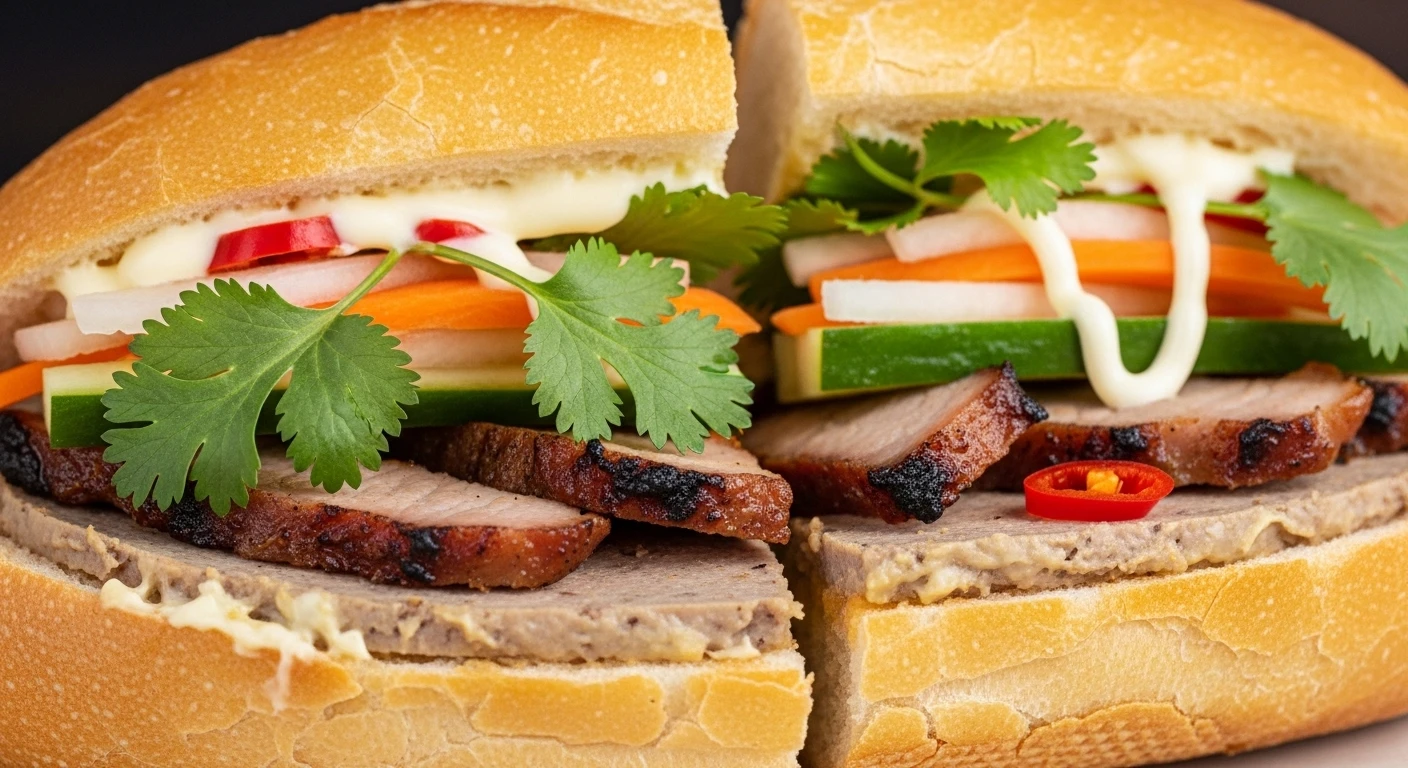
The magic lies in the perfect harmony of textures and flavors. A crusty, airy baguette, toasted to perfection, is slathered with a generous spread of pâté and mayonnaise. This is then layered with succulent grilled pork, fresh herbs like cilantro and mint, pickled daikon and carrots for a tangy crunch, and a drizzle of secret chili sauce that provides just the right kick. It's a symphony in your mouth – the savory, the sweet, the spicy, the fresh – all held together by that incredible bread. It’s not just a sandwich; it’s a culinary masterpiece.
While Banh Mi Phuong is legendary, Hoi An offers other fantastic street food experiences. Don't shy away from trying other local vendors for dishes like Cao Lau (a regional noodle specialty) or white rose dumplings.
Beyond the Yellow Walls: Further Discoveries
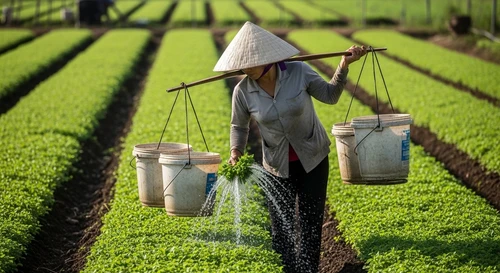
While the Old Town is the heart of Hoi An, its surrounding areas offer equally enriching experiences. A short cycle ride can take you to the verdant rice paddies, where water buffalo graze lazily and farmers tend to their crops. The contrast between the ancient town and the rural landscape is striking.
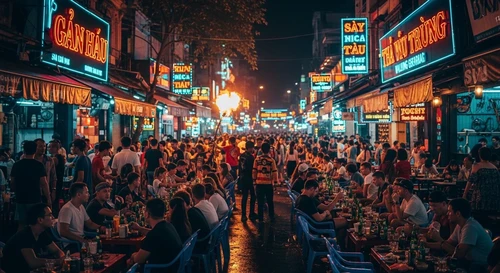
For those interested in the silk heritage that permeates Hoi An, a visit to a silk village is highly recommended. Witnessing the entire process, from silkworm to finished fabric, offers a deeper appreciation for the craftsmanship behind Hoi An's renowned tailors and lantern makers. If you find yourself captivated by Hoi An's enchanting evenings, the Hoi An Night Market, located across the river, is a vibrant extension of the town's nocturnal charm, brimming with more lanterns, handicrafts, and delicious street food.
Navigating Hoi An: Tips for the Savvy Traveler
Visiting Hoi An Old Town is relatively straightforward, but a few practical tips can enhance your experience. The Old Town operates on a ticket system for most major heritage sites. Purchasing a ticket (usually valid for multiple entries over several days) grants you access to several historical houses, assembly halls, museums, and the Japanese Covered Bridge. While you can wander the streets freely, the ticket is essential for delving deeper into the historical structures.
Best Time to Visit: The dry season, from February to August, offers pleasant weather, though it can get hot. The rainy season (September to January) brings fewer crowds and a different, dramatic charm, but be prepared for downpours. The Full Moon Lantern Festival, held monthly, is a particularly magical time when the town goes dark, illuminated only by lanterns.
Getting Around: The Old Town is best explored on foot. Cycling is also popular, with many rental shops available. Be mindful of pedestrian-only hours, which are strictly enforced, making it an incredibly peaceful experience.
The Soul of Hoi An: More Than Just Souvenirs
While Hoi An excels at drawing visitors into its historical charm, its true soul lies in its people and their enduring traditions. The warmth of the local vendors, the dedication of the tailors, the quiet reverence in the temples – these are the elements that truly define the experience.
Take the time to engage. Chat with the artisans, learn about their craft, and understand the heritage they are preserving. The efficiency of the tailoring is impressive, but the stories behind the fabrics and the families who have practiced this trade for generations are what truly enrich the visit. Similarly, the vibrant street food scene is a direct connection to the local palate, a delicious way to taste the authentic flavors of the region. Hoi An is a destination that rewards curiosity and genuine engagement, transforming a tourist visit into a deeply personal journey.
The Final Fitting: Why Hoi An Lingers Long After You Leave
Hoi An's enduring appeal isn't just about its picturesque canals, its mustard-yellow walls, or its famed Banh Mi. It’s a holistic sensory immersion. It’s the feeling of stepping back in time, the quiet thrill of discovering a hidden alley, the satisfaction of owning a perfectly fitted garment made with care, and the simple joy of a flavorful bite enjoyed under a thousand glowing lanterns.
It's a place that invites you to slow down, to absorb, and to appreciate the artistry that is woven into its very fabric. Whether you leave with a custom suit, a handful of exquisite silk lanterns, or just a camera full of memories, Hoi An Old Town leaves an indelible mark. It’s a reminder that beauty and history can coexist with vibrant modern life, a testament to the power of preservation and the enduring allure of a town that time seems to have embraced rather than forgotten.
Continue Exploring
Discover more of Vietnam's captivating regions and their unique cultural gems.
🇻🇳 Dive Deeper into Vietnamese Culture