Welcome to Ly Son: The Garlic Kingdom Born of Volcanoes
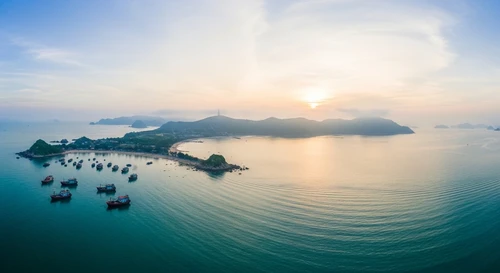
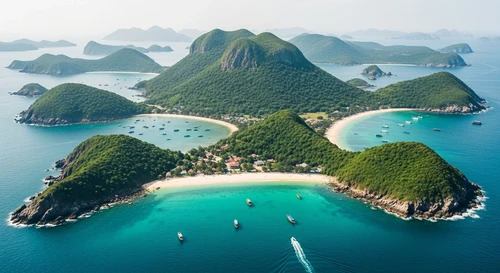
Forget the manicured resorts and predictable tourist trails. If you crave something raw, elemental, and utterly unique, set your compass for Ly Son Island. This speck of volcanic rock, jutting out of the East Sea off the coast of Central Vietnam, is more than just an island; it's a living testament to the earth's fiery past and the tenacious spirit of its people. Known affectionately as Vietnam's "Garlic Kingdom," Ly Son is a place where the very soil hums with geological history, and where life, quite literally, grows from volcanic ash.
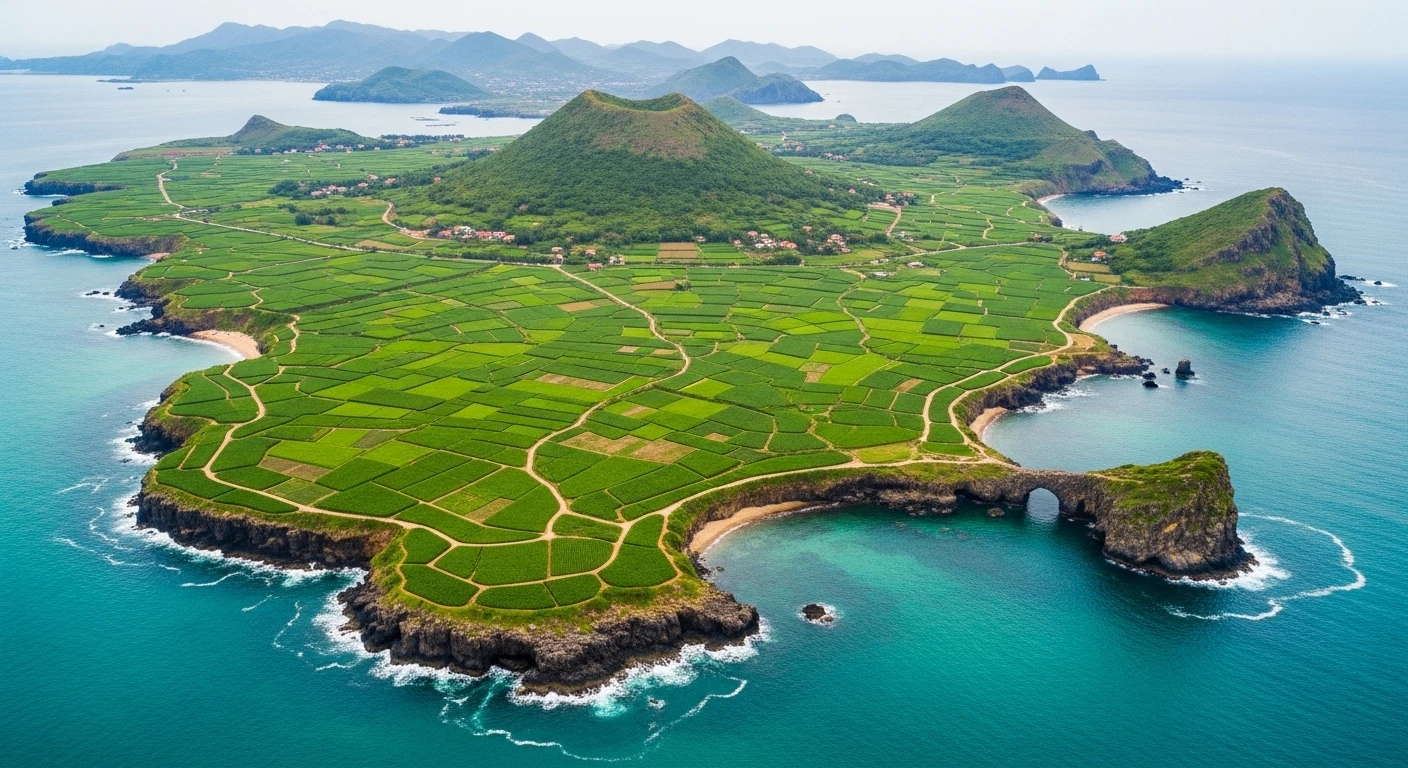
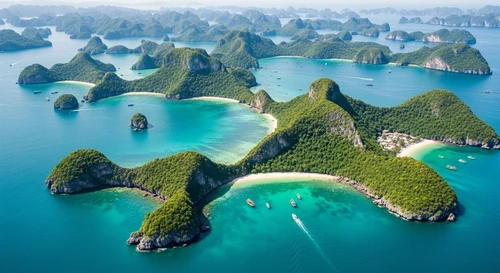
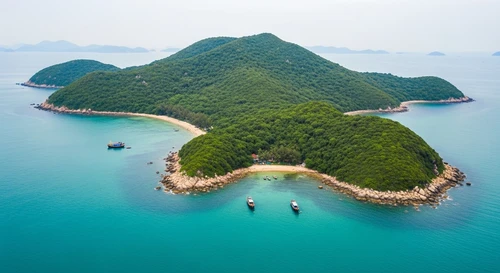
Ly Son Island: a landscape sculpted by ancient eruptions, now carpeted in the emerald green of its famous garlic.
Getting here is part of the adventure – a ferry ride from the mainland port of Sa Ky in Quang Ngai province. As the coastline recedes and the distinctive shape of Ly Son emerges from the hazy horizon, you feel a palpable shift. The air tastes saltier, the light seems brighter, and the rugged beauty of the island, shaped by millennia of volcanic activity, begins to unfold. This is not an island for the faint of heart; it's an island that demands to be explored, tasted, and felt.
The Crater's Embrace: Standing on Ancient Fire
Ly Son's soul is volcanic. The island is actually comprised of five distinct volcanic craters, with Mount Thoi Loi being the largest and most prominent. Hiking to its summit isn't just a physical ascent; it's a journey through time. As you climb, the landscape shifts from rocky outcrops to fertile terraces, where the island's famed garlic and onions thrive.
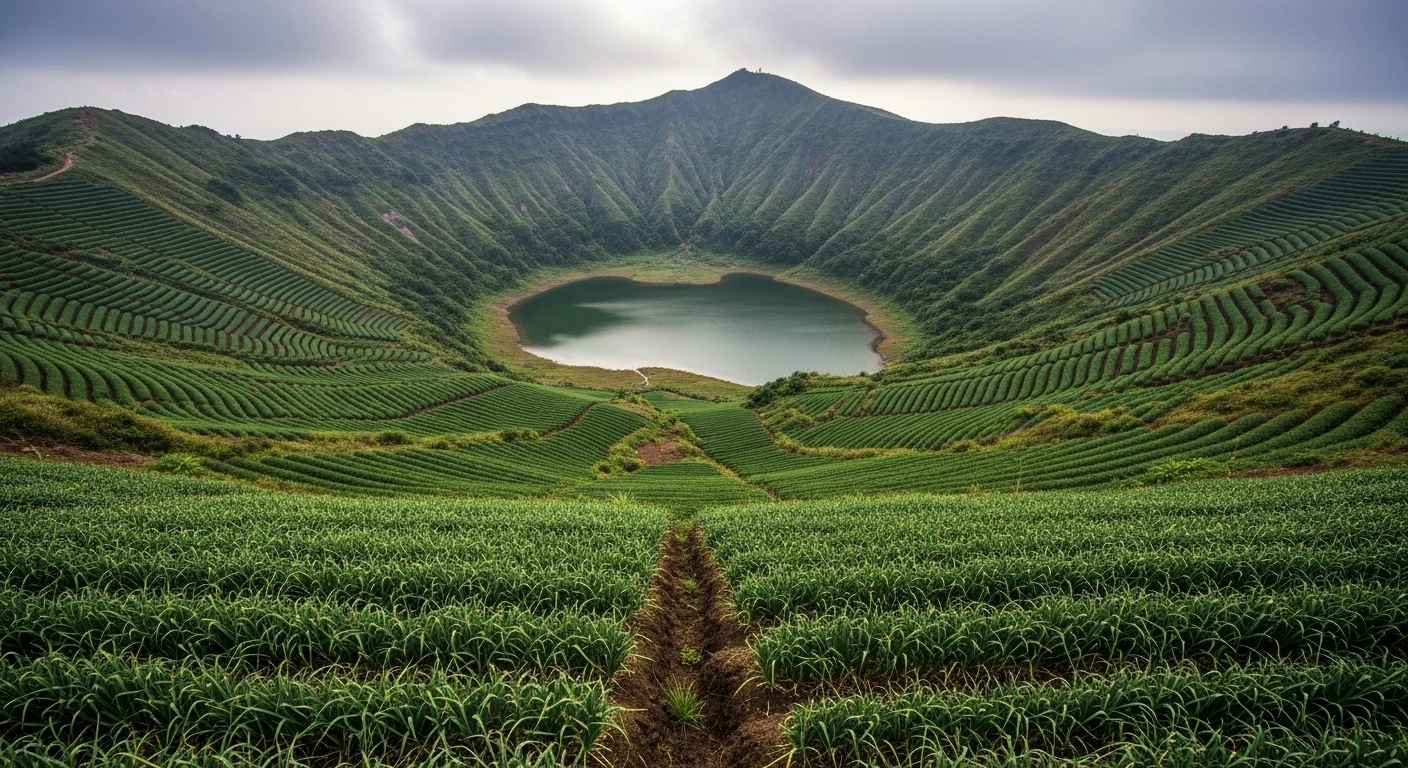
Once you reach the peak, the reward is staggering. You'll stand at the edge of a vast, extinct caldera. This immense crater, once a conduit of molten rock, now cradles a serene freshwater lake, reflecting the sky above. The contrast is stark: the destructive power of nature's past has given rise to a life-sustaining reservoir. Below, the patchwork of geometric garlic fields, meticulously tended by local farmers, creates a mesmerizing visual tapestry. It's a powerful reminder that even in desolation, new life can flourish.
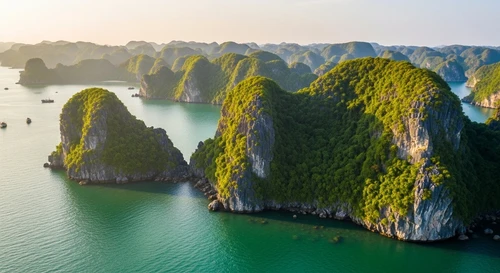
Exploring the island's other, smaller volcanic cones, like Gieng Tien and Hang Cau, offers further geological marvels. These areas are characterized by dramatic lava rock formations, sea caves sculpted by the relentless waves, and breathtaking coastal vistas. Each corner of Ly Son tells a story of its fiery birth.
To Vo Gate: A Lava Archway to the Setting Sun
If Ly Son has a postcard-perfect icon, it's the To Vo Gate. This natural arch, carved over millennia by the pounding sea from ancient volcanic rock, is a truly sublime sight. Standing sentinel on the island's southwestern coast, it frames the horizon in a way that feels almost divinely orchestrated.
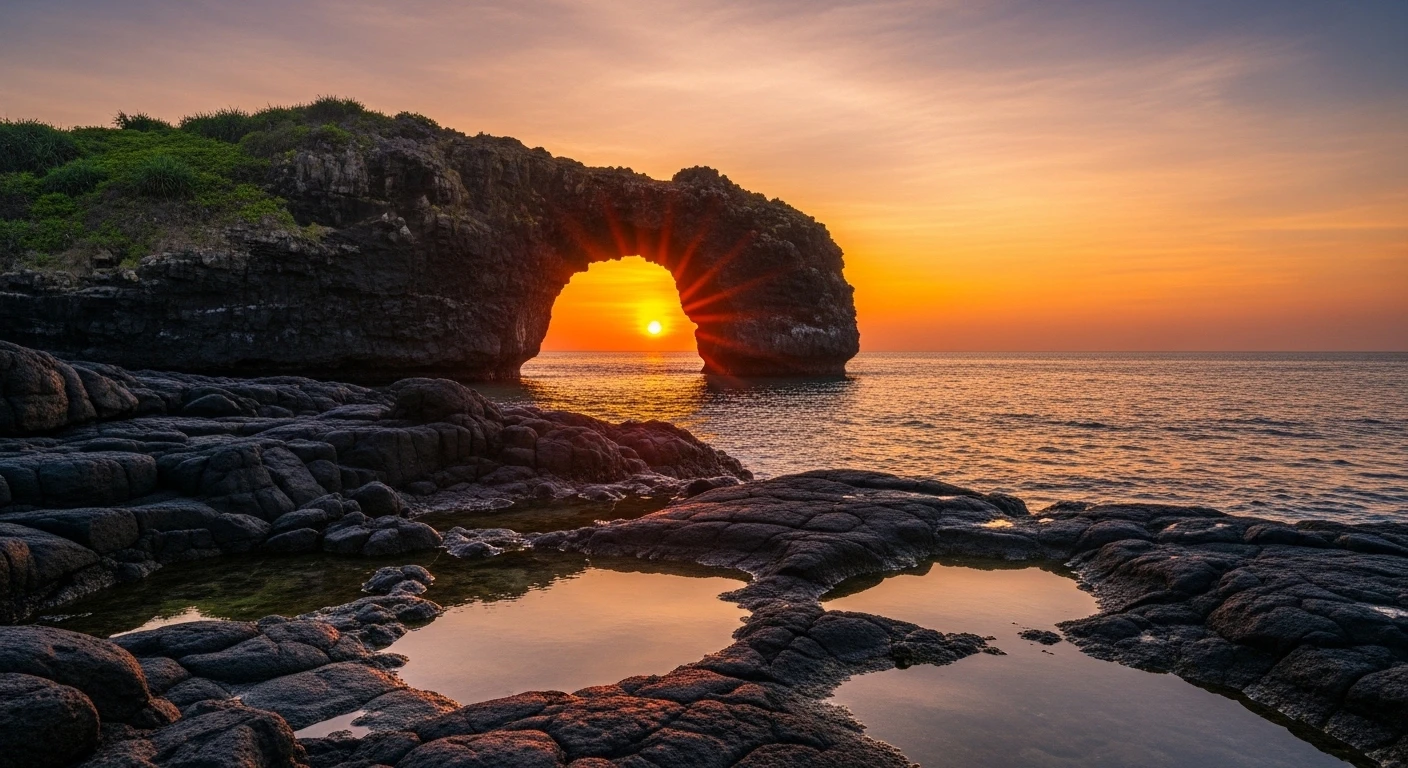
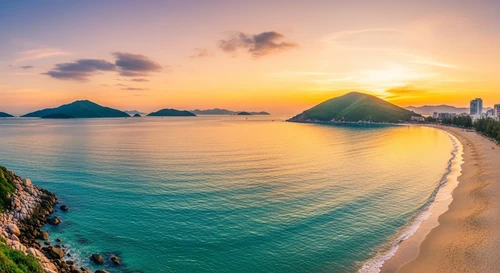
The real magic happens as the day draws to a close. As the sun begins its descent, it appears to sink directly through the gaping maw of the arch. The stone, imbued with the heat of its volcanic origin, glows a deep orange, the water around it shimmers, and the sky ignites in a symphony of reds, purples, and golds. It's a moment of pure, unadulterated natural beauty, a photographer's dream, and a deeply moving experience for anyone lucky enough to witness it. Wading into the shallow tidal pools around the gate as the tide recedes only adds to the surreal, immersive feeling.
To Vo Gate is more than just a landmark; it's a symbol of Ly Son's enduring connection to the sea and sky, a place where geological history meets ethereal beauty.
The Garlic Kingdom: Cultivating the Island's Soul
Ly Son's nickname, "Garlic Kingdom," is no hyperbole. The island is renowned throughout Vietnam for the unparalleled quality and distinctive aroma of its garlic. This isn't your supermarket variety; Ly Son garlic is smaller, with a more potent flavor and a pungent, almost spicy, sweetness. It's cultivated in the mineral-rich volcanic soil, absorbing the essence of the island itself.
The farming process is a labor of love, deeply ingrained in the island's culture. Farmers meticulously tend to their fields, often by hand, transforming the rugged landscape into rows of vibrant green. The harvest is a communal affair, a time of both hard work and celebration. The distinctive white-and-purple bulbs, cured under the equatorial sun, are then sold not just locally, but transported across Vietnam, carrying the taste of Ly Son with them.
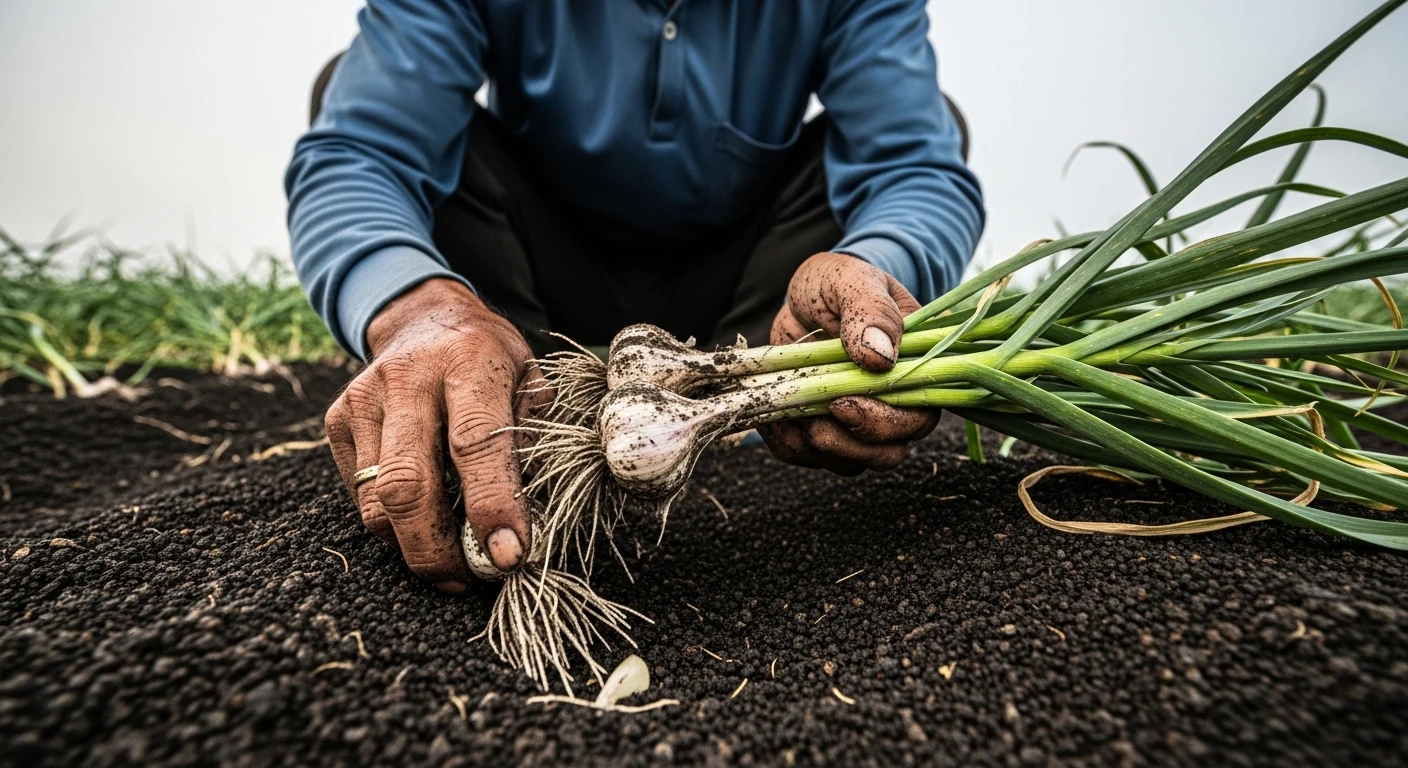
Beyond the bulbs, Ly Son's garlic culture extends to its stems. These tender shoots, often overlooked elsewhere, are a prized ingredient here, used in a variety of local dishes. It’s a testament to the islanders' resourcefulness and their deep respect for every part of their most famous crop.
A Culinary Revelation: The Humble Garlic Stem Salad
Now, let's talk about the food. While the volcanic landscapes and garlic fields are impressive, Ly Son's true magic for the adventurous palate lies in its unique culinary traditions. And the most surprising star of the show? The garlic stem salad.
Yes, you read that right. The tender, young stems of the garlic plant, often discarded in kitchens elsewhere, are transformed into a crisp, flavorful, and utterly delicious salad here. Imagine a vibrant medley of thinly sliced garlic stems, tossed with the island's sweet shrimp, fragrant herbs like mint and basil, perhaps some crispy fried shallots, and a zesty, slightly sweet dressing typically made with fish sauce, lime juice, and a touch of sugar.
The Ly Son Experience
Exploring Ly Son is like stepping into a living museum of natural history and resilient culture. From the raw beauty of its volcanic peaks to the subtle, pungent aroma of its garlic fields, the island offers an authentic taste of Vietnam untouched by mass tourism.
The texture is a delightful combination of crispness from the stems and a slight chewiness from the shrimp. The flavor is a complex dance of pungent, sweet, savory, and fresh. It’s a dish that perfectly encapsulates Ly Son – unexpected, born from the land, and bursting with character. Don't leave the island without trying it; it’s a culinary adventure you won't soon forget.
Beyond Garlic: Island Flavors and Coastal Bounty
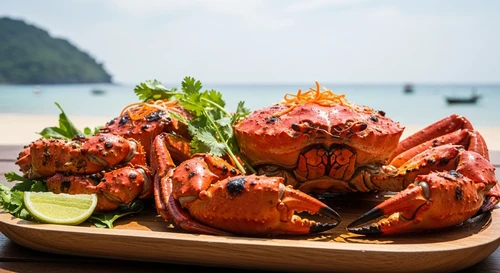
While garlic reigns supreme, Ly Son’s coastal location means an abundance of incredibly fresh seafood. Expect to find succulent grilled fish, plump prawns, and local varieties of shellfish, often prepared simply to highlight their natural flavors. Freshly caught and cooked over charcoal, these ocean treasures are a true delight.
Island Staples
- Sea Urchin (Nhím Biển): A local delicacy, often grilled or consumed raw, offering a rich, briny flavor.
- Various Local Fish: Freshly caught daily and prepared grilled, steamed, or in simple stews.
- Shrimp: Plump and sweet, a common accompaniment to many dishes, including the famous garlic stem salad.
Local Drinks
- Garlic Wine: Yes, it exists. A potent, locally brewed concoction with a distinctly pungent aroma.
- Fresh Coconut Water: A refreshing respite from the tropical heat.
Dining on Ly Son is an intimate affair, often at small, family-run eateries where the ingredients are as fresh as they come. It's about savoring the fruits of the island and the sea, prepared with generations of culinary wisdom.
The Journey to Ly Son: Your Gateway to the Garlic Kingdom
Reaching Ly Son is an integral part of the island experience, a deliberate separation from the mainland that enhances its mystique. The primary gateway is the Sa Ky Port in Quang Ngai Province, Central Vietnam.
Step 1: Arrive in Central Vietnam
Most international travelers arrive at Da Nang International Airport (DAD). From Da Nang, you have a few options to reach Quang Ngai province:
- By Bus: Numerous bus companies operate routes from Da Nang to Quang Ngai City. The journey takes approximately 3-4 hours.
- By Train: You can take a train from Da Nang station to Quang Ngai station. This is a scenic route, taking around 2-3 hours.
- By Private Transfer/Taxi: For more convenience, arrange a private car service. This offers the most direct and comfortable option.
Step 2: From Quang Ngai to Sa Ky Port
Once in Quang Ngai City, you'll need to travel to Sa Ky Port. This is a journey of about 20-30 kilometers.
- By Taxi/Motorbike Taxi: The most straightforward way to get to the port from Quang Ngai City.
- By Local Bus: Local buses also run towards the coast, but may require more navigation.
Step 3: The Ferry to Ly Son Island
Ferries depart regularly from Sa Ky Port to Ly Son Island (specifically to An Hai Port or Dong Hoi Port). The crossing typically takes about 45-60 minutes. It’s advisable to check the ferry schedule in advance, as timings can vary based on weather conditions.
To Vo Gate and Mount Thoi Loi are easily accessible by motorbike, which you can rent upon arrival on the island.
Island Rhythms: Exploring Ly Son's Hidden Corners
While Mount Thoi Loi and To Vo Gate are must-sees, Ly Son offers more for those willing to venture off the beaten path. The island’s winding roads lead you through small villages where life unfolds at a gentle pace. Observe the local fishermen mending their nets, the women tending to their garlic gardens, and the children playing along the coast.
Visit the Duy Hai fishing village, particularly in the early morning, to witness the bustling activity as boats return with their catch. The vibrant colors of the fishing boats against the turquoise sea are a sight to behold. Don't miss the island’s unique cemeteries, where elaborate tombs are carved from volcanic rock, a testament to the islanders' deep reverence for their ancestors.
A Photographer's Paradise
Ly Son’s dramatic landscapes, from volcanic craters to coastal arches, combined with the vibrant daily life of its inhabitants and the iconic garlic fields, make it an unparalleled destination for photography enthusiasts.
Renting a motorbike is the best way to explore. The roads are generally well-maintained, and the island is small enough to cover in a day or two. Allow yourself to get a little lost; it’s often in these quiet lanes and coastal paths that you’ll find the most authentic glimpses of Ly Son life.
Insider Tips for Ly Son Adventurers
- Best Time to Visit: The dry season, from March to September, offers the most pleasant weather. However, garlic planting and harvesting seasons (typically around October and March/April, respectively) can offer unique cultural insights.
- Accommodation: Options range from basic homestays offering a glimpse into local life to small guesthouses. Book in advance, especially during peak season.
- What to Pack: Sunscreen, a hat, insect repellent, comfortable walking shoes, and a light jacket for ferry rides.
- Respect Local Culture: Dress modestly when visiting villages and temples. Always ask permission before taking photos of people.
- Embrace the Garlic: Be adventurous with the food! Try the garlic stem salad, garlic wine, and any local specialties.
- Connectivity: Wi-Fi can be spotty; consider a local SIM card if constant connectivity is essential.
Ly Son's Enduring Charm
Ly Son Island is not a destination that shouts for attention; it whispers its stories through ancient volcanic rock, the pungent scent of garlic, and the warm smiles of its people. It’s a place that reminds you of the raw power of nature and the resilience of human endeavor. From standing atop an extinct volcano to watching the sun melt through a lava arch, to savoring a salad made from garlic stems, Ly Son offers an experience that is deeply grounding and remarkably exhilarating.
For travelers seeking authenticity, natural beauty, and a taste of something truly unique, this volcanic island in the heart of Vietnam's seas is an unforgettable pilgrimage. It’s a reminder that some of the most profound travel experiences are found where the earth’s fiery past meets the vibrant present.