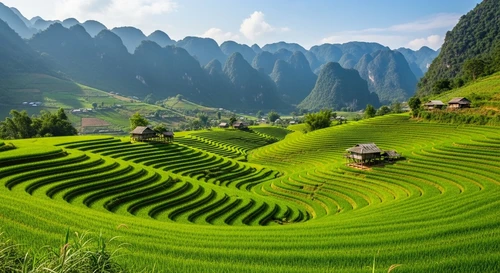
Where the Water Meets the Emerald Canopy
Imagine this: you're gliding, almost imperceptibly, through a watery world where the only color is an impossibly vibrant, electric green. Not the deep, shadowed green of a temperate rainforest, but a luminous, almost artificial hue that blankets every surface. This isn't a dream; it's Tra Su, a mangrove forest in Vietnam's southwestern Mekong Delta that defies expectations and redefines the word "surreal."
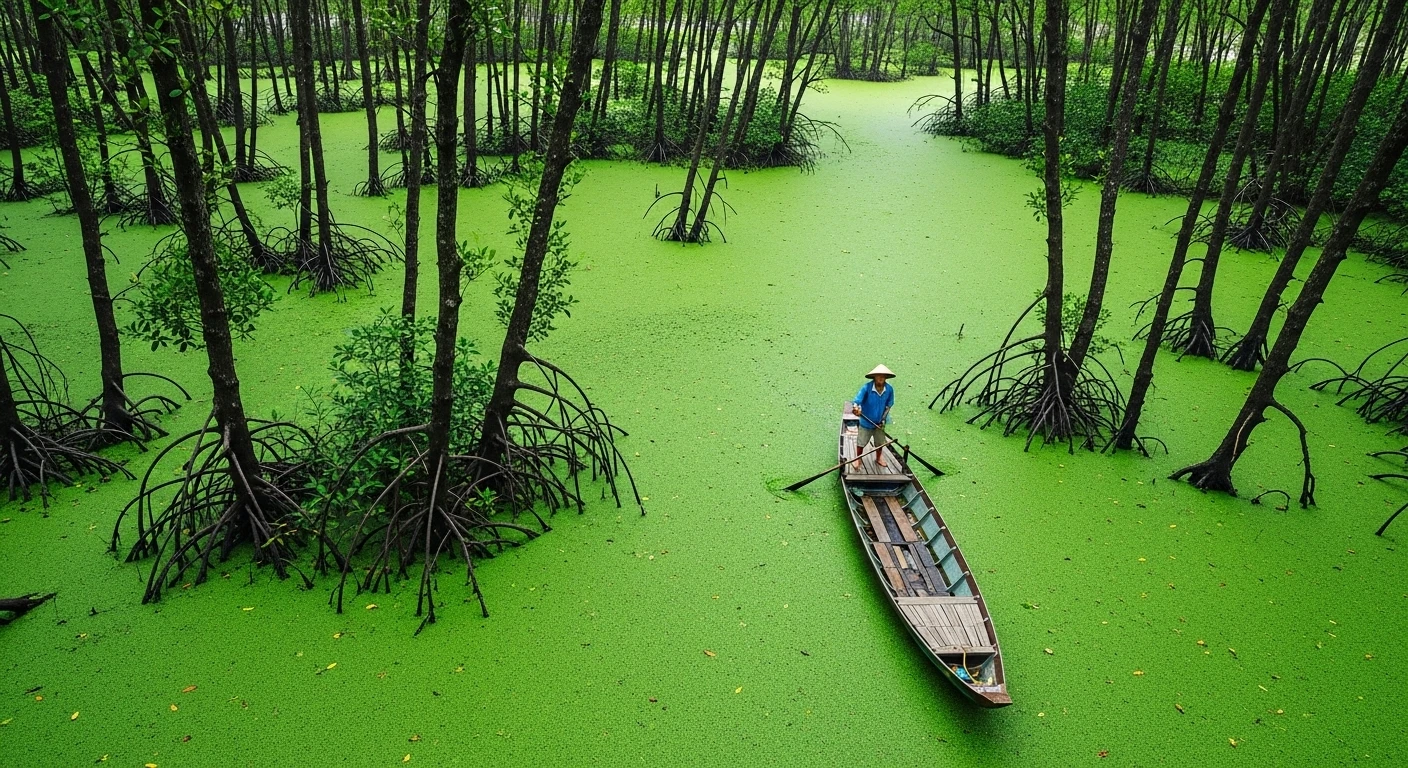
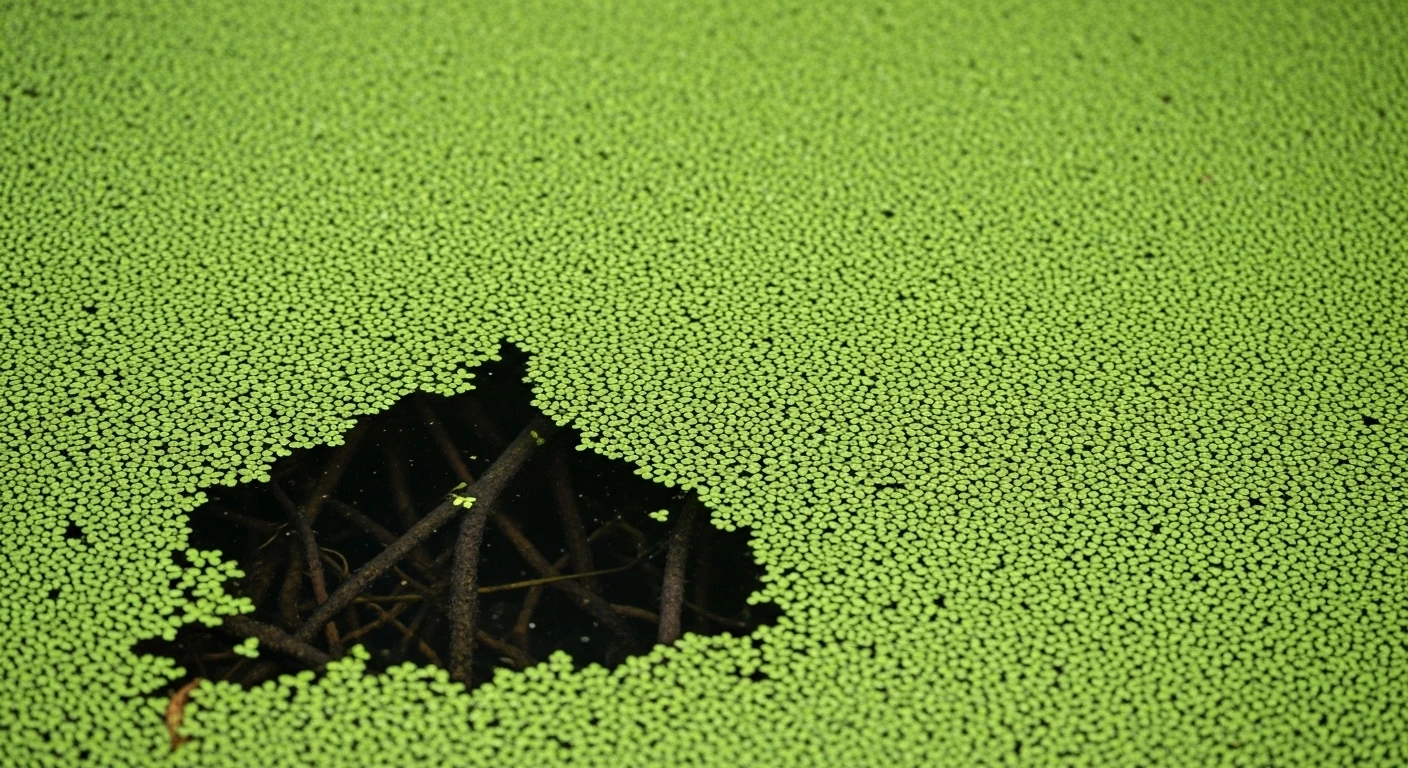
Here, the water is not merely a passage but the very foundation of life, nurturing an ecosystem unlike any other. The dominant force, the agent of this verdant transformation, is duckweed. Millions upon millions of tiny aquatic plants form a living carpet so thick that the murky water beneath is almost entirely obscured. It’s a natural phenomenon that transforms the familiar landscape of a mangrove forest into something akin to a fairy tale.
For the intrepid traveler, Tra Su offers an escape into a different dimension. It's a place where the usual hustle of Vietnam recedes, replaced by the gentle lapping of water against a wooden boat and the symphony of unseen wildlife. This is the Mekong Delta at its most enchanting, a testament to nature's boundless creativity.
Navigating the Delta: The Path to Tra Su
Reaching Tra Su requires a journey into the heart of the Mekong Delta, a region often overlooked by those rushing between the well-trodden paths of Hanoi and Ho Chi Minh City. This vast, fertile delta, known as Vietnam's "rice bowl," is a labyrinth of rivers, canals, and lush greenery. Tra Su is located in An Giang Province, a region steeped in agricultural tradition and natural beauty.
The most common gateway is Can Tho, the delta's largest city. From Can Tho, the adventure truly begins. The drive, typically around 2-3 hours by car or taxi, winds through verdant landscapes, past endless rice paddies, and over countless bridges that span shimmering waterways. You'll witness a way of life intrinsically tied to the water – farmers tending their crops, children playing by the riverbanks, and local markets teeming with fresh produce.
For the truly adventurous, consider taking a local bus from Can Tho to Chau Doc, then a short taxi or motorbike ride to Tra Su. This offers a more immersive experience, allowing you to see more of the local life unfold. As you approach the forest, the air grows thicker with humidity, and the distinct scent of damp earth and vegetation fills your senses. The landscape begins to change, the rice paddies giving way to dense clusters of trees, hinting at the magical realm that awaits.
Pro Tip: Visiting Tra Su in the late afternoon, as the sun begins its descent, offers a particularly magical experience. The golden light filtering through the duckweed and trees creates an ethereal glow, enhancing the forest’s fairy-tale quality.
The Dance of the Oars: A Silent Immersion
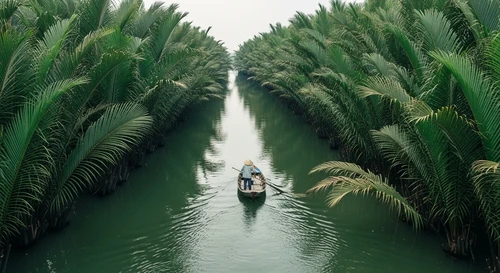
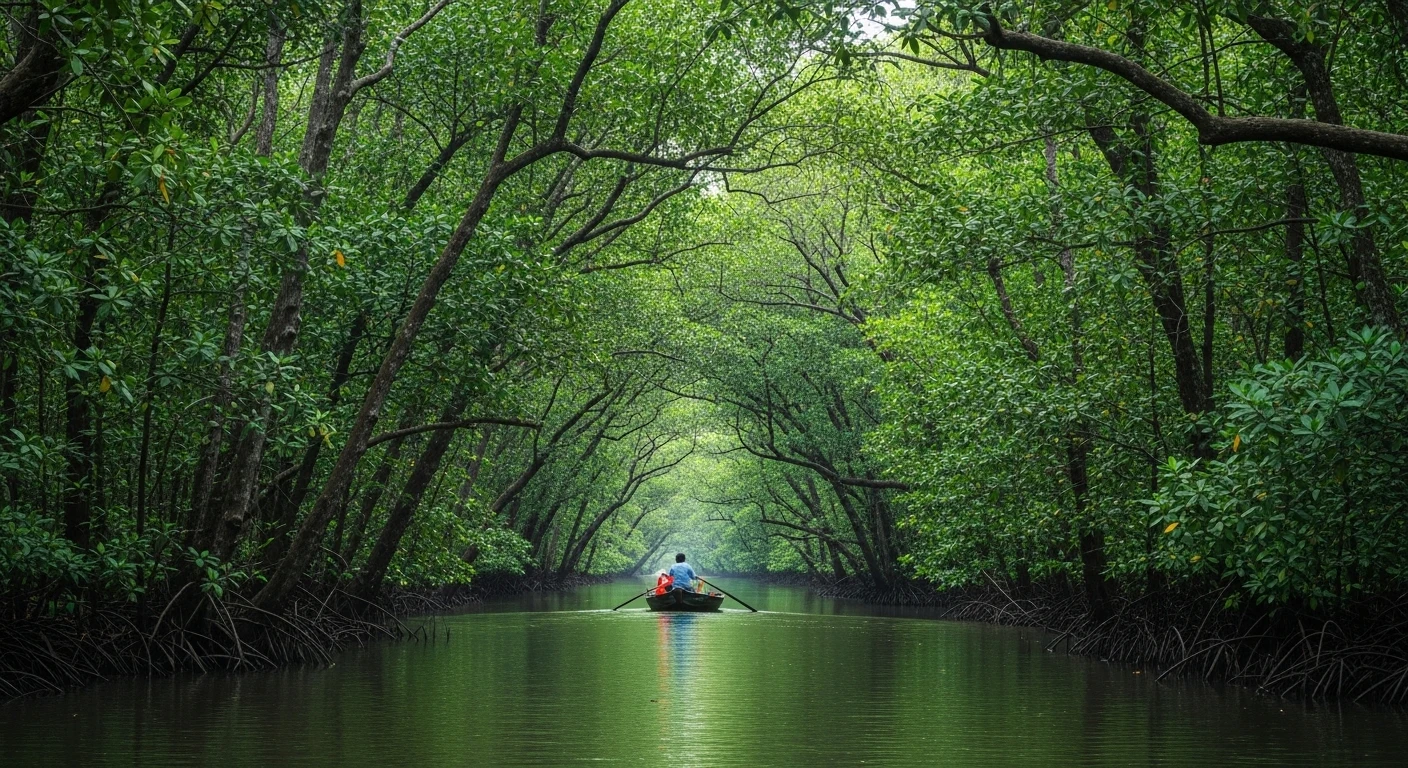
The true magic of Tra Su is unlocked not by powerboats or hurried tours, but by the gentle rhythm of a traditional Vietnamese rowboat, expertly guided by a local oarsman. As your slender craft slips into the water, the outside world melts away. The only sounds are the soft dip of the oars, the distant call of a bird, and perhaps the rustle of leaves.
You are immediately enveloped by the emerald blanket of duckweed. It’s an all-encompassing green, so thick and uniform it feels like sailing on a living carpet. Beneath this aquatic tapestry, a complex ecosystem thrives. The submerged roots of the melaleuca trees, typical of this flooded forest, provide shelter and sustenance for a myriad of creatures.
As your boatman expertly navigates the narrow channels, he’ll point out the hidden wonders: flashes of brilliant color as kingfishers dart by, the patient perch of a heron waiting for its next meal, or the playful antics of monkeys in the branches above. Keep an eye out for the diverse birdlife; Tra Su is a haven for hundreds of species, including the rare Black-necked Stork. The silence allows for intimate observation, fostering a connection with nature that is both profound and peaceful.
The experience is almost meditative. The slow pace, the vibrant colors, and the natural sounds work in harmony to create a sense of profound calm. It’s an opportunity to disconnect from the digital noise and reconnect with the primal beauty of the natural world.
A Sanctuary for Life: The Richness of Tra Su
While the emerald duckweed is the immediate visual spectacle, Tra Su's true value lies in its incredible biodiversity. This protected wetland is a crucial habitat for a vast array of flora and fauna, playing a vital role in the ecological balance of the Mekong Delta.
The dominant trees are the resilient melaleuca (or cajeput) trees, adapted to thrive in the flooded, slightly acidic soil. Their spindly trunks and tangled roots create a unique underwater forest, a perfect nursery for fish and a platform for countless invertebrates. The duckweed, far from being just a pretty blanket, is a primary food source for many of the smaller aquatic creatures and serves as a vital part of the food web.
Birdwatching is a major draw. Tra Su is home to over 140 species, with peak activity often during the dry season (December to May). The air can become alive with the calls of egrets, herons, cormorants, and various waterbirds. For serious ornithologists, the chance to spot rare species makes a trip here invaluable. The forest also supports a healthy population of bats, whose nightly exodus from the trees is a spectacle in itself.
Eco-Tourism Note: Tra Su is a model for responsible eco-tourism in Vietnam. The local communities are integral to its management, ensuring that visitor activities are sustainable and contribute to conservation efforts. Your visit directly supports the preservation of this unique ecosystem.
The Observation Tower: A Bird's-Eye View
To truly appreciate the scale and grandeur of Tra Su, a visit to its observation tower is a must. Rising majestically above the canopy, this tower offers a breathtaking panoramic view of the entire mangrove forest. From this vantage point, the emerald carpet of duckweed stretches as far as the eye can see, an undulating sea of green punctuated by the dark silhouettes of melaleuca trees.
Climbing the tower is an experience in itself. Each level offers a slightly different perspective, gradually revealing the vastness of this natural wonder. The wind whispers through the railings, carrying the distant sounds of the forest. It's here that you gain a true appreciation for the sheer density of the duckweed and the intricate network of waterways hidden beneath.
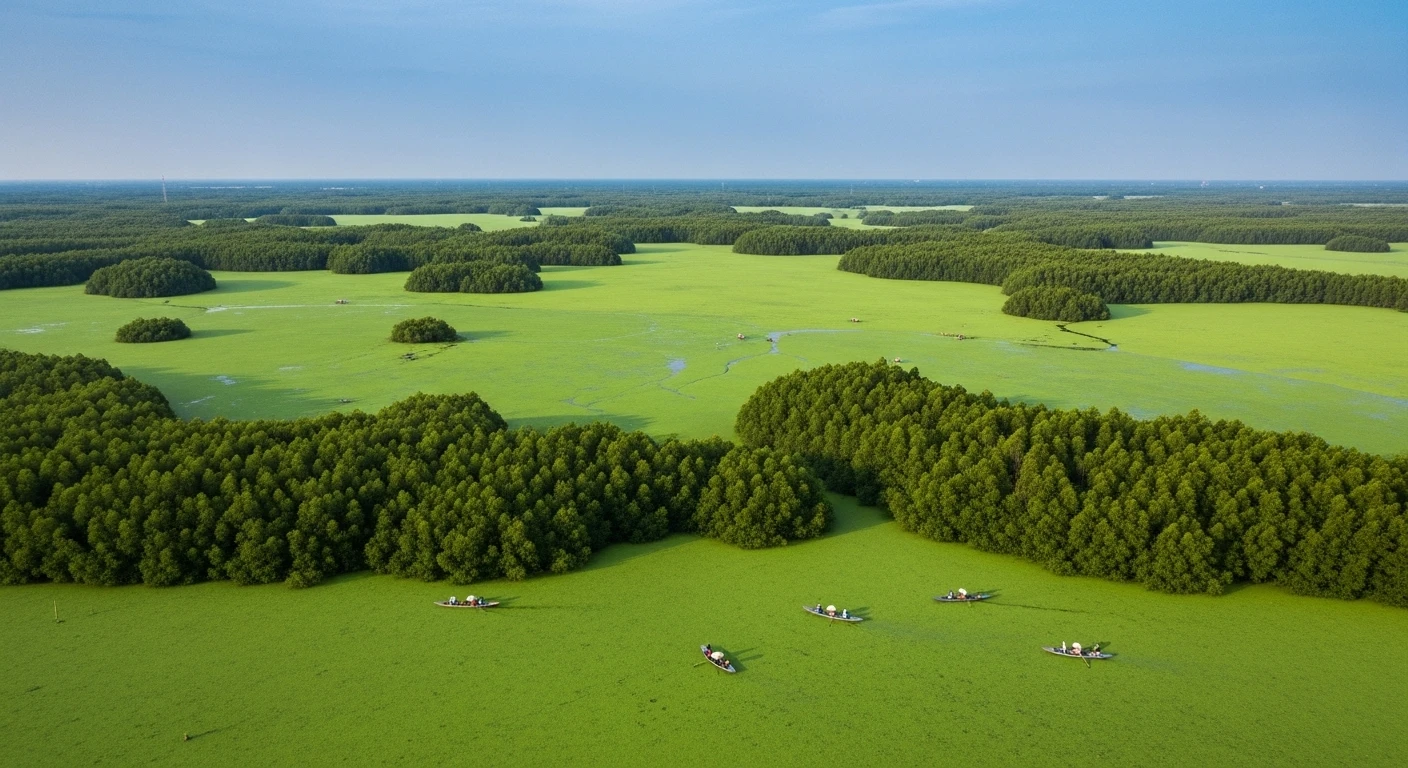
Looking down, you might spot the winding paths of the rowboats, appearing as tiny threads on the green expanse. You can also observe the varied patterns of the forest, identifying denser tree clusters and open water channels. It’s a moment to pause, breathe, and absorb the immense beauty of this natural spectacle. This elevated perspective truly solidifies Tra Su's reputation as one of the Mekong Delta's most extraordinary landscapes.
Echoes of the Delta: Complementary Mekong Experiences
While Tra Su is undoubtedly a highlight, your journey through the Mekong Delta offers a tapestry of cultural and natural wonders that complement its unique charm. Understanding these broader experiences enriches the appreciation for Tra Su's place within this vibrant region.
Nearby, the city of Cai Be offers a glimpse into traditional floating markets, where life unfolds on the water. While Cai Rang is more famous, Cai Be provides a more intimate, authentic experience. Witnessing the vibrant trade of fruits, vegetables, and local goods from dawn till dusk is a testament to the delta’s agricultural heart.

Cai Be Floating Market: The Quiet Alternative to Touristy Cai Rang
Skip the crowds and wake up at 4 AM for Cái Bè. Discover a more intimate, historic floating market where authentic trade still outnumbers tourist boats.
Read MoreDelving further into local cuisine is essential. From savoring the complex flavors of a Bun Rieu (crab noodle soup) to exploring the ubiquitous "Vietnamese pizza" known as Banh Trang Nuong, the Mekong’s culinary landscape is as diverse as its waterways. These dishes, often incorporating fresh river produce, offer a delicious insight into the region's gastronomic heritage.

Banh Trang Nuong: The 'Vietnamese Pizza' Taking Over Night Markets
Grilled over hot coals, topped with quail eggs, dried shrimp, and scallion oil. How a simple Da Lat street snack conquered the entire country's youth.
Read MoreThe very concept of navigating Vietnam, especially its bustling cities, can be an adventure. Mastering the art of the "slow walk" to cross a street in Ho Chi Minh City, for instance, is a rite of passage that showcases the unique blend of chaos and order in Vietnamese urban life.

The Art of the 'Slow Walk': Surviving Vietnam's Legendary Motorbike Traffic
Crossing the street in Ho Chi Minh City looks like a suicide mission to foreigners. Learn the magical 'slow walk' technique that guarantees you make it to the other side.
Read MoreTra Su is more than just a forest; it's an experience that embodies the serene beauty and rich ecological tapestry of the Mekong Delta. It offers a profound sense of peace and wonder, a vivid emerald dream in the heart of Vietnam.
Planning Your Enchanting Escape
To make the most of your trip to Tra Su Mangrove Forest, a little planning goes a long way. This region, while tranquil, has specific nuances that can enhance your experience.
- Best Time to Visit: The dry season, from December to May, is generally considered the best time. The water levels are lower, the duckweed cover is often at its peak, and birdwatching is at its most rewarding. The wet season can bring higher water levels, but the forest remains lush and green.
- Opening Hours: Tra Su is typically open from early morning until late afternoon. It’s advisable to arrive by midday to allow ample time for a boat tour and a climb up the observation tower.
- Boat Tours: Upon arrival, you'll arrange for a boat tour. There are usually two options: a larger communal boat for groups or a smaller, private rowboat with a dedicated oarsman. The private option offers a more intimate and personalized experience. Prices are generally fixed and displayed at the ticket counter.
- What to Bring:
- Insect Repellent: Essential, especially for the humid, watery environment.
- Sun Protection: A hat, sunscreen, and sunglasses are crucial as much of the experience is outdoors.
- Camera: The photographic opportunities are immense! Ensure your batteries are charged.
- Comfortable Shoes: You’ll be doing some walking, especially up the tower.
- Water: Stay hydrated, especially in the tropical heat.
- Local Cuisine: While exploring Tra Su, you'll find local eateries offering Mekong Delta specialties, often featuring fresh fish and river prawns. It’s a great chance to sample regional dishes.
Capturing the Emerald Dream: Photography at Tra Su
For photographers, Tra Su Mangrove Forest is a dreamscape. The unique visual elements – the vibrant green duckweed, the stark silhouettes of trees, the mirror-like water, and the abundant birdlife – offer endless compositional possibilities.
The key to capturing the magic of Tra Su lies in light and perspective. Golden hour, just after sunrise or before sunset, provides the most dramatic lighting. The low angle of the sun illuminates the duckweed from the side, enhancing its texture and color. The water’s surface acts as a natural mirror, creating stunning reflections of the trees and sky.
Consider experimenting with different angles:
- Low Angles from the Boat: Get down close to the water's surface to emphasize the duckweed and reflections.
- Wide Shots from the Tower: Capture the breathtaking panorama of the entire forest.
- Telephoto Lens for Wildlife: If you're interested in bird photography, a longer lens will be invaluable for capturing detailed shots of the diverse avian population.
- Focus on Details: Don't overlook the intricate patterns of the duckweed, the gnarled roots of the trees, or the delicate veins of leaves.
The surreal beauty of Tra Su is a testament to nature's ability to create wonders. Whether you're a seasoned photographer or simply looking to capture a unique travel memory, this emerald wonderland provides an unparalleled backdrop.
A Quiet Reverence: Tra Su's Place in the Mekong Soul
Tra Su Mangrove Forest is more than just a tourist attraction; it’s a vital organ of the Mekong Delta's ecological and cultural body. Its existence speaks to the profound connection between the people of this region and their environment. The quiet reverence with which locals approach the forest, understanding its fragility and its bounty, is palpable.
This is a place that demands a slower pace, a mindful observation. It’s where the hurried traveler can find a moment of profound peace, where the concrete jungle gives way to an emerald one, and where the symphony of nature replaces the clamor of modern life. The experience of gliding through Tra Su is a gentle reminder of the magic that still exists in the world, waiting to be discovered by those who venture off the beaten path.
As you leave the forest, the vibrant green might fade from your immediate sight, but the indelible impression of its surreal beauty, its thriving biodiversity, and its profound tranquility will linger. Tra Su is not just a destination; it's an immersion, a fairy tale brought to life in the very soul of the Mekong.
Embrace the Emerald
Tra Su Mangrove Forest is a profound testament to the unique ecosystems found in Vietnam's Mekong Delta. Its emerald waters, teeming with life and shrouded in an almost otherworldly beauty, offer an unforgettable travel experience. It's a place that whispers tales of nature's artistry, inviting you to slow down, listen, and marvel. If you find yourself in the Mekong, let the allure of this green fairy tale draw you in – you won’t regret it.
Explore More of the Delta
Discover other natural wonders and cultural gems that make the Mekong Delta truly special.
Discover Mekong's Secrets 🛶