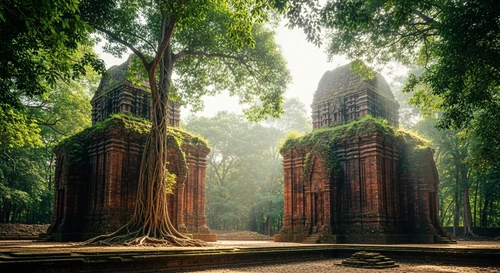
Where the Dragon Met the Sky: A Glimpse into Vietnam's Royal Past
Travel is often a conversation with history, a chance to touch the stones laid by emperors and feel the winds that once carried royal decrees. In the heart of Vietnam's Thanh Hoa province, a story etched in ancient stone and whispered through generations of culinary tradition awaits. This is not merely a destination; it's a journey back to a pivotal moment in Vietnamese history, the brief but brilliant reign of the Ho Dynasty, and a culinary revelation that continues to delight palates today.
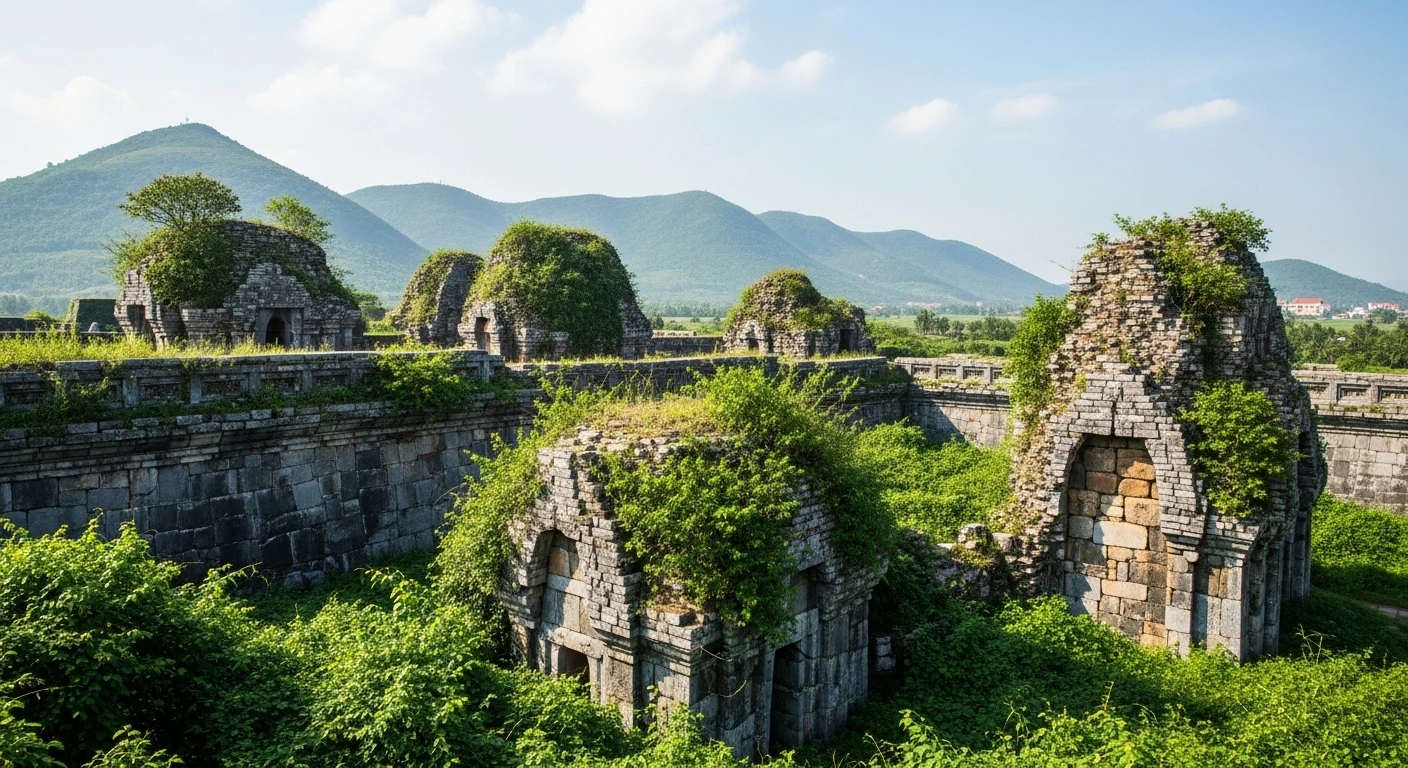
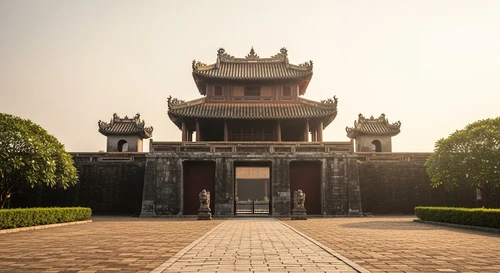
The enduring stones of Lam Kinh Citadel, silent witnesses to Vietnam's royal past.
Our focus today is on two magnificent legacies: Lam Kinh Citadel, the historic seat of power, and the unassuming yet legendary Nem Chua, the province's most celebrated local specialty. They represent the enduring spirit of Thanh Hoa – a fusion of regal history and humble, yet profoundly delicious, gastronomic artistry.
Lam Kinh Citadel: The Heart of the Ho Dynasty
Imagine a place where the very ground beneath your feet hums with the weight of history. Lam Kinh Citadel, nestled in the Tho Xuan district of Thanh Hoa, is precisely that. This was the capital established by Ho Quy Ly, a scholar-general who, in 1400, usurped the Tran Dynasty to found the short-lived but impactful Ho Dynasty. Though its reign was brief, its architectural ambition and historical significance are undeniable.
Unlike the grand, sprawling complexes of later imperial cities like Hue, Lam Kinh is characterized by its more intimate scale and its strategic placement amidst rolling hills and verdant landscapes. The citadel was built with sturdy, local stone, reflecting a practical yet resilient approach to governance. Walking through its ruins, one can still discern the foundations of palaces, temples, and defensive walls. It’s a place where the grandeur is less about opulence and more about enduring strength.
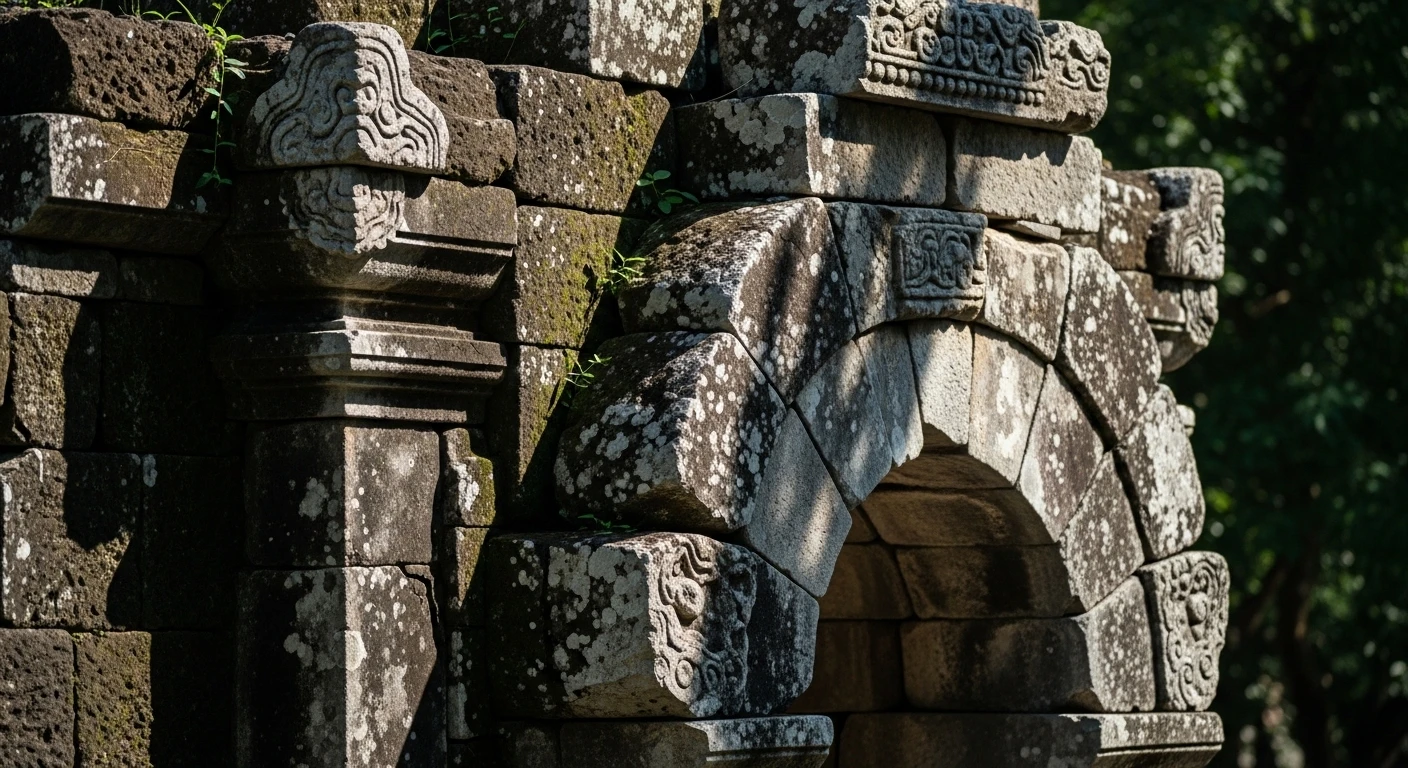
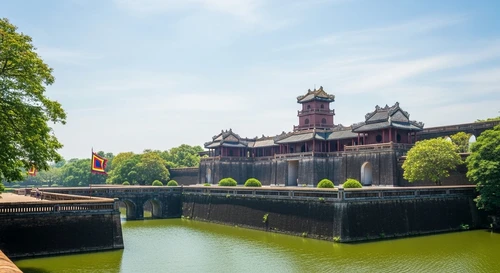
The texture and scale of the ancient stones speak of a powerful past.
The surrounding area also holds the tombs of Ho Quy Ly and his son, Ho Han Thuong, further cementing Lam Kinh as a site of deep historical reverence. It's a place that demands quiet contemplation, allowing visitors to connect with the ambitions and eventual fall of a dynasty that sought to fundamentally reshape Vietnam.
The Royal Temples of Lam Kinh
Adjacent to the citadel's ruins, the Lam Kinh historical site complex includes beautifully reconstructed royal temples. These are not merely academic reproductions but living spaces of memory and respect. The most significant is the temple dedicated to King Le Thai To (Le Loi), the founder of the Later Le Dynasty, who rose to prominence leading a rebellion against the Ming invaders after the Ho Dynasty's fall. His connection to Lam Kinh, where he was crowned, makes it a hallowed ground.
These temples are designed in traditional Vietnamese architectural style, with sweeping tiled roofs, intricate wood carvings, and serene courtyards. They serve as a place for locals and visitors alike to pay homage to these historical figures. The atmosphere is one of peace and quiet reverence, a stark contrast to the historical dramas that unfolded here centuries ago. The scent of incense often hangs in the air, a tangible link to ongoing traditions.
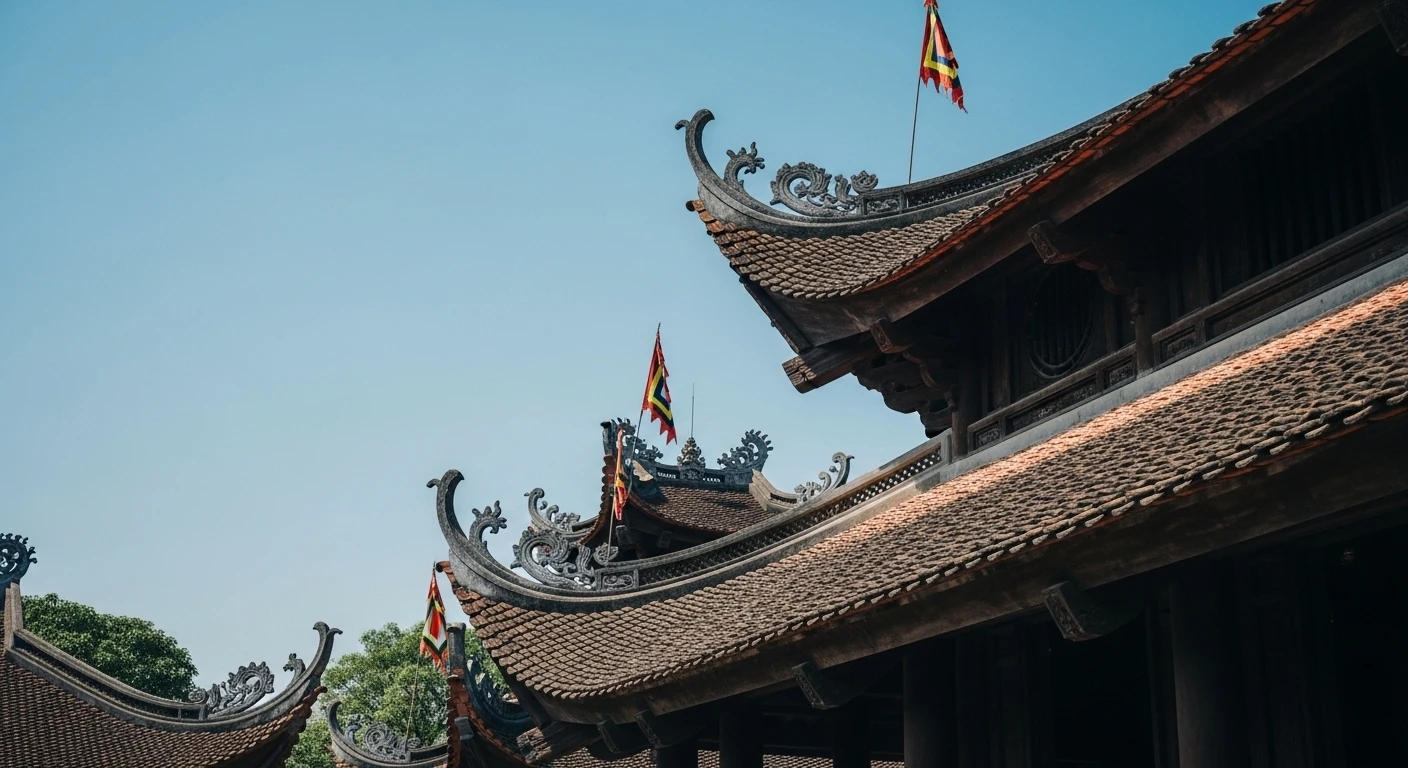
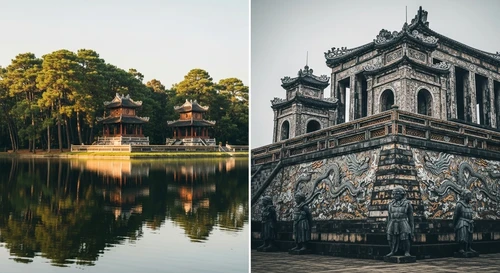
Serene beauty and historical significance converge at the Lam Kinh temples.
Echoes of Ancient Trade Routes
While Lam Kinh is geographically distant from the lush, watery expanse of the Mekong Delta, its history touches upon a broader Vietnamese narrative. The Ho Dynasty, though short-lived, was instrumental in various reforms, including measures that influenced trade and administration across the kingdom. The enduring spirit of resourcefulness and local pride embodied in Lam Kinh resonates with the same spirit found in the vibrant markets and resilient communities of the Mekong Delta.
Just as the Delta relies on its rivers and fertile land for its identity and sustenance, Thanh Hoa's history is tied to its strategic location and the resilience of its people. The ancient citadel, built with local materials, mirrors the way communities throughout Vietnam, from the far north to the southern deltas, have historically utilized and adapted their local resources. This interconnectedness of historical ambition and regional identity is a recurring theme in Vietnam's rich tapestry.
Nem Chua: The Culinary Jewel of Thanh Hoa
After a profound journey through history, it's time to delight the senses with something equally iconic, though far more ephemeral: Nem Chua. This is not just a snack; it's a cultural icon of Thanh Hoa, a fermented raw pork roll that embodies the province's culinary soul. Forget what you think you know about raw meat; Nem Chua is a masterclass in flavor and texture, achieved through a meticulous, traditional fermentation process.
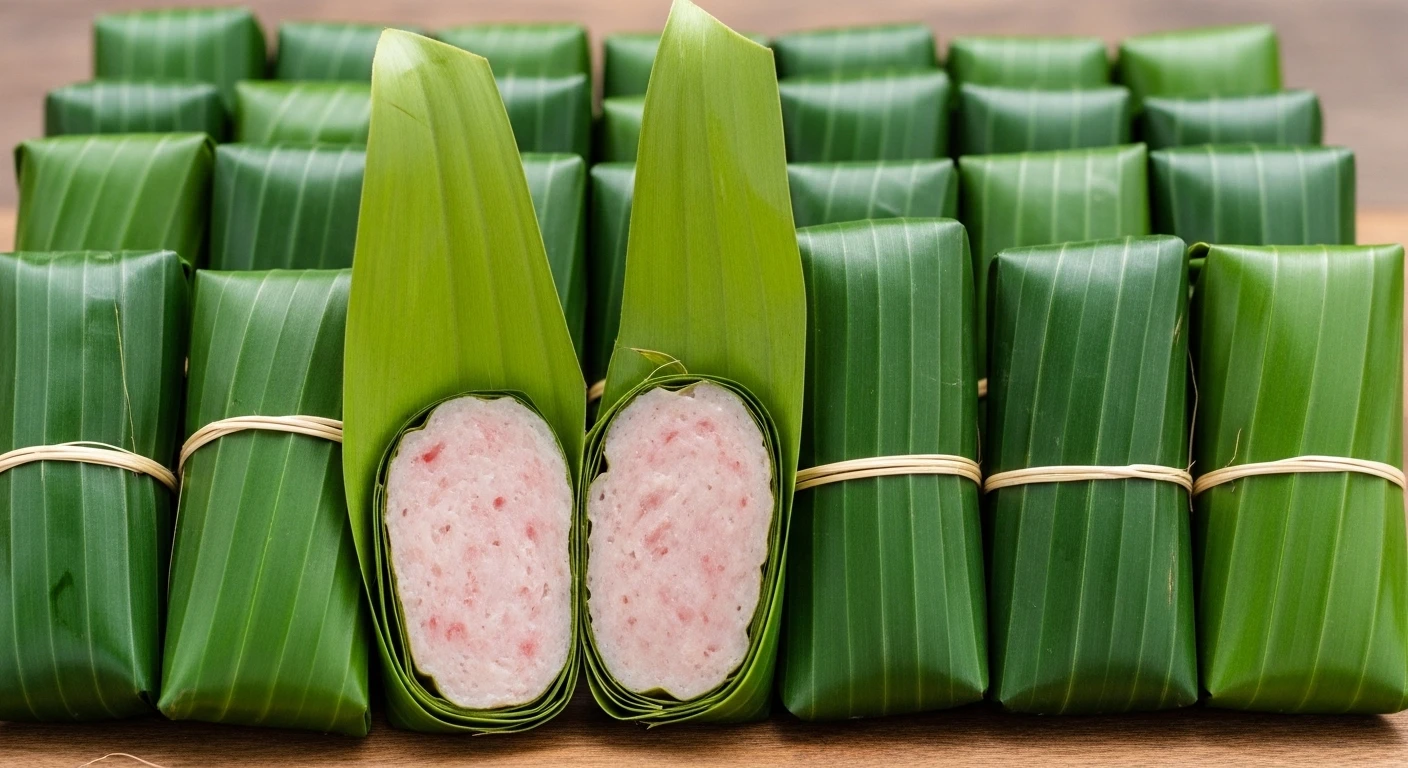
The signature bundles of Nem Chua, ready for enjoyment or gifting.
At its core, Nem Chua is made from finely ground raw pork, thinly sliced pork skin, garlic, chili, and the essential ingredient that kickstarts fermentation: a starter culture, often derived from rice. This mixture is carefully wrapped in banana leaves, traditionally in small, compact bundles. The magic happens over several days (typically 3-5), where the natural enzymes and bacteria work their wonder, transforming the raw ingredients into a firm, slightly chewy, and wonderfully tangy delicacy.
The Art of Fermentation: A Taste of Tradition
The process of making Nem Chua is deeply ingrained in Thanh Hoa's food culture. Generations of families have passed down the techniques, each with their own subtle variations. The quality of the pork, the freshness of the garlic and chili, the precise timing of the fermentation – all these factors contribute to the final taste.
When you unwrap a bundle, you're met with a vibrant pink hue and a distinctive aroma that’s both savory and slightly pungent. The texture is firm yet yielding, with a delightful chew from the pork skin. The flavor is a complex symphony: a sharp tanginess from the fermentation, a subtle sweetness from the pork, a kick of heat from the chili, and the aromatic punch of fresh garlic. It’s a flavor profile that is utterly addictive.
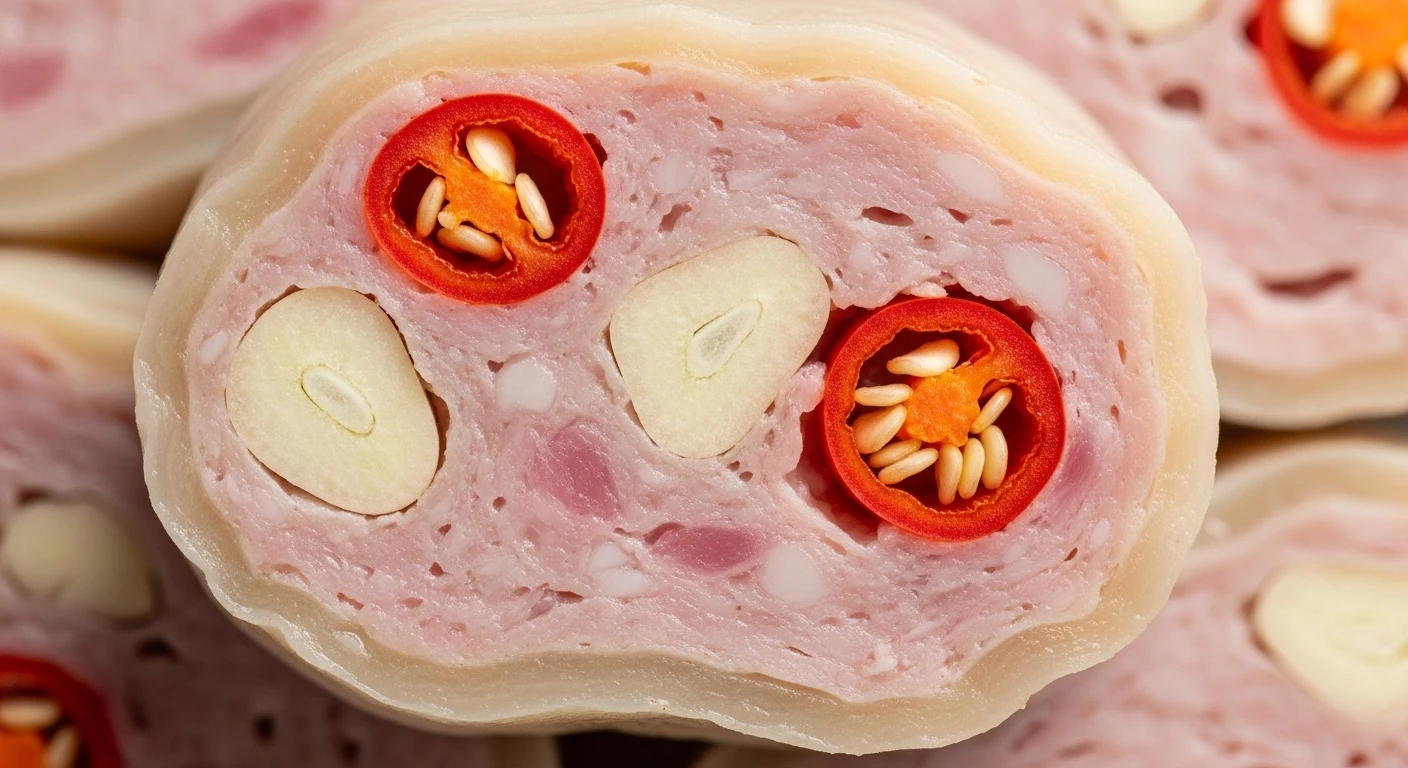
A close-up reveals the intricate composition and appetizing texture of Nem Chua.
Unlike many fermented foods, Nem Chua is often eaten uncooked, served as an appetizer or a popular snack. It's commonly enjoyed with a side of fresh herbs like mint or basil, sometimes a drizzle of sweet chili sauce, and often accompanied by a cold beer – the perfect pairing for its robust flavor.
Where to Find the Best Nem Chua
The beauty of Nem Chua is its accessibility. You'll find it everywhere in Thanh Hoa, from bustling local markets and street food stalls to dedicated specialty shops. Many families also make their own, a testament to its staple status. For visitors, seeking out vendors in places like the Cho Ga (Chicken Market) in Thanh Hoa city, or specialized Nem Chua shops, is a must.
Look for shops that clearly display their production dates, as freshness is key. Many vendors will offer samples, allowing you to taste the quality before you buy. It’s customary to buy Nem Chua in bundles, which make for excellent edible souvenirs. They travel surprisingly well, especially if kept cool.
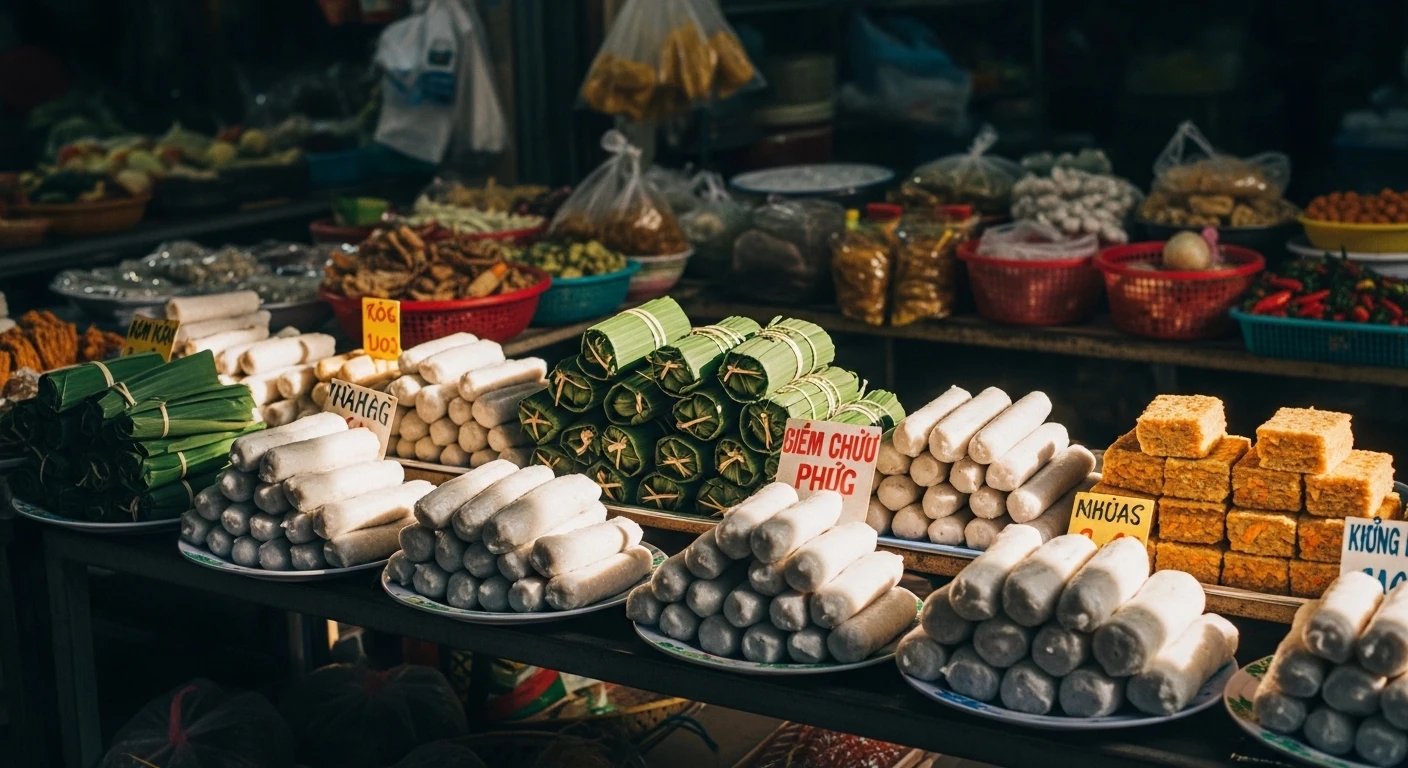
A typical market scene, showcasing the abundance of local delicacies.
How to Enjoy Nem Chua: A Culinary Guide
While the purest way to enjoy Nem Chua is simply unwrapped and savored on its own, its versatility extends beyond this. Here are a few ideas for experiencing this unique delicacy:
- As an Appetizer: Serve thinly sliced Nem Chua on a platter with fresh herbs (mint, basil, cilantro), cucumber slices, and perhaps some pickled carrots and daikon.
- With Fresh Greens: Wrap pieces of Nem Chua in large lettuce leaves along with vermicelli noodles and fresh herbs, similar to how you might enjoy fresh spring rolls.
- As a Flavor Enhancer: For the adventurous, small pieces of Nem Chua can add a unique tangy and savory dimension to stir-fries or noodle dishes.
- Gifting: Buy several bundles to share with friends and family back home. It's a taste of authentic Vietnam that few will have experienced before.
The key is to experiment and find your own favorite way to enjoy this culinary marvel. The vibrant combination of textures and flavors is always a winner.
Imperial Echoes and Culinary Legacies
The story of Thanh Hoa is one of resilience and enduring heritage. From the ancient stones of Lam Kinh Citadel that speak of a pivotal moment in Vietnamese royal history, to the humble, yet universally loved, Nem Chua that represents generations of culinary artistry, this province offers a profound glimpse into Vietnam's past and present.
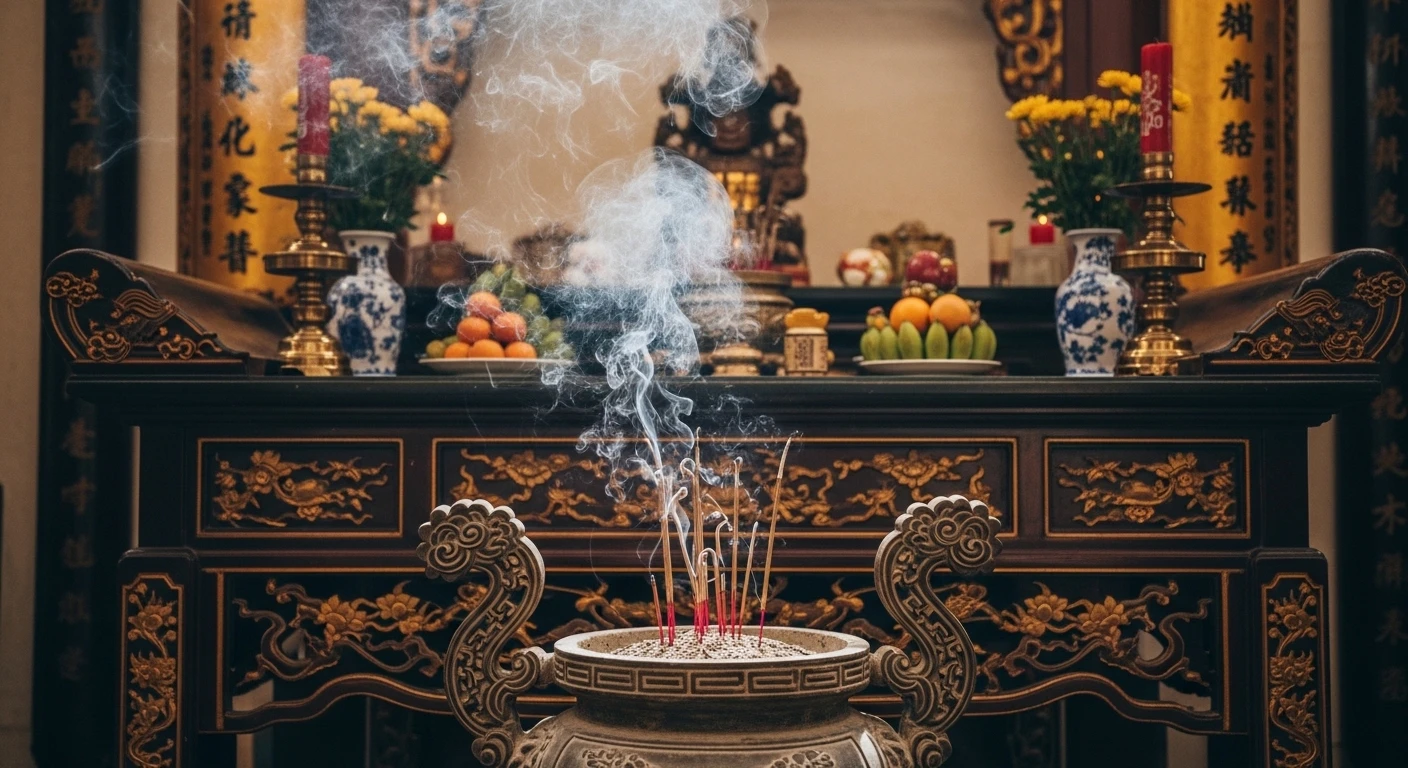
The spiritual heart of Lam Kinh, where history and tradition intertwine.
While the dynasties have long since passed, their influence, and the traditions they inspired, live on. Lam Kinh stands as a testament to the nation's historical foundations, a place for reflection and understanding. Meanwhile, Nem Chua is a vibrant, edible legacy, a taste that carries the essence of Thanh Hoa across time and distance. It's a reminder that the most profound travel experiences often lie in the harmonious blend of historical discovery and authentic culinary adventure.

Explore More Imperial History
Discover the secrets of Vietnam's last imperial capital.
Read about the Forbidden Purple CityPlanning Your Visit to Thanh Hoa
Thanh Hoa province is a rewarding destination for travelers seeking historical depth and authentic culinary experiences. Here's how to make the most of your visit:
Getting There:
Most international visitors will first fly into Noi Bai International Airport (HAN) in Hanoi. From Hanoi, Thanh Hoa is accessible by:
- Train: Regular train services run from Hanoi to Thanh Hoa station. The journey takes approximately 2.5 to 3 hours.
- Bus: Numerous inter-provincial buses depart from Hanoi's major bus terminals (e.g., Giap Bat) to Thanh Hoa city. This is often the most economical option, taking around 3-4 hours depending on traffic.
- Private Car/Taxi: For greater comfort and flexibility, hiring a private car is also an option, offering a direct route that can take about 2.5 hours.
Reaching Lam Kinh Citadel:
Lam Kinh Citadel is located in Tho Xuan district, about 50 kilometers west of Thanh Hoa city. From Thanh Hoa city, you can hire a taxi, a private car, or take a local bus to reach the site. It's advisable to arrange transport that can wait for you, as public transport options directly to the citadel can be infrequent.
Best Time to Visit:
The dry season, from November to April, offers pleasant weather for exploring historical sites. However, visiting during the shoulder seasons (late April to June, or September to October) can mean fewer crowds and still manageable temperatures.
Culinary Delights:
When in Thanh Hoa, prioritize trying authentic Nem Chua from reputable local vendors. Explore local markets for other regional specialties, and don't hesitate to ask locals for their recommendations.