The Call of Monkey Mountain: A Journey Upwards
There are places that whisper promises of adventure, and then there are those that roar them from the mountaintops. The Son Tra Peninsula, a verdant emerald jutting defiantly into the South China Sea just northeast of Da Nang, is one of the latter. Dubbed 'Monkey Mountain' by locals and travelers alike, this rugged, largely undeveloped promontory is a sanctuary, a viewpoint, and, for a lucky few, a place to witness one of Southeast Asia’s most spectacular wildlife encounters: the elusive Red-shanked Douc Langur.
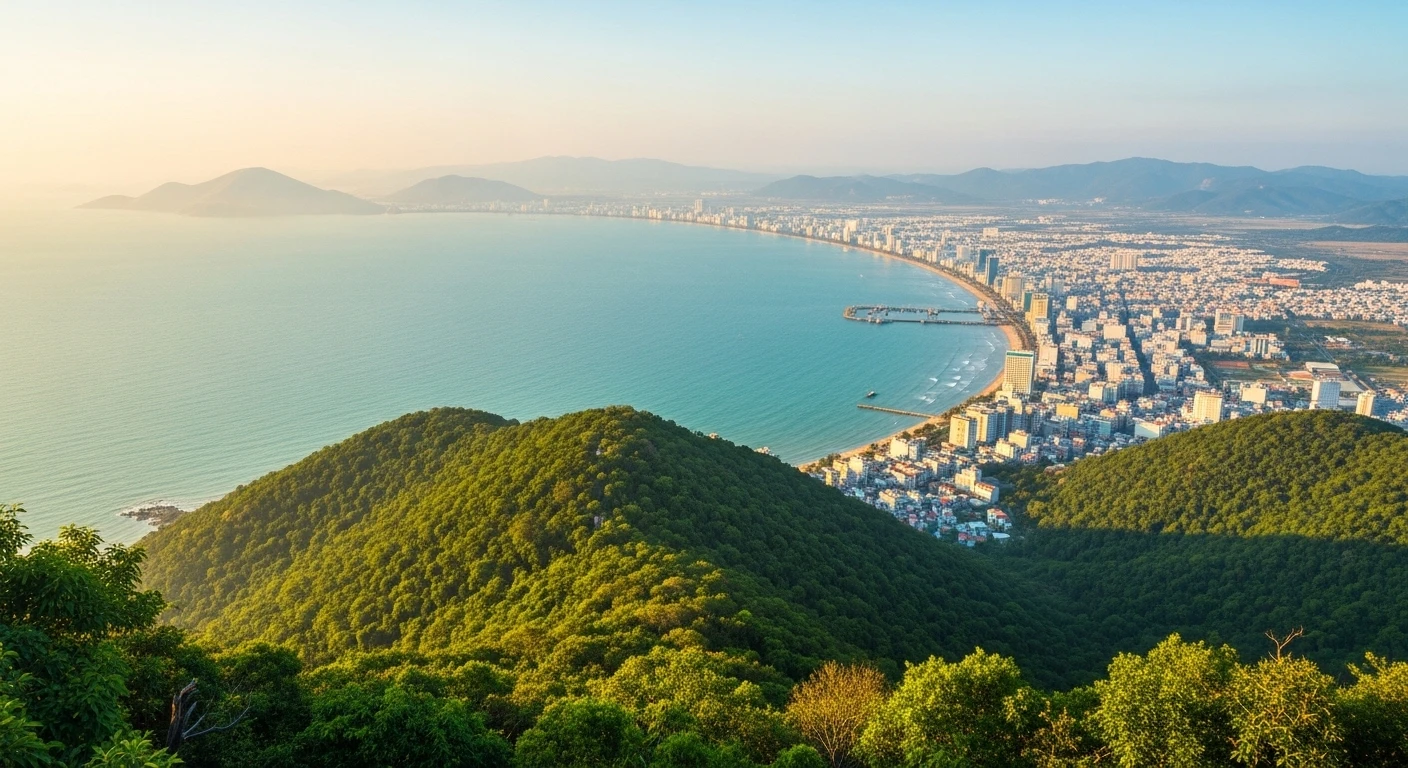
The breathtaking vista from Son Tra, a prelude to the wild wonders within.
Forget the crowded tourist trails for a moment. The true magic of Son Tra lies in its untamed spirit. Renting a scooter in Da Nang is your passport to this elevated world. The initial ride might feel like any other Vietnamese urban adventure, but as you leave the city’s sprawl behind, the air begins to change. It thins, cools, and carries the scent of salt and tropical foliage. The road starts to climb, a ribbon of tarmac winding upwards through dense jungle, revealing tantalizing glimpses of the turquoise sea far below. Each hairpin bend is an invitation to explore further, to leave the familiar behind.
The Ascent: Views and Vistas That Steal Your Breath
The journey up Monkey Mountain is as much about the destination as it is about the ascent. The winding roads, often steep and sometimes a little rough around the edges (a perfect test for your motorbike skills), are punctuated by viewpoints that demand you pull over. The panorama that unfolds is nothing short of spectacular: the shimmering coastline of Da Nang, the Cham Islands bobbing on the horizon, and the endless expanse of the East Sea. It’s a moment to pause, to breathe, and to appreciate the sheer grandeur of this coastal landscape.
As you gain altitude, the sounds of the city fade, replaced by the chirping of unseen insects, the rustle of leaves, and the distant cry of seabirds. The vegetation becomes lusher, the trees taller, creating a canopy that hints at the hidden life teeming within. This is not just a scenic drive; it's an immersion into a fragile ecosystem that requires respect and mindful exploration.
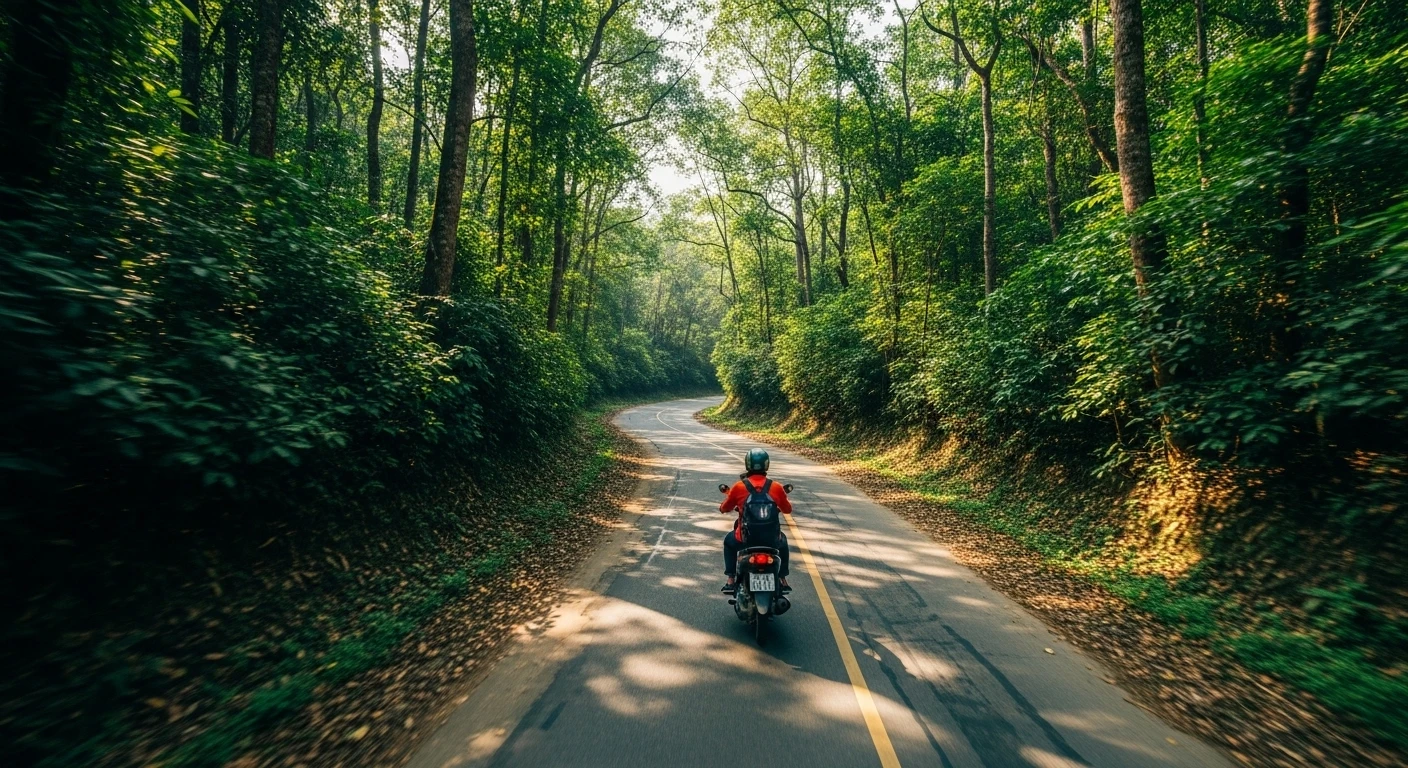
The winding path beckons, promising discoveries off the beaten track.
Giants of Son Tra: Lady Buddha and the Ancient Banyan
Dominating the skyline is the majestic Linh Ung Pagoda, home to Vietnam's largest Goddess of Mercy statue. The sheer scale of the Lady Buddha is awe-inspiring, her serene gaze overlooking the land and sea. It's a significant spiritual site, and the pagodas and temples scattered across the peninsula add a layer of cultural depth to the natural beauty.
Further into the peninsula's interior, a different kind of giant awaits: the 1,000-year-old Son Tra Banyan Tree. This ancient behemoth, with its gnarled branches and a complex network of aerial roots that spread out like a natural pavilion, feels like something from a fantasy novel. Standing beneath its vast canopy is a humbling experience, a connection to centuries of natural history. It’s a testament to the enduring power of nature that thrives in this protected corner of Vietnam.

Son Tra Banyan Tree: The 1,000-Year-Old Giant of Da Nang
Rent a scooter and brave the steep, winding roads of the peninsula to find a massive, 800-year-old Banyan tree with dozens of complex aerial roots creating a natural, mystical pavilion.
Read MoreThe Quest for the Douc Langur: Nature's Living Jewel
But the true prize, the reason many make the pilgrimage up Monkey Mountain, is the chance to glimpse the Red-shanked Douc Langur. These primates are not just monkeys; they are living jewels, among the most colorful and critically endangered primates on Earth. Their coats are a vibrant tapestry of red, black, white, and grey, making them truly spectacular when seen against the lush green of the jungle.
Spotting them requires patience, keen eyes, and a bit of luck. They are shy creatures, masters of camouflage, and their preferred habitat is high in the canopy, feeding on leaves and fruits. The best time for sightings is often early morning or late afternoon, when they are most active. Bring a good pair of binoculars; they are essential for observing these arboreal acrobats without disturbing them.
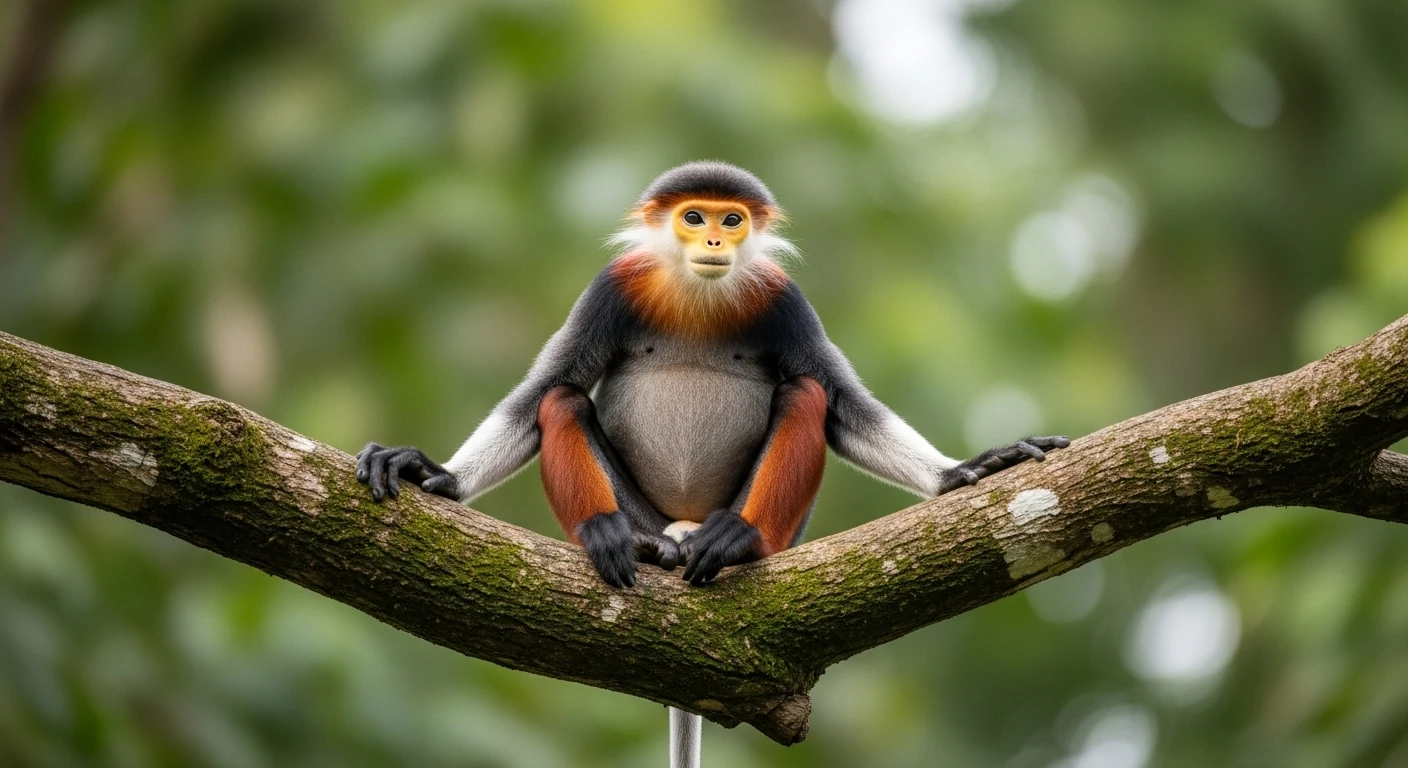
A rare and precious sighting: the vibrant Red-shanked Douc Langur in its natural habitat.
Tips for a Successful Wildlife Encounter
Embarking on a quest for the Douc Langur is an exercise in respectful wildlife observation. Here’s how to maximize your chances and minimize your impact:
- Go Early or Late: The dawn and dusk hours are prime time for Douc Langur activity. The cooler temperatures encourage them to move and forage.
- Hire a Local Guide: While independent exploration is rewarding, a local guide who knows the terrain and the langurs’ habits can exponentially increase your chances of a sighting. They also provide invaluable insights into the peninsula's ecology.
- Bring Binoculars: As mentioned, these are crucial. The langurs are arboreal and often high up. A good pair allows for detailed observation without getting too close and disturbing them.
- Be Quiet and Patient: Speak in hushed tones and move slowly. Avoid loud noises or sudden movements, which can scare the animals away. Patience is key; you might need to wait a while.
- Stay on Designated Paths: Protect the fragile ecosystem by sticking to marked trails. Do not wander off-road, as this can damage vegetation and disturb wildlife habitats.
- Do Not Feed the Animals: Feeding wildlife is harmful. It disrupts their natural diet, can make them aggressive, and habituates them to human presence, making them more vulnerable.
- Pack Essentials: Bring plenty of water, sunscreen, insect repellent, and wear comfortable clothing and sturdy shoes. The tropical climate can be demanding.
Conservation Status: A Precious Legacy to Protect
The Red-shanked Douc Langur is classified as Endangered by the IUCN. Their populations are declining due to habitat loss from deforestation, illegal hunting for traditional medicine and bushmeat, and human encroachment. Son Tra Peninsula represents one of their last strongholds, making it an incredibly important site for their survival.
Your visit, conducted respectfully and ethically, contributes to the local economy that supports conservation efforts. By choosing to observe from a distance and adhering to park regulations, you become a part of the solution, helping to ensure these magnificent creatures continue to grace the Vietnamese forests for generations to come.
Can Gio Mangroves: Monkey Island and Mudskippers
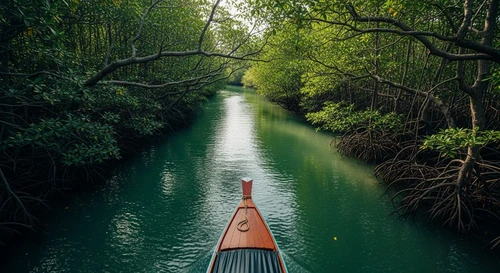
Saigon's green lung. Take a speedboat through the dense mangrove biosphere, guard your belongings from aggressive macaques, and eat grilled mudskipper fish.
Read MoreBeyond the Langurs: More to Discover on Son Tra
While the Douc Langur is the star attraction, Son Tra Peninsula offers more for the intrepid traveler. Birdwatchers will find a rich avian population, and the diverse plant life is a botanist’s dream. Keep an eye out for other inhabitants of the jungle, such as deer and various reptile species. The beaches at the base of the peninsula, like Bai Nam and Bai But, offer tranquil escapes, a perfect contrast to the rugged mountain terrain.
For those who love to explore, the less-traveled paths can lead to hidden waterfalls or secluded coves. Remember to always travel with awareness and respect for the environment. This is a place where nature still reigns supreme, and its preservation is paramount.
Getting There and Getting Around
Getting to Da Nang: Da Nang International Airport (DAD) is a major gateway to Central Vietnam, with direct flights from many Asian cities and connections from international hubs. You can also reach Da Nang by train or bus from other Vietnamese cities.
Accessing Son Tra Peninsula:
- Scooter Rental: This is the most popular and recommended method for exploring Son Tra. Rent a scooter in Da Nang. Ensure you have an International Driving Permit (IDP) if required by local laws and your rental agency. The roads are steep and winding; ride cautiously.
- Private Car/Taxi: You can hire a private car with a driver for a half-day or full-day tour. This is a more comfortable option, especially if you’re not an experienced motorbike rider or if you prefer to focus on the scenery and your camera.
- Guided Tours: Many local tour operators in Da Nang offer guided tours to Son Tra, often including the Lady Buddha, Banyan Tree, and a dedicated effort to spot the Douc Langurs, usually with experienced guides.
The main road network on the peninsula is reasonably well-maintained, but side tracks can be rough. Always prioritize safety and respect the environment.
Son Tra: Da Nang's Wild Heart
Son Tra Peninsula is more than just a tourist destination; it’s a vital lung for Da Nang and a sanctuary for endangered wildlife. It’s a place where the urban buzz of a modern city meets the raw, untamed beauty of nature. The thrill of spotting a Red-shanked Douc Langur is an unforgettable experience, a powerful reminder of the precious biodiversity that Vietnam holds.
A motorbike trip up Monkey Mountain is a rite of passage for many visitors to Da Nang, offering not just stunning views but a genuine connection with Vietnam’s natural heritage. It’s a journey that begins with a simple rented scooter and ends with a profound appreciation for the wild heart beating just beyond the city limits.

Da Nang Weekend: Son Tra Monkeys, Dragon Bridge, and Mi Quang
The ultimate modern coastal city guide. Spot the rare Red-shanked douc langur on Monkey Mountain, watch the bridge spit fire, and eat authentic turmeric noodles.
Read MoreA Call for Responsible Exploration
The magic of Son Tra lies in its delicate balance. As visitors, we have a responsibility to ensure our presence does not harm this precious environment or its inhabitants. By traveling thoughtfully, supporting local conservation, and respecting the wildlife, we can help preserve Monkey Mountain for future generations. Let the vibrant Douc Langur continue to be a symbol of Vietnam's incredible natural heritage, a treasure to be admired from a respectful distance.