The Lure of the Dragon's Descendants
Vietnam. The name itself conjures images of emerald waters, emerald rice paddies, and emerald futures. And no image is more iconic than the breathtaking limestone karsts of Halong Bay, a UNESCO World Heritage site that draws millions. But what if you crave that same otherworldly beauty, that same sense of ancient geological drama, without the constant hum of a thousand other engines, the jostle for the perfect photo, the feeling of being on a floating highway?
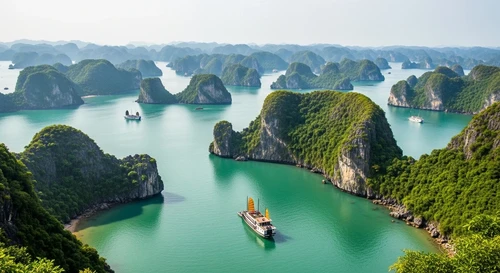
Enter Bai Tu Long Bay. A name that whispers of the Dragon's descendants, this bay shares the same geological lineage as its famous sibling. It's a vast expanse of the Gulf of Tonkin, characterized by its dramatic, monolithic limestone pillars that jut out of the impossibly calm, jade-green waters. Yet, Bai Tu Long remains remarkably untouched, a sanctuary of natural splendor offering an experience that feels a world away from the well-trodden path. This isn't just a quieter Halong; it's an immersion into a more pristine, more authentic seascape.
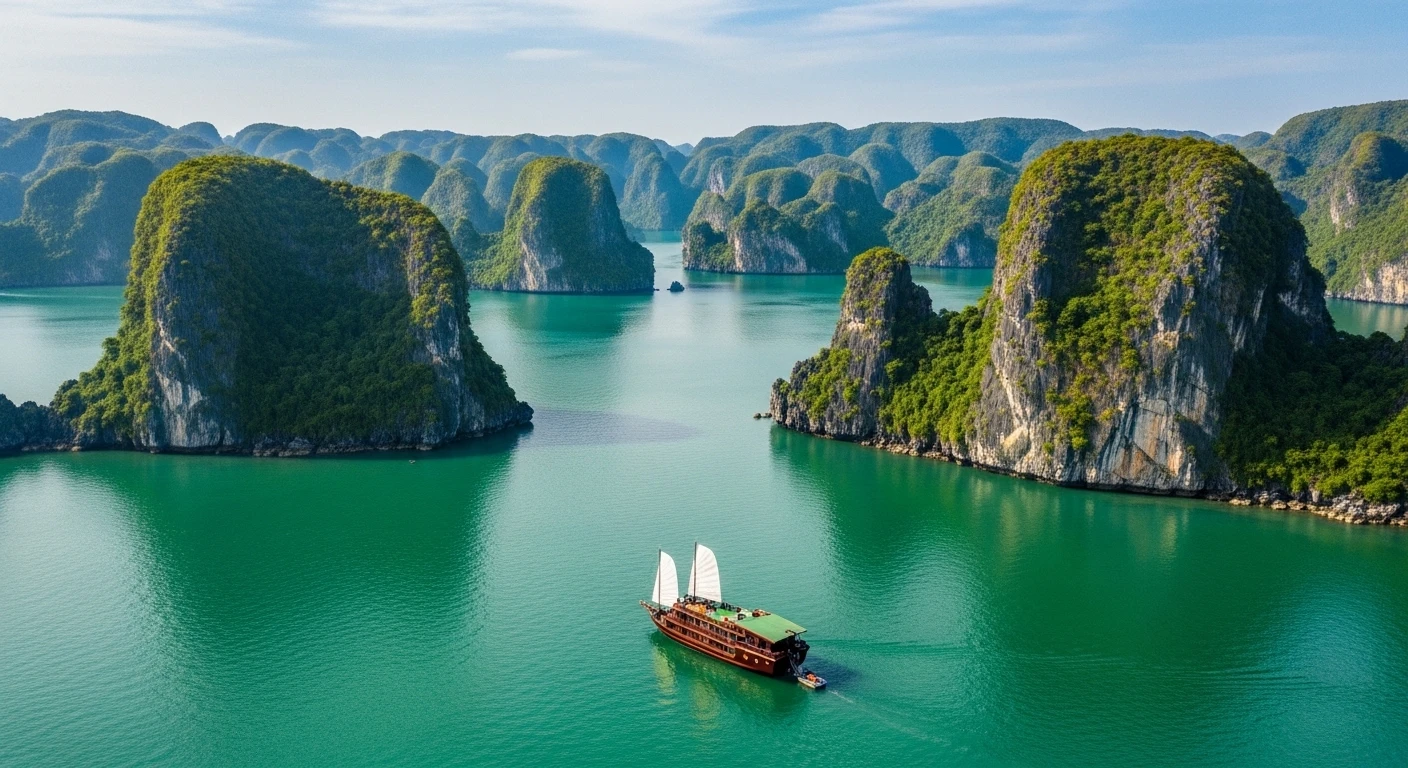
The majestic limestone karsts of Bai Tu Long Bay, a scene of serene grandeur.
Where the Dragon's Tale Truly Unfolds
Bai Tu Long Bay is situated in the northeast of Vietnam, sharing the same geological basin as Halong Bay but extending further east, into the waters of Quang Ninh province. It's part of the larger Bac Bo Gulf region, a marine area renowned for its unique karst topography. While Halong Bay is the central, most accessible part of this geological marvel, Bai Tu Long Bay lies beyond it, generally accessed via the port of Hon Gai (now part of the larger Ha Long City) or sometimes from Cam Pha.
Unlike Halong Bay, which is densely populated with islands and dotted with settlements, Bai Tu Long Bay is characterized by its sheer scale and the relative emptiness of its waters. The journey here is part of the allure; it requires a bit more effort, a commitment to venturing off the beaten track. This deliberate distance inherently filters out much of the casual, day-trip tourism that inundates its more famous neighbor. The result is a vast, open canvas of natural beauty, where the sounds of nature—the lapping of waves, the call of seabirds—reign supreme.
The bay is home to numerous islands, many uninhabited and pristine, providing crucial habitats for local wildlife. The sheer number of islets and the intricate network of channels create a maze of discovery, each turn revealing a new vista more stunning than the last.
A Symphony of Serenity: Cruising Bai Tu Long
The most profound way to experience Bai Tu Long Bay is by sea, aboard a traditional-style junk boat, many of which now offer luxurious overnight stays. These aren't the bustling ferries of Halong; they are vessels designed for comfort and intimate exploration. Imagine waking up to the soft glow of dawn painting the karsts in hues of gold and rose, with only the gentle murmur of the sea for company.
Modern luxury cruises here prioritize smaller group sizes, ensuring a more personalized and tranquil experience. Cabins are often elegantly appointed, with private balconies offering uninterrupted views of the bay. Meals are typically a highlight, showcasing fresh seafood caught daily and prepared with Vietnamese culinary flair—think delicate spring rolls, succulent grilled fish, and vibrant stir-fried vegetables. The slow pace of the cruise allows for deep relaxation, a chance to truly disconnect and absorb the majesty of your surroundings.
The journey typically includes stops at secluded beaches for swimming or kayaking, explorations of fascinating caves, and opportunities to visit local floating fishing villages. These villages, a testament to a resilient maritime culture, offer a glimpse into a life lived in harmony with the sea, a stark contrast to the bustling cities many of us call home.
While Bai Tu Long offers unparalleled tranquility, understanding the nuances between the bays can help you choose your perfect seascape. Curious about the differences and similarities between Halong and its neighbors? Read our guide on Ha Long Bay vs. Lan Ha Bay to get a clearer picture.
Beyond the Deck: Engaging with the Bay
The serenity of Bai Tu Long Bay is best experienced through active, yet unhurried, engagement. Kayaking is arguably the quintessential activity. Paddling through narrow channels, you can glide beneath towering karsts, explore hidden lagoons, and discover secluded coves accessible only by a small craft. The silence, broken only by the dip of your paddle and the cries of unseen birds, is profound.
Many cruises also include visits to remarkable caves, such as Thien Cung Cave or Dau Go Cave (though these are more famously associated with Halong, similar geological wonders exist within Bai Tu Long). These subterranean marvels, adorned with stalactites and stalagmites illuminated in dramatic fashion, offer a glimpse into the earth's hidden artistry.
Don't miss the chance to visit a floating village. These communities, with their homes, schools, and markets all built on rafts and boats, offer a poignant insight into a unique way of life. Interacting with the locals, perhaps learning about their fishing techniques or simply observing the daily rhythm, provides a deeper cultural connection to the bay. Many tours also offer squid fishing excursions in the evening, a chance to try your hand at catching your own dinner under a canopy of stars.
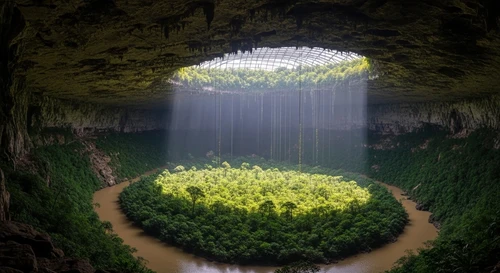
While Bai Tu Long offers its own unique charm, Vietnam is brimming with natural wonders. For those fascinated by subterranean landscapes, don't miss the spectacular formations found within caves like Nguom Ngao. Explore the subterranean beauty of Nguom Ngao Cave.
Savoring the Bounty: A Culinary Voyage
The culinary experience on a Bai Tu Long cruise is intrinsically tied to the sea. Expect an abundance of incredibly fresh seafood, prepared with a delicate touch that allows the natural flavors to shine. This isn't haute cuisine in the Western sense; it's honest, flavorful food that celebrates the day's catch.
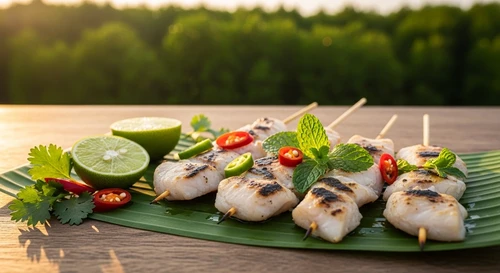
Shrimp, squid, various types of fish, and clams are staples. Dishes might include succulent grilled prawns seasoned with chili and lemongrass, steamed white fish with ginger and scallions, or stir-fried squid with colorful vegetables. Vietnamese spring rolls (nem ran) and fresh spring rolls (goi cuon) are often featured, offering a delightful contrast of textures and flavors.
Meals are communal affairs, served family-style, encouraging a convivial atmosphere. It’s a chance to linger over delicious food, share stories with fellow travelers, and reflect on the day’s adventures, all against the backdrop of the illuminated karsts at night or the morning mist over the water.
Choosing Your Karst Paradise: A Subtle Distinction
The question inevitably arises: how does Bai Tu Long compare to its more famous neighbors, Halong and Lan Ha? While all three bays share the same stunning geological formations, the experience differs significantly.
Halong Bay is the icon, the most accessible, and consequently, the most visited. It offers a vast array of cruise options, from budget to ultra-luxury, and a multitude of attractions, including large caves and floating villages. However, it can feel crowded, especially during peak season.
Lan Ha Bay, located south of Halong and west of Bai Tu Long, is often considered a perfect middle ground. It boasts similar karsts and a vibrant marine ecosystem, with fewer boats than Halong but more activity than Bai Tu Long. It's particularly known for its pristine beaches and excellent kayaking opportunities.
Bai Tu Long Bay distinguishes itself by its sheer tranquility and relative lack of commercialization. It’s the choice for those who prioritize peace, natural immersion, and a sense of unspoiled wilderness. The landscape is equally dramatic, but the experience is fundamentally more serene and exclusive.
Deciding between these bays can be tough! Our comprehensive guide breaks down the pros and cons of each, helping you find the cruise that's perfect for you. Compare Halong, Lan Ha, and Bai Tu Long Bays.
Navigating to Nirvana: Access and Logistics
Getting to Bai Tu Long Bay requires a bit more planning than a typical Halong Bay day trip, but the rewards are immense. Most travelers arrive in Vietnam through Noi Bai International Airport (HAN) in Hanoi. From Hanoi, the journey to the port of departure for Bai Tu Long Bay cruises typically involves a scenic drive of about 3 to 4 hours.
Cruises usually depart from ports near Ha Long City, such as the Hon Gai International Passenger Terminal or the Tuan Chau Marina (though Bai Tu Long departures are more commonly from Hon Gai or Cam Pha to emphasize the eastern reach). It's crucial to book your cruise in advance, as this dictates your transfer arrangements. Reputable cruise operators will arrange transport from your Hanoi hotel directly to the port.
Most Bai Tu Long Bay experiences are overnight cruises, typically lasting 2 days/1 night or 3 days/2 nights. This allows ample time to truly soak in the atmosphere and explore the bay without feeling rushed. While direct access to Bai Tu Long is limited due to its protected status, your cruise operator will handle all necessary permits and navigation through the designated cruising zones.
Guardians of the Bay: A Commitment to Preservation
The relative preservation of Bai Tu Long Bay is not accidental. It's a result of careful management and a growing awareness of the need to protect this extraordinary natural wonder. Unlike the more heavily developed areas of Halong, Bai Tu Long has fewer ports, less boat traffic, and stricter regulations regarding waste disposal and anchoring.
Responsible tourism operators play a vital role in this conservation effort. They implement eco-friendly practices, educate guests about the importance of preserving the bay's delicate ecosystem, and often engage in community initiatives to support local fishing villages and protect marine life. Choosing a cruise operator that demonstrates a clear commitment to sustainability is paramount for travelers who wish to contribute positively to the preservation of this pristine landscape.
Visitors are encouraged to be mindful of their impact: avoid single-use plastics, dispose of waste responsibly, and respect the natural environment. By traveling consciously, we can all help ensure that Bai Tu Long Bay remains a tranquil haven for generations to come.
Frames of Serenity: Photographing Bai Tu Long
For photographers, Bai Tu Long Bay is a dreamscape. The lack of crowds means you can compose your shots without obstruction, capturing the majestic karsts in their full glory. The best light is often during the golden hours – sunrise and sunset – when the limestone formations are bathed in warm, dramatic hues, and the water reflects the sky like a mirror.
Wide-angle lenses are essential for capturing the grand scale of the bay and the towering karsts. However, don't overlook the details: the textures of the rock faces, the vibrant green of the sparse vegetation clinging to the cliffs, the subtle colors of the water, and the quiet life of the fishing villages offer compelling close-up opportunities. Kayaking excursions provide unique perspectives, allowing you to get low to the water and capture the dramatic scale of the karsts from below.
The mist that often cloaks the bay in the early morning or after a brief rain shower can add an ethereal, moody quality to your photographs, enhancing the sense of mystery and ancient beauty. Remember to pack extra battery packs and memory cards; you'll want to capture every breathtaking moment.
Whispers from the Villages: A Glimpse of Local Life
Beyond the natural spectacle, Bai Tu Long Bay is home to a resilient and vibrant local population, primarily living in floating fishing villages. These communities, such as Vung Vieng or Cong Dam, are an integral part of the bay's identity. Life here unfolds at a different pace, dictated by the tides and the seasons.
Visiting these villages offers a rare opportunity to connect with the human element of this extraordinary landscape. You'll see homes, schools, and shops all bobbing on the water, connected by a network of wooden planks and ropes. The warmth and hospitality of the villagers, despite the challenges of their environment, are truly humbling. Many offer small handicrafts for sale, providing a direct economic benefit to these communities and a unique souvenir for visitors.
Witnessing their traditional fishing methods, the daily routines of tending to nets and boats, and the simple joys of life on the water provides a profound contrast to the modern world. It's a powerful reminder of human adaptability and the enduring connection between people and their environment.
The Enduring Allure of Tranquility
Bai Tu Long Bay isn't just a quieter alternative to Halong; it’s a destination in its own right. It offers a chance to experience the iconic beauty of Vietnam's karst landscapes with an unparalleled sense of peace and authenticity. Here, the emerald waters meet towering limestone sentinels in a drama that unfolds without fanfare, without crowds, and without compromise.
Whether you're kayaking through hidden lagoons, exploring ancient caves, or simply gazing at the star-filled sky from the deck of a luxury junk, Bai Tu Long promises an unforgettable encounter with nature at its most sublime. It's a place to disconnect from the noise of the world and reconnect with the profound silence and breathtaking beauty of a landscape sculpted by time and tide. For the traveler seeking genuine serenity and unspoiled natural wonder, Bai Tu Long Bay is not just a destination; it's a revelation.
Ready to Explore More?
Venture beyond the iconic bays and discover other hidden gems across Vietnam.
✨ Discover Vietnam's Hidden Gems