The Smoke Rising from the Sidewalk
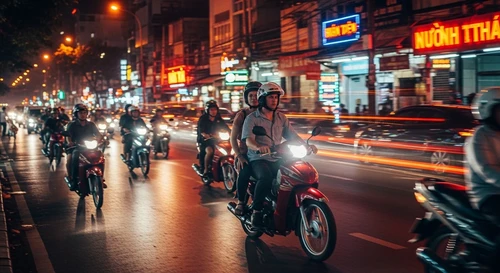
In the vibrant, often chaotic tapestry of Vietnamese street life, a peculiar ritual unfolds daily, particularly in the lead-up to important festivals. Amidst the honking scooters, the aromatic steam from noodle stalls, and the chatter of vendors, you'll often see small, controlled fires burning on sidewalks, in front of homes, and at the entrances of shops. It’s not discarded trash, nor is it an impromptu barbecue. It’s the burning of ‘ghost money’ – a practice that might appear bewildering, even shocking, to an outsider.
Witnessing stacks of what looks uncannily like real currency, sometimes featuring familiar denominations, go up in flames, or seeing paper replicas of modern gadgets like smartphones and luxury cars turn to ash, can be quite a spectacle. This isn't just a symbolic act; it's a deeply ingrained tradition rooted in centuries of belief, offering a tangible connection between the living and the deceased.
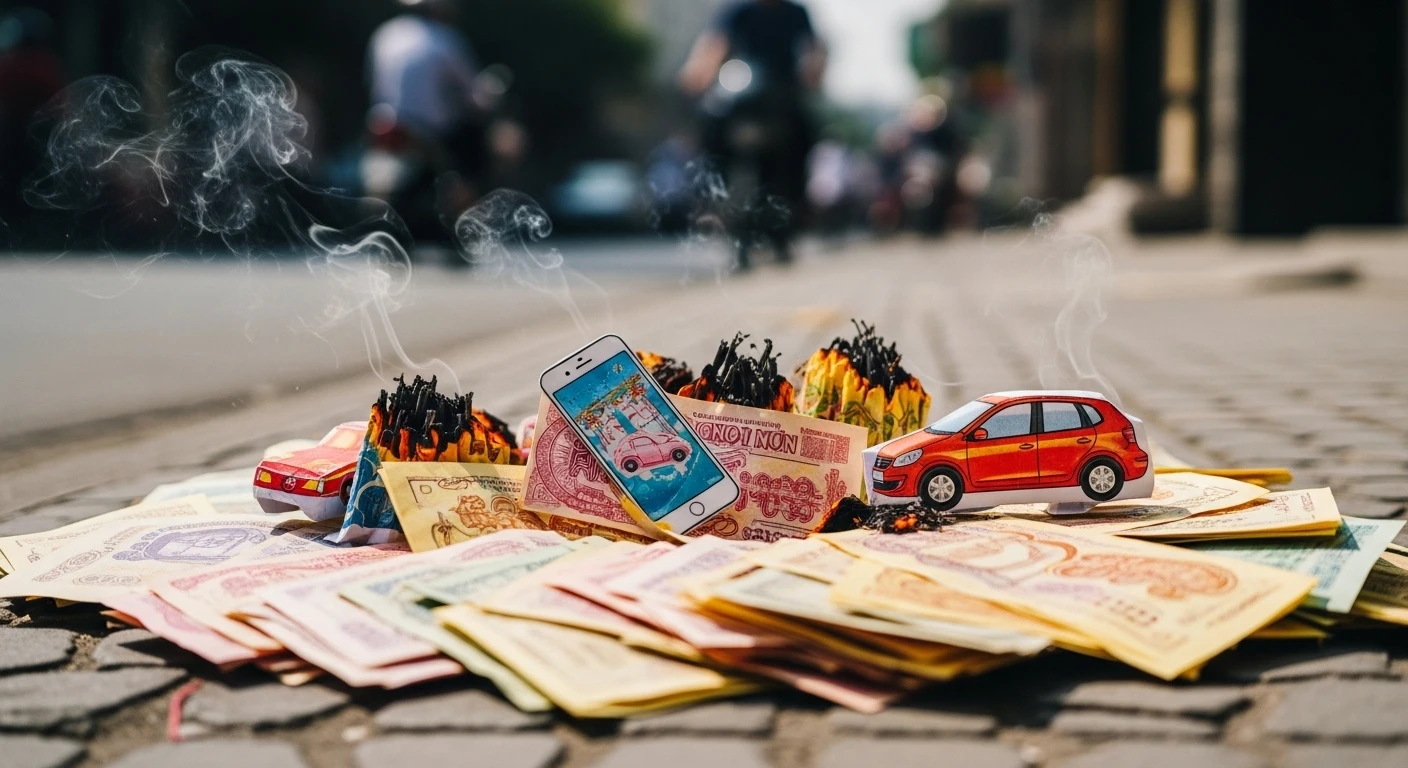
The ancestral transaction: paper currency and effigies consumed by flame, intended for the spirit realm.
A Parallel Universe: The Vietnamese Conception of the Afterlife
To understand the burning of ghost money, one must first grasp the Vietnamese worldview regarding life, death, and the spiritual realm. Unlike some Western traditions that see death as a final cessation, Vietnamese belief often envisions an afterlife that mirrors earthly existence. Deceased loved ones, ancestors, and even spirits believed to wander the earth require sustenance, comfort, and earthly goods.
The spirit world is not a distant, ethereal plane but a parallel reality. Just as the living need food, clothing, shelter, and money to navigate their world, so too do the spirits. This belief underpins the practice of ancestor worship, a cornerstone of Vietnamese culture, where the living are responsible for the well-being of their departed kin. The burning of ghost money is a direct financial transaction between these two realms.
The Offerings: From Basic Necessities to Modern Luxuries
The "money" burned isn't just plain paper bills. The offerings have evolved dramatically, reflecting societal changes. Traditionally, people burned 'joss paper' (also known as spirit paper or ancestor paper), which resembles ancient Chinese currency. This basic form of spiritual remittance has been around for centuries.
However, in contemporary Vietnam, especially in urban centers and among younger generations, the offerings have become remarkably sophisticated. You'll find paper replicas of modern consumer goods: smartphones, laptops, flat-screen TVs, designer handbags, cars (ranging from sedans to luxury SUVs), and even houses, complete with furniture. The denominations of the paper money have also inflated, with notes bearing figures like 100,000,000 (100 million) or even 1,000,000,000 (1 billion) dong, signifying vast spiritual wealth.
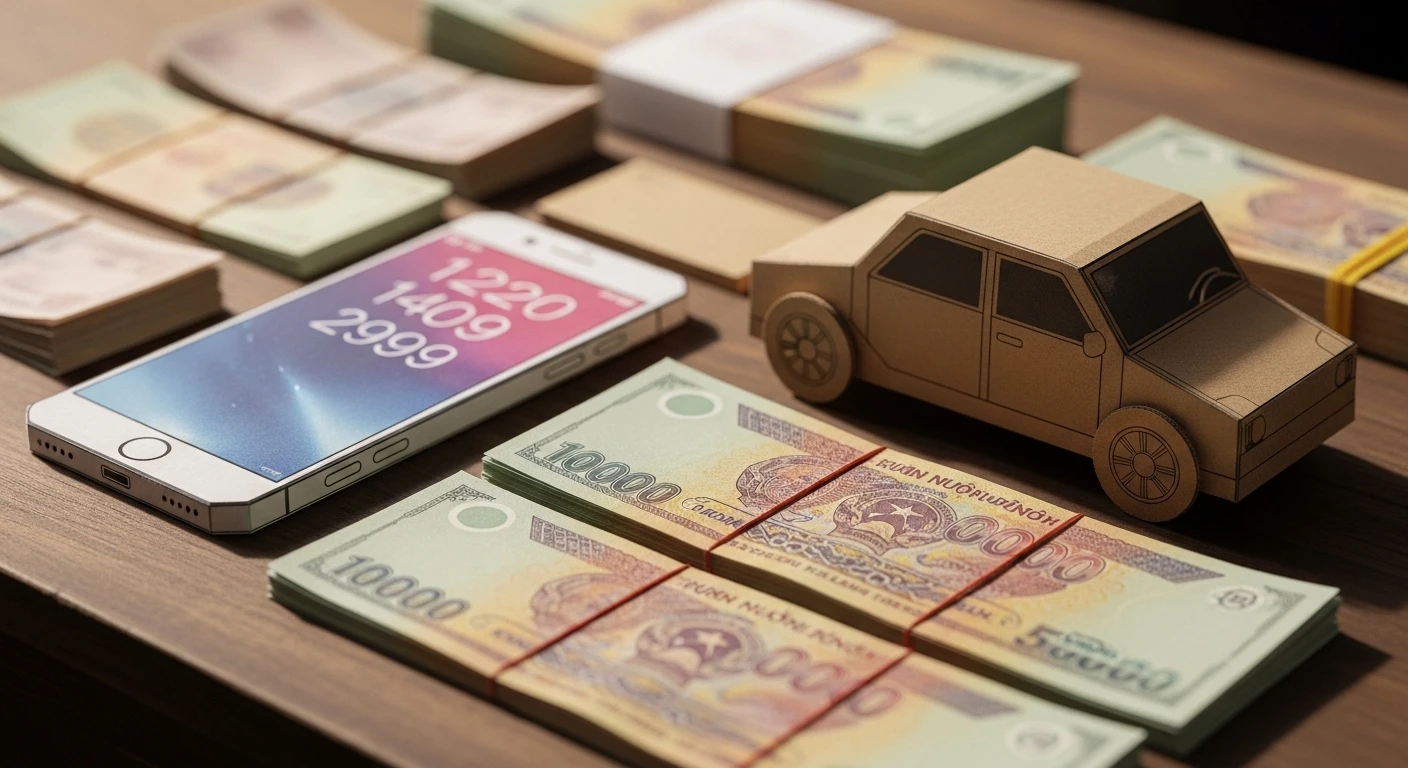
This evolution is fascinating. It suggests that the intent is to provide ancestors with the same comforts and status symbols they might have enjoyed, or aspired to, in life, or to ensure they are well-equipped for the afterlife's economy. It’s a blend of tradition and adaptation, showing how deeply held beliefs can integrate with the changing material world.
The Rhythms of the Ritual: Ancestor Worship and Ghost Month
The burning of ghost money is not a daily occurrence for most, but rather tied to specific times and occasions:
- Ancestor's Death Anniversaries: This is a primary occasion. Families will offer food, incense, and ghost money to honor their departed loved ones on the exact day of their passing each year.
- Tết (Lunar New Year): A major festival where families welcome ancestors back to visit the living realm, offering them abundance and blessings for the coming year.
- The Seventh Lunar Month: The Hungry Ghost Festival. This period, particularly the 15th day, is considered a time when the gates of the underworld are opened, and spirits wander the earth. It’s a critical time for appeasing these wandering souls, who may be hungry, lonely, or in need of spiritual provisions. Many Vietnamese, especially in more traditional areas, will make offerings during this month to avoid misfortune and ensure peace.
The specific practices can vary regionally, but the core intention remains: to show respect, ensure the well-being of ancestors, and maintain harmony between the living and spirit worlds.
Mekong Delta Roots: Where Tradition Runs Deep
While this practice is observed across Vietnam, its roots are particularly strong in the more rural and traditional areas, like the vast Mekong Delta. Here, life often moves at a slower pace, and the connection to ancestral land and customs is palpable. In provinces like Ca Mau or Ben Tre, where communities are tightly knit and the cycles of nature dictate much of daily life, these rituals are often performed with greater devotion.
You might see larger, more elaborate offerings during the Hungry Ghost Festival, especially in towns bordering the intricate network of rivers and canals. The local markets, vibrant hubs of commerce and community, will be brimming with specialized stalls selling every imaginable type of joss paper, incense, and paper effigies in the weeks leading up to the festival. The air itself seems to thicken with a sense of reverence and anticipation.
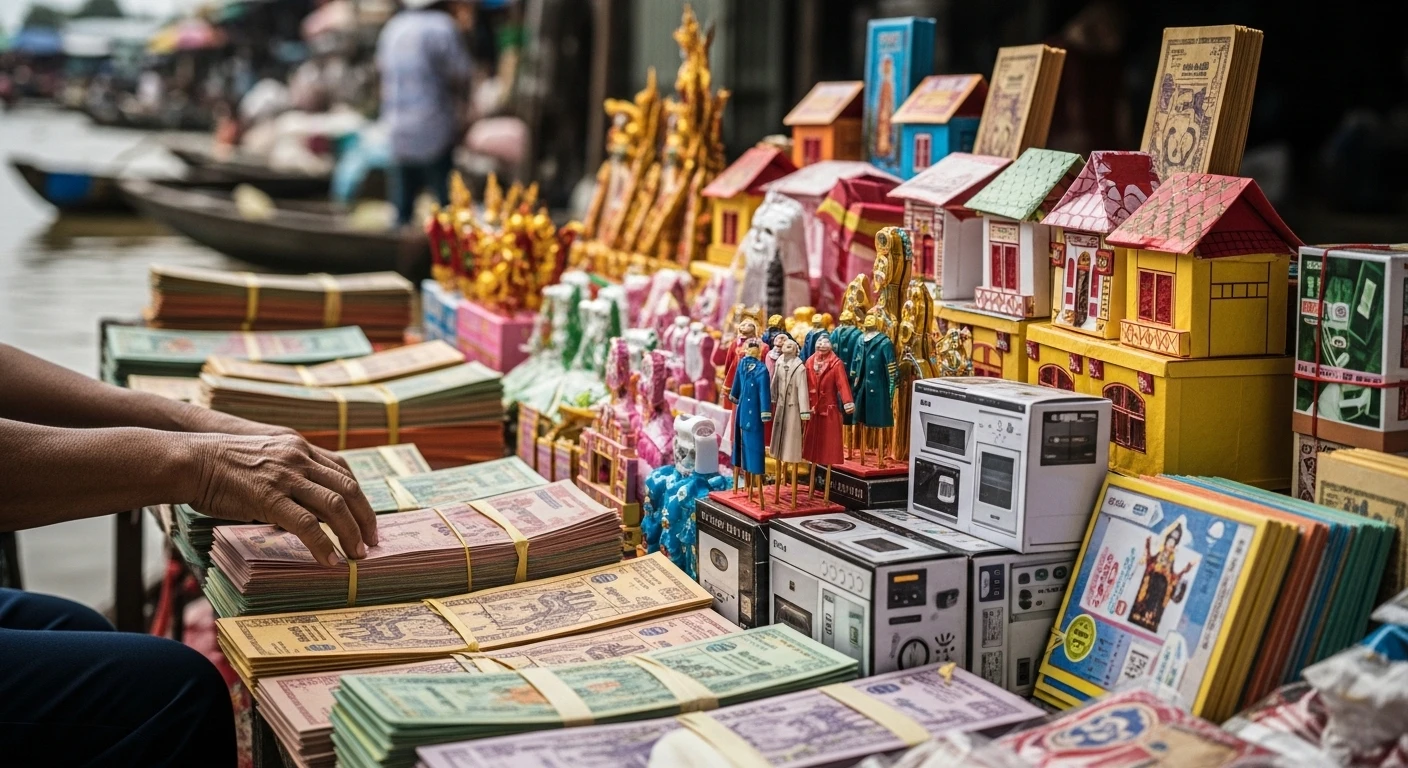
Traveling through the Mekong Delta during this time offers a profound glimpse into the spiritual heart of Vietnam. It’s a place where the past feels very much alive, and the unseen world is as real as the tangible landscape of water and emerald green rice paddies.
Experiencing the Ritual: A Traveler's Guide to the Mekong
If you wish to witness these deeply spiritual practices firsthand, particularly during the Hungry Ghost Festival (typically the 7th lunar month), the Mekong Delta offers an authentic setting.
Getting There:
- International Arrival: Most international travelers arrive at Tan Son Nhat International Airport (SGN) in Ho Chi Minh City (Saigon).
- To the Mekong Delta Hub: From Ho Chi Minh City, the most common gateway to the Delta is Can Tho, the region's capital. You can reach Can Tho via:
- Bus: Numerous reputable bus companies operate daily services from Ho Chi Minh City to Can Tho. The journey typically takes 3.5 to 5 hours, depending on traffic and specific stops. Buses depart from major bus stations like Mien Tay Bus Station.
- Private Car/Taxi: For greater comfort and flexibility, a private car can be hired. This offers more direct travel but is significantly more expensive. The journey time is similar to the bus.
- Flights: Can Tho International Airport (VCA) also receives domestic flights from Hanoi and sometimes Da Nang, offering a quicker but often more costly option if flying within Vietnam.
- Exploring Local Communities: Once in Can Tho, you can hire local taxis, motorbike taxis (xe om), or arrange boat tours to explore smaller towns and villages where these rituals are particularly prevalent. During the Hungry Ghost Festival, simply walking through residential areas in cities like Can Tho, or smaller towns like Soc Trang or My Tho, will reveal the practice. Local markets, especially in the days leading up to the 15th of the 7th lunar month, are also fascinating to visit.
When to Go: The Hungry Ghost Festival typically falls in August or early September. It’s advisable to check a lunar calendar for the exact dates each year.
More Than Just Paper: The Underlying Significance
While the visual might be striking, it's crucial to approach this practice with respect. For Vietnamese people, it's an act of filial piety, a way to care for their ancestors, and a means to ensure peace and prosperity. It’s a deeply personal and spiritual gesture, not merely a superstitious act.
The belief is that the spirits receive these offerings, and in return, they bless their descendants, offer protection, and bring good fortune. This spiritual economy is as vital to many Vietnamese as their earthly one. It's a tangible expression of love, remembrance, and a desire for continuity across generations.
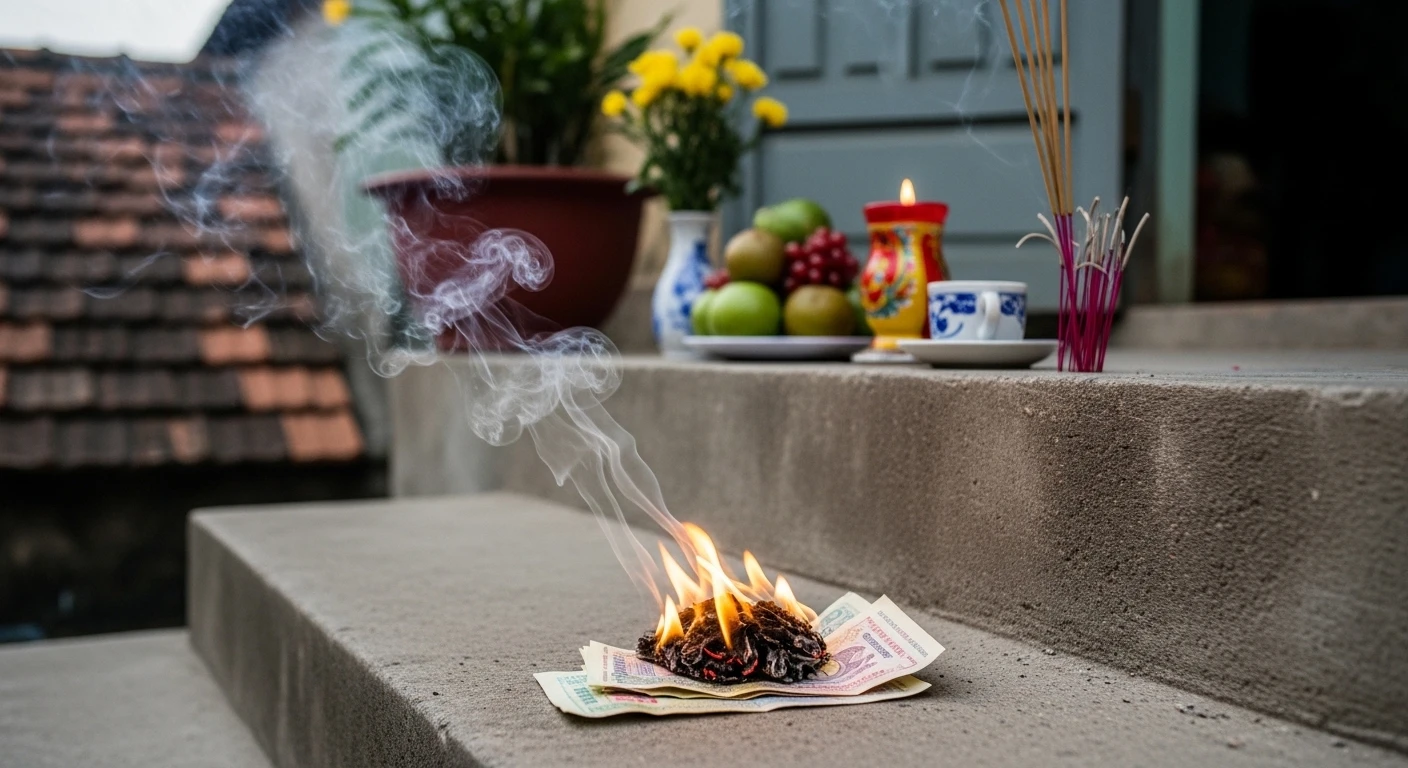
It also highlights a unique perspective on wealth and value. The spiritual currency may be paper, but its value is believed to be very real in the unseen world. This practice underscores a worldview where the material and spiritual are intricately interwoven.
The Hungry Ghost Festival: A Time of Appeasement
The seventh lunar month, often referred to as 'Ghost Month,' is a period of heightened spiritual activity. It's believed that during this time, the King of Hell opens the gates of the underworld, allowing ghosts and spirits to roam the earth. While many of these are believed to be ancestors being honored, there are also ‘wandering ghosts’ – those who died without proper rites or family to care for them.
It is during this month that the practice of burning ghost money becomes most widespread and fervent, not just for one's own ancestors, but also to appease these potentially mischievous or malevolent spirits. Offerings are made on street corners, in front of businesses, and in temples to provide these wandering souls with sustenance and prevent them from causing trouble for the living.
This collective act of appeasement creates a unique atmosphere. Temples might hold special ceremonies, and families are often more mindful of their actions, seeking to avoid bad luck. It’s a time that underscores the Vietnamese belief in the interconnectedness of all beings, living and departed.
Cultural Immersion: Observing with Respect
For travelers visiting Vietnam, encountering this ritual can be a powerful and memorable experience. If you happen to be there during the Hungry Ghost Festival or witness offerings at other times, remember that you are observing a sacred practice.
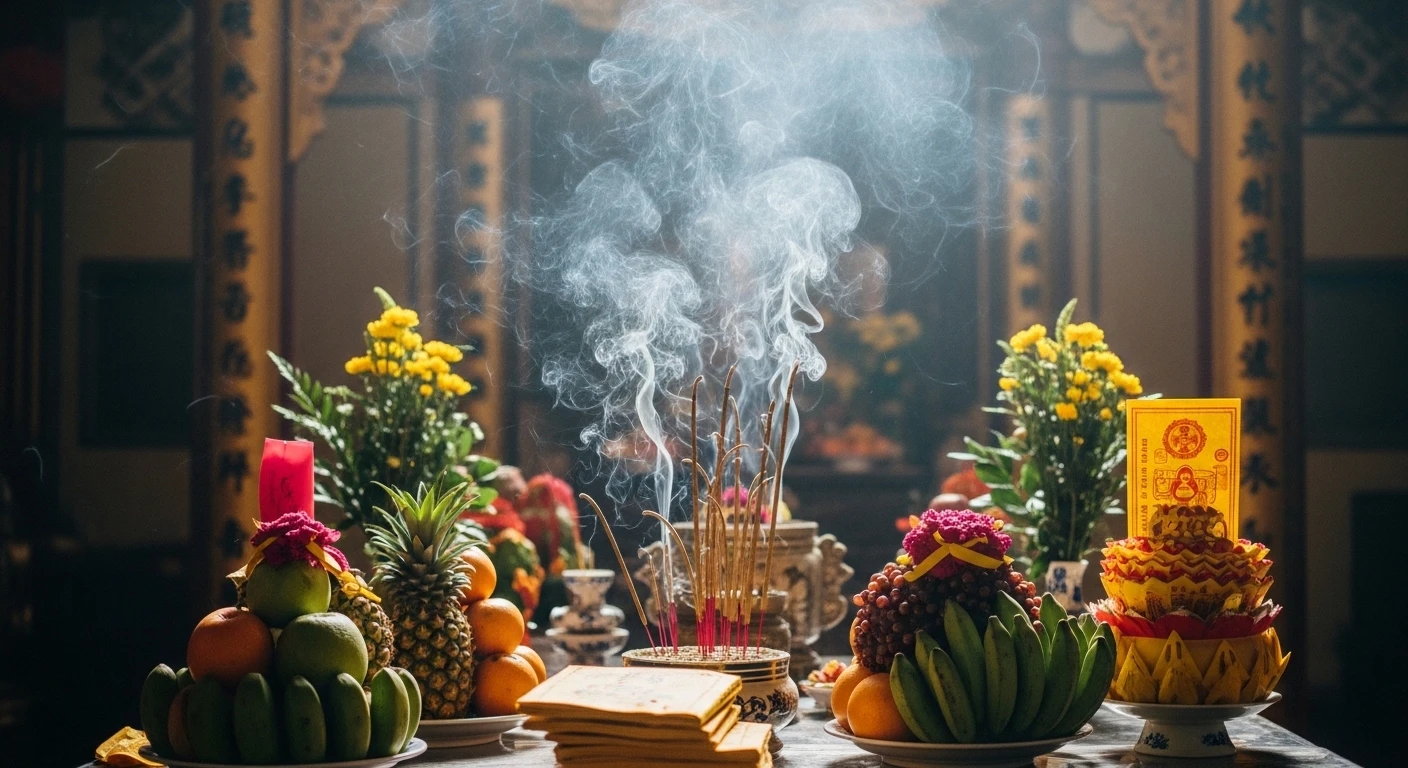
It's best to observe from a distance and avoid intruding on private family rituals. Ask permission before taking photos, especially if you are close to someone performing the ceremony. A simple nod and a smile can go a long way. Understanding the deep cultural significance behind the burning of ghost money transforms it from a curious spectacle into a profound lesson in Vietnamese spirituality, family values, and the enduring belief in a life beyond life.
This practice, seemingly strange to some, is a beautiful testament to the Vietnamese commitment to honoring their past and ensuring the well-being of all souls, visible and invisible.
A Bridge Between Worlds
The next time you’re wandering the streets of Vietnam, perhaps in the humid air of the Mekong Delta or the bustling alleys of Hanoi, and you see smoke rising from the pavement, remember the story it tells. It's not just paper turning to ash; it's a spiritual remittance, a bridge between the living and the dead, an act of profound love and respect that transcends cultures and the perceived boundaries of existence. The Vietnamese don't just burn money; they are actively participating in a timeless cosmic economy, ensuring their ancestors and all spirits have what they need in the great beyond. It's a powerful, albeit fiery, reminder that family ties, and spiritual connections, truly last forever.
Deepen Your Understanding
Want to understand more about the rich spiritual landscape of Vietnam?
📚 Explore Vietnamese Culture