Where the City Breathes: An Immersion into Hanoi's Old Quarter
Hanoi. The very name conjures images of a city steeped in history, where ancient traditions brush shoulders with a vibrant, modern pulse. And at its incandescent core lies the Old Quarter – a dizzying, intoxicating maze of 36 streets, each historically dedicated to a specific trade, that serves as the city's living, breathing heart. To truly understand Hanoi, you must get lost here. Forget the map, surrender to the current, and let the sensory symphony of this ancient district wash over you.
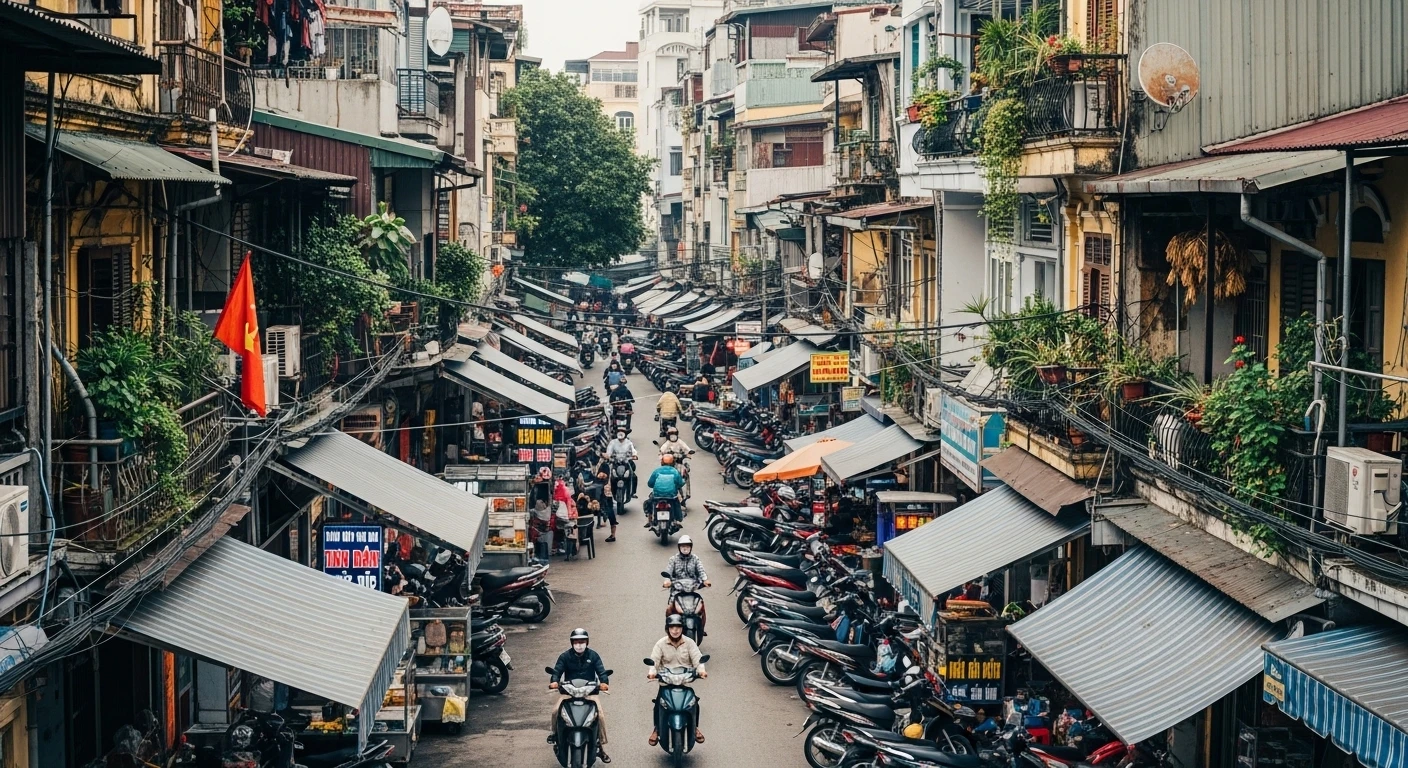
The iconic cacophony and charm of Hanoi's Old Quarter – a sensory overload in the best possible way.
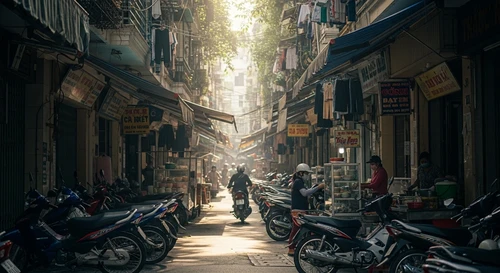
This isn't a curated museum piece; it's a place where life unfolds in real-time. Laundry hangs from balconies adorned with bougainvillea, elderly men play chess on plastic stools, and the air hums with the perpetual ballet of motorbikes weaving through narrow lanes. But beyond the visual spectacle, the Old Quarter is a culinary pilgrimage, a treasure trove of flavors waiting to be discovered, from the iconic to the utterly obscure.
The Art of Getting Lost: Navigating the 36 Streets
The Old Quarter's charm lies in its glorious chaos. Its grid of 36 streets, named after the goods historically sold there (Hang Bac for silver, Hang Gai for silk, Hang Duong for sugar), is a dense network that begs to be explored on foot. Trying to "conquer" it systematically is a fool's errand. Instead, embrace the philosophy of "mất phương hướng" – getting lost.
Start near the legendary Hoan Kiem Lake, perhaps at the iconic Turtle Tower, and dive into the surrounding lanes. Let the smells guide you: the sweet aroma of roasting meat, the pungent tang of fermented shrimp paste, the comforting scent of boiling broth. Look for small signs, often hand-painted, that hint at the culinary delights within. Don't be afraid to duck into an alleyway; often, the most authentic experiences are hidden away from the main thoroughfares. For a more structured exploration, consider visiting during the Hoan Kiem Weekend Walking Street, which transforms the area around the lake into a pedestrian paradise, brimming with street performers and, crucially, more food vendors.
Explore Hoan Kiem Walking StreetThe Liquid Gold: Hunting Down Hanoi's Best Egg Coffee
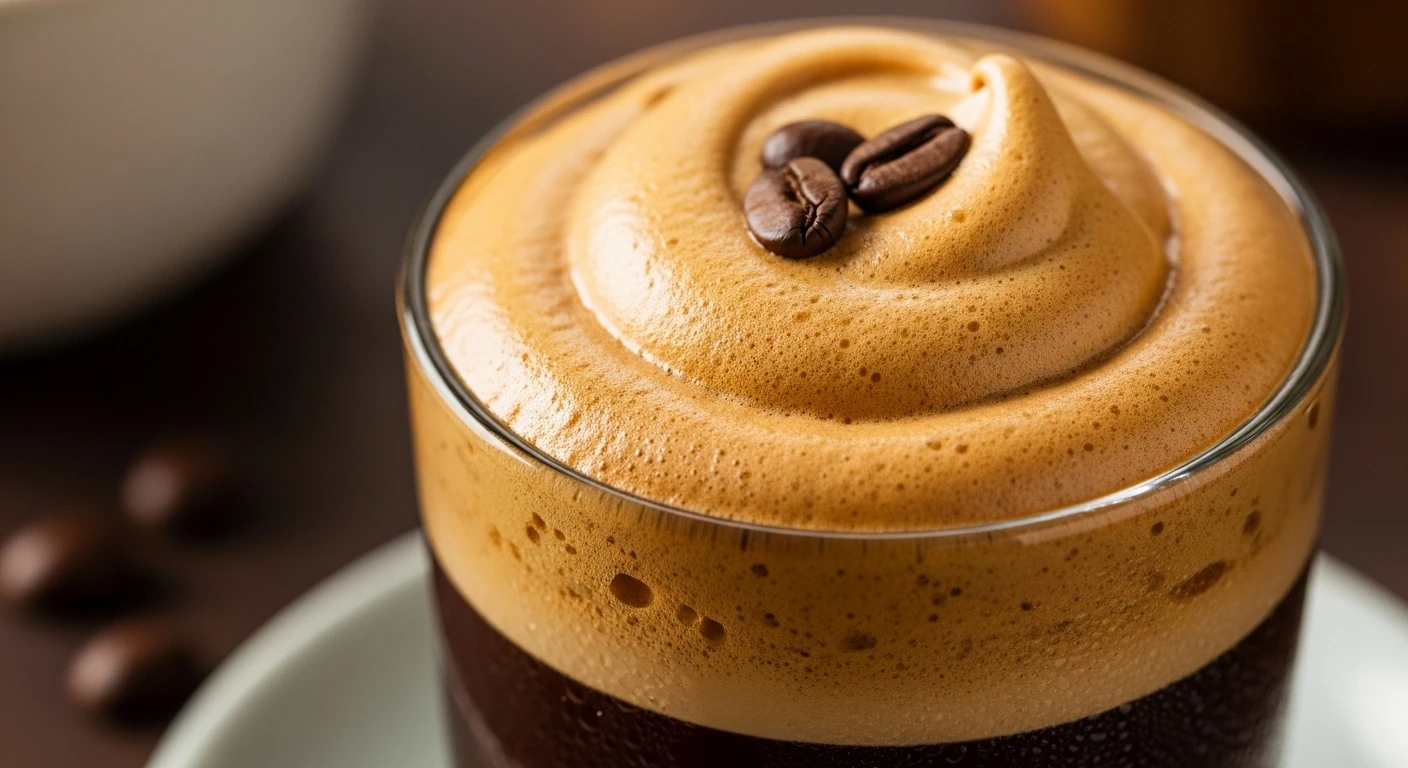
No exploration of Hanoi's culinary quirks is complete without delving into the creamy, decadent world of *cà phê trứng* – egg coffee. Born from necessity during a milk shortage in the 1940s, this ingenious concoction features whisked egg yolks, sugar, condensed milk, and butter, poured over strong Vietnamese coffee. The result is a velvety, meringue-like foam that sits atop the rich coffee, tasting more like a liquid tiramisu than a morning brew.
While the original Cafe Giang is the historical benchmark, many hidden gems offer their own stellar versions. Look for tiny cafes tucked away on upper floors, often accessible via narrow staircases. The key is a perfect balance: a creamy, not-too-sweet topping that contrasts beautifully with the robust coffee below. Order one, find a perch overlooking the bustling street, and let this unique Hanoi specialty transport you.
The Quest for Perfect Bun Cha
If there's one dish that defines Hanoi for many, it's *bún chả*. This seemingly simple dish of grilled pork patties and slices served in a sweet and savory broth with a side of vermicelli noodles and fresh herbs is an art form here. The smoky char of the pork, the delicate balance of the dipping sauce (nuoc cham), the crispness of the herbs – it all comes together in a symphony of textures and flavors.
The Old Quarter is a *bún chả* battleground. While national institutions like Hương Liên (made famous by Anthony Bourdain and Barack Obama) exist, the real magic is often found in unassuming, family-run eateries. Look for places where locals are lining up, the scent of grilled pork hangs heavy in the air, and the broth is kept warm in huge pots. Don't be shy about asking for more noodles or herbs – it's all part of the experience.
Dive Deeper into Hanoi's Food Scene
The Old Quarter is just the beginning. For a true taste of Hanoi's culinary soul, explore its vibrant markets and street food hubs.
Beyond Bun Cha: A Street Food Smorgasbord
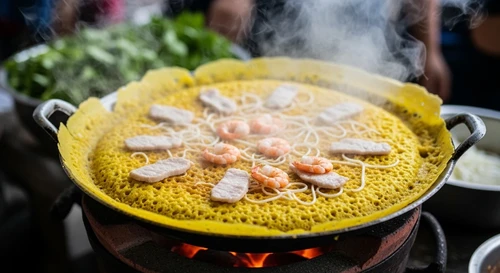
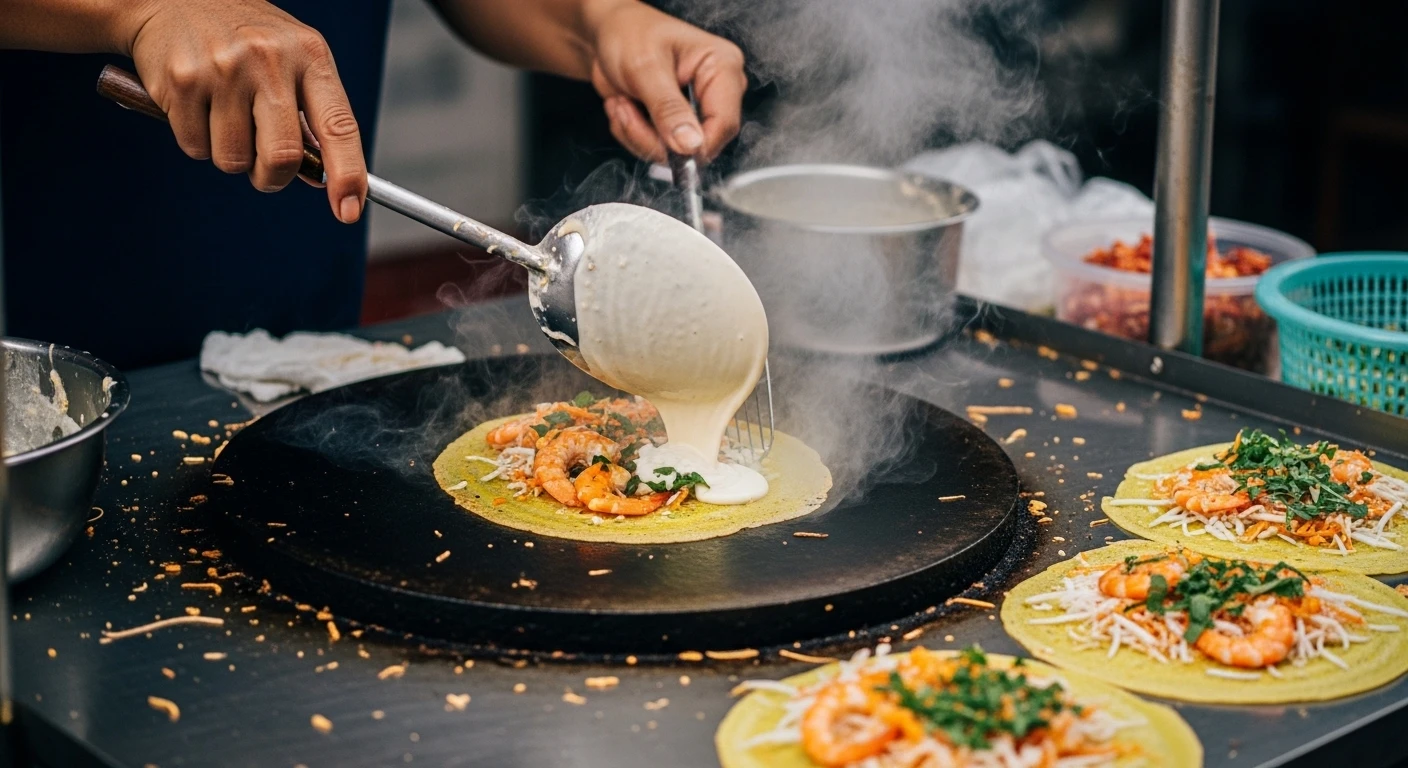
The Old Quarter is a street food paradise, offering an endless array of tantalizing bites. While *bún chả* and egg coffee are must-tries, venture further. Seek out crispy *bánh xèo* (savory crepes filled with pork, shrimp, and bean sprouts), fragrant *phở bò* (beef noodle soup), spicy *bún riêu cua* (crab noodle soup), and *nem chua rán* (fried fermented pork rolls) – a perfect crunchy snack.
Engage with the vendors, even if it's just with smiles and gestures. Many will appreciate your adventurous spirit. Don't overlook the simple pleasures like grilled skewers of marinated meats, steamed rice cakes (*bánh cuốn*), or fresh spring rolls (*gỏi cuốn*). The sheer variety means you could eat a different dish every hour for days and still not scratch the surface.
Elevated Perspectives: Secret Rooftop Bars Overlooking Hoan Kiem Lake
After a day of sensory immersion, there's no better way to absorb the Old Quarter's magic than from above. While tourist traps exist, the true gems are often unmarked doors leading up winding staircases to hidden rooftop bars. Seek out establishments that offer panoramic views of the lake and the surrounding cityscape.
As dusk settles, watch the city lights twinkle to life. Order a refreshing *bia hơi* (fresh beer) or a craft cocktail, and let the breathtaking panorama unfold. These spots offer a tranquil escape from the street-level hustle, providing a moment of reflection on the enduring charm and vibrant energy of Hanoi. Consider places that offer live music for an added layer of ambiance.
A Tale of Two Cities: Old vs. French Quarter
While the Old Quarter's charm is undeniable, it's crucial to understand Hanoi's dual architectural personality. Adjacent to the tightly packed, "tube house" density of the Old Quarter lies the French Quarter. Here, wide, tree-lined boulevards replace narrow lanes, and grand colonial villas and opera houses stand as relics of a bygone era.
This stark contrast, while distinct, is part of what makes Hanoi so fascinating. While the Old Quarter is about immersion in everyday life and street food culture, the French Quarter offers a more stately, historical perspective. Understanding this dichotomy helps appreciate the city's complex evolution.
Compare Hanoi's QuartersBeyond the Tourist Trail: Local Haunts and Hidden Delights
The true magic of the Old Quarter is found where the locals gather. While guidebooks might point you to famous spots, venture slightly off the beaten path. For instance, during the weekend night market, the Dong Xuan Market area transforms. This is where you can find incredibly cheap, delicious street food, from sizzling skewers to steaming bowls of noodles.
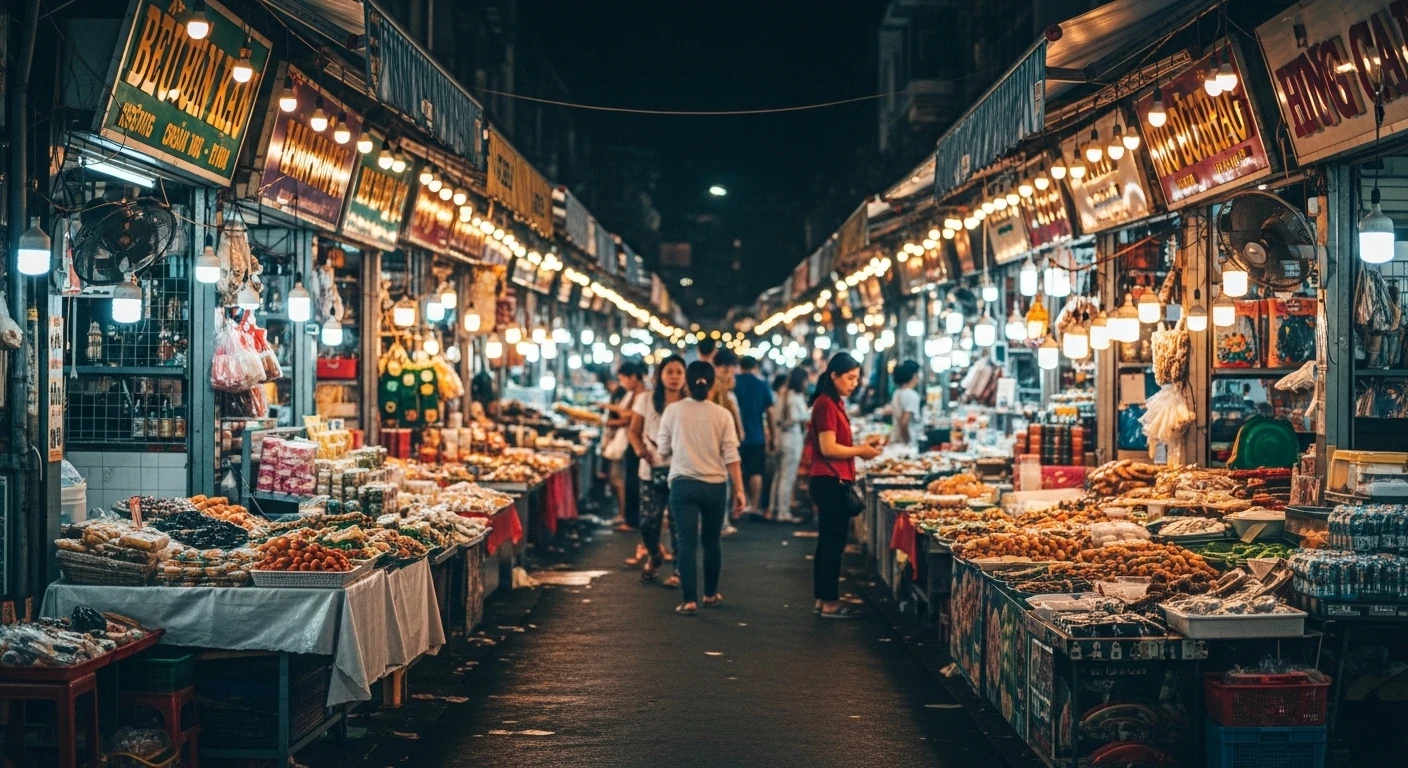
Seek out small, unmarked eateries that spill onto the sidewalks. These often serve specialized dishes that have been perfected over generations. Don't be shy to ask hotel staff or local guides for their personal favorite spots. They are often the keepers of the neighborhood's culinary secrets.
Discover Dong Xuan Night MarketThe Unforgettable Hanoian Experience
The Old Quarter is more than just a destination; it's an experience that lingers long after you leave. It's the friendly chaos of the streets, the incredible depth of flavor in seemingly simple dishes, the warmth of the people, and the feeling of stepping back in time. It's a place that engages all your senses, pushing you to look closer, taste bolder, and embrace the unexpected.
So, pack your sense of adventure, your appetite, and a willingness to get lost. Hanoi's Old Quarter awaits, ready to reveal its secrets one delicious, winding street at a time. It's a journey that promises not just a taste of Vietnam, but a profound connection to its enduring spirit.
Ready to Dive Deeper?
Discover more about the culinary and cultural tapestry of Vietnam.
Explore Vietnam's Flavors