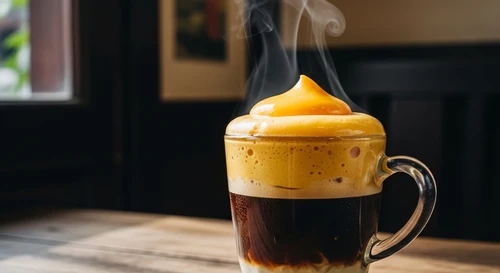
Meet the King: Durian's Reign of (Stinky) Glory
There are fruits, and then there is Durian. The King of Fruits. A title it wears with a defiant, pungent crown. For the uninitiated, the first encounter with durian is less a culinary revelation and more an olfactory assault. Reports range from "rotting onions" to "baby diapers" to, yes, "gym socks." It's a smell that permeates, clings, and challenges. Yet, in the humid embrace of the Mekong Delta, this same fruit is adored, celebrated, and considered a delicacy worth enduring its formidable aroma for.
This is the paradox of durian: a fruit that divides opinion as sharply as it divides nations. Why is it banned from hotels in Singapore while being a national obsession in parts of Southeast Asia, particularly here in Vietnam's fertile South? This guide is your beginner's passport into the fragrant, complex, and utterly captivating world of durian. We're going straight to the source, the heart of its tropical kingdom.
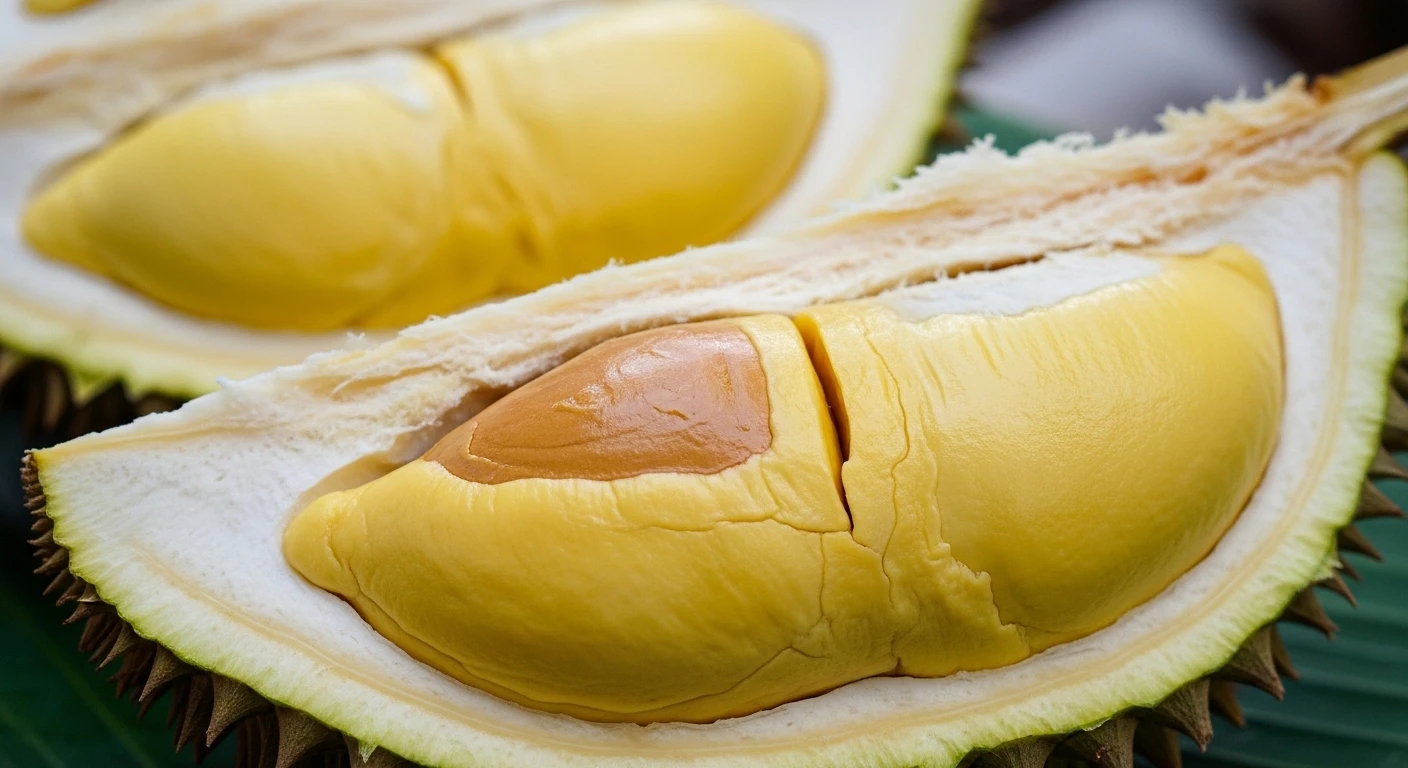
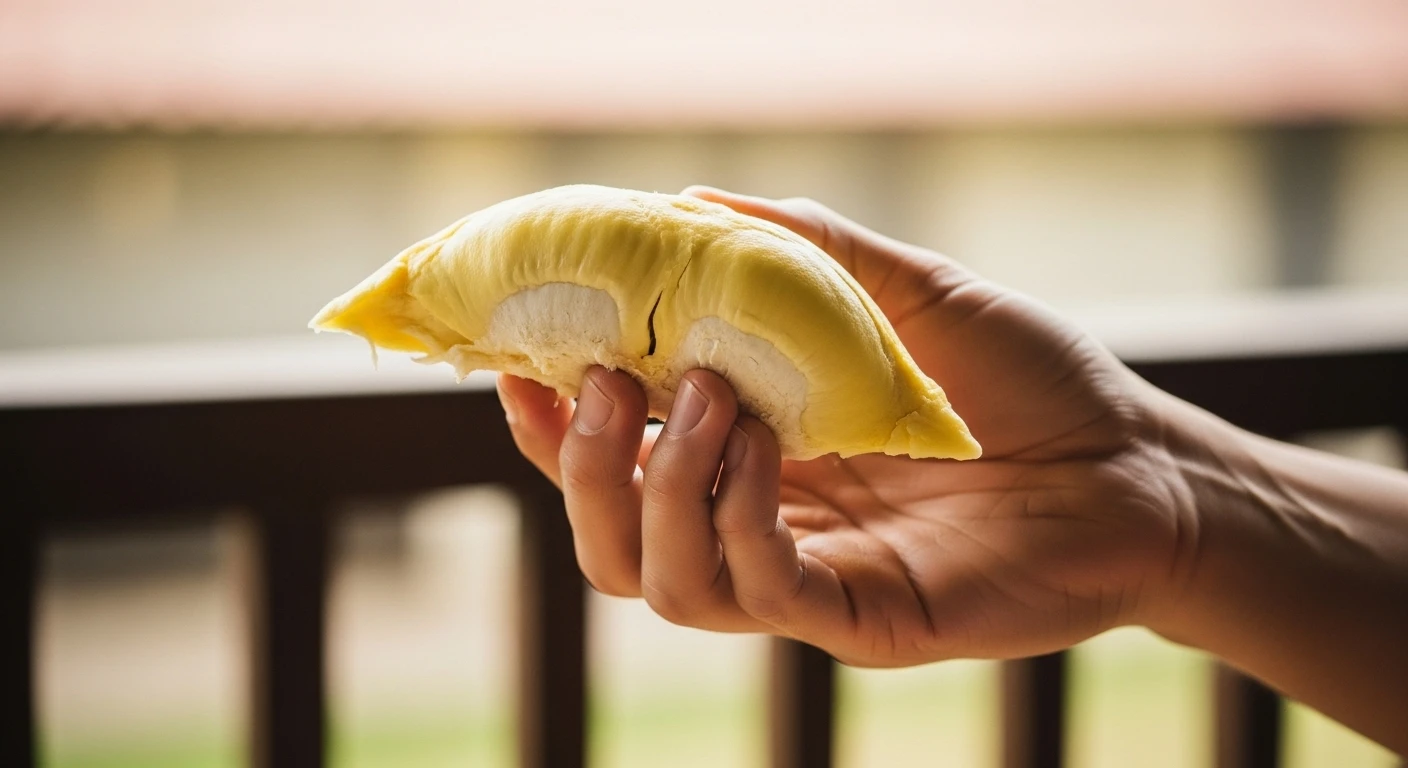
The alluring, complex flesh of the King of Fruits.
The Mekong's Embrace: Where Durian Thrives
Southern Vietnam, particularly the Mekong Delta and surrounding provinces like Binh Duong and Dong Nai, is prime durian country. The hot, humid climate, abundant rainfall, and fertile alluvial soil create the perfect conditions for these majestic trees to flourish. Here, durian isn't just a fruit; it's woven into the agricultural tapestry, a cherished crop that brings both economic bounty and sensory debate.
You'll find durian orchards, especially around regions like Cai Be in Tien Giang province or parts of Ben Tre, where the trees stand tall and proud. The trees themselves are impressive, with glossy, dark green leaves and often a gnarled, ancient appearance. When the fruits ripen and fall, or are harvested, the landscape comes alive with the unmistakable scent. Local markets, from the sprawling floating markets to the smallest roadside stalls, become fragrant hubs during durian season. It's an olfactory map of the region.
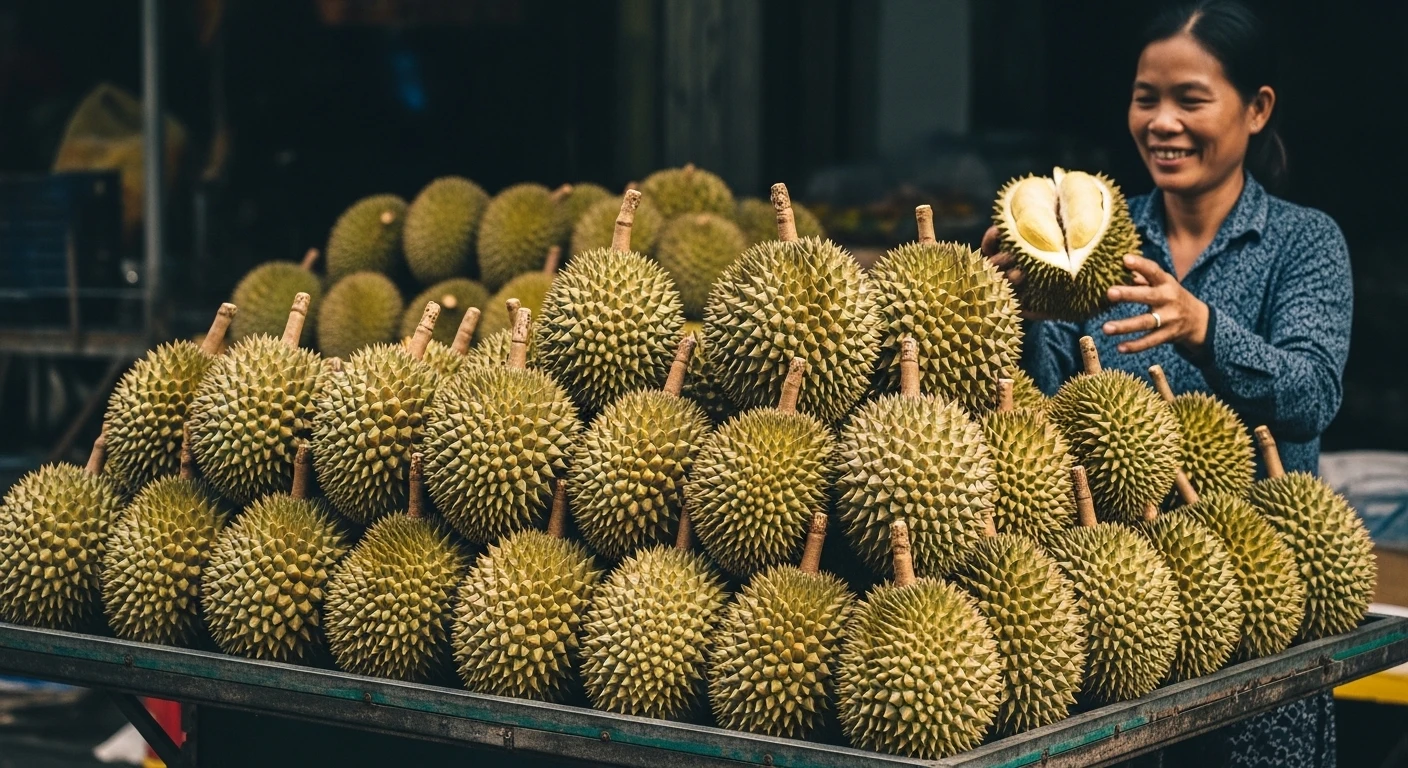
A common sight in the Mekong Delta: fresh durian for sale.
The Olfactory Offense: Unpacking the "Stink"
Science, as it often does, offers an explanation. Durian's infamous aroma is a complex cocktail of volatile sulfur compounds (VSCs), the same group of chemicals found in onions, garlic, and even natural gas. But durian's blend is unique, featuring compounds that can evoke notes of sweetness (esters) alongside the pungent sulfurous ones (thiols, sulfides). This combination is what creates its divisive character – some perceive the sweet notes more strongly, while others are overwhelmed by the sulfur.
It's also a clever evolutionary tactic. The strong scent attracts animals that will eat the fruit and disperse its seeds far and wide. So, while it might repel humans, it's a siren song to the jungle's inhabitants. The smell is strongest when the fruit is ripe and ready to be eaten, acting as a clear signal.
Beyond the Smell: The Divine Custard
Now, the reason for the devotion. Push past the initial olfactory shock, and the taste of durian is a revelation. The flesh, ranging in color from pale yellow to deep orange-red depending on the variety, is incredibly rich and creamy, often described as tasting like a decadent custard or cheesecake.
The flavor is a complex interplay of sweet, savory, and slightly bitter notes. There's a nutty undertone, a hint of almond, and a luxurious texture that coats the palate. Each bite is an experience – dense, unctuous, and deeply satisfying. The sweetness isn't the simple, bright sweetness of a strawberry; it's a rich, complex sweetness that lingers. This is why people brave the smell. It's a taste that, for many, transcends the aromatic challenge.
The texture can vary too. Some varieties are very smooth and almost liquid, while others are firmer with a slight chewiness. It’s this creamy, unctuous quality that makes it so addictive.
Know Your Durian: A Spectrum of Kings
Just as there are different types of apples or grapes, there are numerous durian varieties, each with its own distinct flavor profile, aroma intensity, and texture. In Vietnam, several are particularly prized:
- Monthong (or Mu Sang King): Perhaps the most internationally recognized. Known for its milder aroma, thick, creamy, golden-yellow flesh, and a sweet, slightly bitter taste. It's often a good entry point for beginners.
- Riet (or Chanee): Offers a stronger aroma and a richer, more complex flavor. The flesh is often a deeper yellow or orange, with a smooth, custardy texture.
- Musang King (Malaysia's most famous, also grown/valued in Vietnam): Famously intense, with a deep, complex sweetness and a slightly bitter finish. It has a very creamy, almost gooey texture and a robust aroma.
- D24: Another popular choice, offering a good balance of strong flavor and creamy texture.
- Local Mekong Varieties: Beyond these, many local cultivars exist, each with a unique name and following among connoisseurs in the Delta. These often have names that reflect their origins or characteristics, like "Sau Rieng" (which is also the Vietnamese word for Durian itself) or specific orchard names.
The best way to understand the differences? Taste them all. This is where the Mekong Delta truly shines, offering a direct line to freshly picked, regionally specific varieties.
The Ritual of the Feast: Eating Durian in the Delta
Eating durian is an event. You won't find yourself casually munching on it during a business meeting. It's a communal experience, often enjoyed outdoors (to mitigate the smell's escape!) with friends and family.
Choosing Your Durian: Look for a fruit that feels heavy for its size, indicating ripeness and good flesh. The stem should be firm and green. A slight crack at the bottom can be a good sign, but avoid fruits that look bruised or have an overly fermented smell.
Opening the Beast: This is where the fun (and a bit of strategy) begins. Vendors are adept at this. They often use a large cleaver or a sturdy knife to cut the durian along its natural seams. You'll see five distinct lines running from stem to base. The knife is inserted along these lines, and the fruit is pried open.
The Harvest: Inside, you'll find the fleshy pods, each encasing a large seed. Simply reach in (with clean hands!) and extract a pod. Eat it directly, savoring the texture and taste. The seeds are not typically eaten raw but can be boiled or roasted and have a starchy, chestnut-like flavor.
The "Don'ts": A common local saying advises against consuming durian with alcohol or milk, as it's believed to cause digestive distress or even "heat" in the body. While scientific evidence is mixed, it’s wise to heed this traditional advice.
More Than Just a Fruit: Durian's Cultural Footprint
Durian is more than just a polarizing fruit; it's a cultural phenomenon. In the Mekong Delta, it symbolizes abundance and prosperity. Its seasonal arrival marks a time of festivity and economic activity. Orchard owners take immense pride in their harvest, and specific varieties are discussed with the reverence usually reserved for fine wines.
You'll also find durian incorporated into desserts, sticky rice dishes, and even savory concoctions, though the fresh fruit is king. The creamy flesh lends itself beautifully to sweet applications, creating rich puddings and ice creams.

Explore a Similar Mekong Treasure
Did you know the Mekong Delta is also famous for another tropical marvel? Learn about the unique uses of coconut in its homeland.
Discover Ben Tre's CoconutsThe ban in hotels and public transport is a pragmatic response to its potency, a way to maintain an environment conducive to all guests. But for locals and adventurous travelers, it's a small price to pay for experiencing a truly unique and delicious fruit.
The Durian Challenge: A Rite of Passage
For many Western travelers, trying durian is akin to a culinary dare. It's a rite of passage, a story to tell. If you're visiting Vietnam, especially the South, embracing durian is highly recommended. Don't let the smell deter you completely.
Tips for the First-Timer:
- Start Small: Don't commit to a whole fruit. Buy a few pods from a reputable vendor.
- Choose Wisely: Ask locals or your guide for recommendations on milder varieties or the ripest fruits.
- Breathe Through Your Mouth: A classic trick to bypass the olfactory nerves.
- Pair with Water: Have water ready to cleanse your palate between bites.
- Don't Overthink It: Approach it with an open mind and a sense of adventure.

More Adventures in Vietnamese Cuisine
If you're game for durian, you might be curious about other unique Vietnamese delicacies that challenge expectations.
Dare to Try Balut?The Broader Palate: Durian and Vietnam's Regional Tastes
While durian is a star in the South, Vietnam's culinary landscape is rich with regional diversity. The North often favors saltier, more delicate flavors, while the South embraces sweetness and bolder spices.
Durian's intense sweetness and pungent aroma fit perfectly with the Southern palate's love for rich, bold, and often sweet profiles. This isn't to say durian isn't enjoyed elsewhere in Vietnam, but its cultivation and cultural significance are deeply rooted in the tropical South. Understanding these regional nuances can offer a deeper appreciation for the food you encounter.
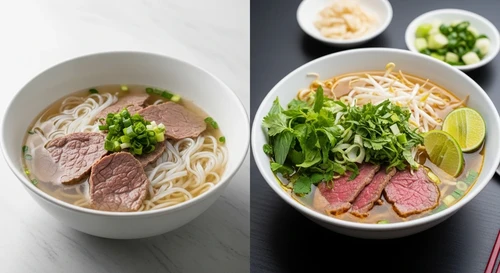
Vietnam's Flavor Contrasts
Curious about how tastes differ across Vietnam? Explore the fundamental culinary divisions that shape the nation's unique food culture.
North vs. South FlavorsThe Enduring Allure of the King
Durian. It’s a fruit that demands attention, a sensory challenge wrapped in creamy sweetness. For travelers to the Mekong Delta, it’s not just an optional taste test; it’s an immersion into the region’s vibrant food culture. It's the smell that defines the season, the taste that divides families but unites enthusiasts.
So, the next time you find yourself in the humid, verdant landscapes of Southern Vietnam, don't shy away from the King. Take a deep breath (through your mouth, perhaps), find a friendly vendor, and let the complex dance of aroma and flavor unfold. It’s a taste that stays with you, a fragrant memory of the tropical heart of Vietnam.
Embrace the experience; the reward is immense.