The Ubiquitous Shrimp: A World on a Plate
From the deepest, coldest trenches of the Pacific to the sun-drenched, brackish waters of Southeast Asia, shrimp are a global delicacy. They grace dinner tables in Halifax as readily as they do in Ho Chi Minh City. But ask any seasoned traveler or discerning foodie, and they'll tell you: not all shrimp are created equal. The subtle whispers of terroir, habitat, and tradition imbue each shrimp with a unique character.
For our Canadian friends, accustomed to the firm, clean bite of cold-water species like spot prawns or the readily available white shrimp, the world of tropical shrimp might seem a distant, exotic cousin. This guide is your passport to understanding the fascinating divergence. We’ll journey from the bustling docks of Vancouver Island to the intricate mangrove systems of Vietnam's Mekong Delta, exploring what makes each shrimp distinct.
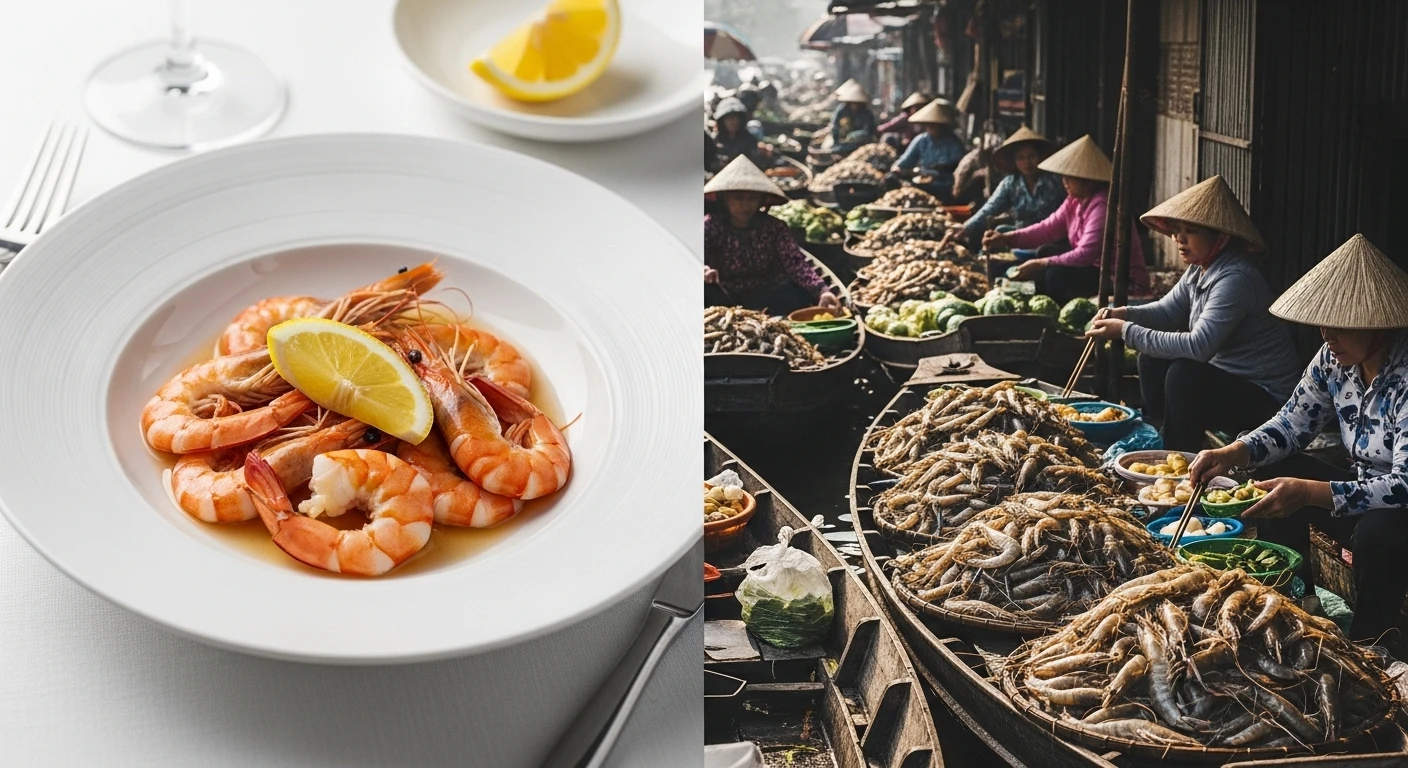
A visual contrast: the iconic lobster of Canada versus the vibrant shrimp markets of Vietnam.
Canada's Cool Embrace: Pristine Waters, Potent Flavors
Canada's vast coastline, stretching across three oceans, yields some of the world's most prized seafood. Shrimp, or "prawns" as they are often colloquially known in Canada, are no exception. The frigid temperatures of the North Atlantic, Pacific, and Arctic oceans foster slow growth, resulting in shrimp with a dense, firm texture and a pure, almost sweet, oceanic flavor profile.
Think of the iconic spot prawn, particularly from British Columbia. Caught responsibly in deep waters, these crustaceans are renowned for their incredibly sweet, buttery flesh and a delicate, almost floral, aroma. They're often enjoyed simply — perhaps boiled and served with a squeeze of lemon, or lightly sautéed. Their natural flavor is so profound that heavy sauces are considered an insult. Other common Canadian varieties, like Northern shrimp (often harvested from the Atlantic), also share this characteristic of clean, firm flesh, perfect for showcasing the purity of their cold-water origins.
Canadian culinary tradition often emphasizes the ingredient itself. Grilling, steaming, or pan-searing are popular methods, designed to preserve the inherent quality. The accompanying sauces tend to be lighter, brighter – think lemon-dill aioli, garlic butter, or a simple mignonette. This approach reflects a deep respect for the natural bounty, allowing the subtle nuances of cold-water shrimp to shine.
Vietnam's Tropical Tides: A Symphony of Flavor and Terroir
Now, let's cast our gaze south, to the vibrant, complex waterways of Vietnam. The country's extensive coastline and the vast, fertile Mekong Delta are a shrimp-farming and wild-harvesting paradise. Here, the warm waters and unique estuarine environments, particularly the mangrove-rich areas, create a distinct terroir that imparts a different, yet equally compelling, character to the shrimp.
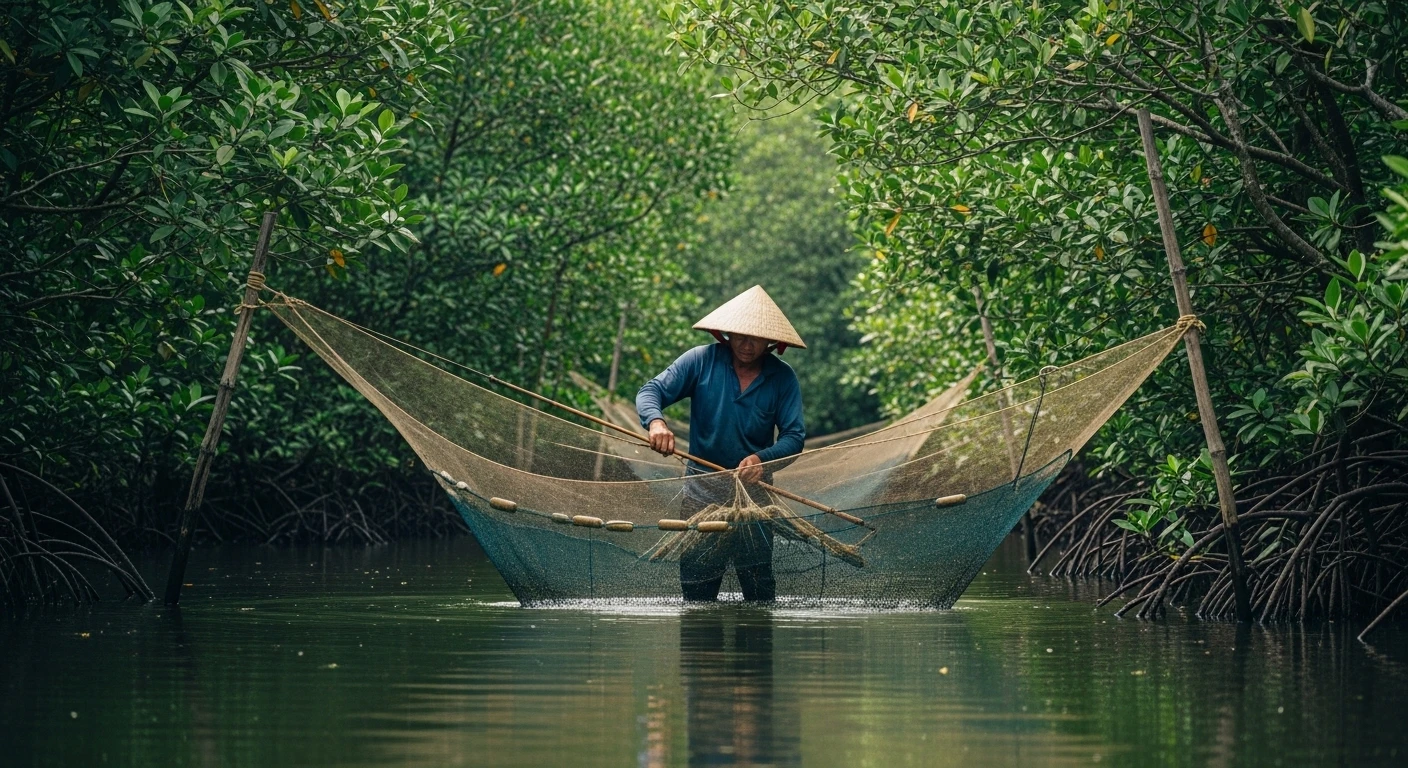
The Mekong Delta, a labyrinth of rivers and canals in Southern Vietnam, is a prime example. This region is renowned for its aquaculture, often integrated with natural ecosystems like mangrove forests. This semi-intensive or extensive farming allows shrimp to develop a more robust flavor and a slightly firmer, more substantial texture than those grown in strictly controlled, land-based ponds.
Vietnamese shrimp are often characterized by a more pronounced sweetness, a richer, sometimes almost buttery, profile, and a subtle brininess that speaks of their tropical origins. The cooking styles here are as diverse as the landscape, embracing bold flavors and aromatic herbs.
The Stars of the Delta: Ca Mau Black Tigers and Beyond
When people speak of premium Vietnamese shrimp, the name Ca Mau Black Tiger Shrimp frequently arises. Cultivated in the brackish waters and mangrove systems of Ca Mau province, Vietnam's southernmost tip, these shrimp are a testament to successful eco-aquaculture. The natural diet and environment contribute to their impressive size, firm, succulent flesh, and a distinct, clean sweetness that stands apart. Their dark, striped shells turn a vibrant, enticing red when cooked, making them a visual delight.
But the Mekong Delta's bounty doesn't stop there. The Giant Freshwater Prawns, with their distinctive long blue claws and rich head fat, are another prized inhabitant of these inland waterways. Often grilled, their intense, savory flavor is a different experience altogether, showcasing the variety found in Vietnam's diverse aquatic environments.
And then there's the ubiquitous Whiteleg Shrimp. While it might sound less exotic, its widespread cultivation and versatility make it a staple in Vietnamese homes. Often farmed using sustainable methods in areas like Ca Mau, these shrimp, when properly sourced, offer a good balance of sweetness and a pleasant, yielding texture, making them perfect for everyday Vietnamese cooking – from stir-fries to soups.
Texture & Taste: A Tale of Two Worlds
The most immediate difference a Canadian consumer might notice is in texture and the specific notes of sweetness.
- Canadian Cold-Water Shrimp: Generally, these exhibit a firmer, more "snappy" bite. The flesh is dense, with a clean, pure oceanic salinity. Their sweetness is subtle, akin to the pure sweetness of cold, fresh water. They hold their structure exceptionally well under cooking.
- Vietnamese Tropical Shrimp: These often have a more yielding, tender texture, with a pronounced, sometimes even honey-like, sweetness. The flavor profile can be richer, with undertones of minerality from brackish water and natural mangrove nutrients. Ca Mau Black Tigers, in particular, offer a satisfying firmness that bridges the gap, while Freshwater Prawns are celebrated for their richer, more complex head fat flavor.
Culinary Context: Simple Elegance vs. Bold Aromatics
How these diverse shrimp are prepared tells its own story about the cultures they come from.
Canadian Approach
In Canada, simplicity reigns supreme. The goal is often to let the shrimp's natural sweetness and texture shine. Think:
- Steamed Spot Prawns: Served with lemon wedges, perhaps a light garlic butter dip.
- Grilled Shrimp Skewers: Marinated lightly with herbs, lemon, and olive oil.
- Shrimp Cocktails: A classic, often served with a zesty, horseradish-heavy cocktail sauce.
Vietnamese Approach
Vietnamese cuisine embraces bold, layered flavors, where shrimp are often part of a vibrant ensemble. Common preparations include:
- Shrimp Stir-fries: With vibrant vegetables, garlic, ginger, and a savory fish sauce-based seasoning.
- Shrimp in Noodle Soups (Phở, Bún): Adding their sweetness and texture to complex broths.
- Grilled Shrimp with Lemongrass and Chili: A smoky, spicy, and aromatic delight.
- Vietnamese Salads (Gỏi Tôm): Where shrimp are a key protein, tossed with fresh herbs, crunchy vegetables, and a tangy dressing.
The Mekong Delta Experience: Culture in Every Bite
For Canadians, seafood is often an enjoyable meal, a treat, or a staple depending on the region. In the Mekong Delta, however, shrimp and fish are inextricably linked to the rhythm of life. The daily catch is not just sustenance; it's livelihood, community, and heritage.
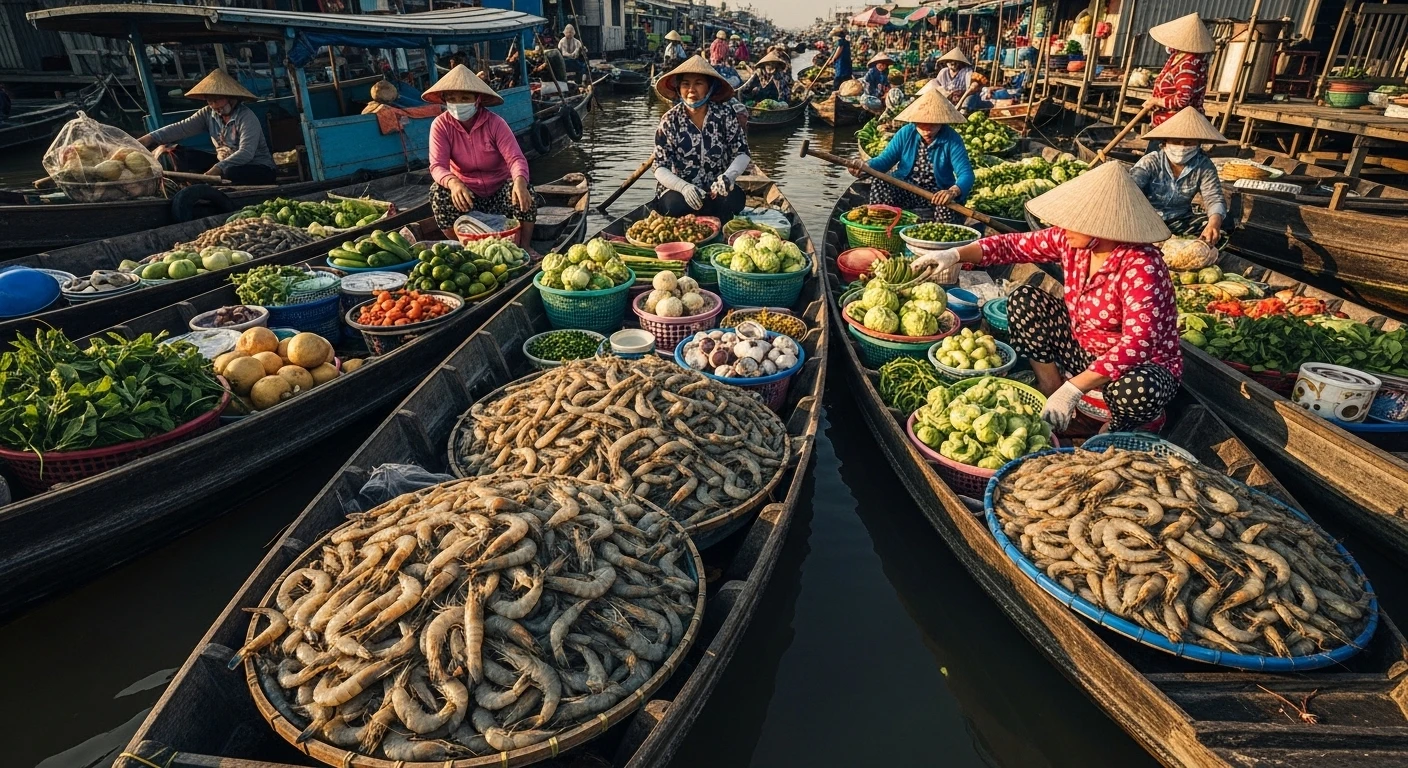
Visiting a floating market in Can Tho or Cai Be, you witness the sheer volume and variety of freshwater produce. The air is thick with the scent of ripe fruit, fresh herbs, and, of course, the briny aroma of freshly caught shrimp. Bargaining, the social interaction, the sheer vibrance of it all – this is the "experience" of Mekong shrimp culture. It's about family gatherings where a steaming platter of grilled prawns is the centerpiece, or the quiet satisfaction of a fisherman returning home with his day's haul.
This deeply ingrained relationship means that the quality and freshness of shrimp in the Delta are paramount. It's not just about taste; it's about the health of the river, the sustainability of the harvest, and the continuation of a way of life. For a Canadian visitor, it's an opportunity to see seafood not just as food, but as a vital component of a rich, riverine culture.
Bridging the Gap: What Canadian Cooks Can Learn
So, what does this comparison mean for the Canadian kitchen? It's an invitation to explore. While the unique sweetness and tender texture of Vietnamese shrimp are best experienced firsthand in Vietnam, understanding these differences can inspire new culinary adventures at home.
- Embrace Sweetness: If you're trying Vietnamese-style shrimp dishes, don't be afraid of a little sweetness. It's a hallmark of the cuisine.
- Explore Aromatics: Vietnamese cooking uses herbs like lemongrass, mint, cilantro, and basil liberally. Incorporating these can elevate simple shrimp dishes.
- Experiment with Sauces: While Canadian tastes lean towards lighter accompaniments, Vietnamese sauces are often more complex – think tamarind, chili-lime, or rich fish sauce-based marinades.
- Value the Source: Just as Canadians value responsible, cold-water fisheries, understanding the sustainable aquaculture practices in regions like Ca Mau highlights the global commitment to quality.
For Canadian chefs and home cooks, the key takeaway is appreciating the vast spectrum of shrimp. While the purity of cold-water species will always hold a special place, the vibrant, sweet, and diverse offerings from Vietnam’s Mekong Delta provide an exciting counterpoint, enriching our global palate and our understanding of how water, climate, and culture shape one of the world's favorite ingredients.
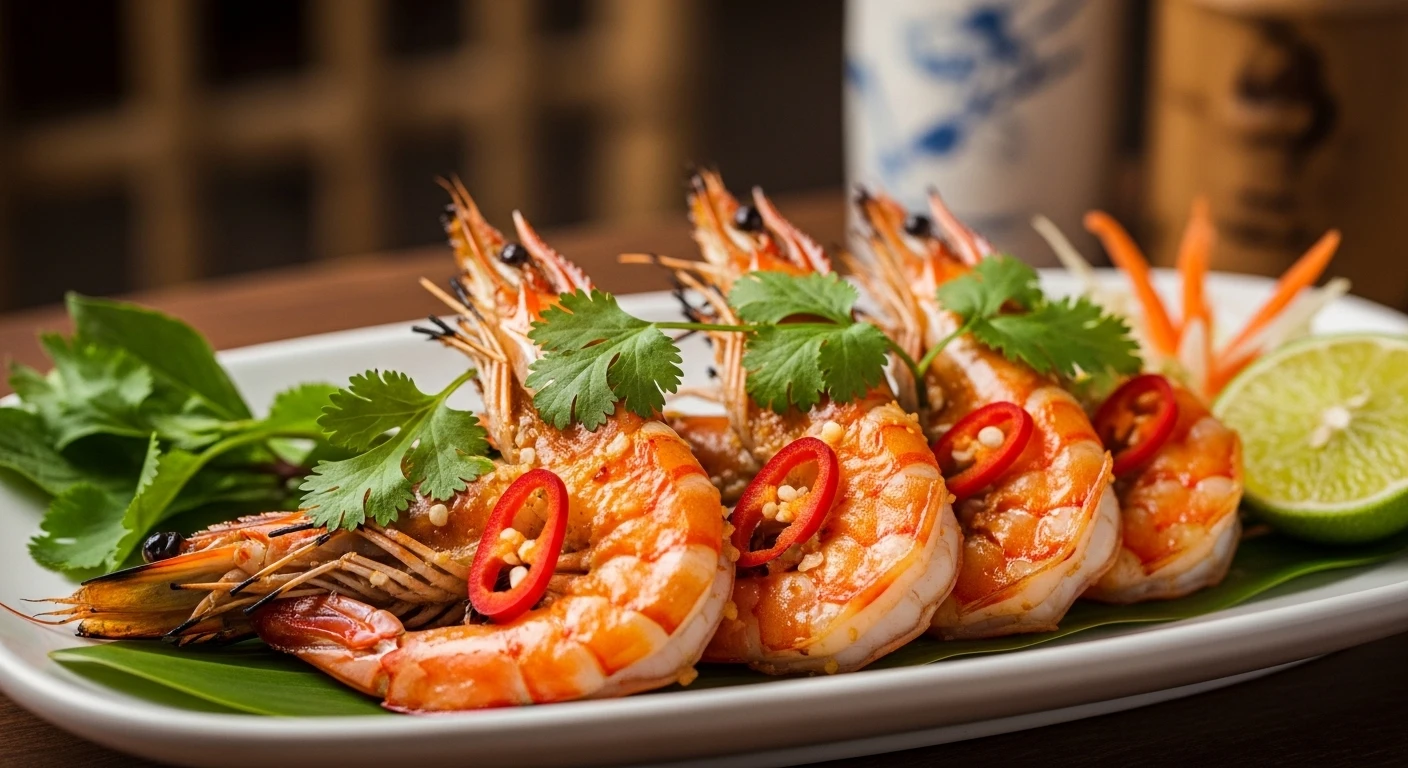
The Journey Continues
Whether you’re savoring a perfectly steamed spot prawn on the Pacific coast or a fragrant, grilled Black Tiger shrimp on the banks of the Mekong, the journey of shrimp is a delicious exploration of our planet's diversity. For Canadians who appreciate quality seafood, the unique flavors and rich traditions of Vietnam's shrimp culture offer a compelling reason to expand their culinary horizons. The next time you encounter shrimp, take a moment to consider its origin – you might just discover a new favorite world of flavor.
Planning Your Trip?
Curious to taste the real deal? Discover the culinary heart of Vietnam!
🌏 Explore Vietnam's Flavors